I had planned to post all our Turkey travels in one blog, but we had too many adventures and too many photos to fit into one post, so here is the second installment about our Turkish road trip from Antalya to Izmir. After a dinner and walk around old town Antalya, we drove to Pamukkale. Pamukkale is a small Anatolian town that is home to the ancient ruins of Hierapolis and picturesque travertine terraces.
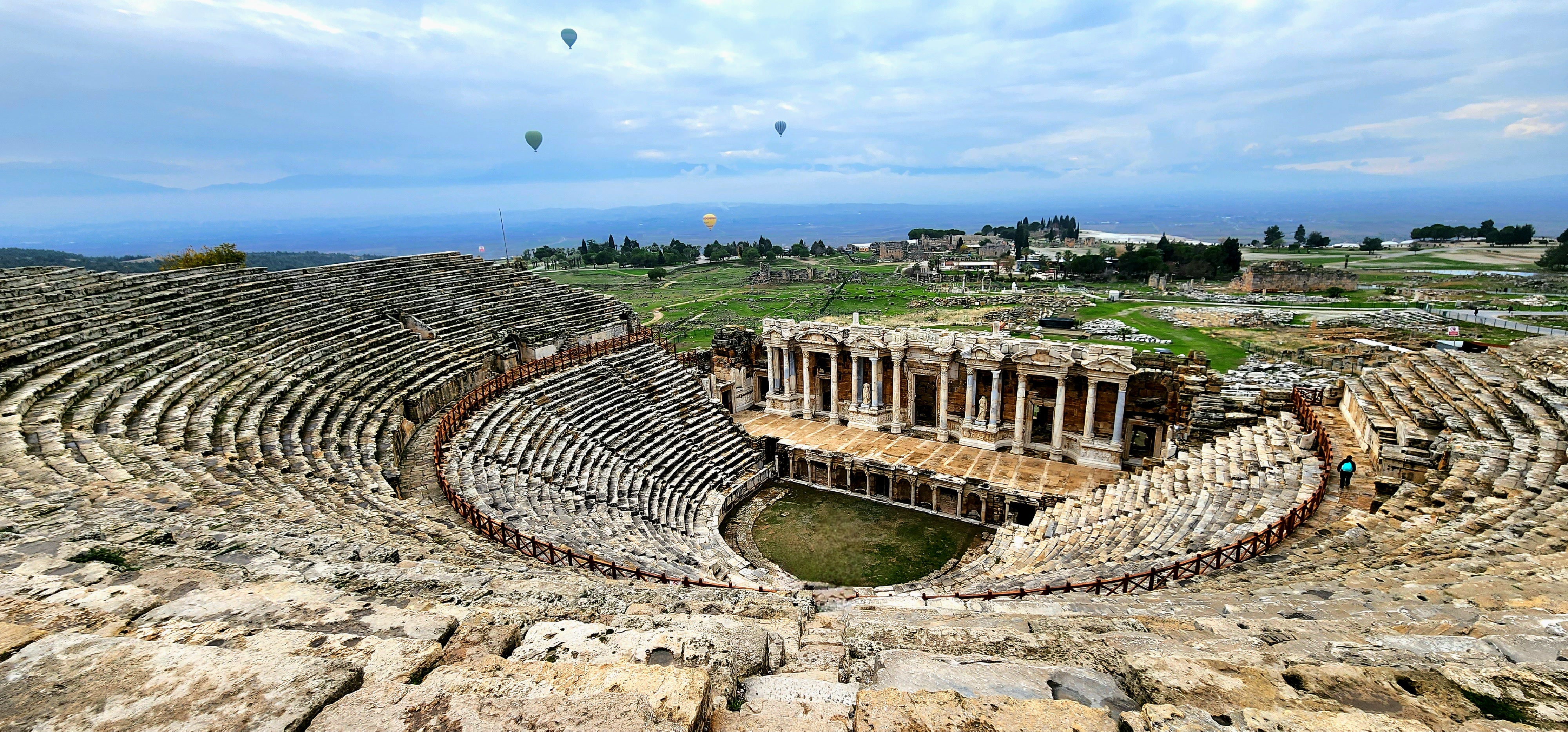
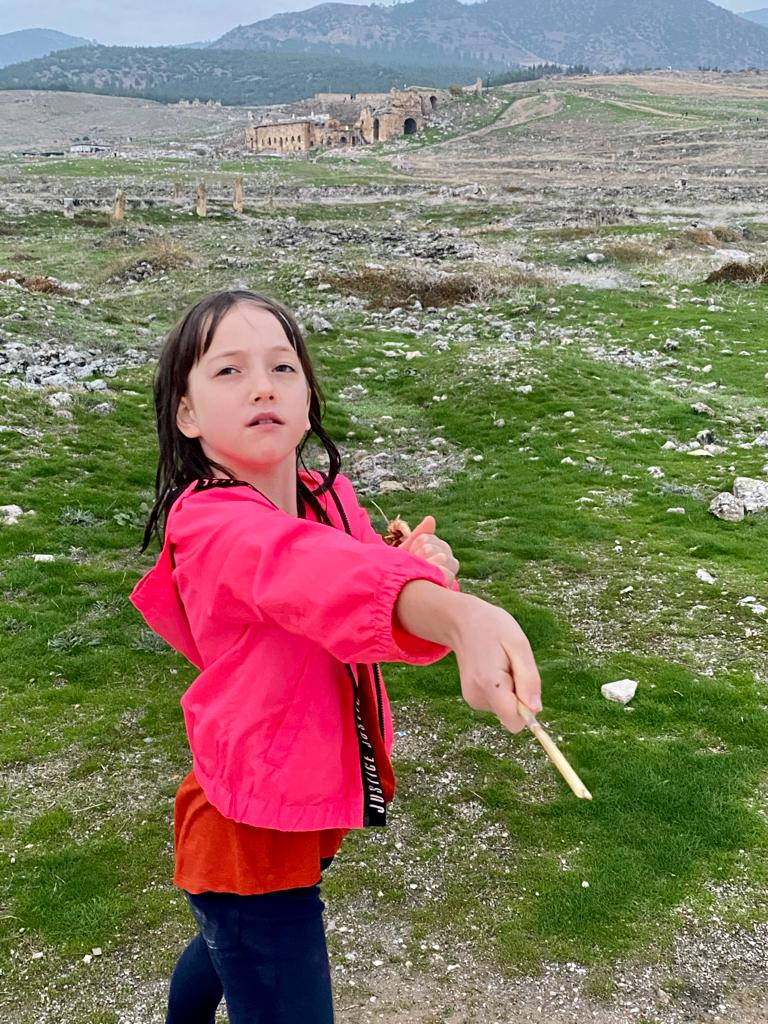
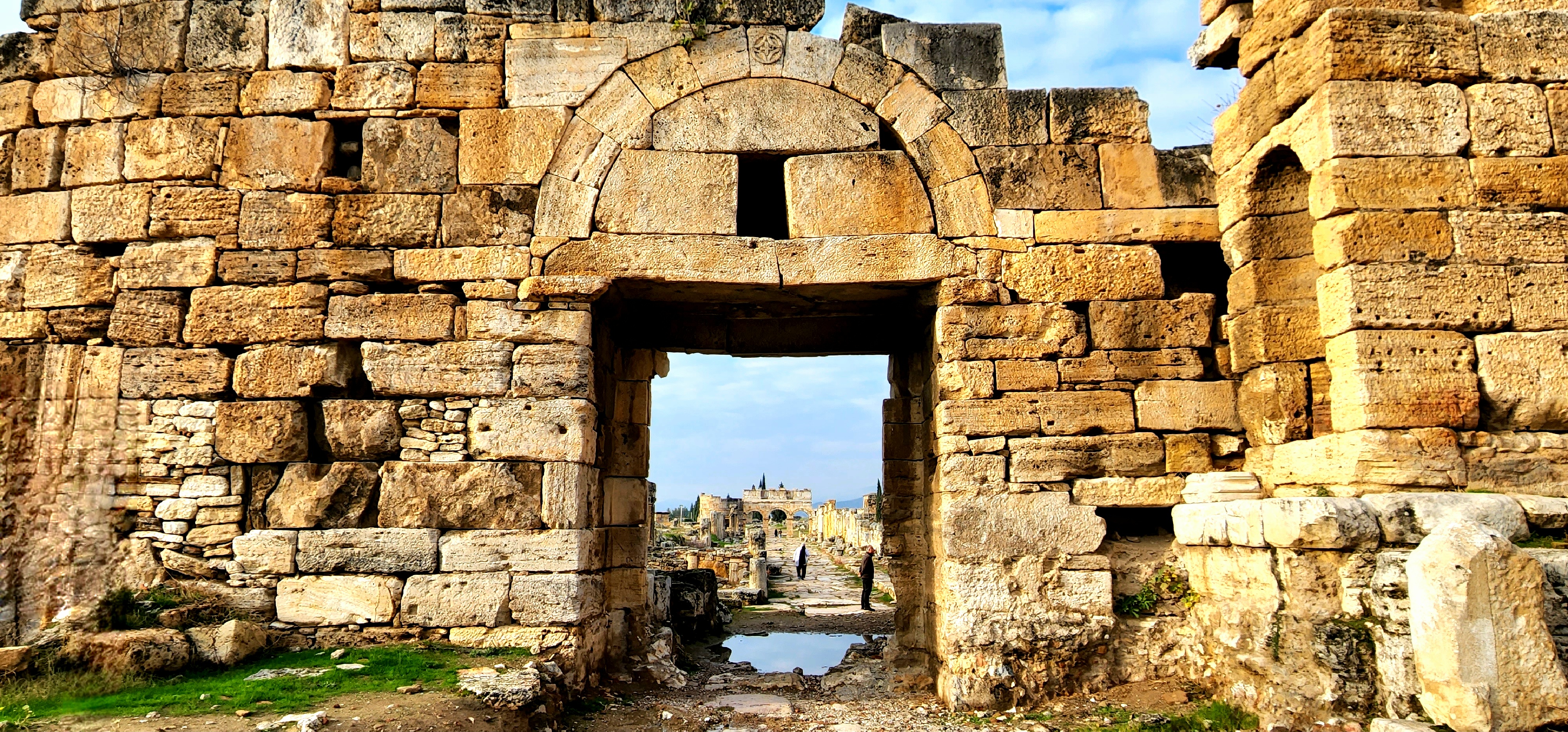
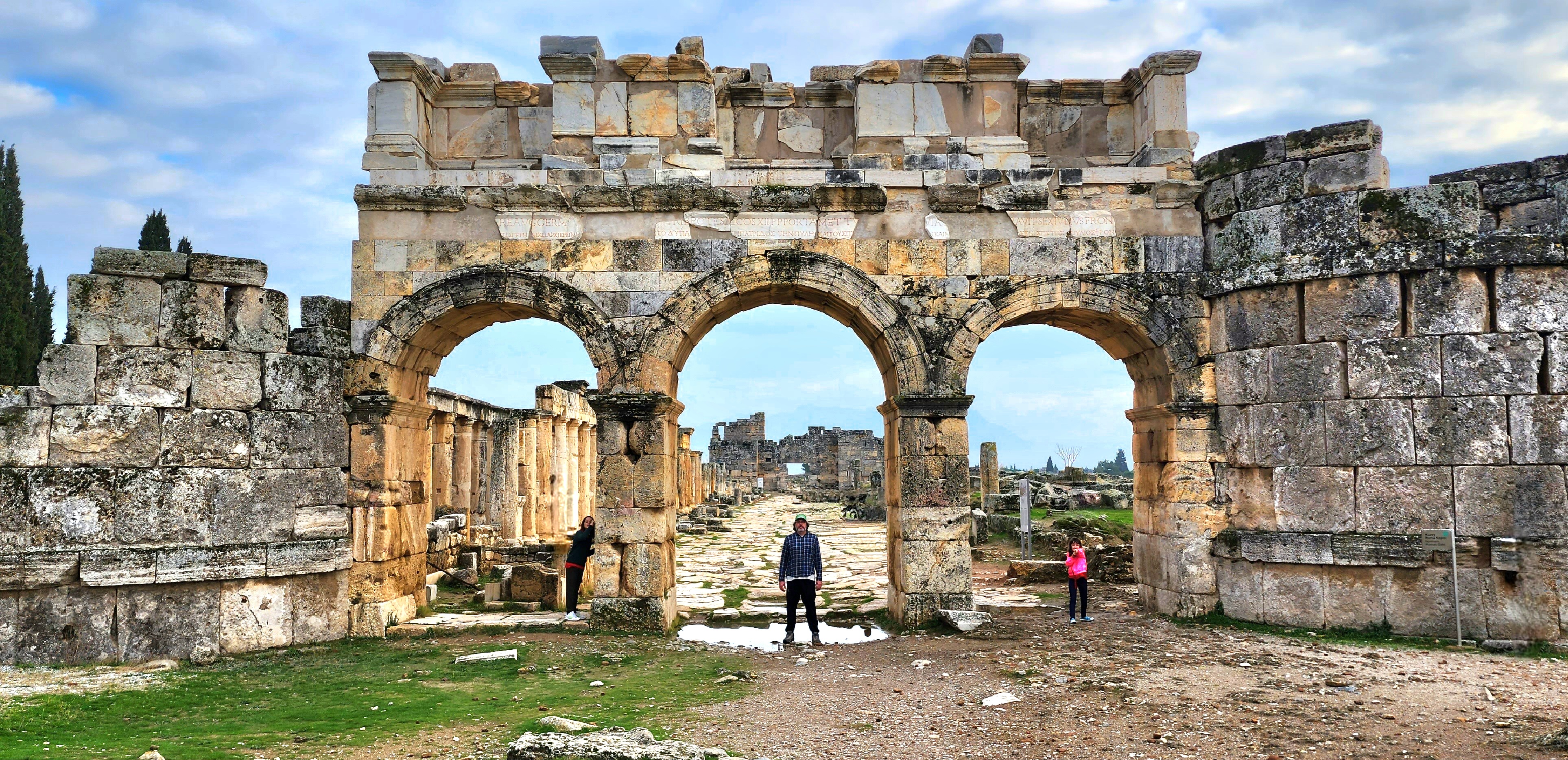
Hierapolis is the home to well-preserved Greco-Roman ruins set amidst stunning travertine terraces and thermal springs. The proximity to thermal baths made it a center for healing and relaxation over centuries. We hiked up to the theater, watching the hot air balloons drifting nearby, and then explored the extensive ruins of the city. Seeing the balloons heading skyward, Alden had no regrets that our balloon ride in Cappadocia had been canceled.
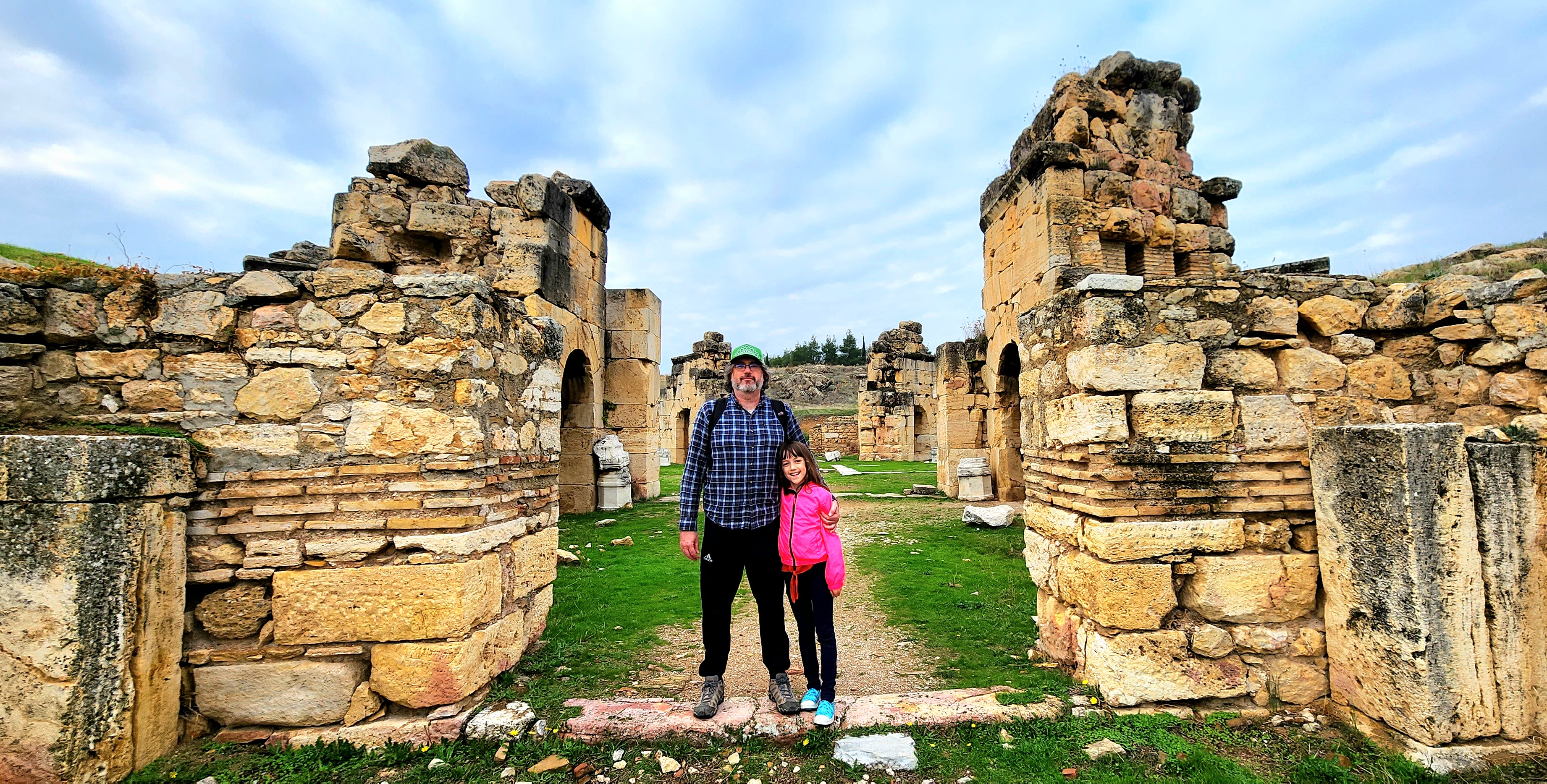
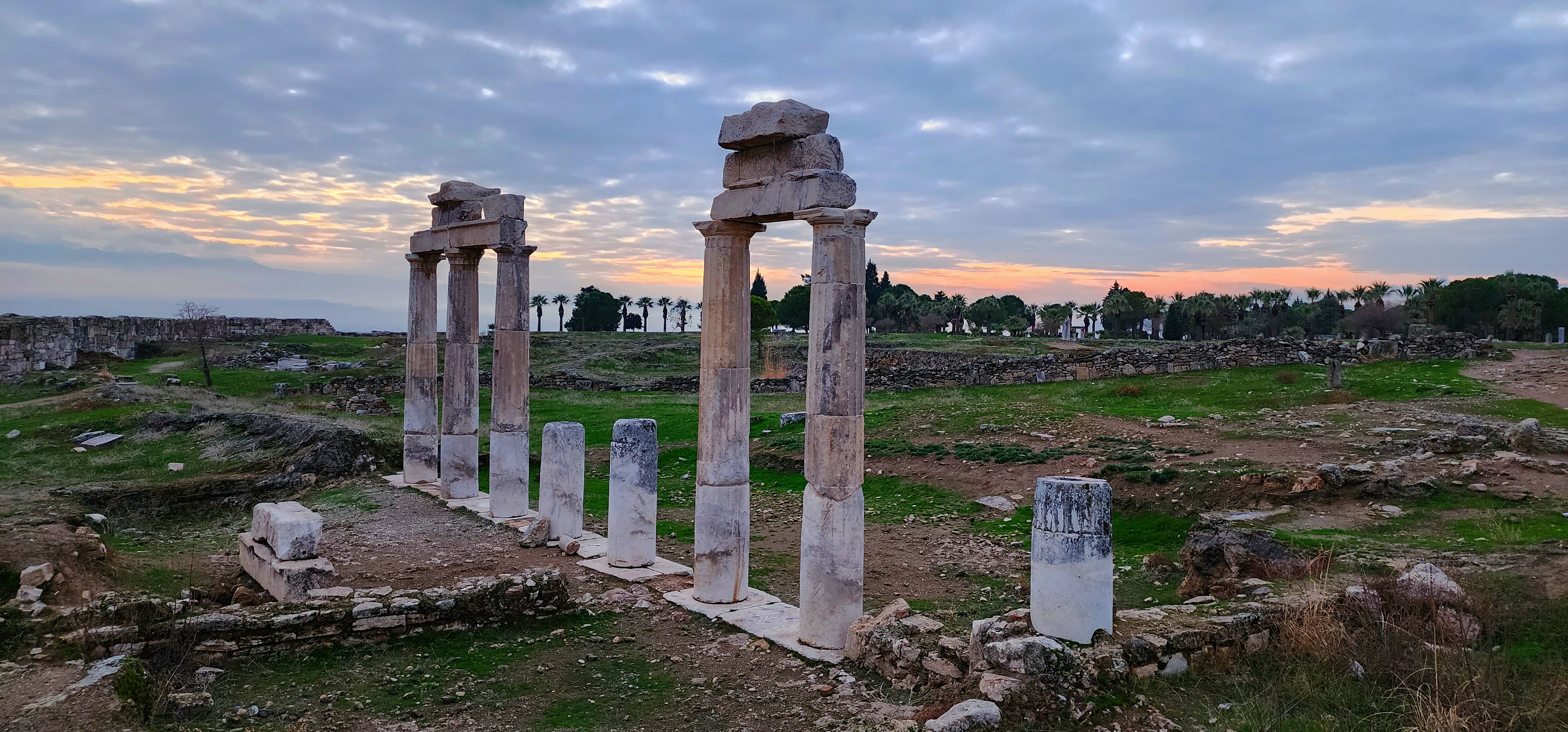
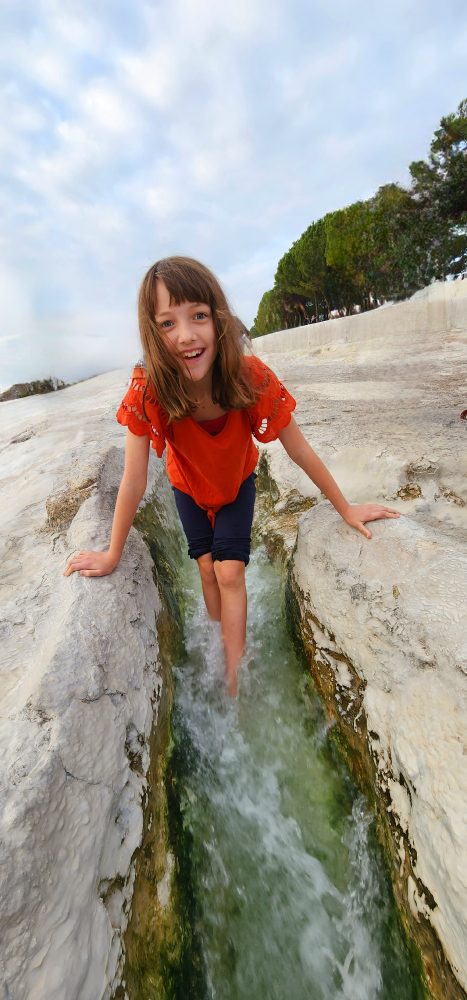
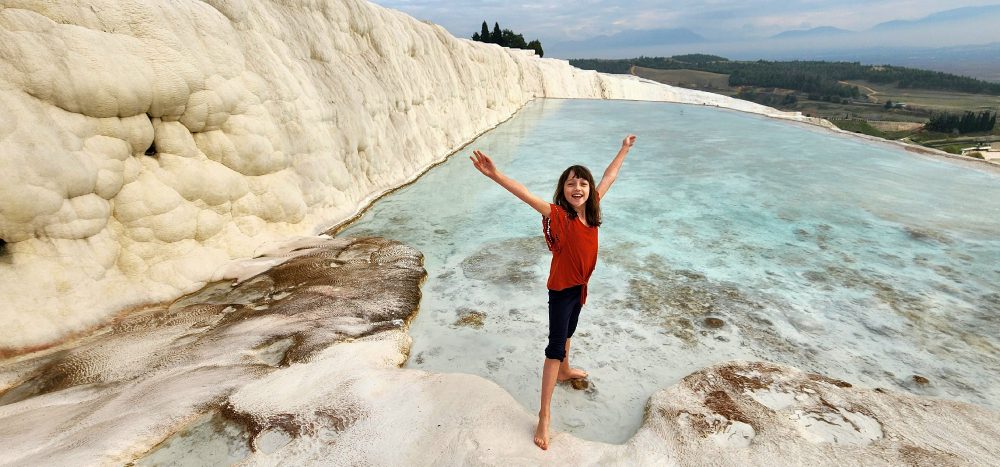
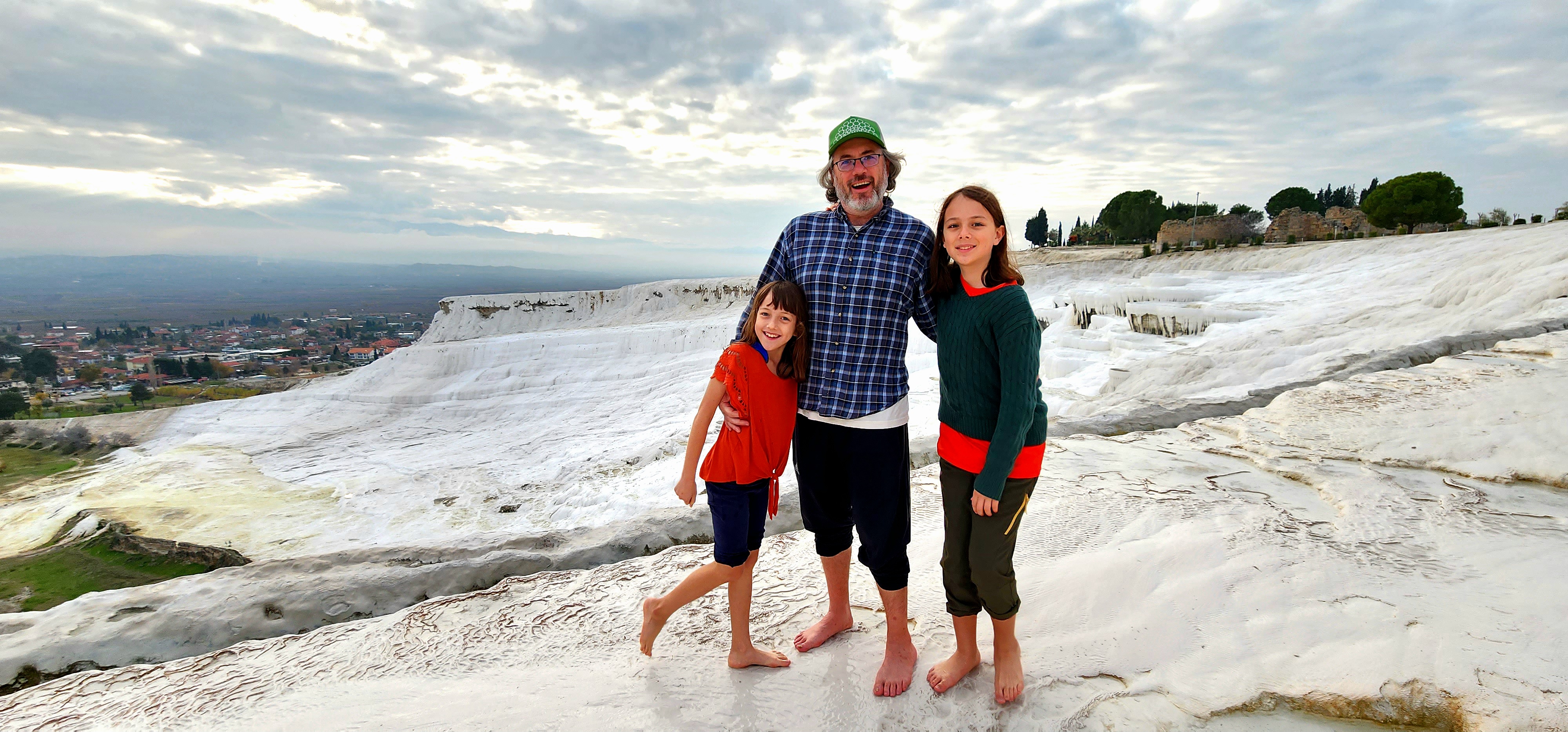
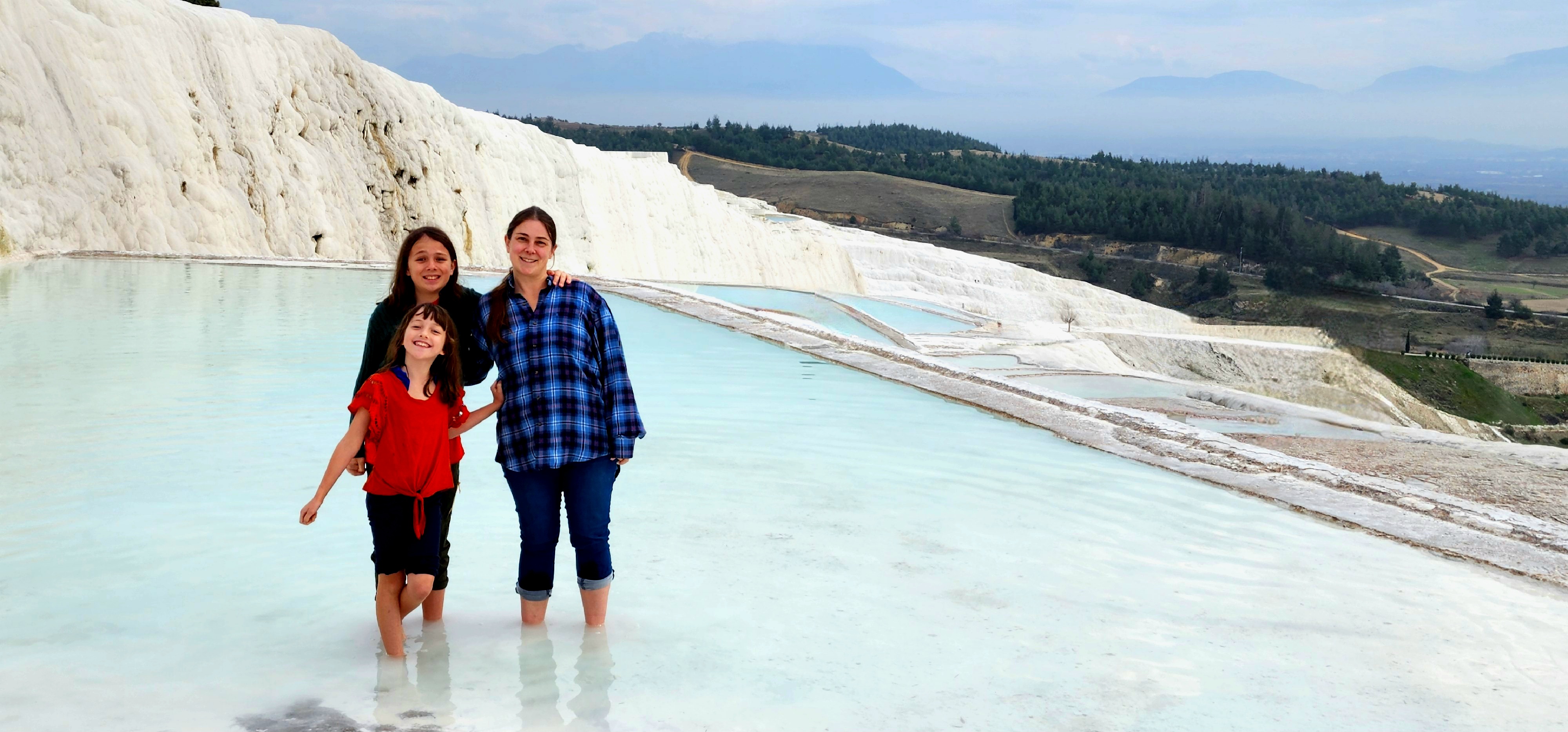
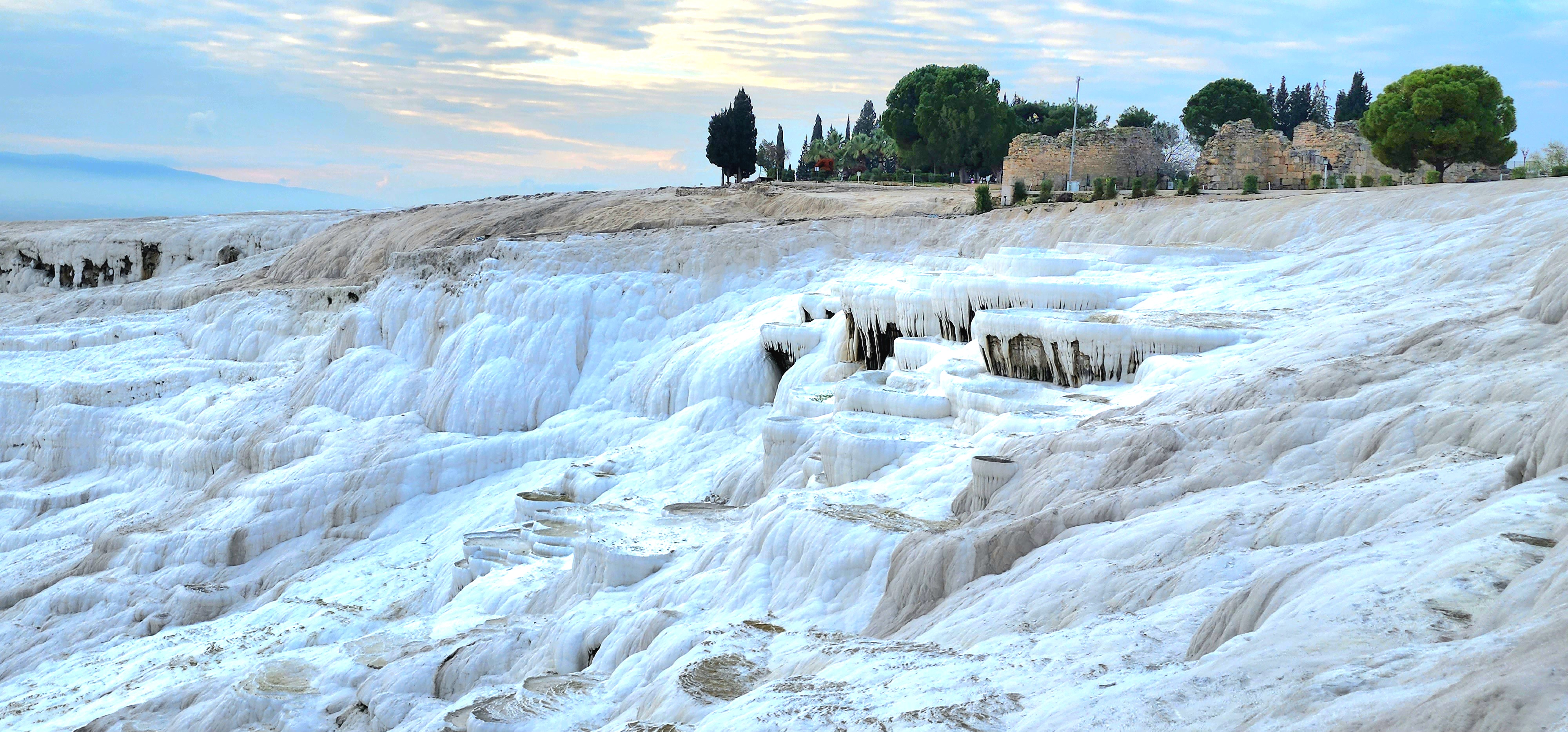
We saw only a handful of other tourists at the ruins, but afterward, we rejoined the masses at the stunning travertine terraces. The calcium-rich waters of the spring have created the terraces, which gave Pamukkale its name, “the Cotton Castle.” To preserve the terraces, visitors are required to walk barefoot along the terraces and into the turquoise pools. There were vendors offering photoshoots in angel wings and lots of people posing in the cool pools and then warming their toes in the thermal stream. I again enjoyed the powers of my phone’s object eraser. We finished off an amazing day with a soak in the effervescent thermal springs in what is nicknamed “Cleopatra’s Pool,” as it is rumored to have been built by Marc Antony for Cleopatra. It was destroyed in an earthquake that toppled the surrounding columns, which are now resting in the pool and were so cool to see during our soak.
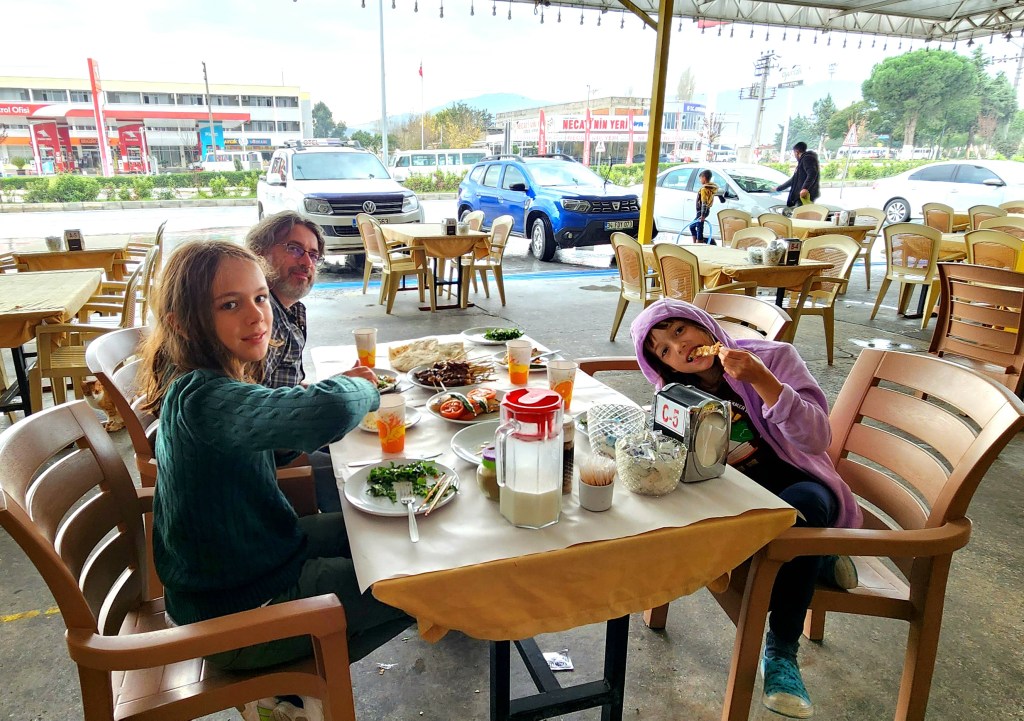
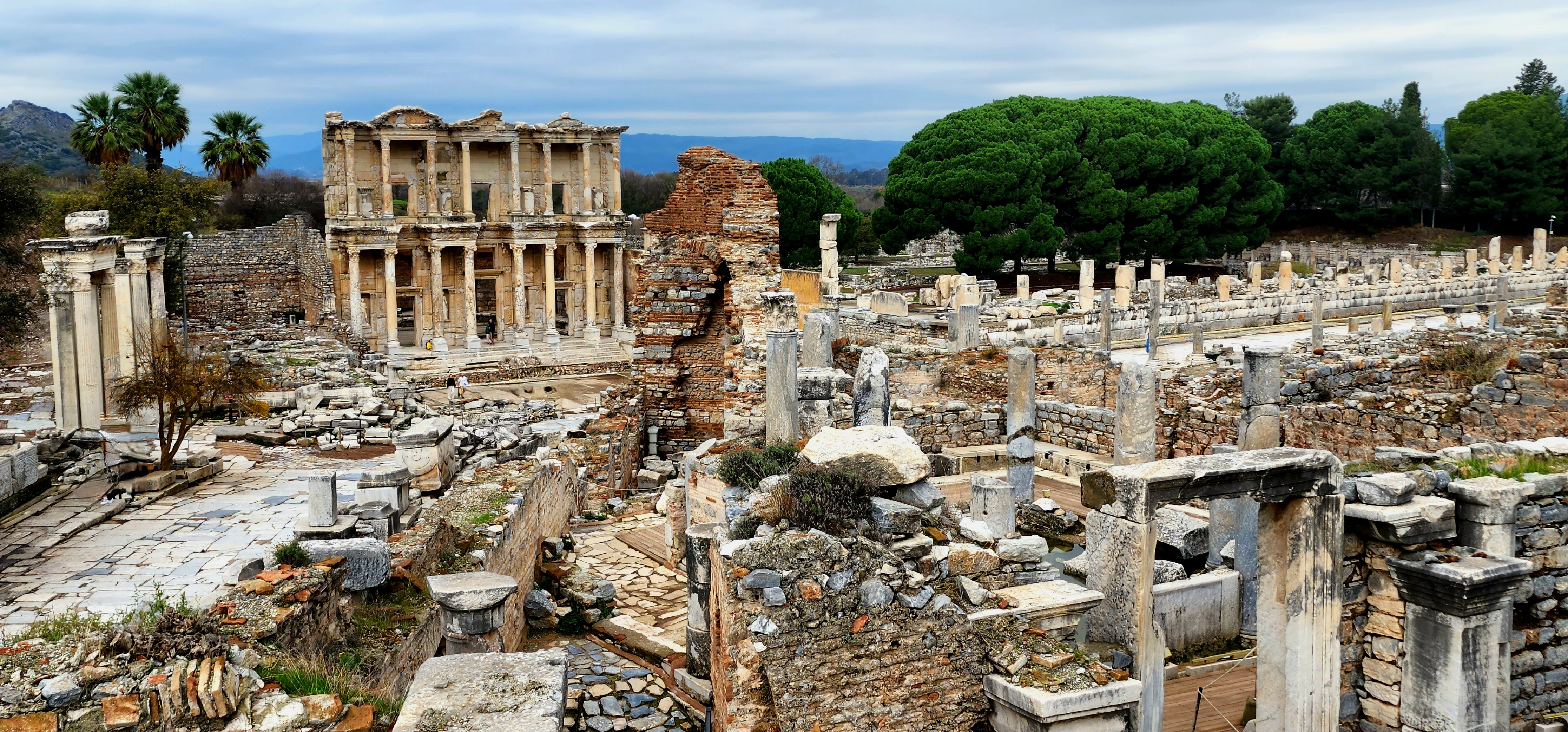
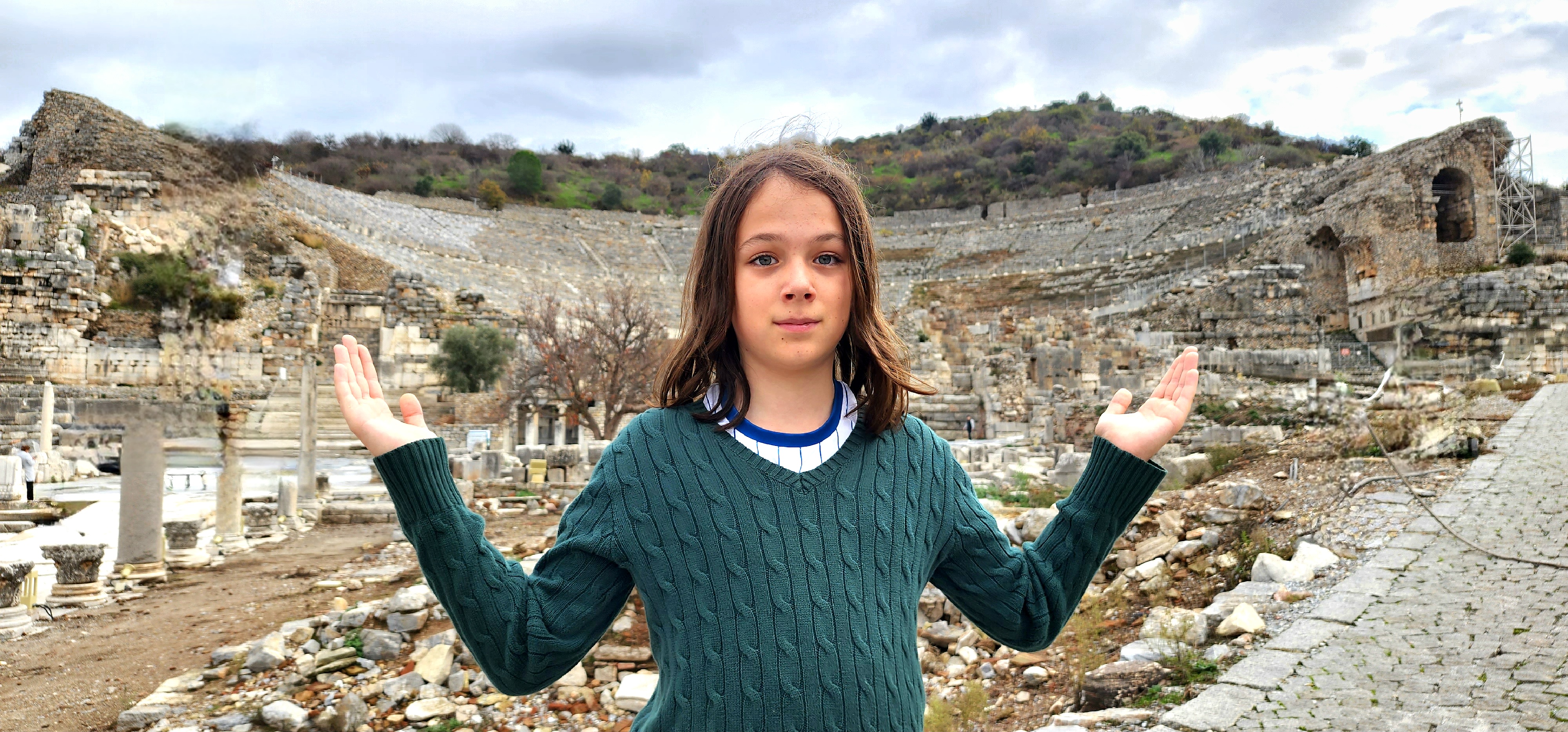
The next day we headed to the ruins of the ancient city of Ephesus, a Greek port city that later became an important city in the Roman Empire. Before visiting the site we stopped for a quick lunch at a roadside grill- meat skewers, freshly baked bread, salad, ayran drink, all served at the table in the open-air restaurant. Partway through our meal, we noticed that a boy was washing our car!
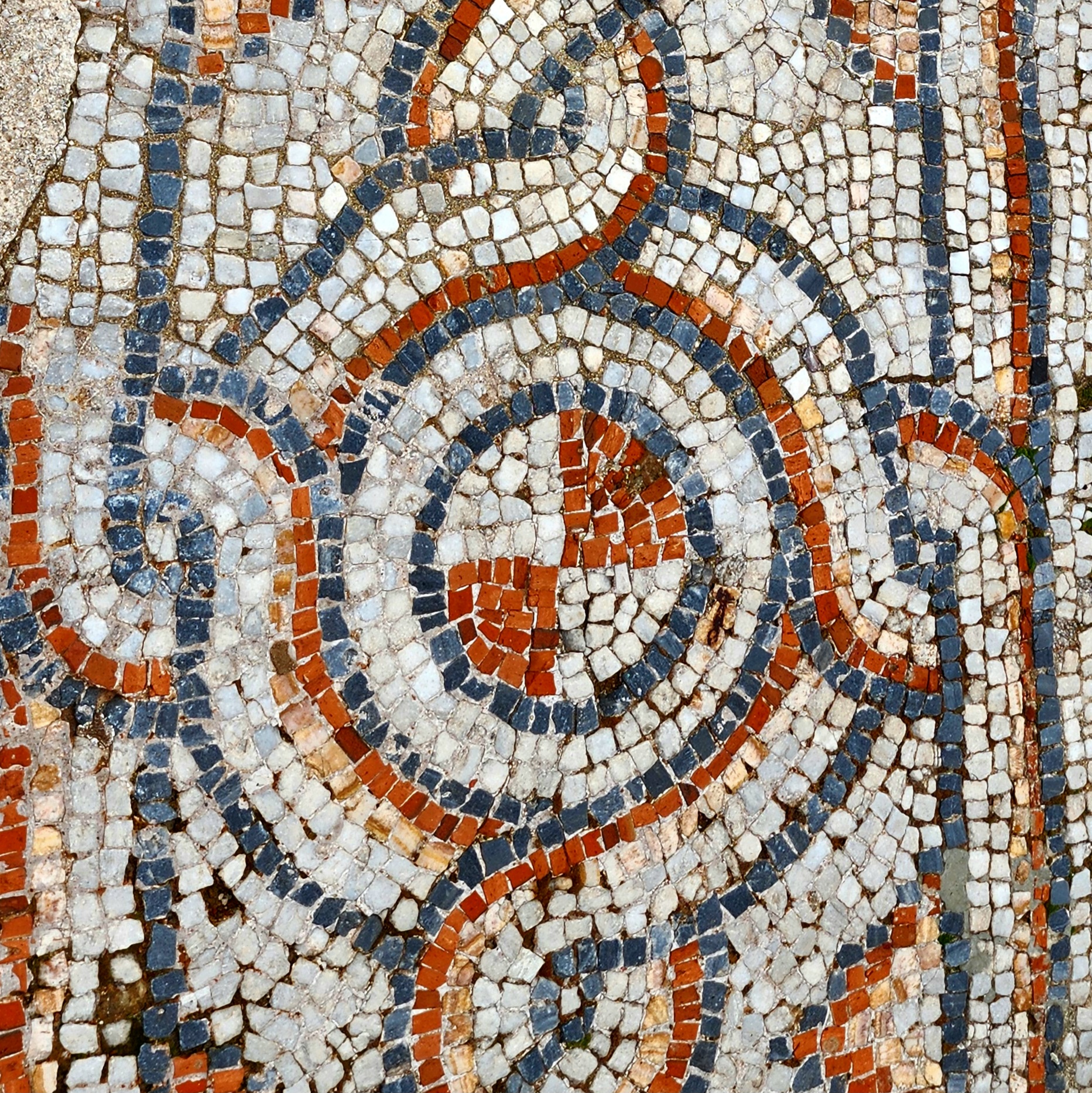
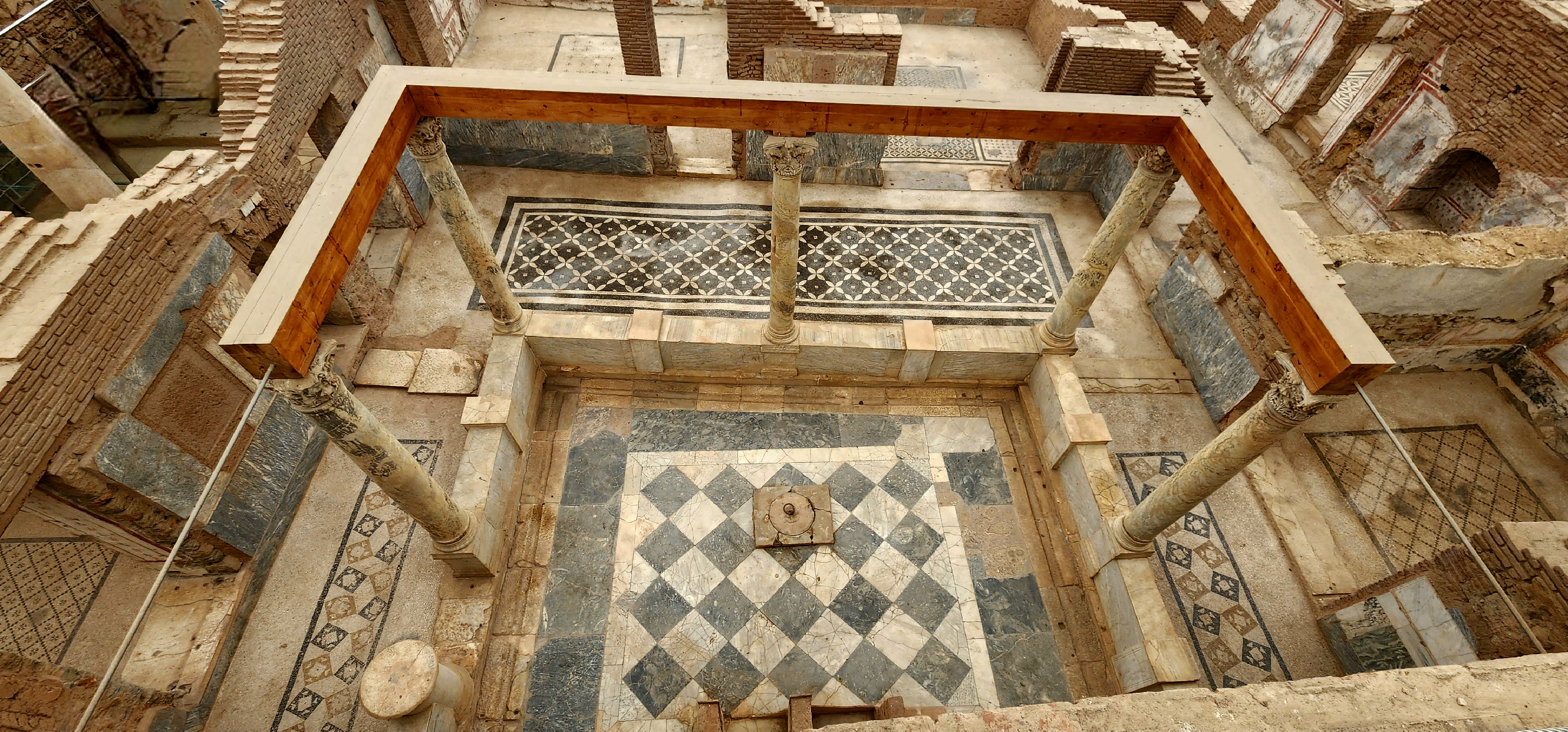
At Ephesus, we were particularly intrigued by the terrace houses, a cluster of luxury villas with beautifully restored mosaics and wall paintings. The villas were inhabited between the 1st and 7th century AD.
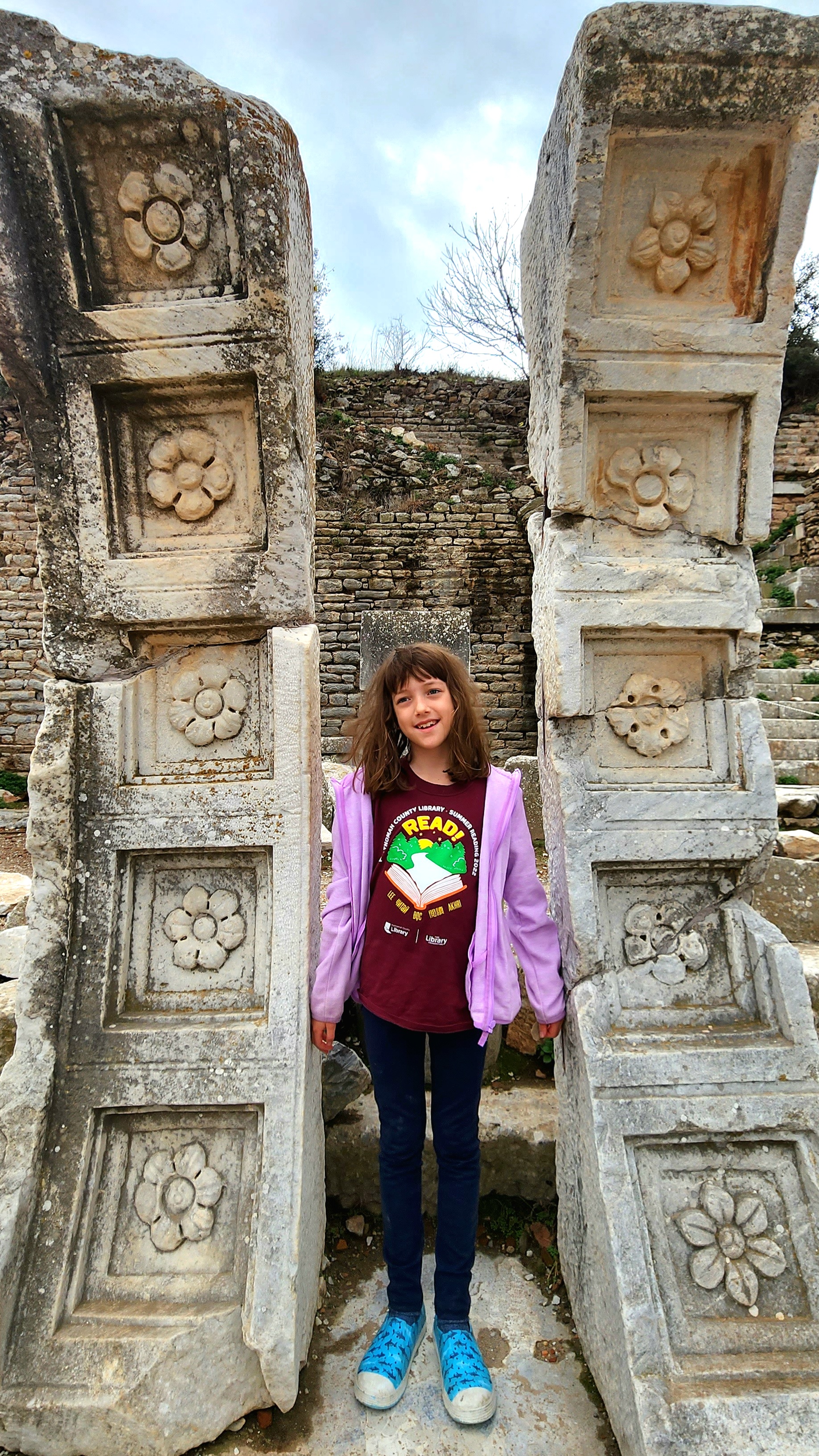
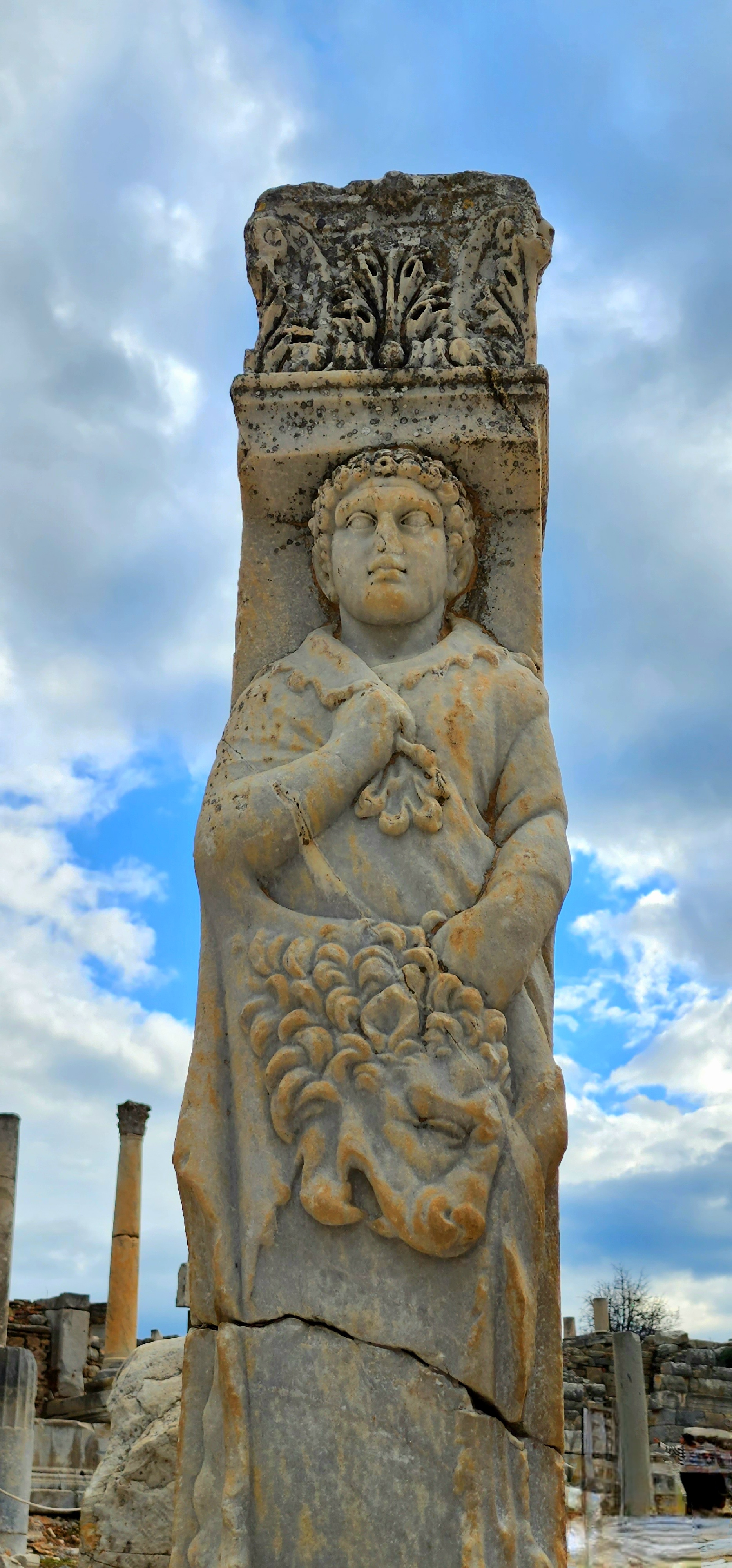
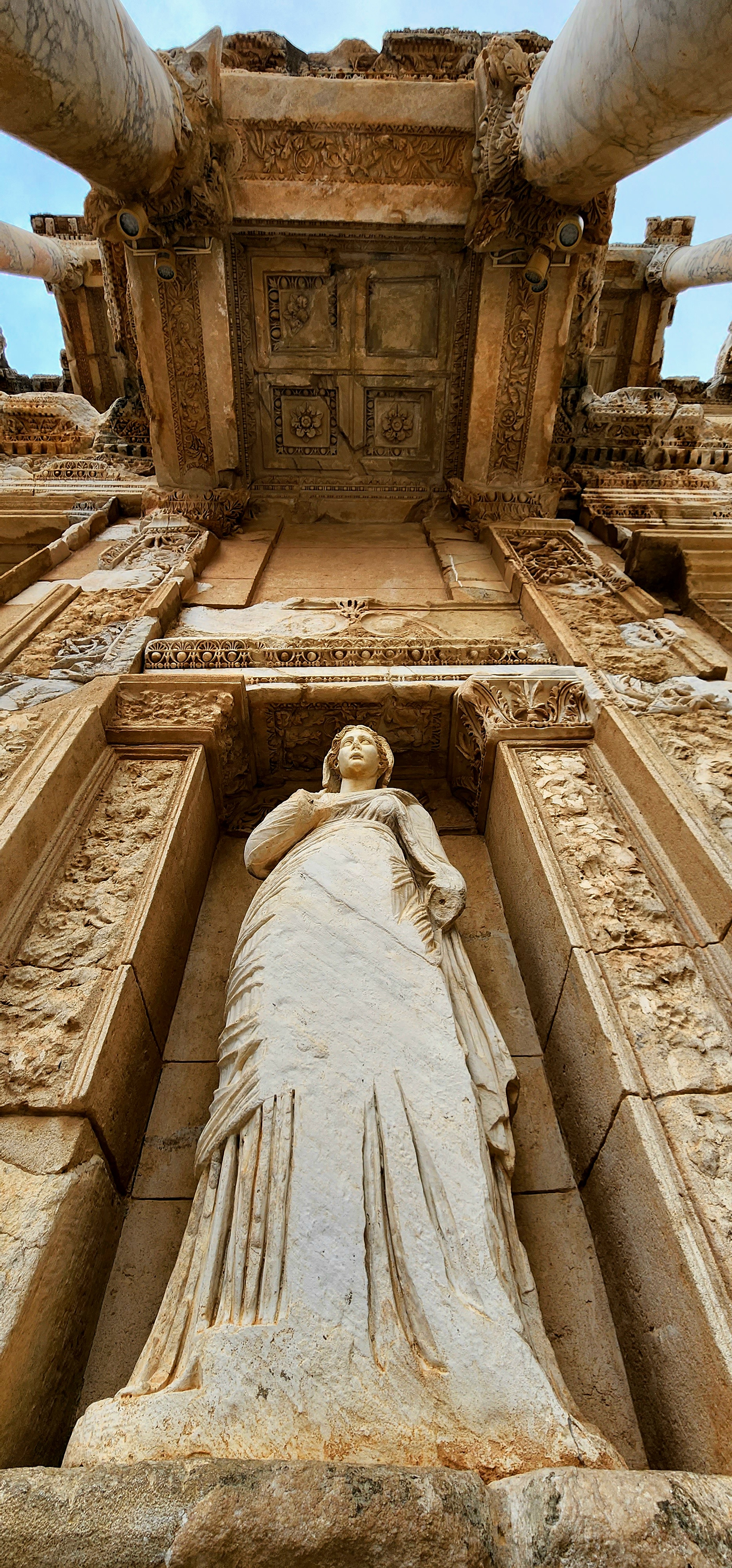
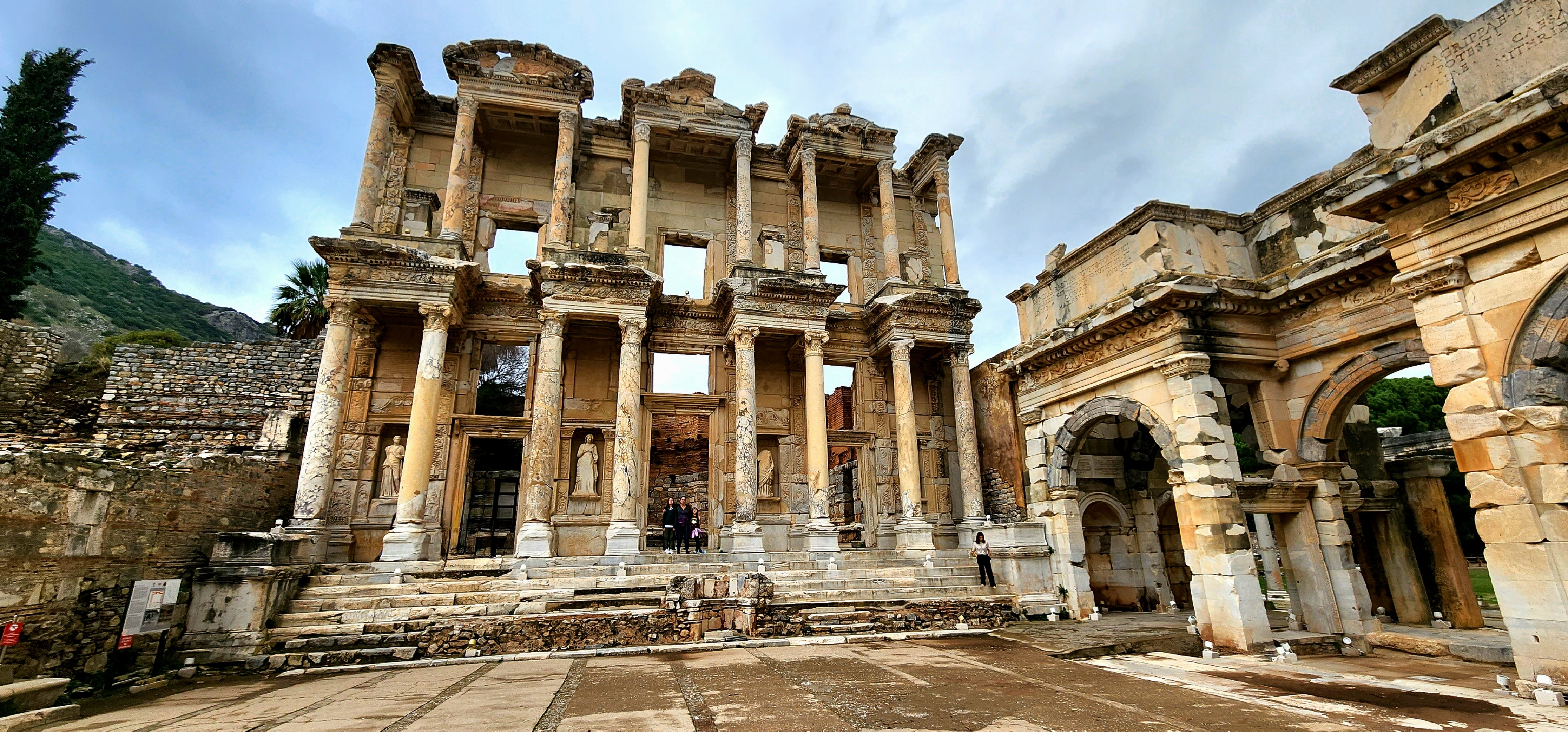
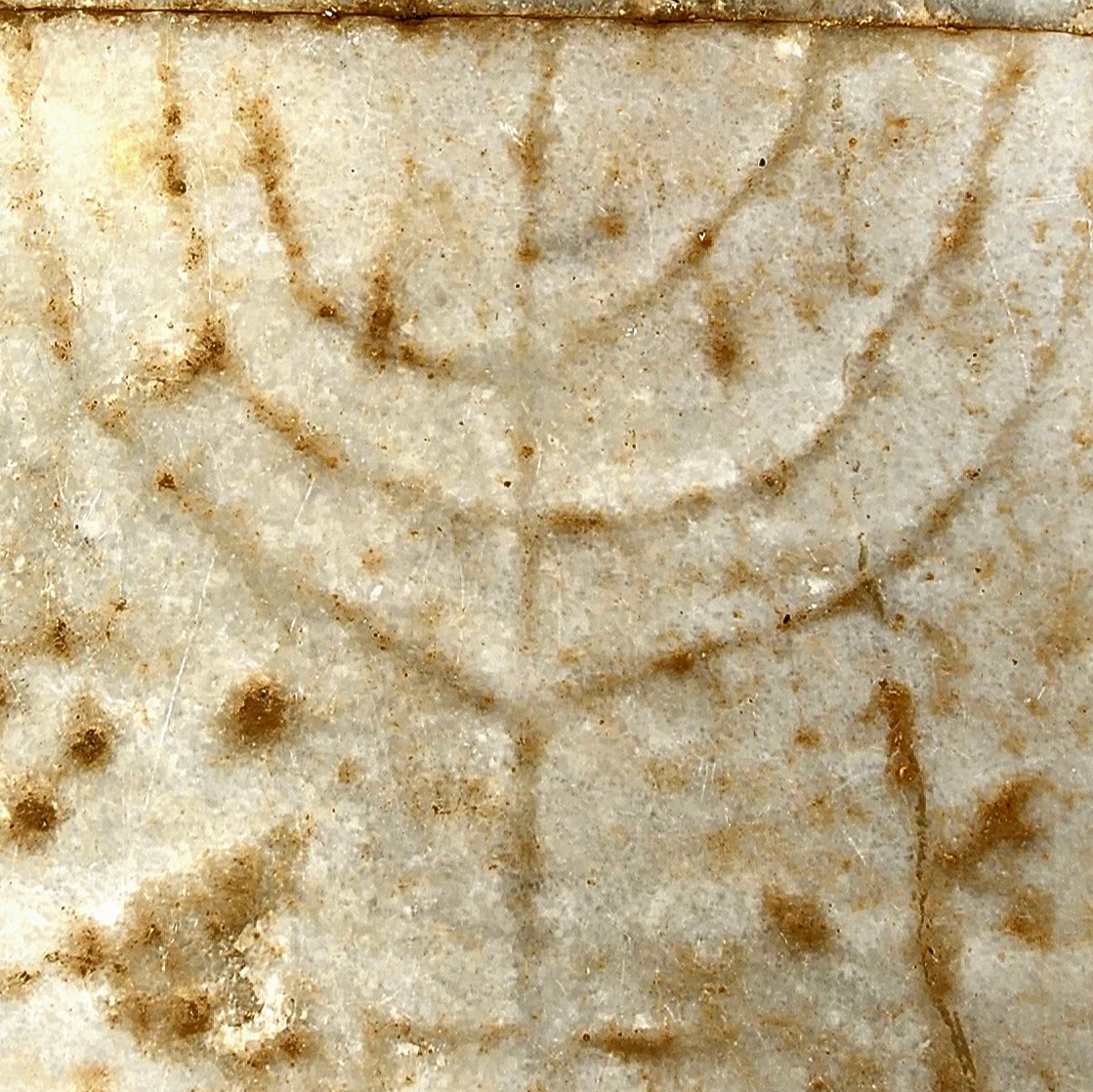
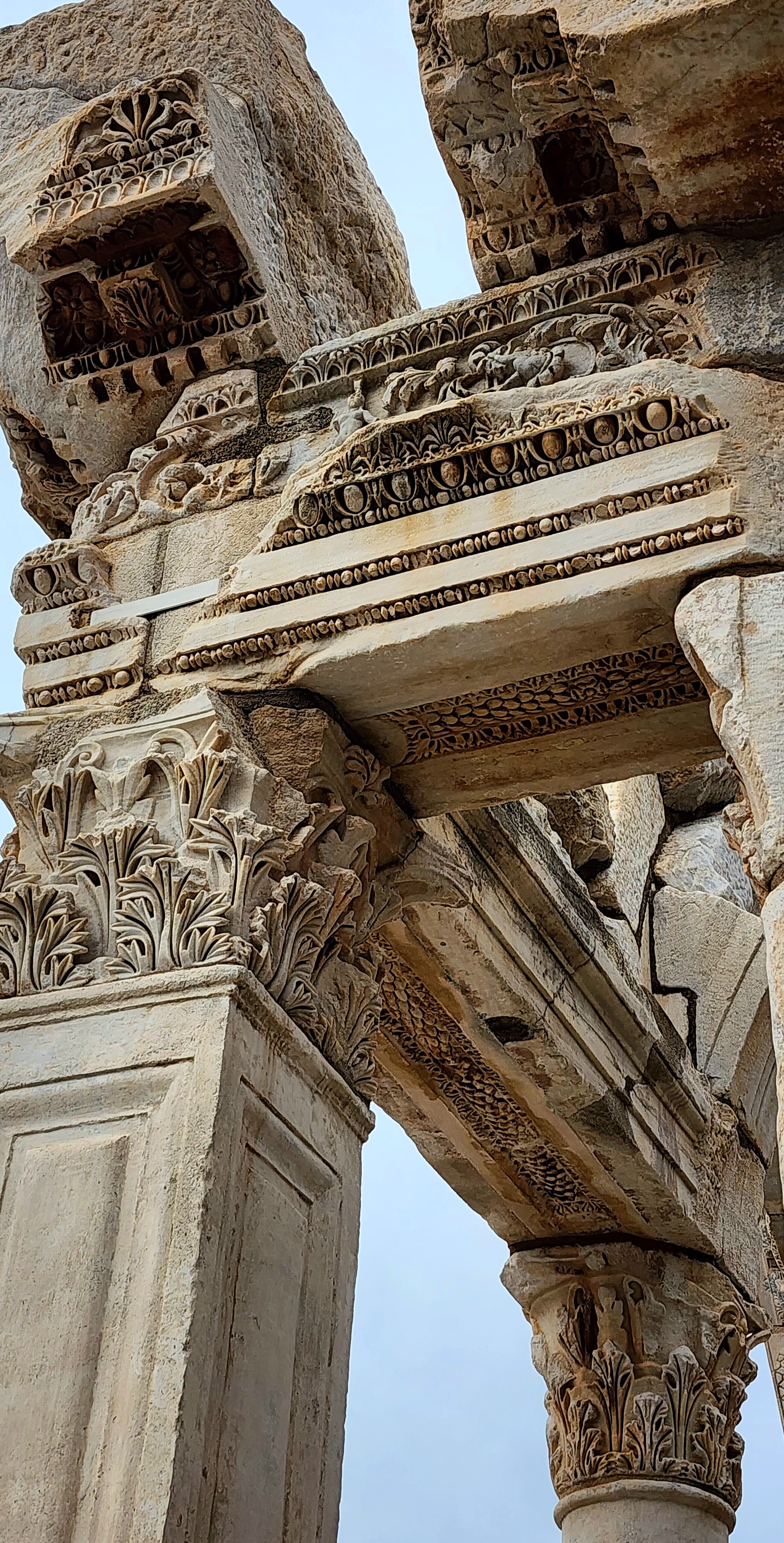
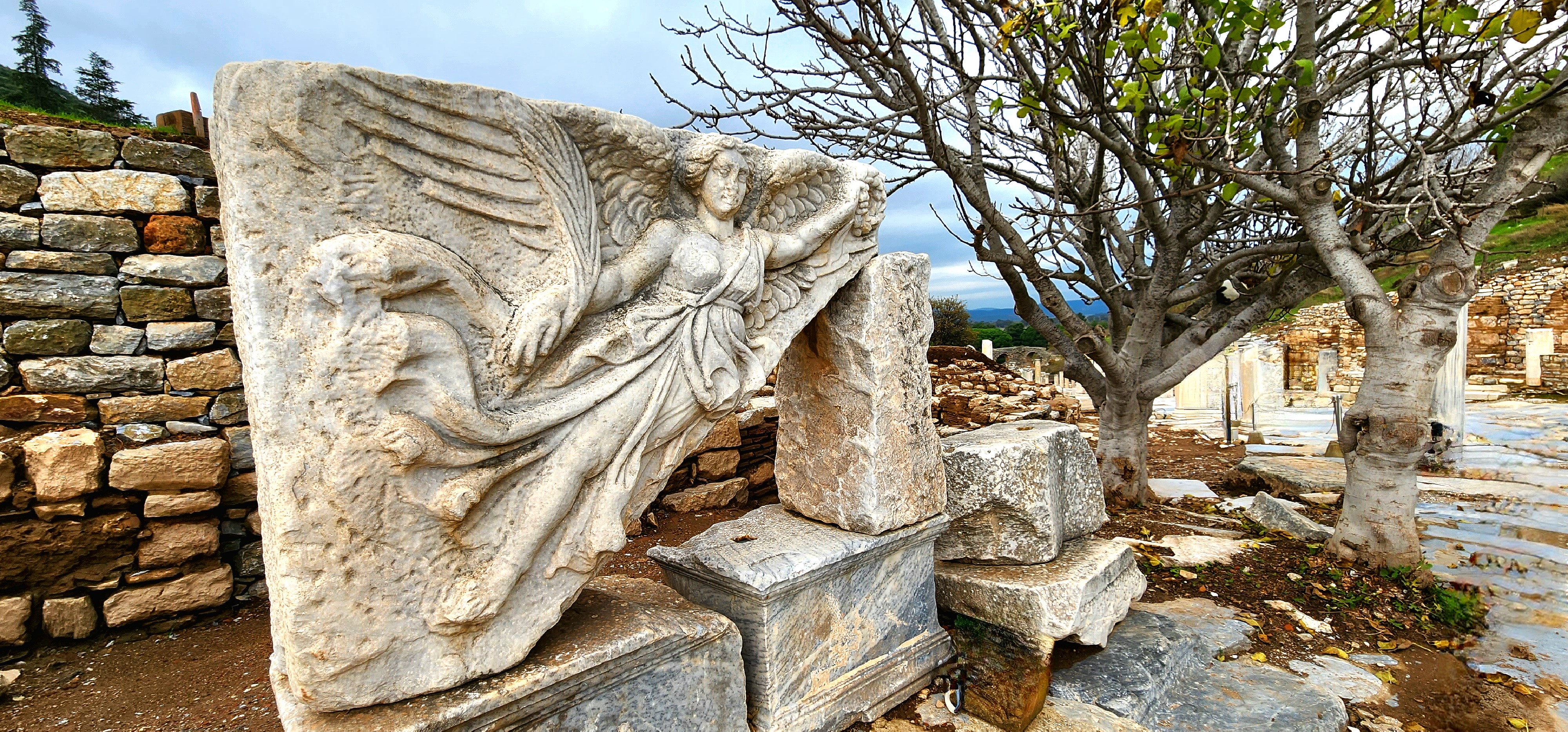
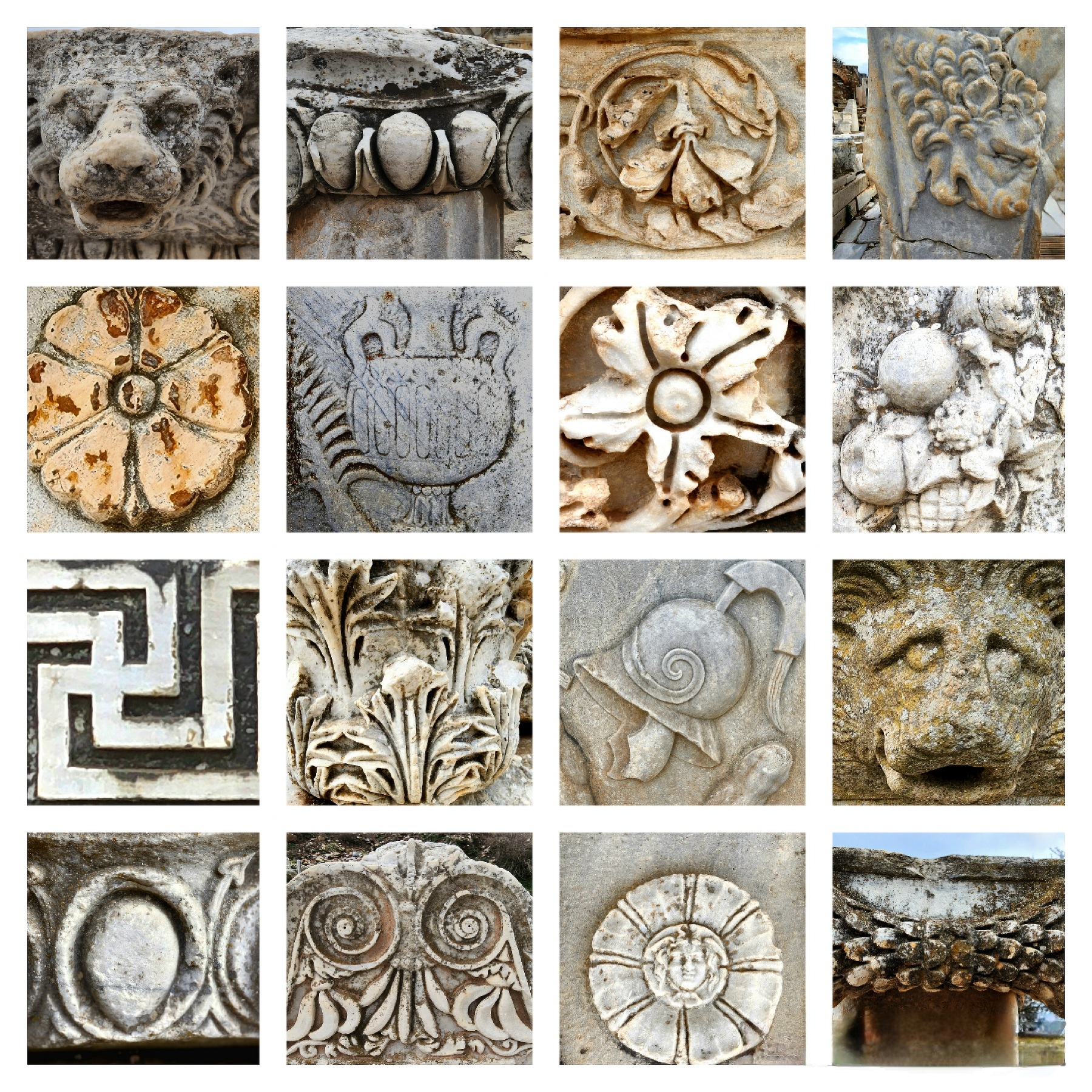
The carvings on the Temple of Hadrian and the Library of Celsus were particularly impressive, but we found interesting carvings throughout the site. On the steps of the library was an etching of a menorah, a symbol of the Jewish community in Ephesus. The reasons for the placement of the symbol are uncertain.
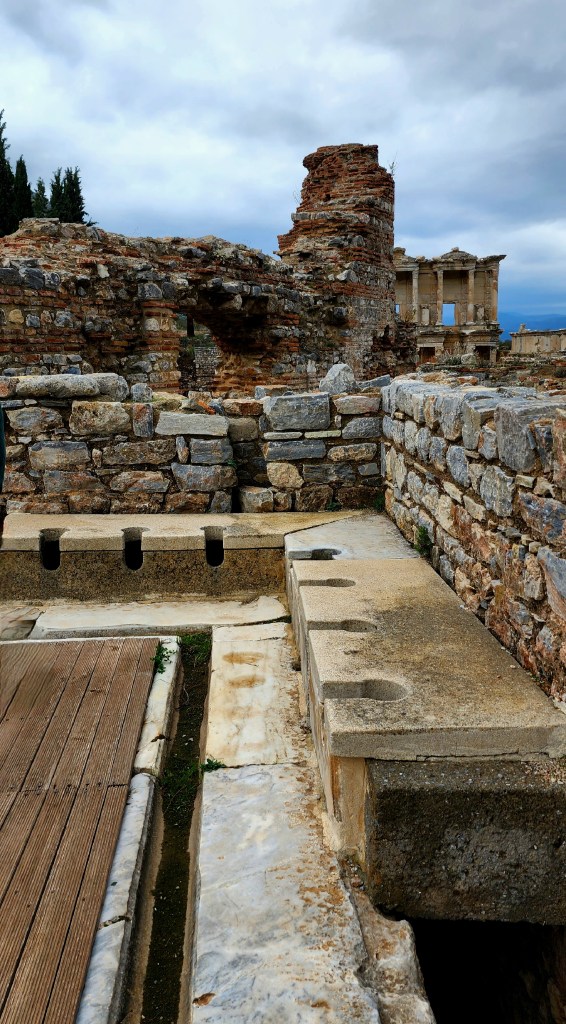
Seeing the public latrines made us appreciate the improved privacy of today’s public bathrooms!
Our last night in Turkey was in Izmir where we stayed in the center of the Kemeralti market, a bustling and expansive market full of pretty much anything you could imagine. The market has been in this location since the 17th century and sells a myriad of goods. Hidden within the market are mosques, synagogues, courtyards, murals, and even a caravanserai.
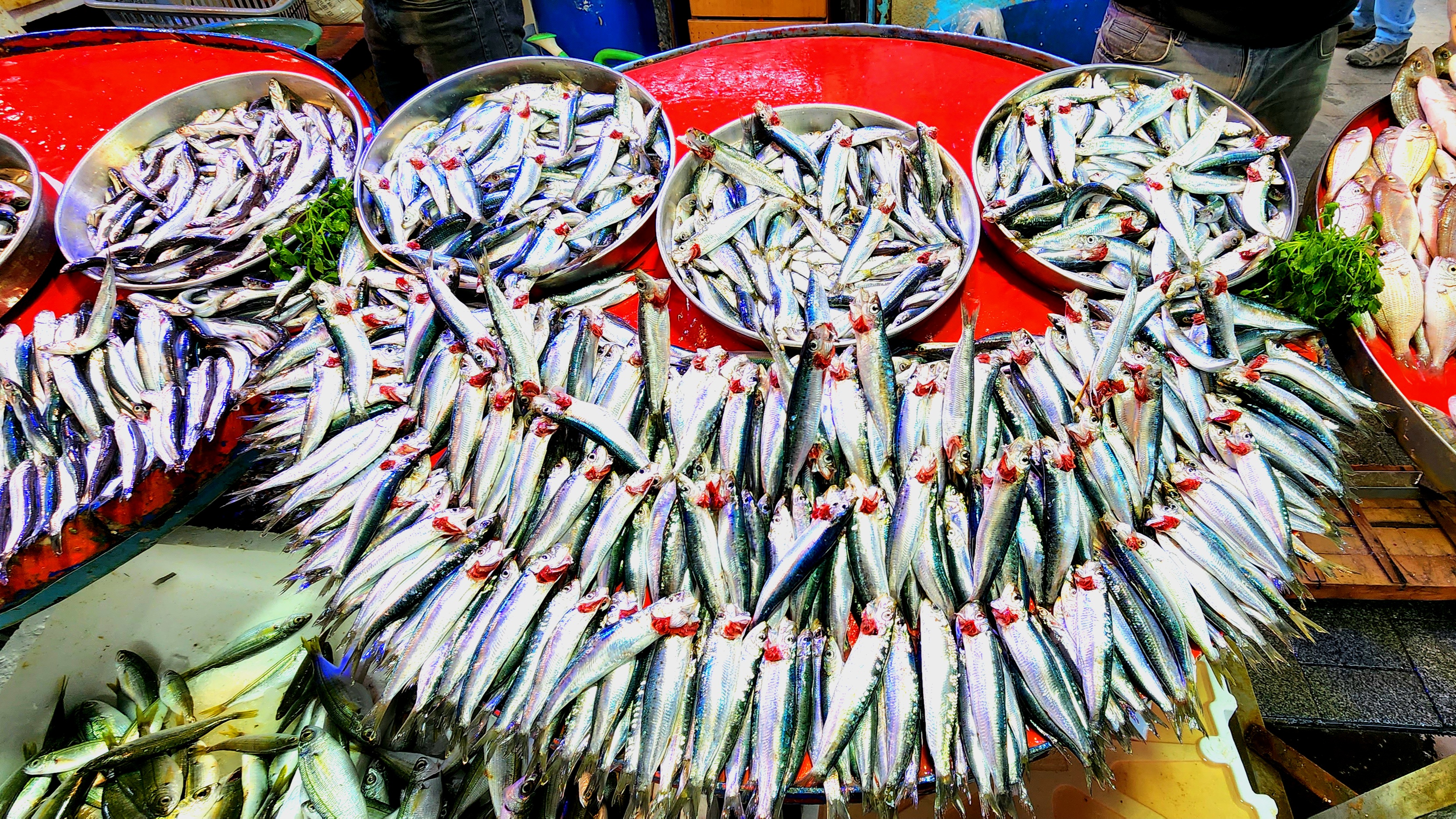
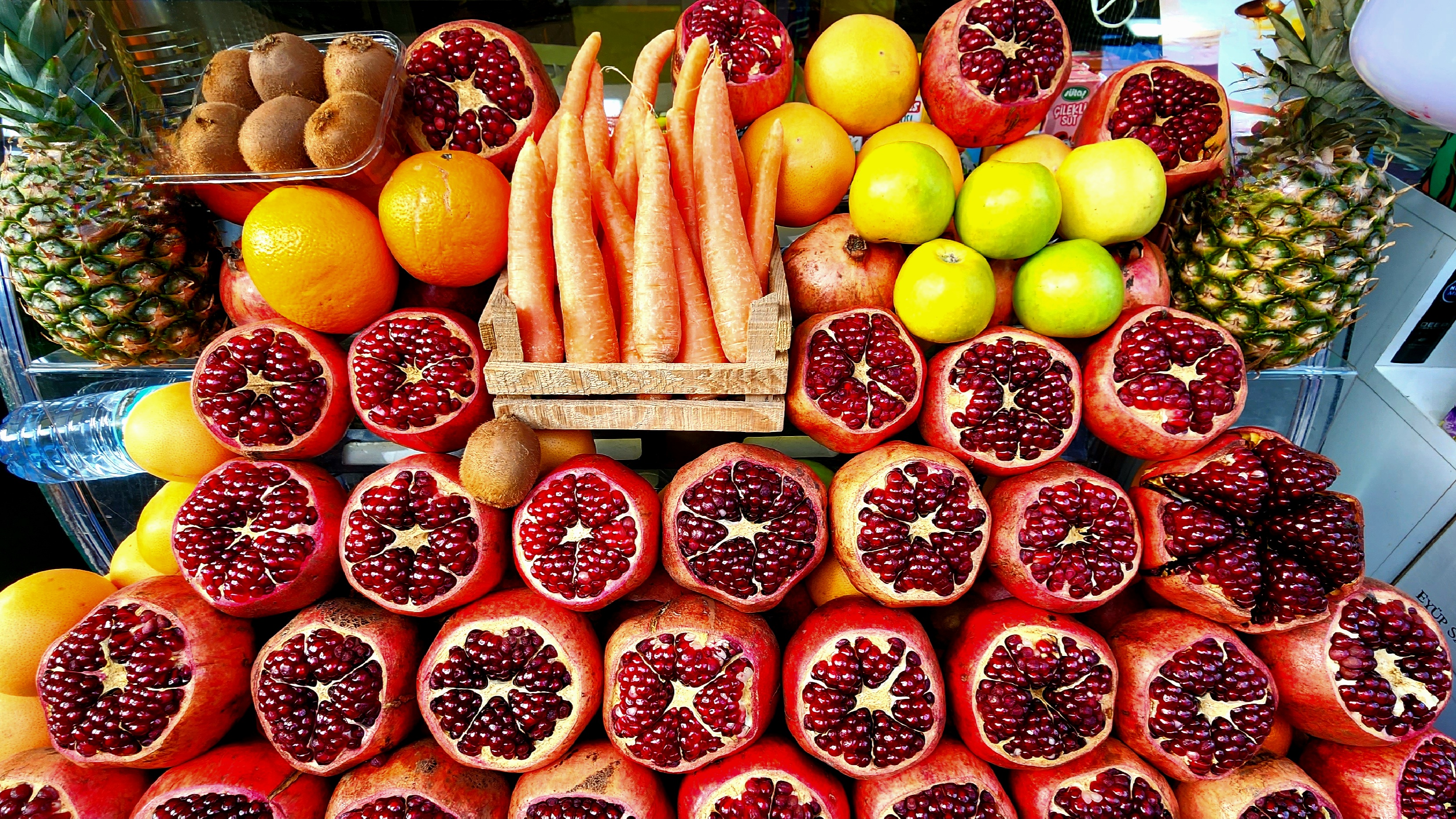
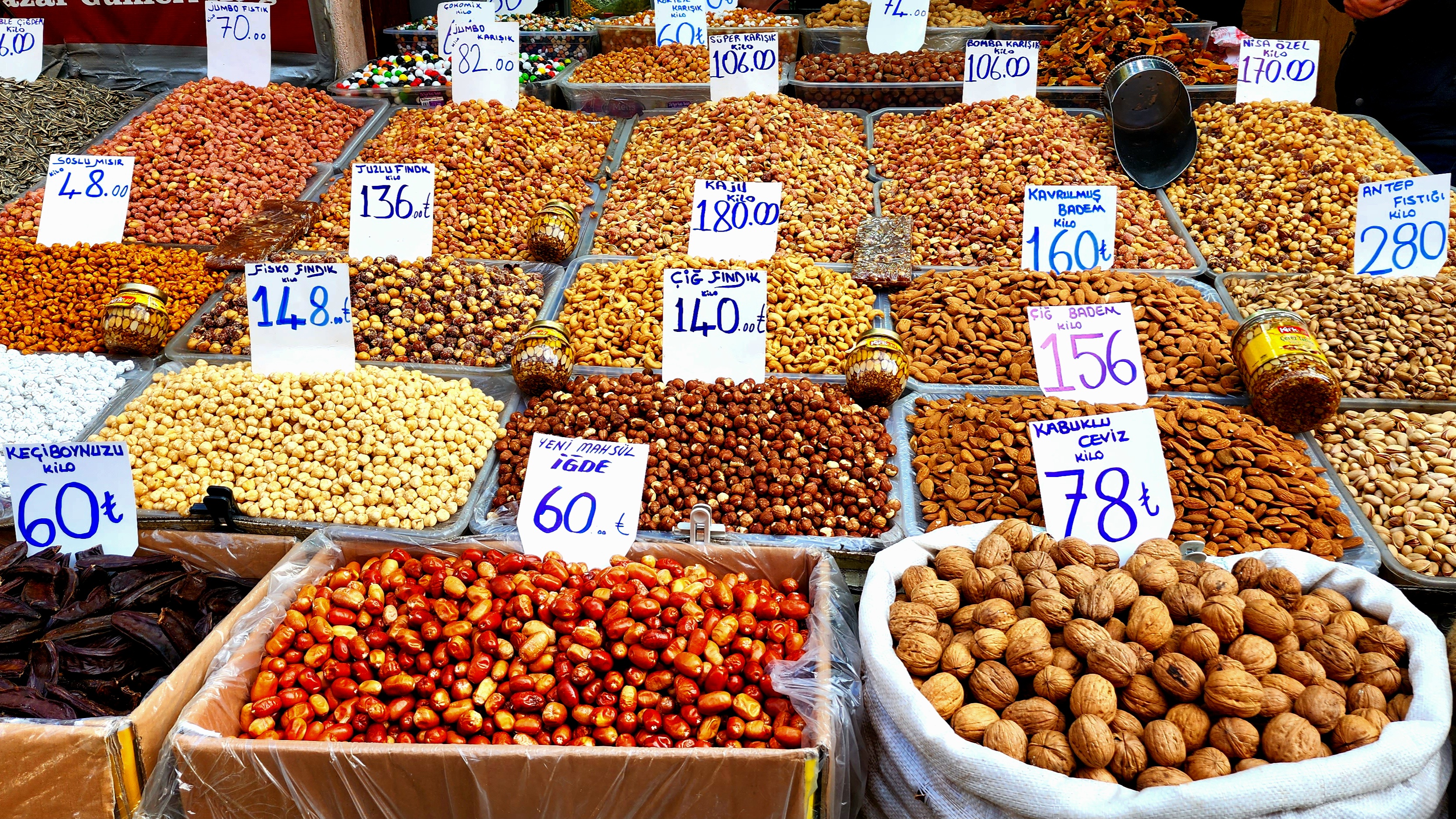
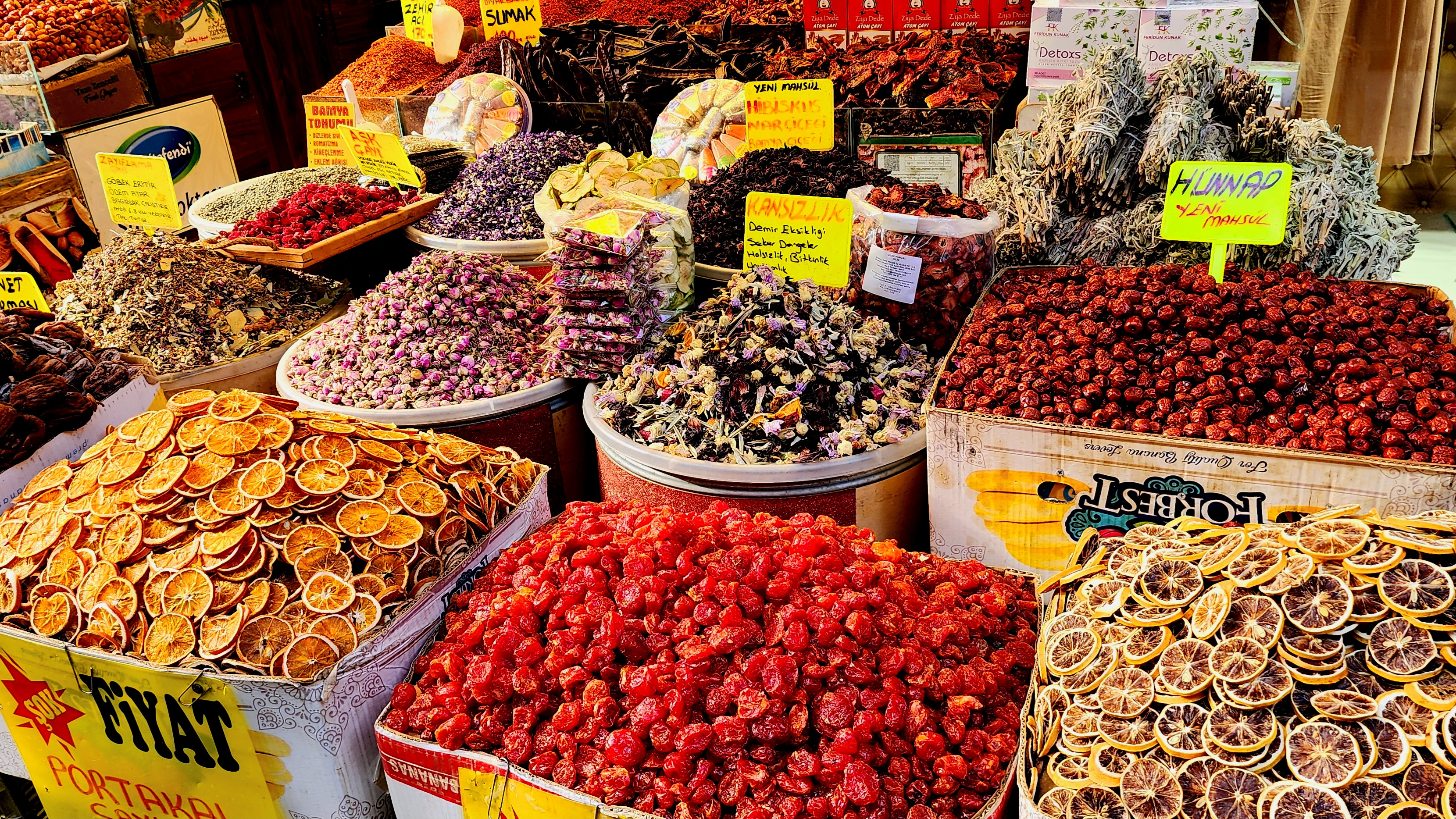
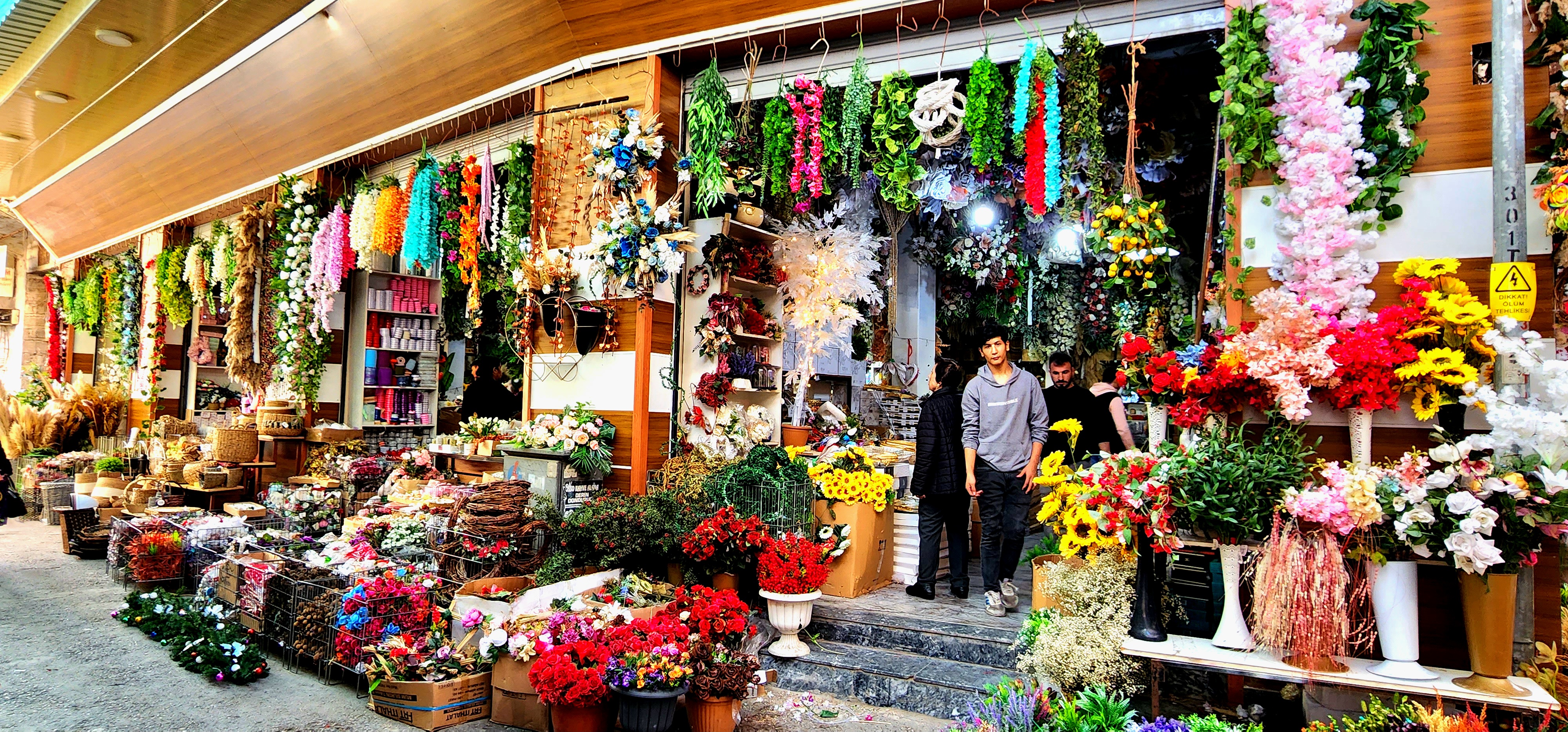
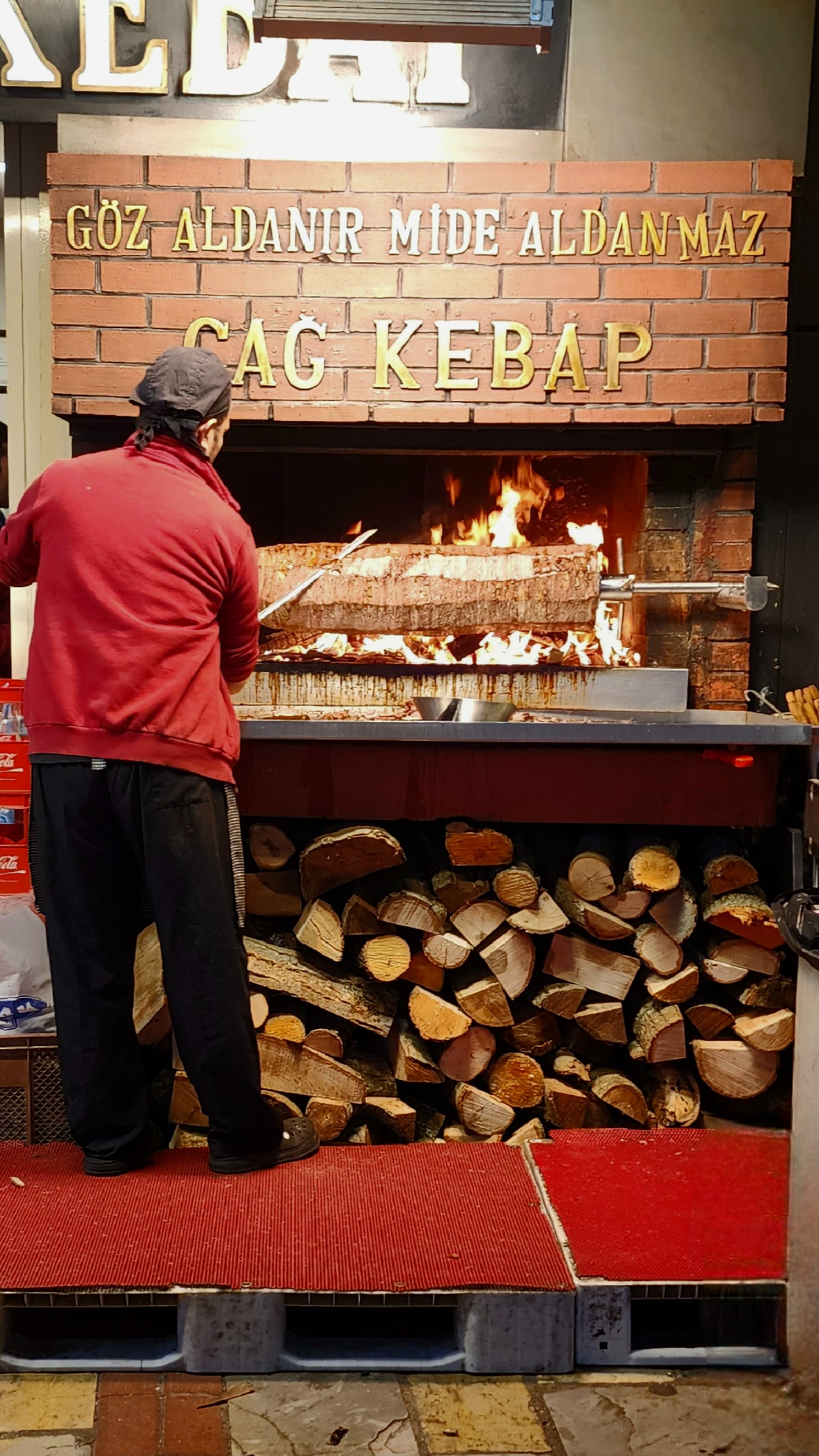
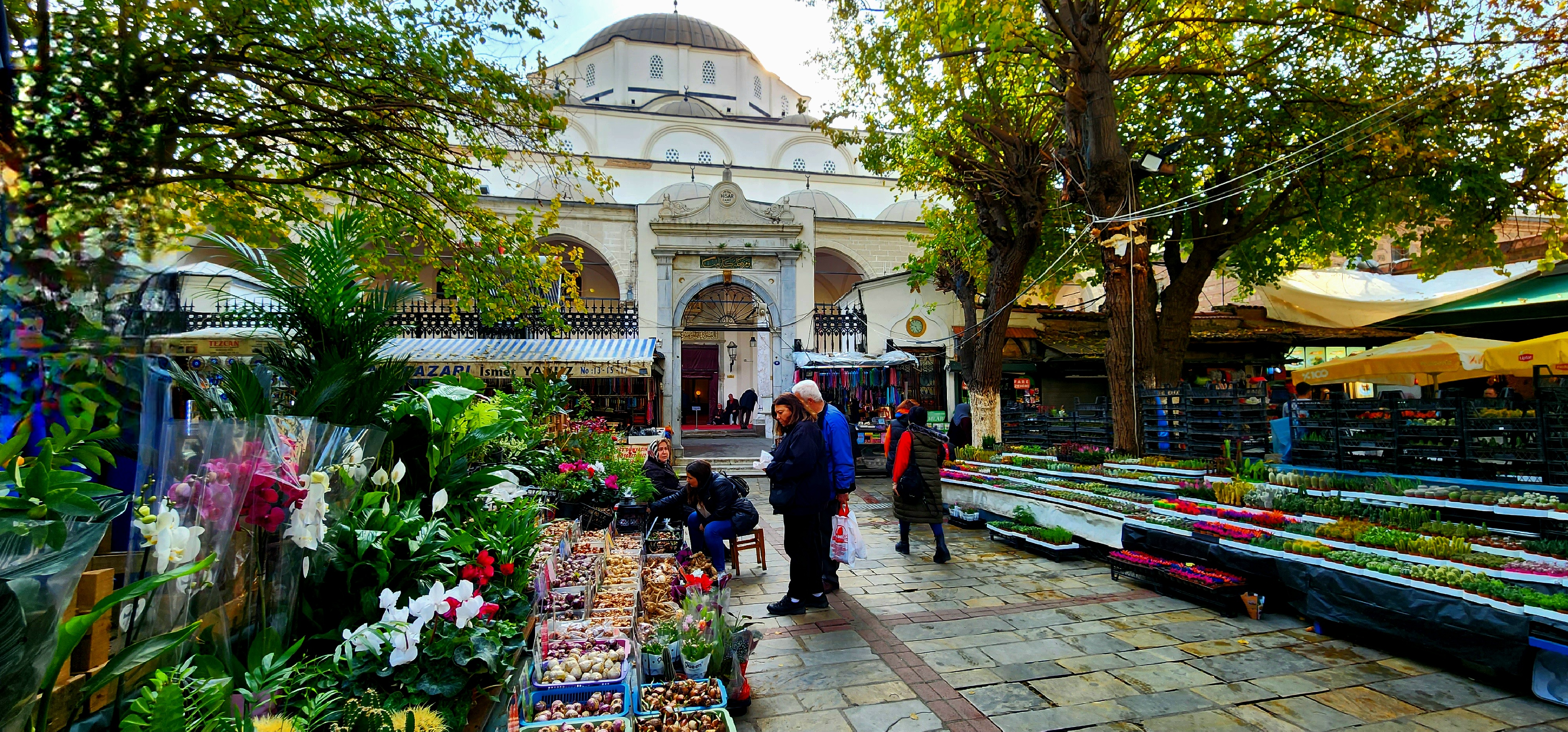
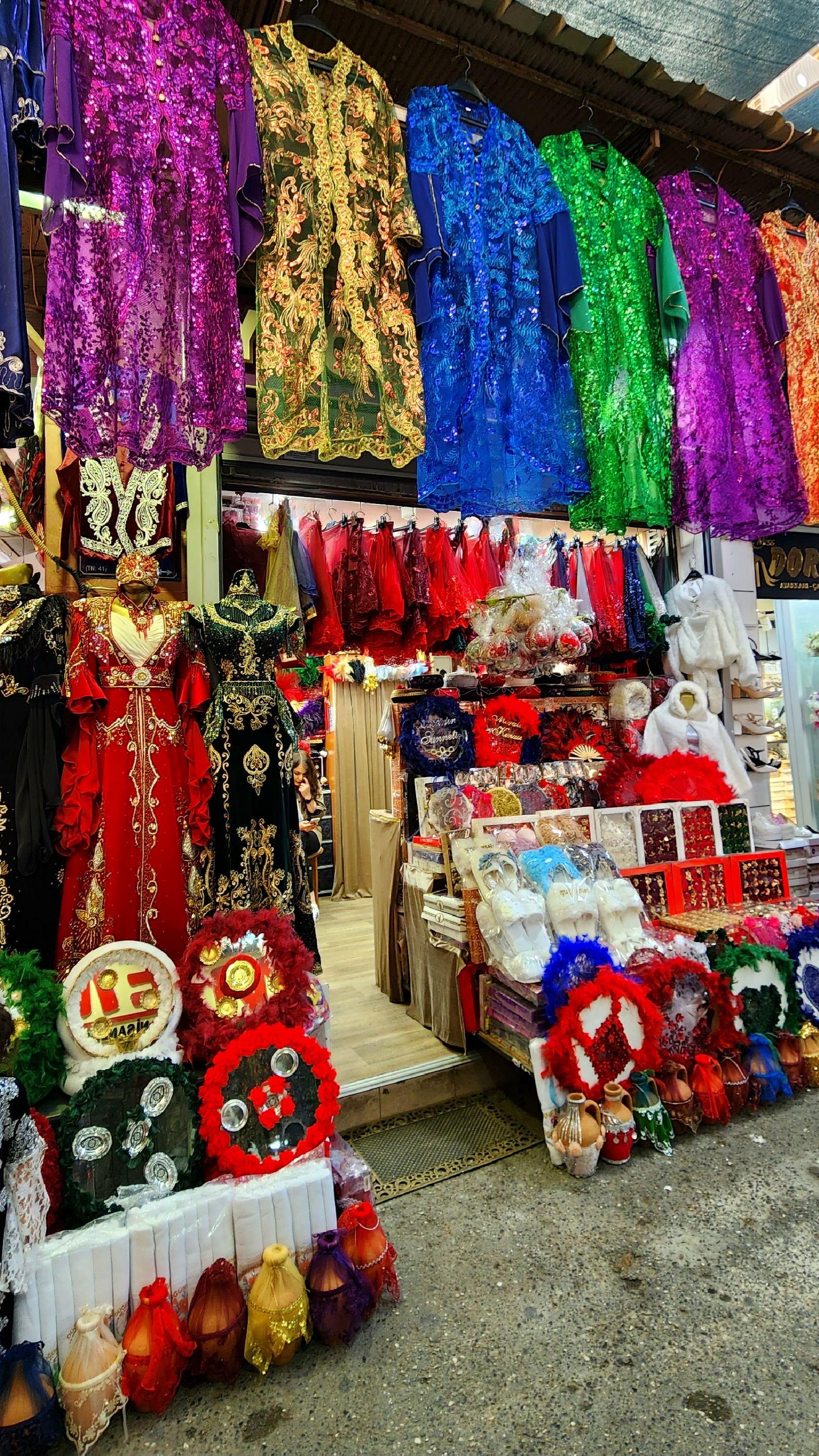
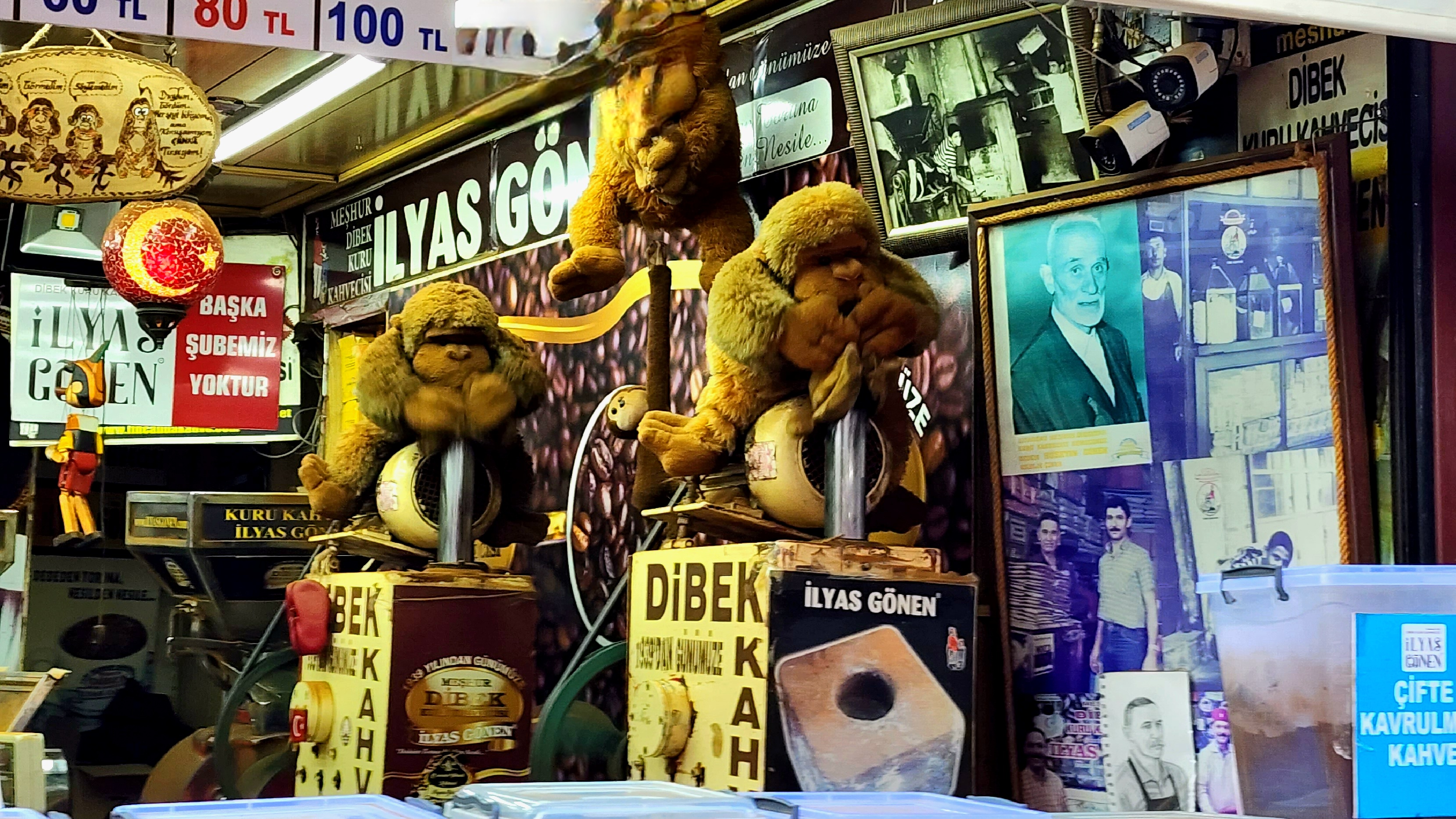
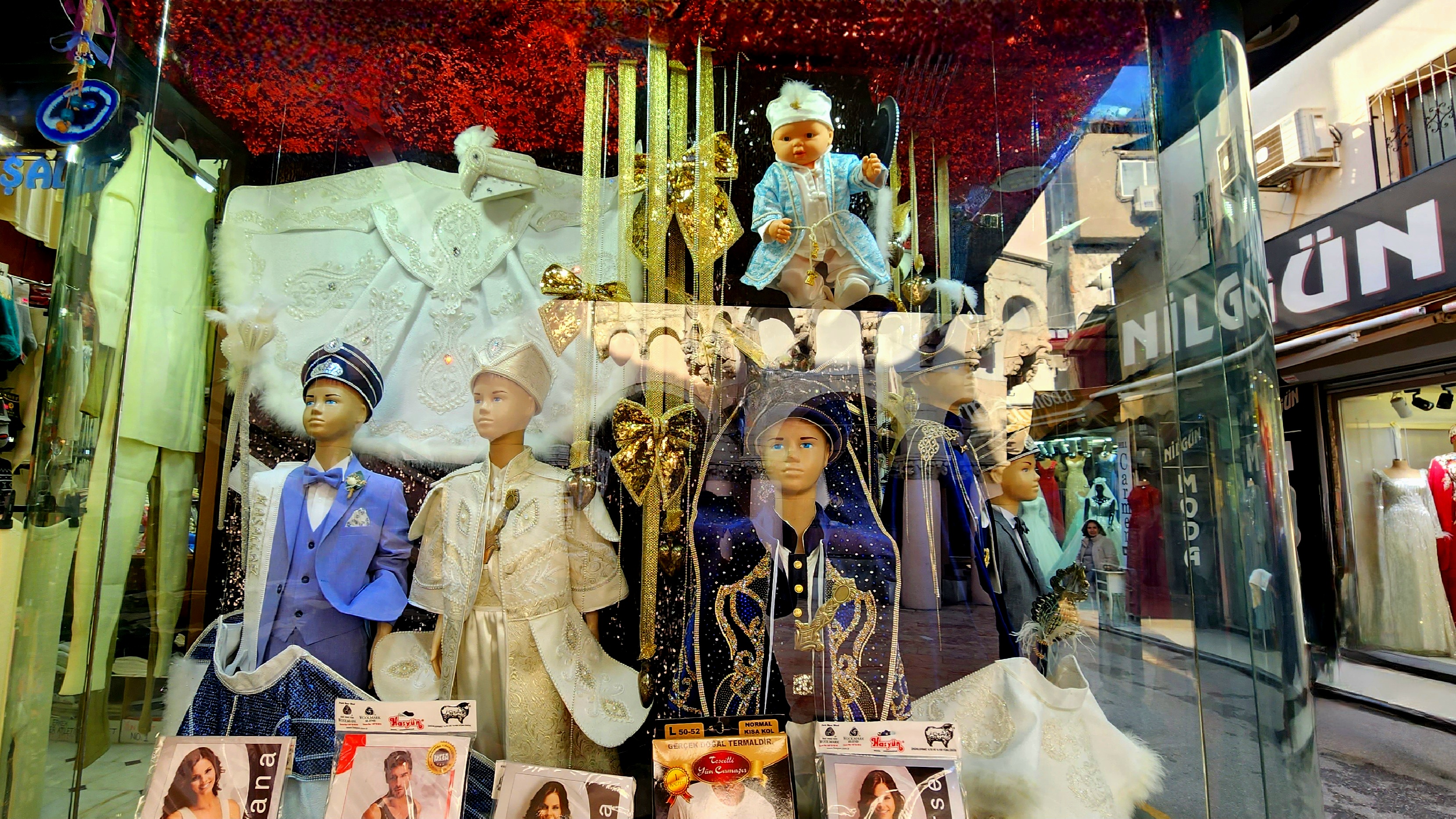
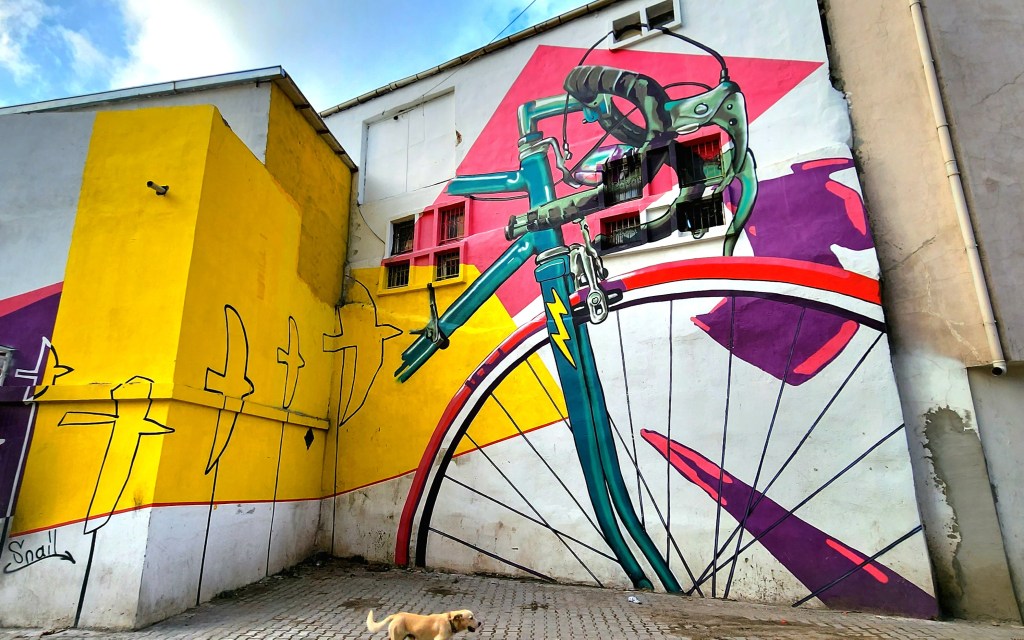
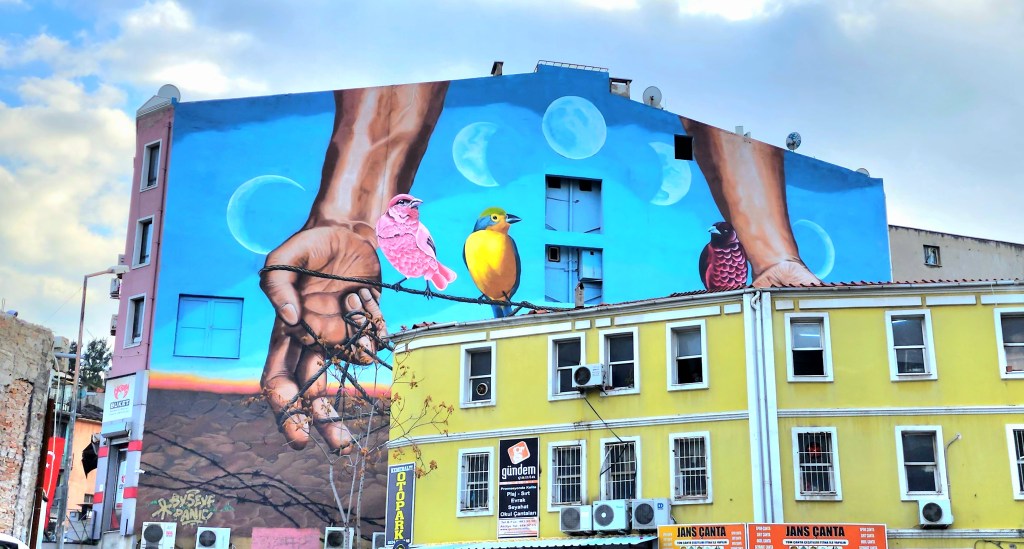
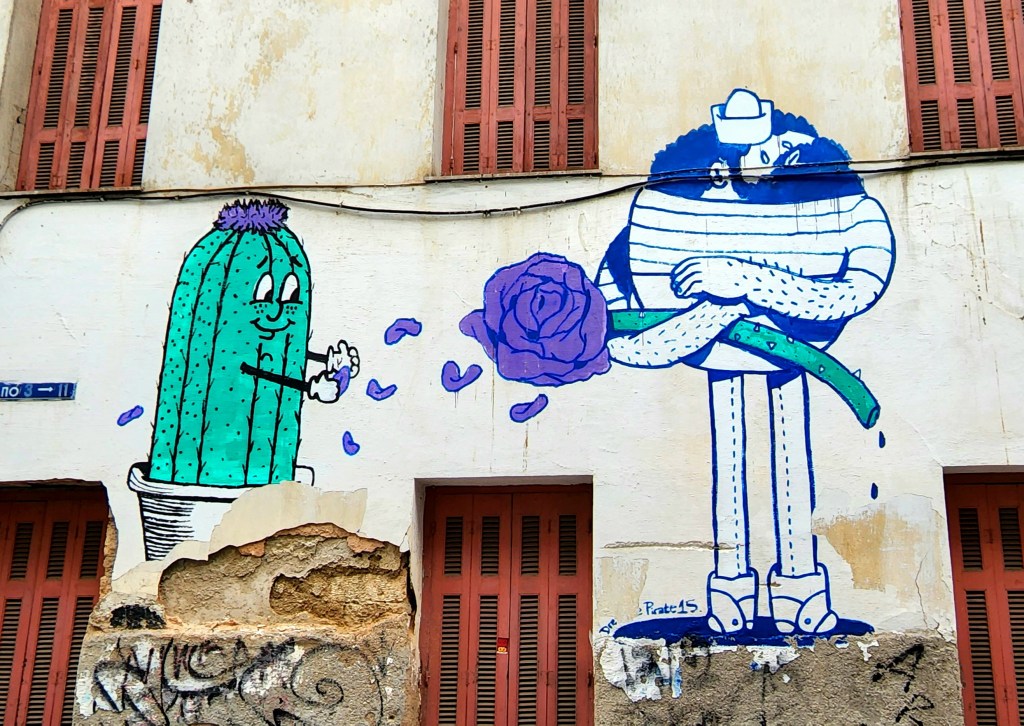
We spent most of our time in Izmir exploring the nooks and crannies of the market but did venture out to explore the ancient Agora of Smyrna, built in 4th-century BCE, destroyed by an earthquake in 178 AED and then reconstructed by the Roman emperor Marcus Aurelius.
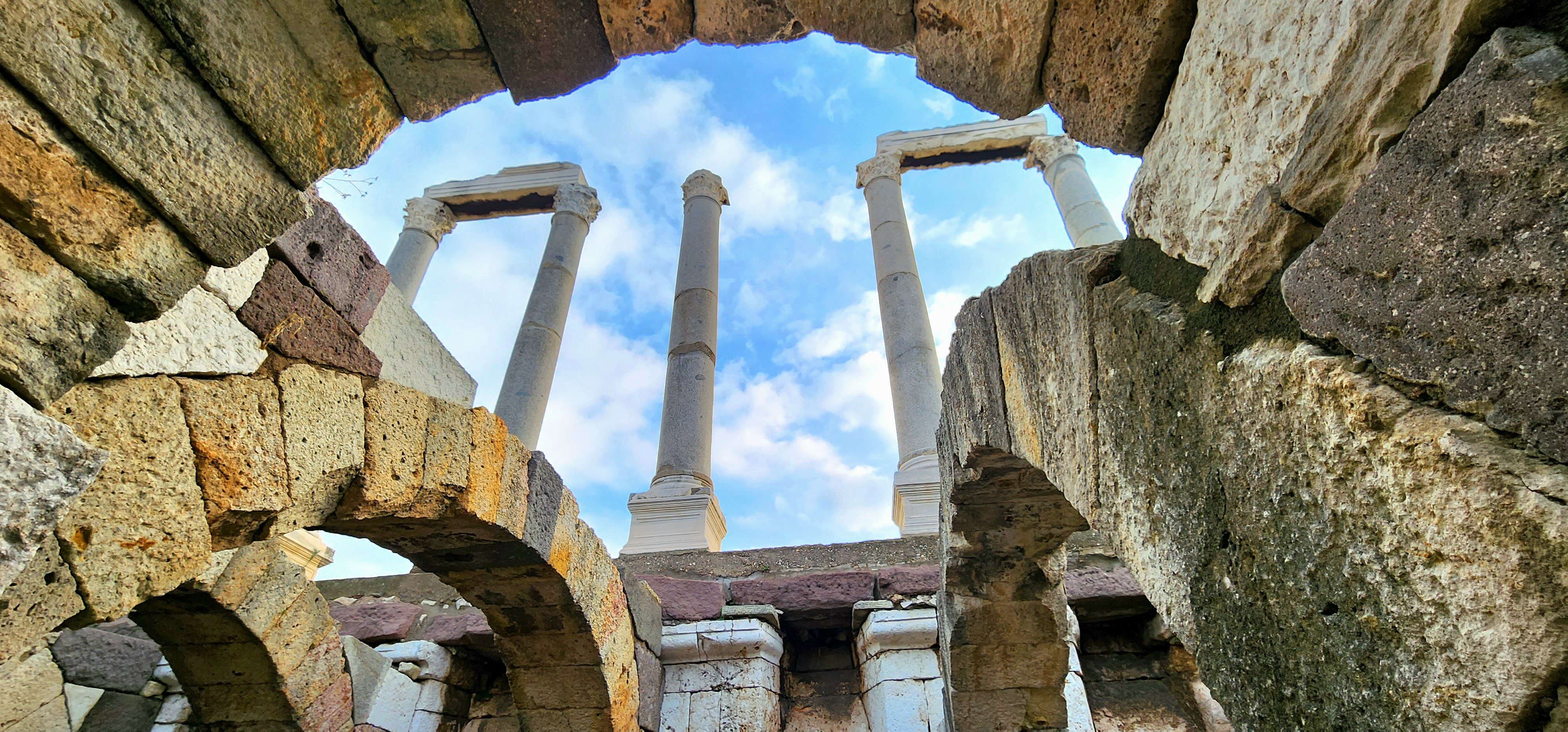
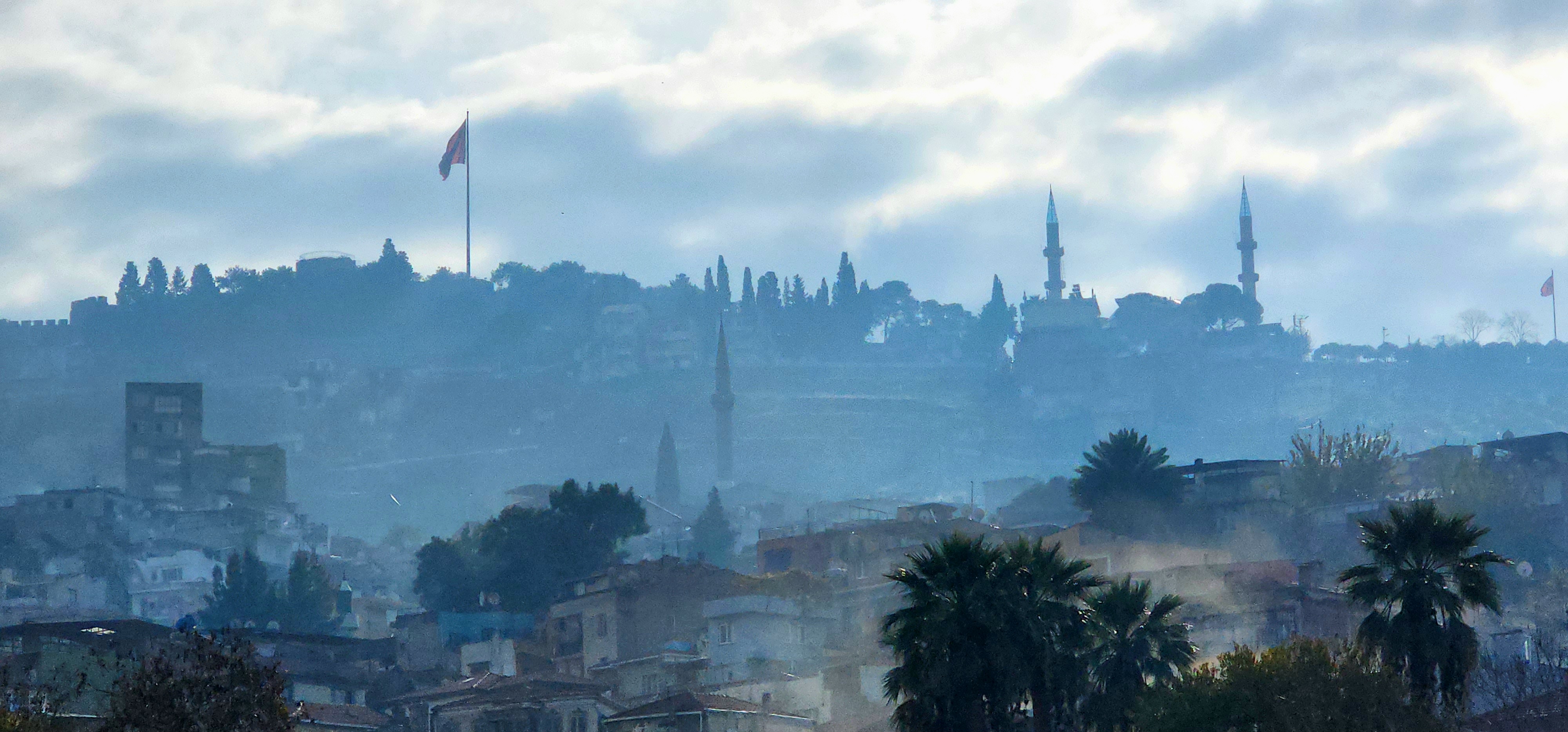
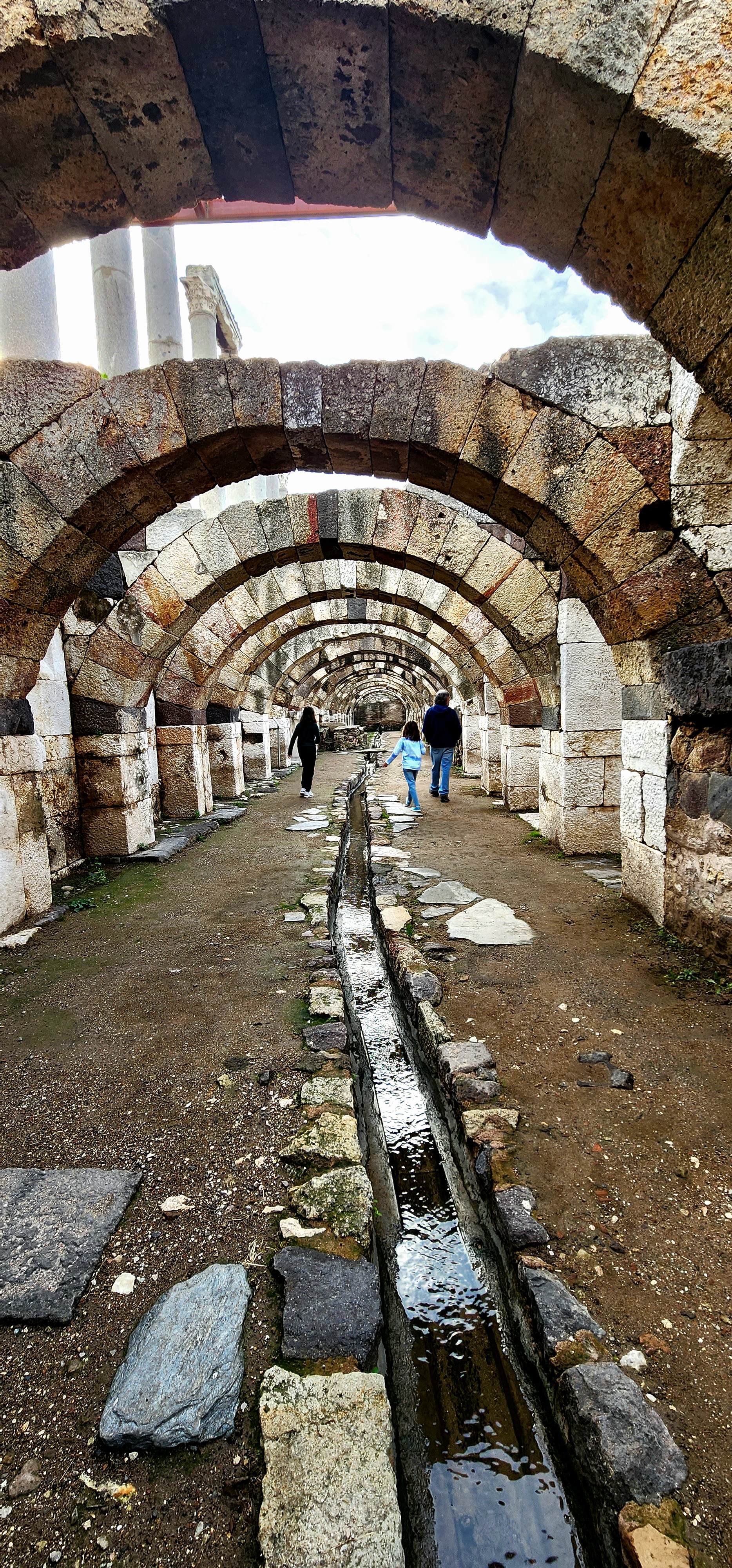
We also walked along the water and saw the historic clock tower, built between 1900 and 1901.
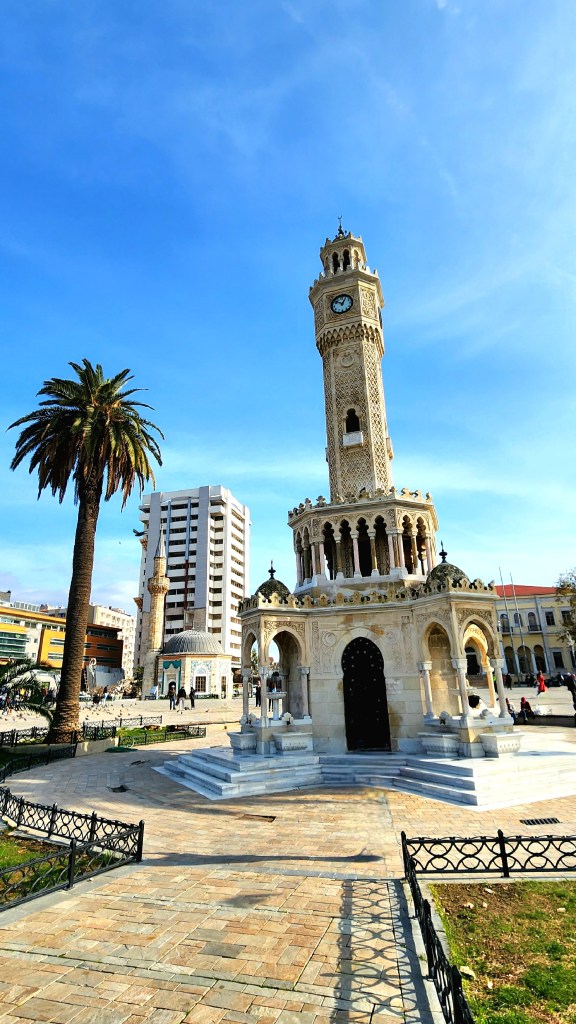
This leg of our trip was the perfect mix of history, nature, and enjoying the vibrant culture and delicious flavors of modern Turkey! Next stop Athens and the Peloponnese with…Nana!
 Travels with Mr. Smart