In the last week of March, we reunited with the Clovers, our ISK colleagues, friends, and COVID bubble mates. We hadn’t seen them since we left Kazan in June of 2021, so we were thrilled to spend a week with them. They are currently working in Kinshasa in the Democratic Republic of Congo, so we decided to meet up in Cape Town. After a taxi to Dubai and a long, exhausting series of flights through Nairobi and Johannesburg, we arrived in Cape Town. This was our first time visiting the continent of Africa and the kids’ first time in the Southern Hemisphere!
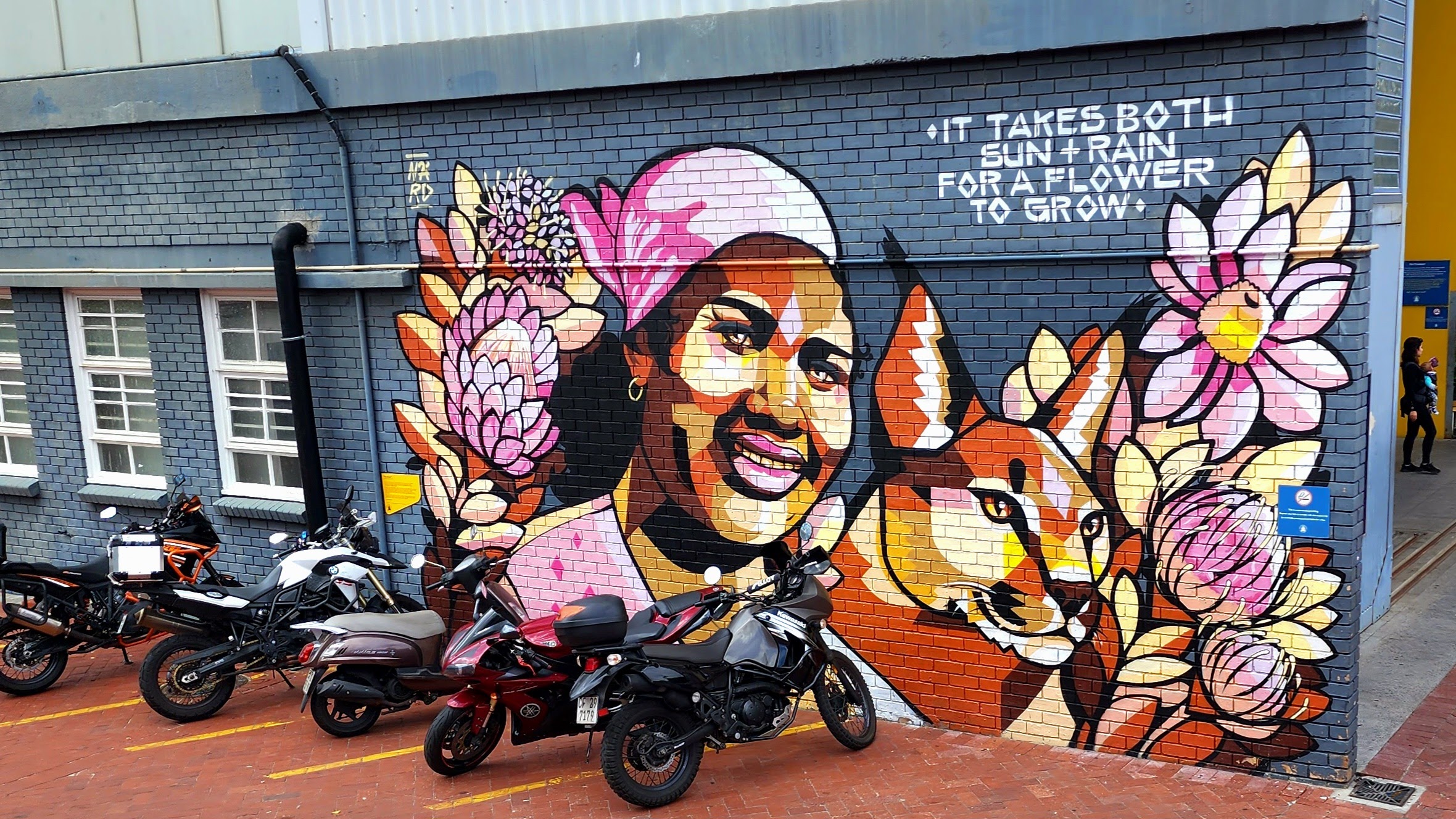
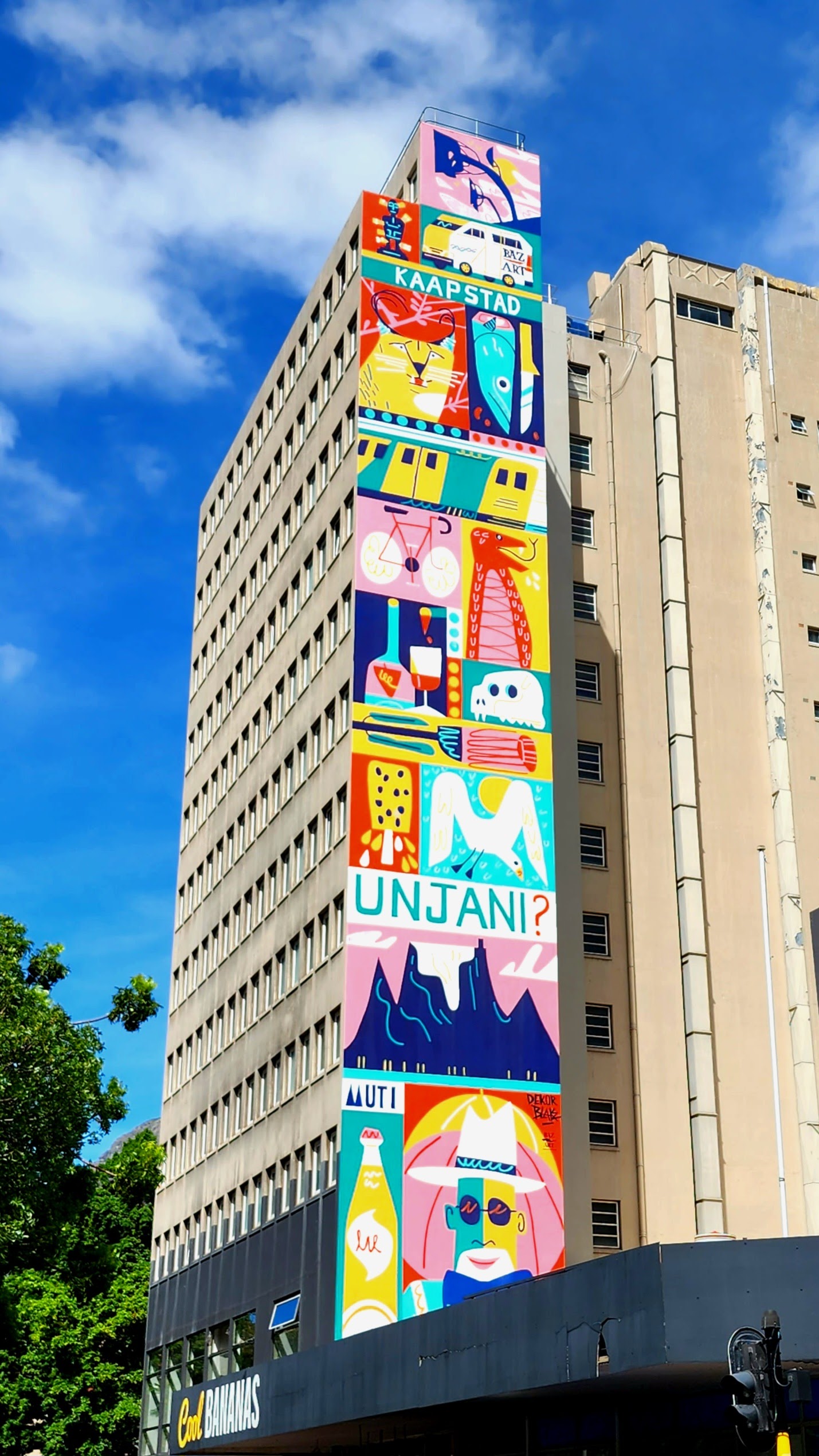
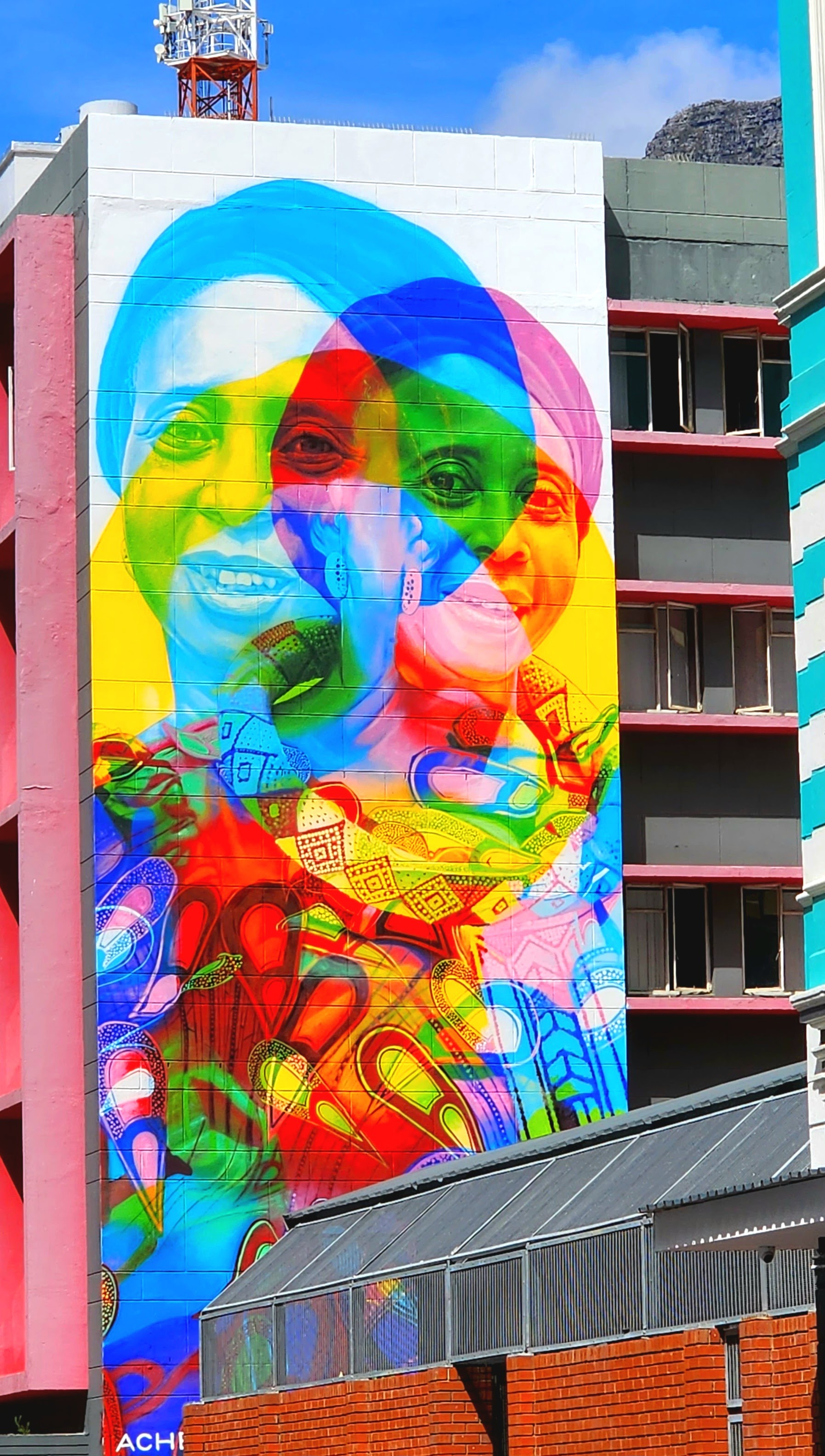
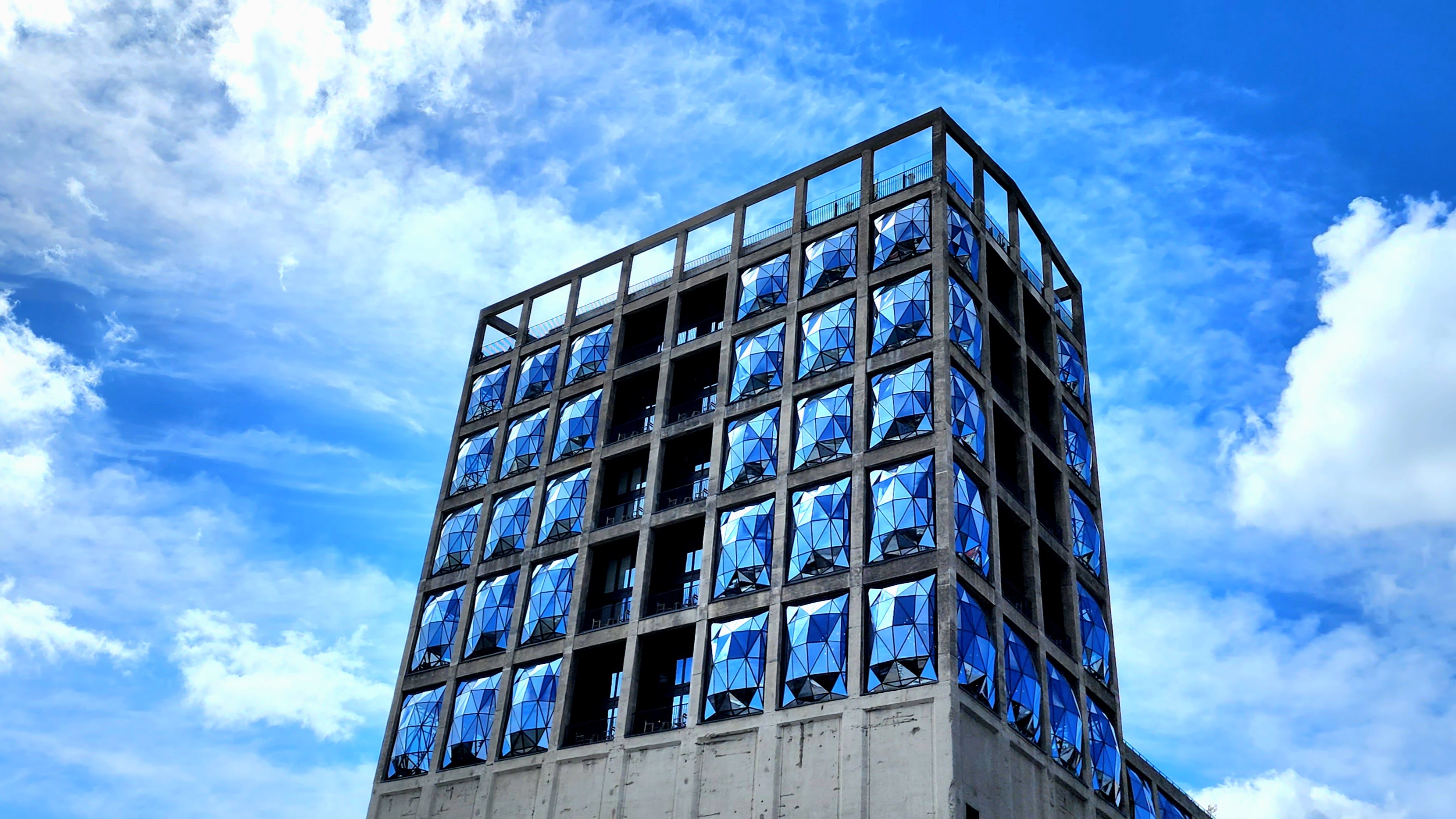
We decided to get tickets for the Hop on Hop Off Bus for our 5 days in the city. It included free admission to many of the attractions plus free food and drink credits. And best of all, it saved us from the challenge of driving on the opposite side of the road! The views of the city from the top of the bus of street art, architecture, and the natural beauty of the surroundings were a treat.
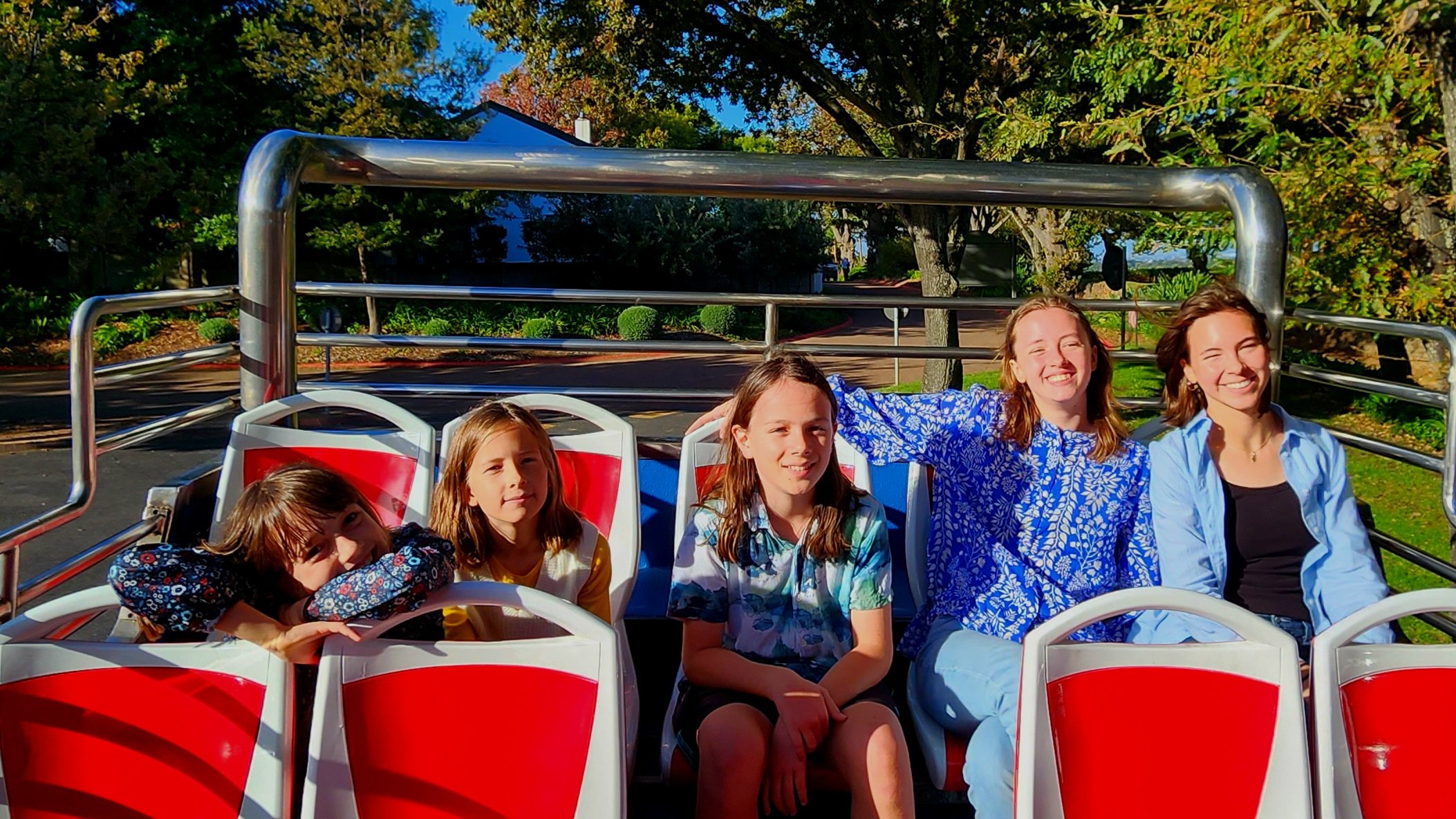
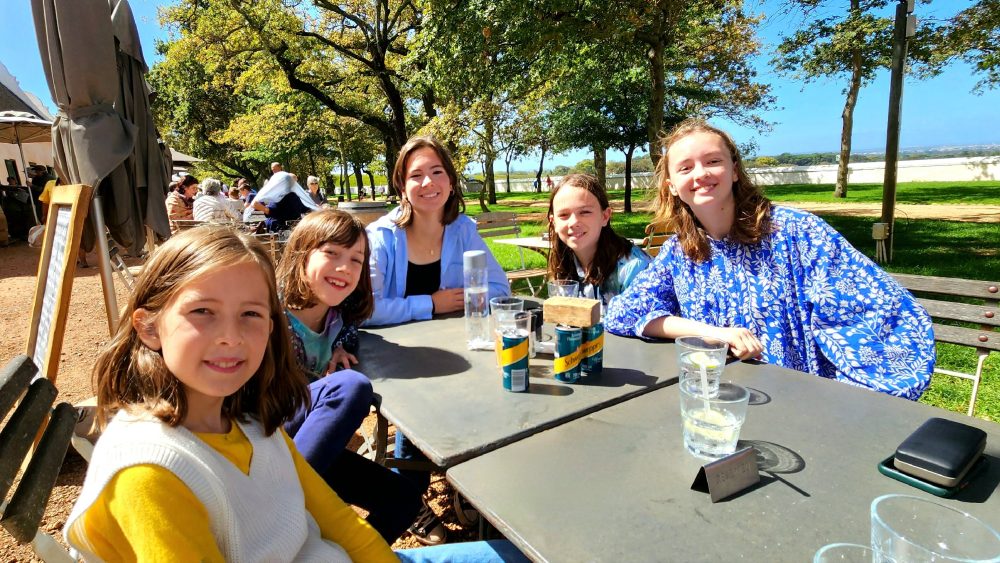
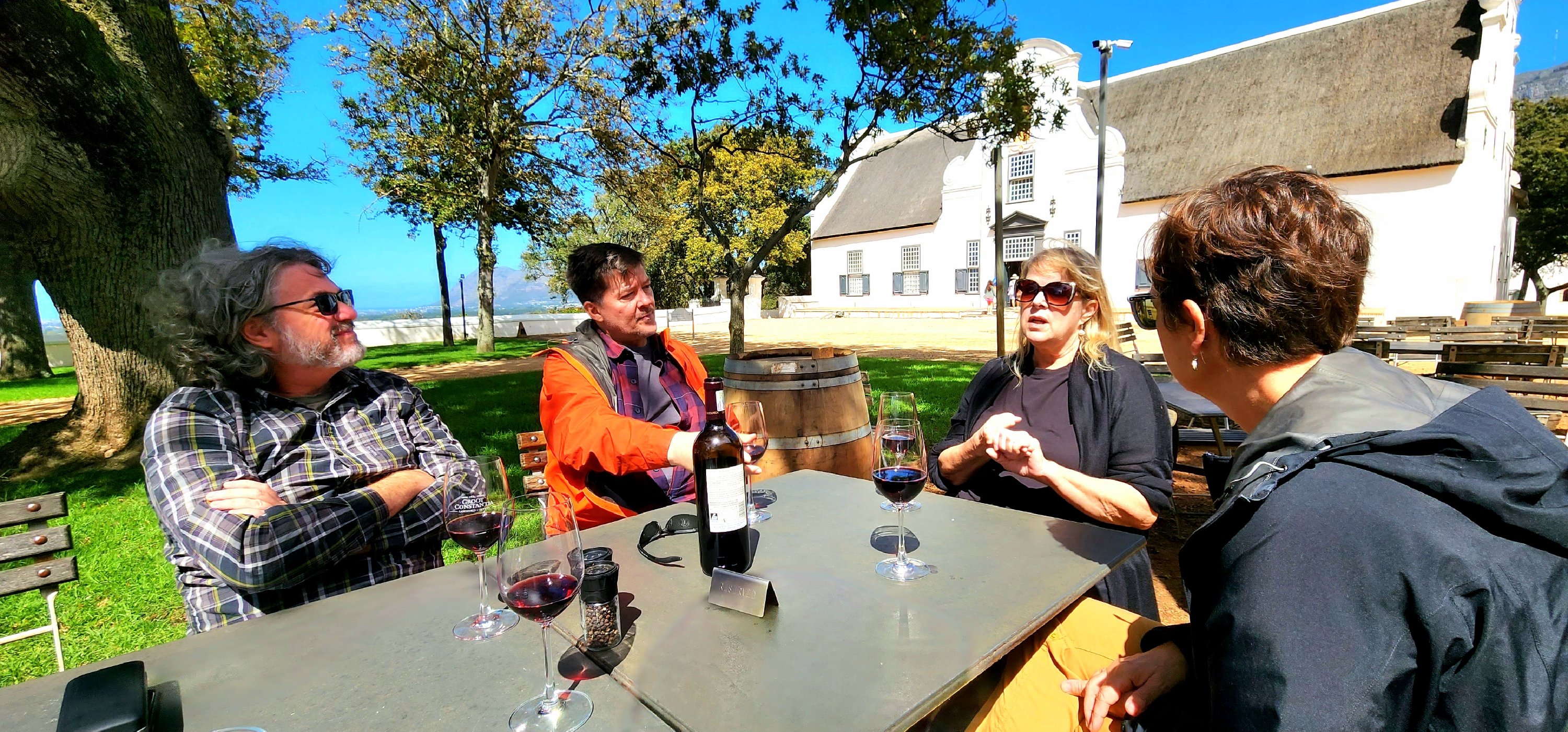
On our first full day, we met our friend Alison (also from ISK) at Groot Constantia. Groot Constantia opened in 1685 as South Africa’s first wine farm. We enjoyed a delicious lunch al fresco before touring the winery and enjoying a tasting of the estate’s wines.
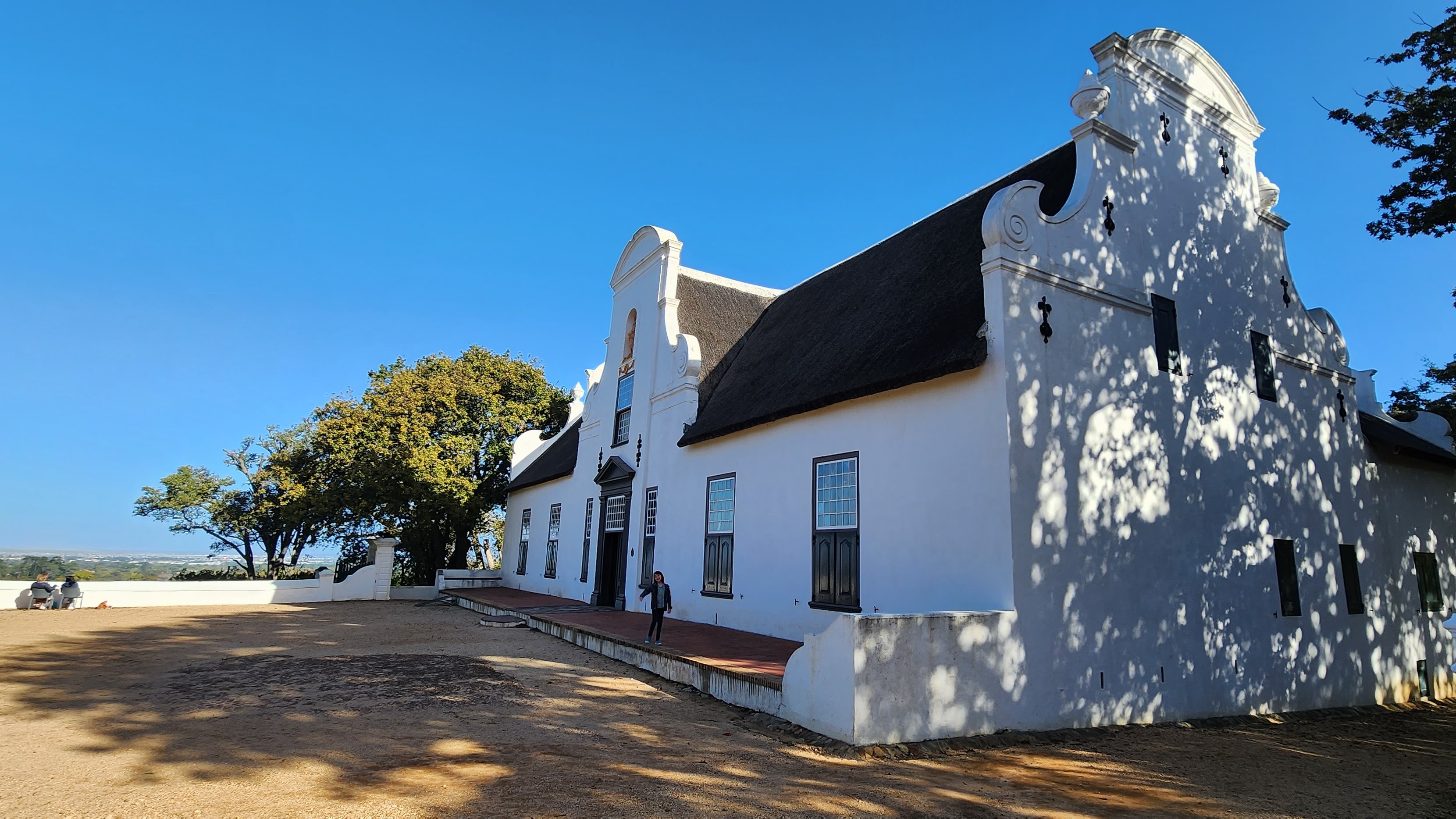
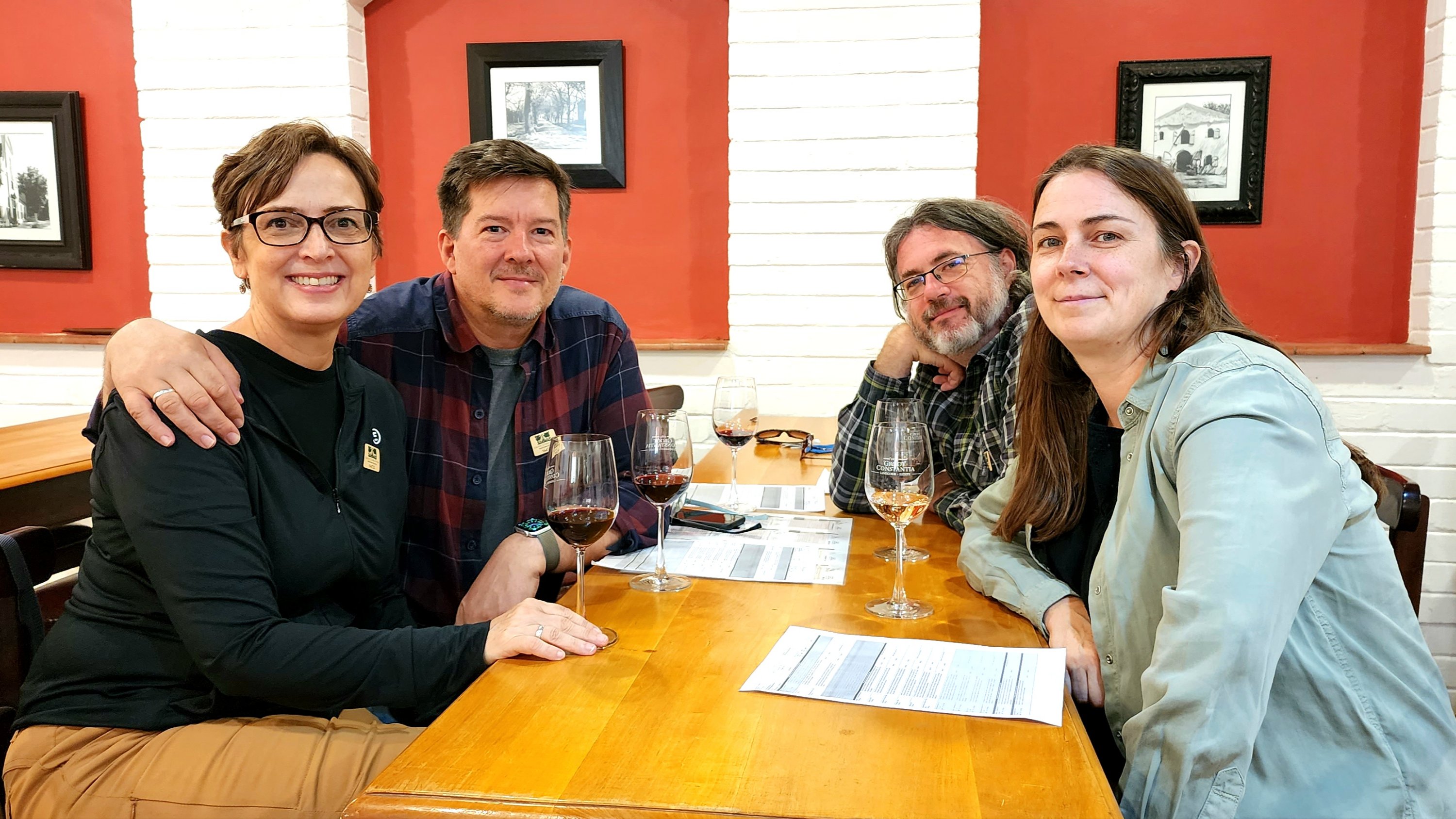
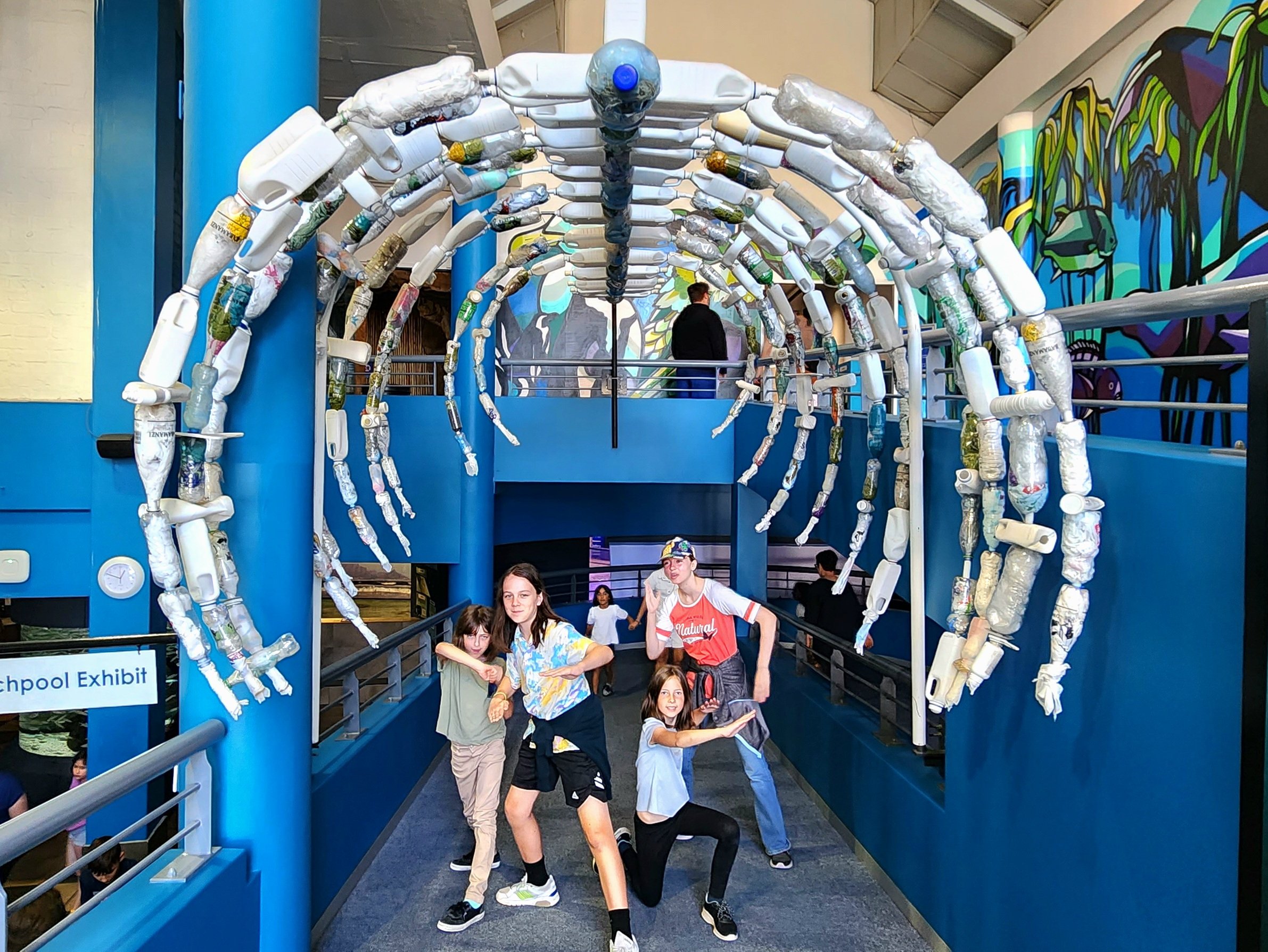
While we toured and tasted, the kids revived their film production company. In Kazan, they filmed their first series, “The Apartments,” about a group of misfits living in the same apartment building. You can see a clip from their new movie “Karate Cape Master Fingers,” about two aspiring karate masters and their guru with a dark past.
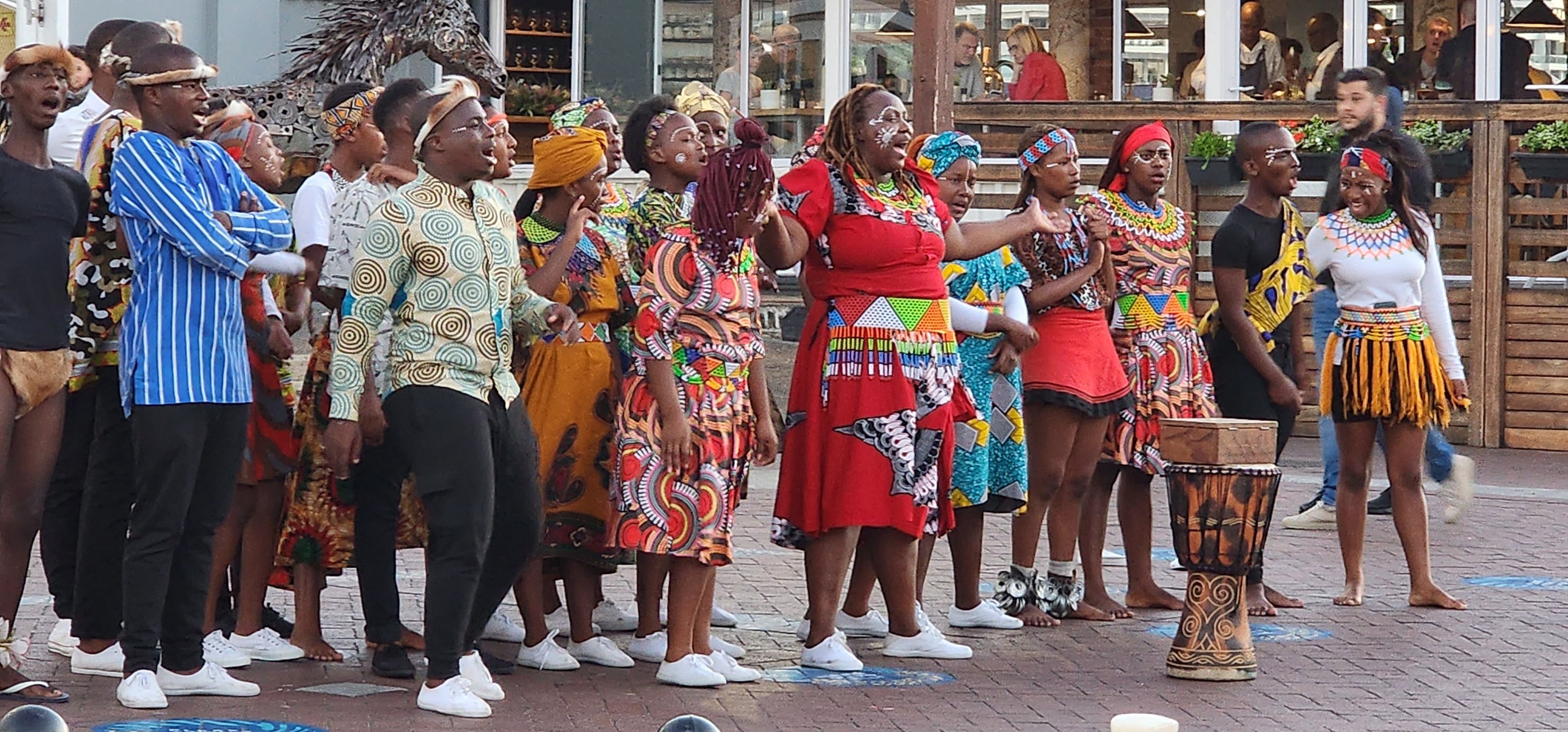
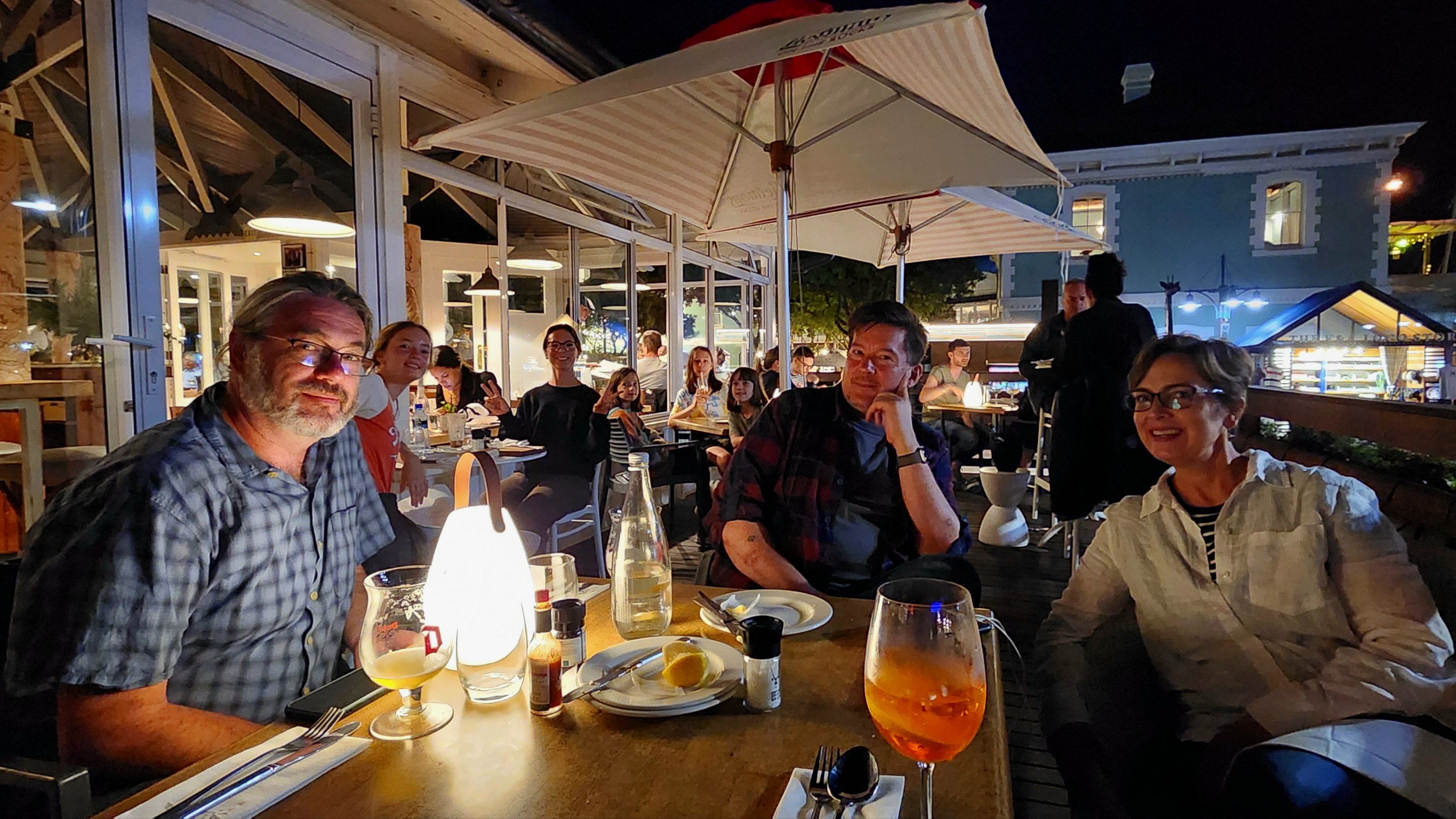
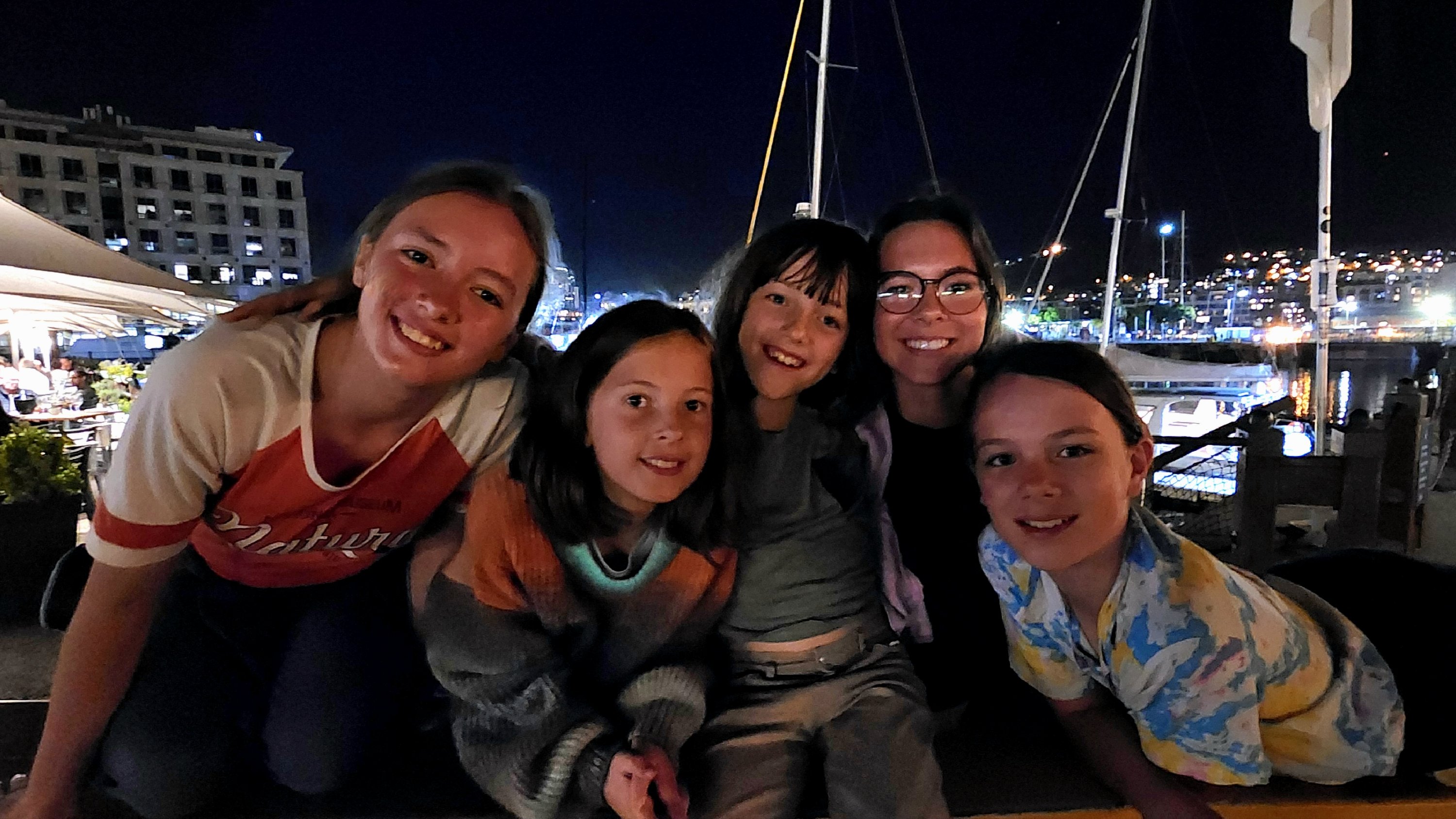
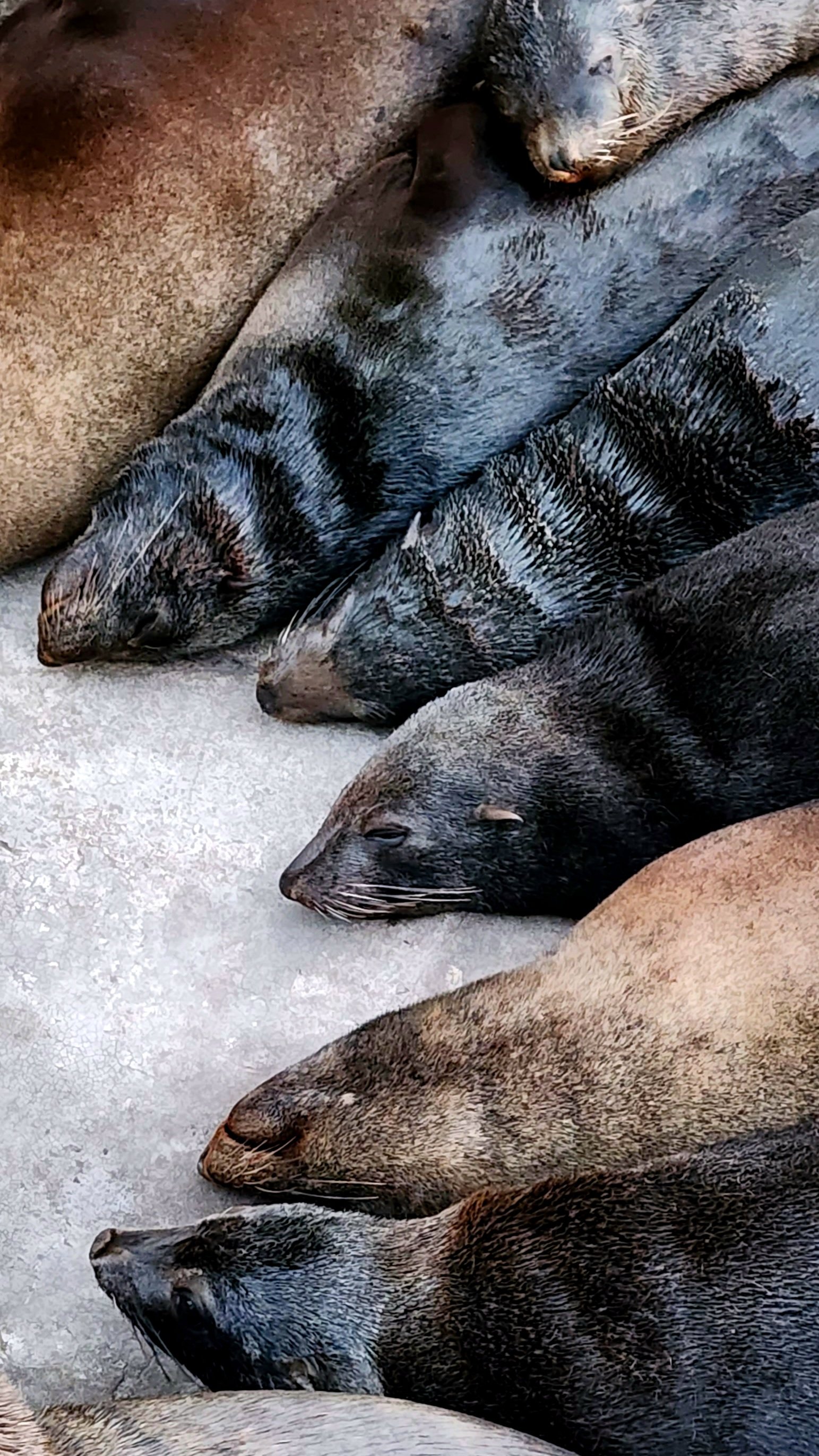
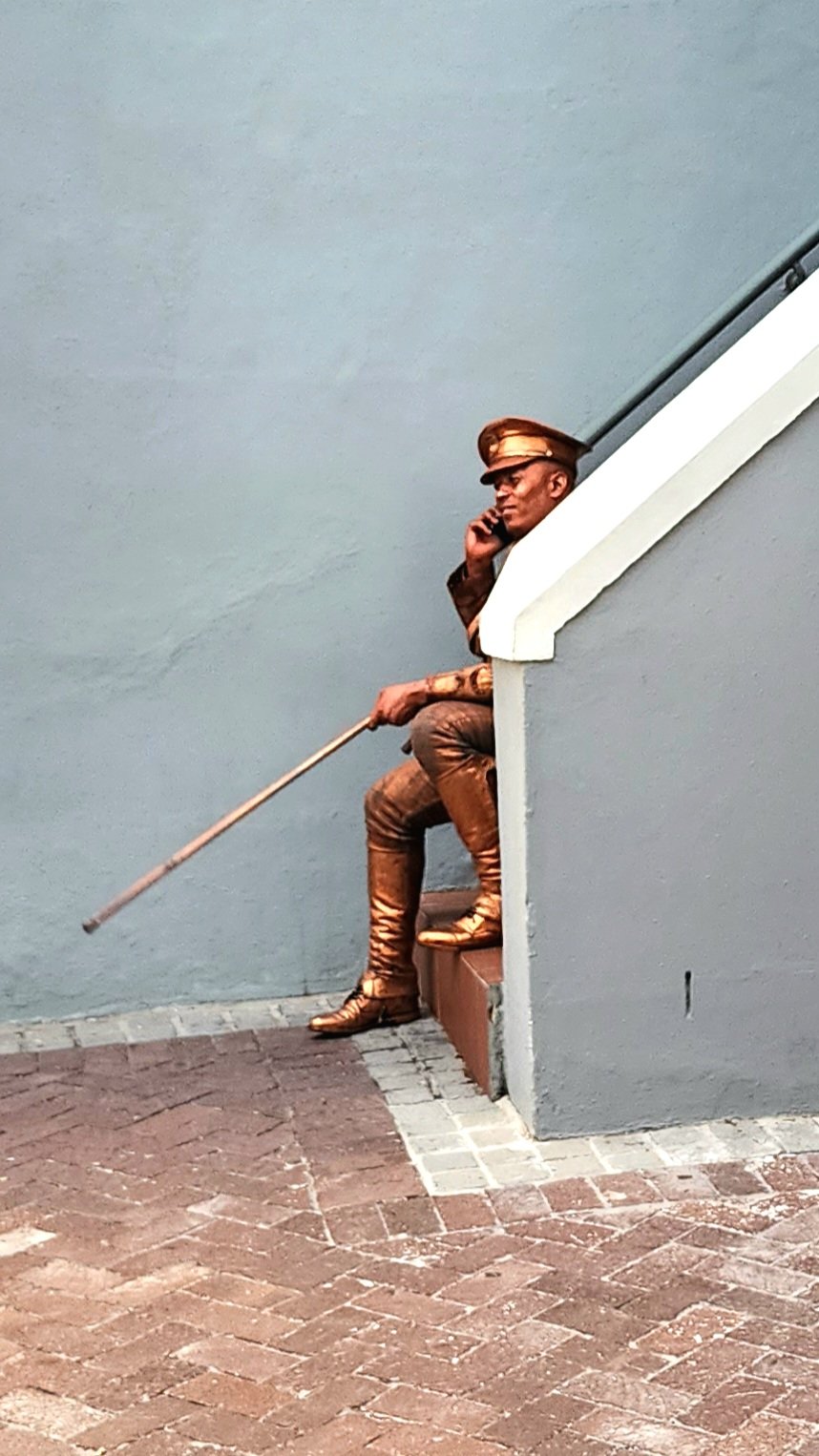
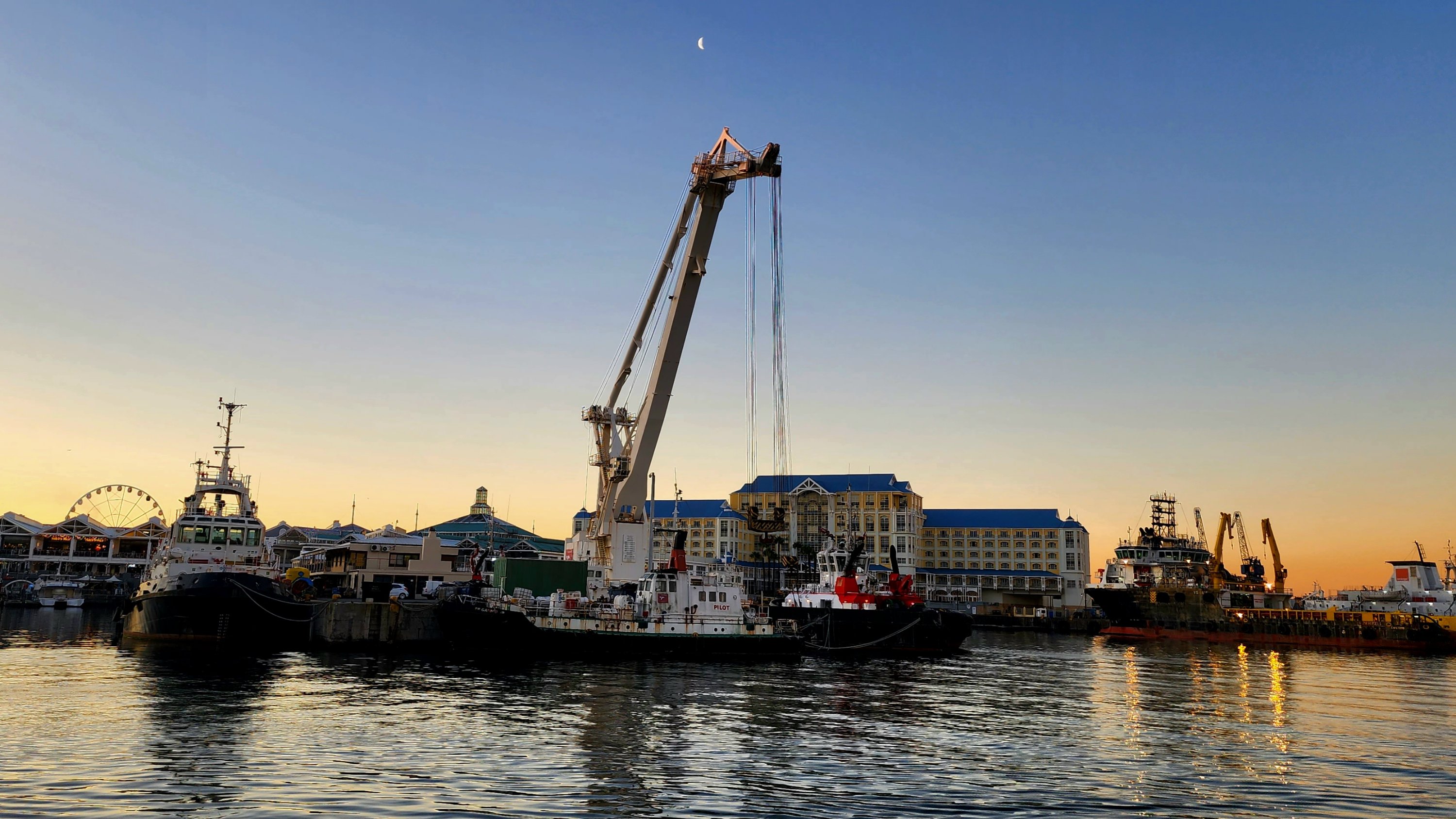
We took a scenic drive back on the HOHO bus to the Victoria and Alfred Waterfront. The area where the harbor is located has been utilized as far back as 1652 when it was used by the Dutch East India Company as a refreshment stop for ships en route to and from Asia. Prince Alfred, Queen Victoria’s son, was involved in the development of the breakwater for the city’s first harbor in 1860, hence the name. Today, the harbor is home to countless restaurants and shops and has a lively atmosphere with street performers, resident seals, and places for visitors to stroll and take in the views. We spent multiple evenings enjoying the sights, sounds, and tastes of the waterfront.
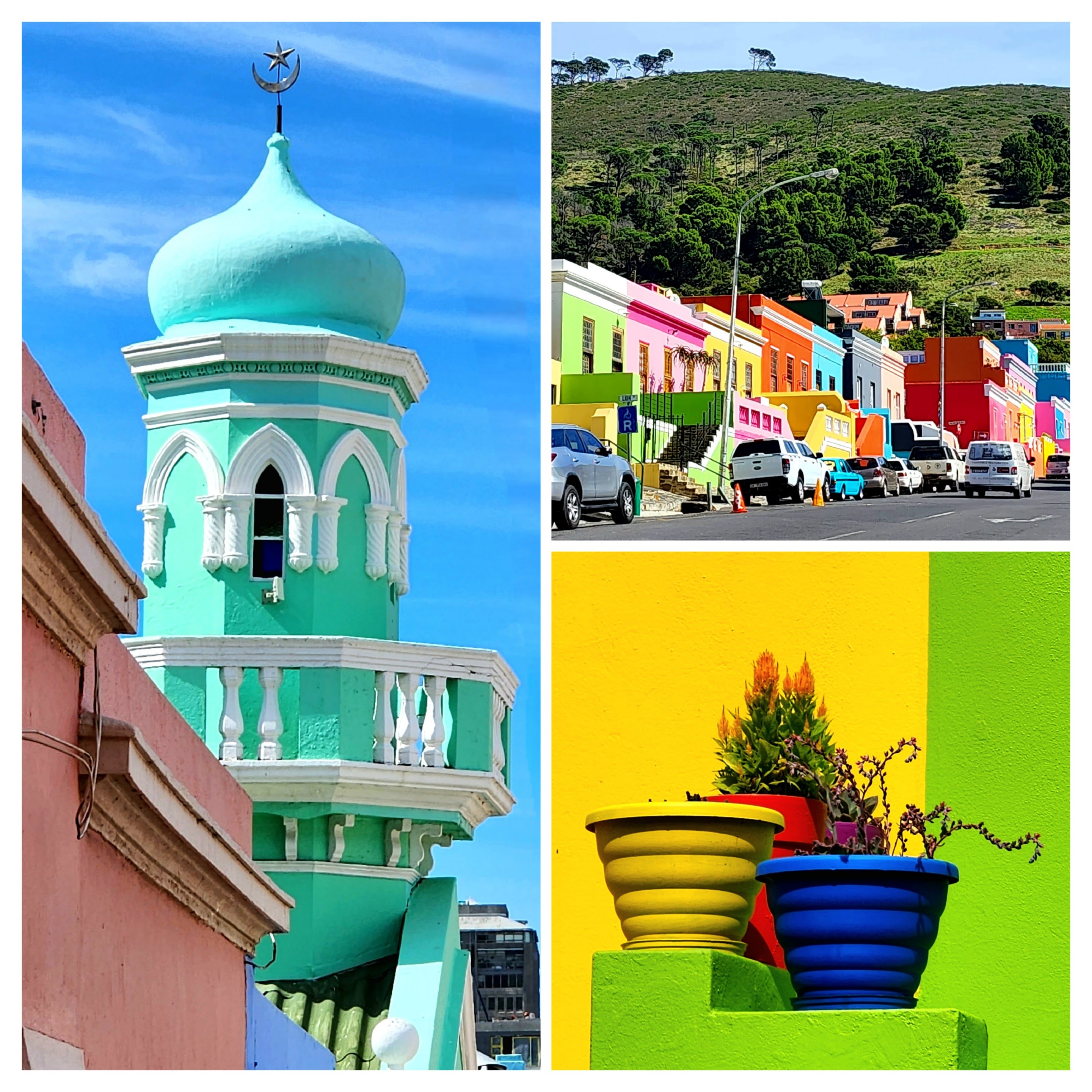
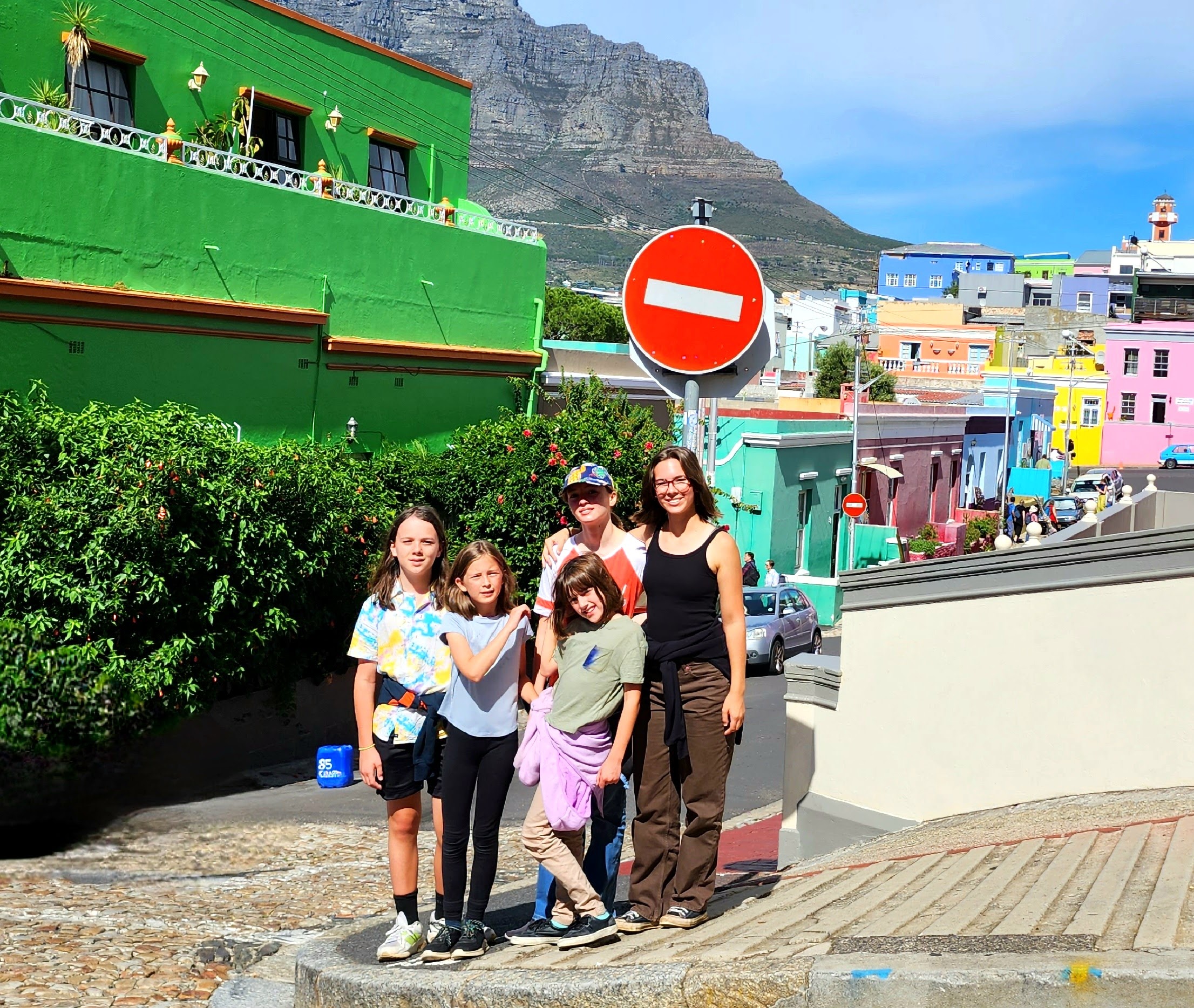
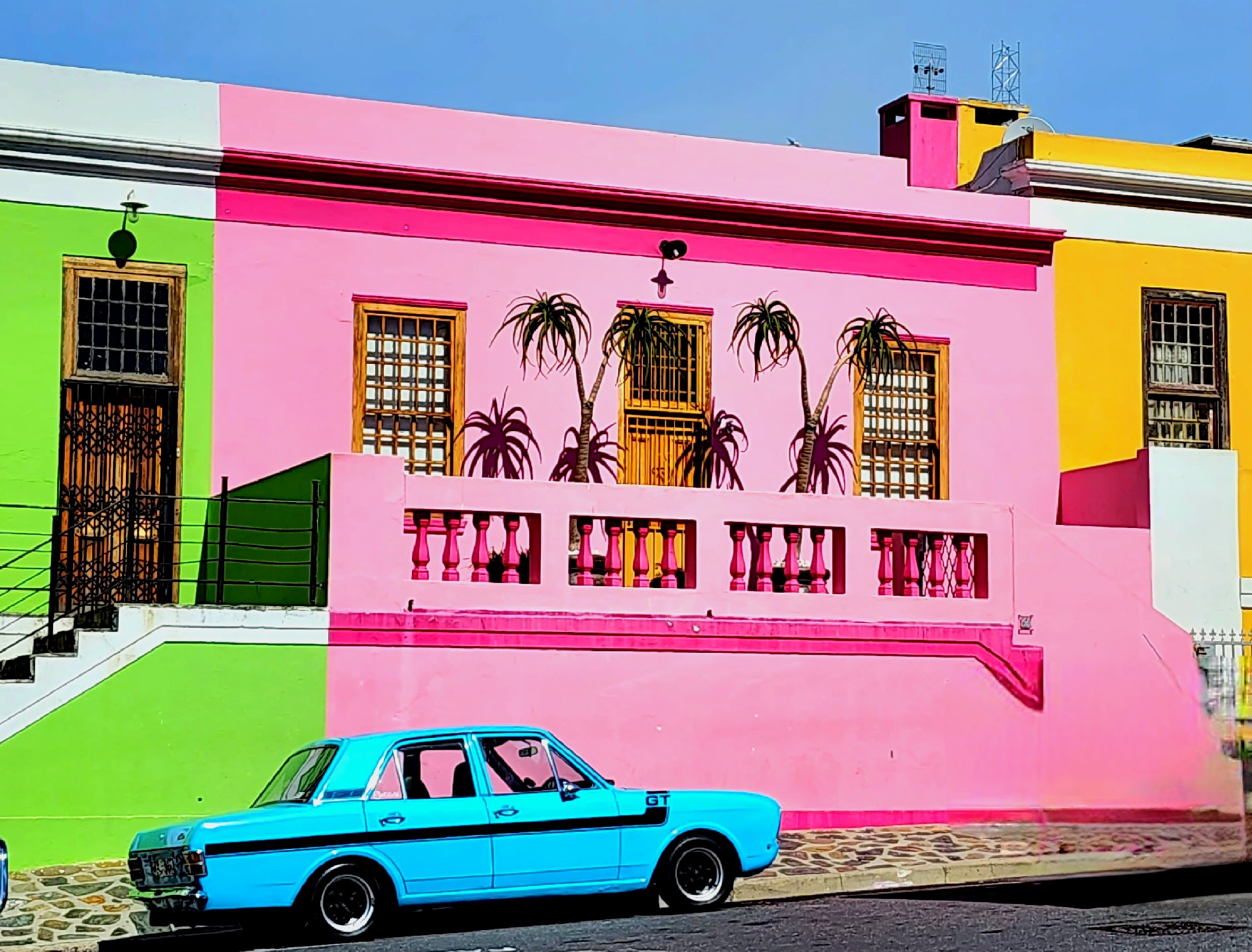
In the morning, we went for a walk in the Bo-Kapp neighborhood, famous for its colorful homes. This neighborhood was formerly known as the Malay Quarter and dates back to the 1700s. During that time, the houses were leased to slaves, who had been brought in from Indonesia, Malaysia, and parts of Africa to work in Cape Town. It is said that at that time, only white or grey paint was allowed and that the tradition of brightly colored facades is a symbol of freedom.
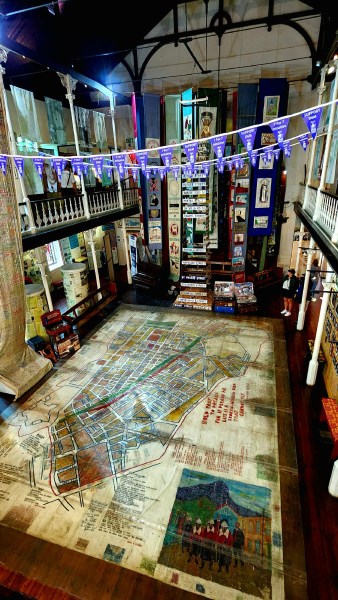
We also visited the District 6 Museum where we learned about the neighborhood that once was home to a vibrant community of freed slaves, immigrants, artisans, and other workers. In 1966, 60,000 people were forcibly removed from their homes when it was declared a white area. The museum was full of photographs, oral testimonies, and artifacts from the community that was impacted by this injustice.
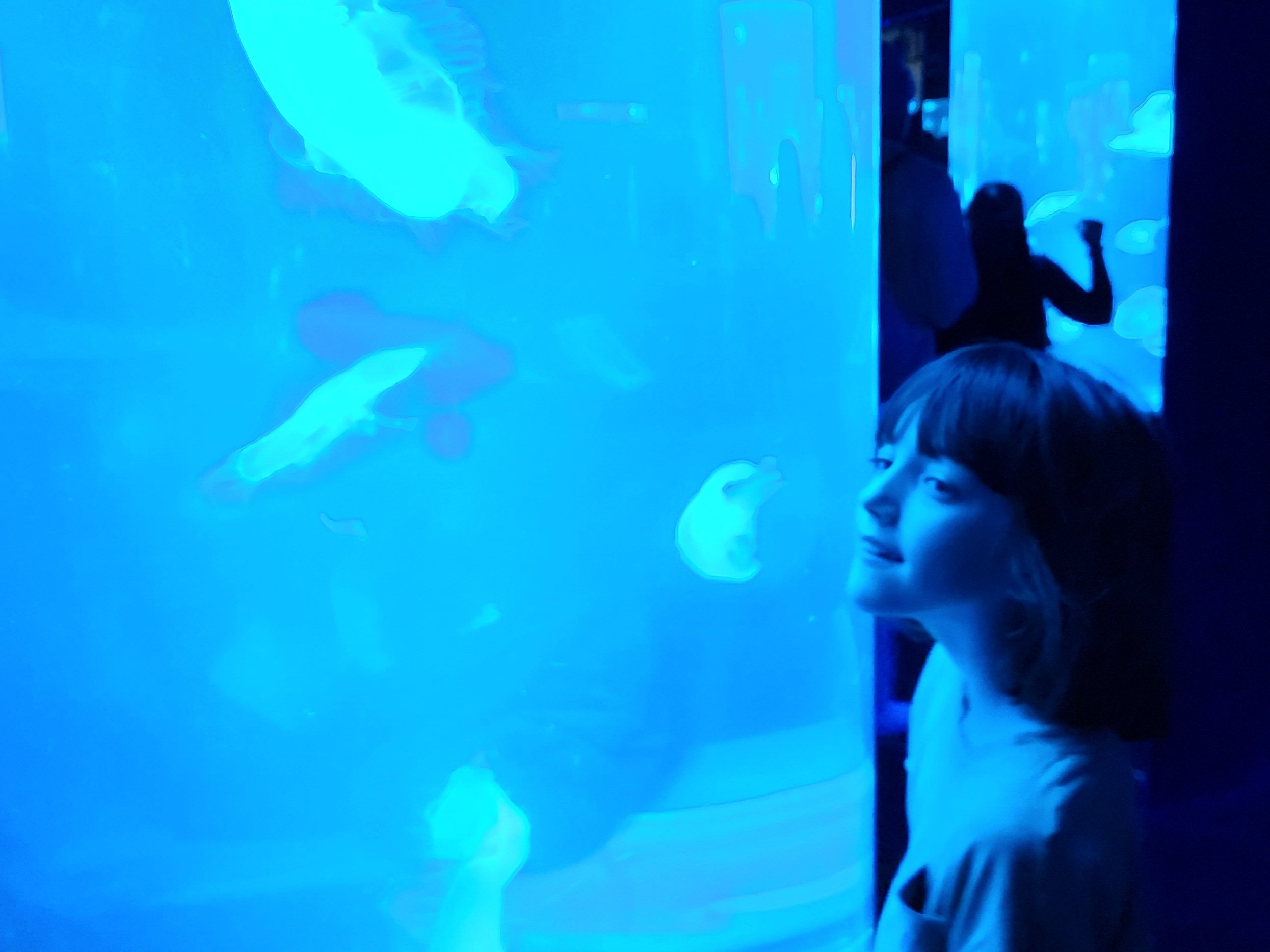
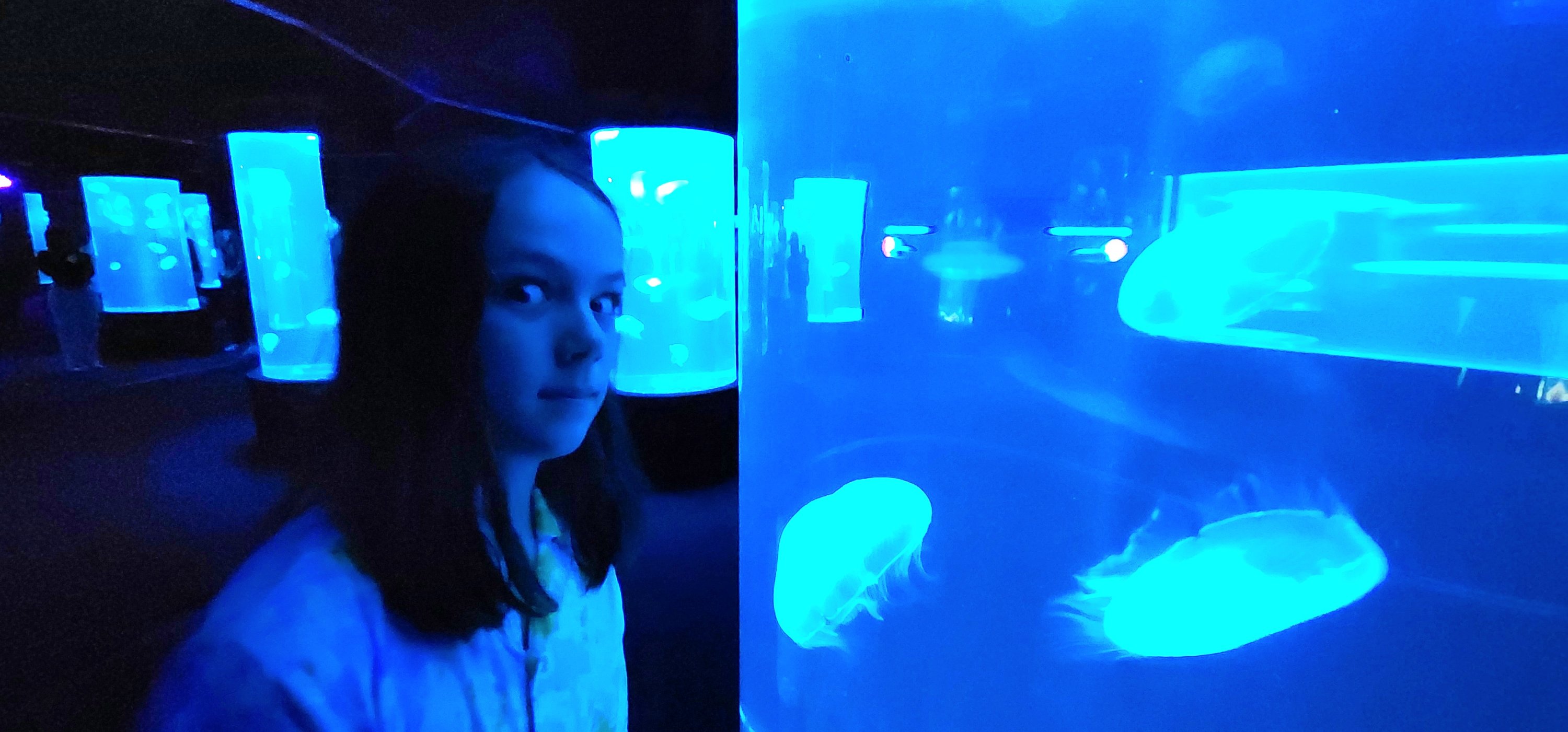
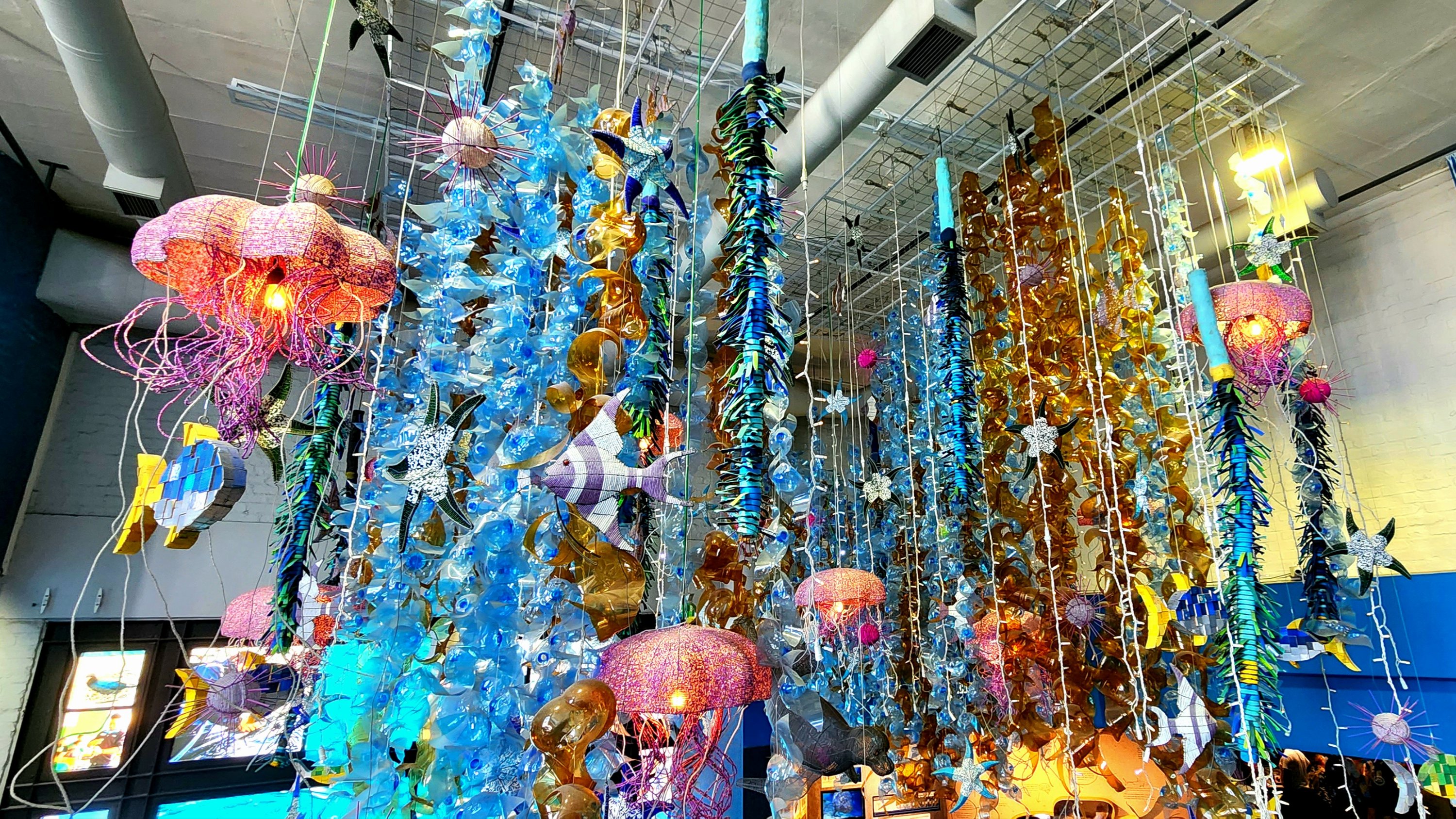
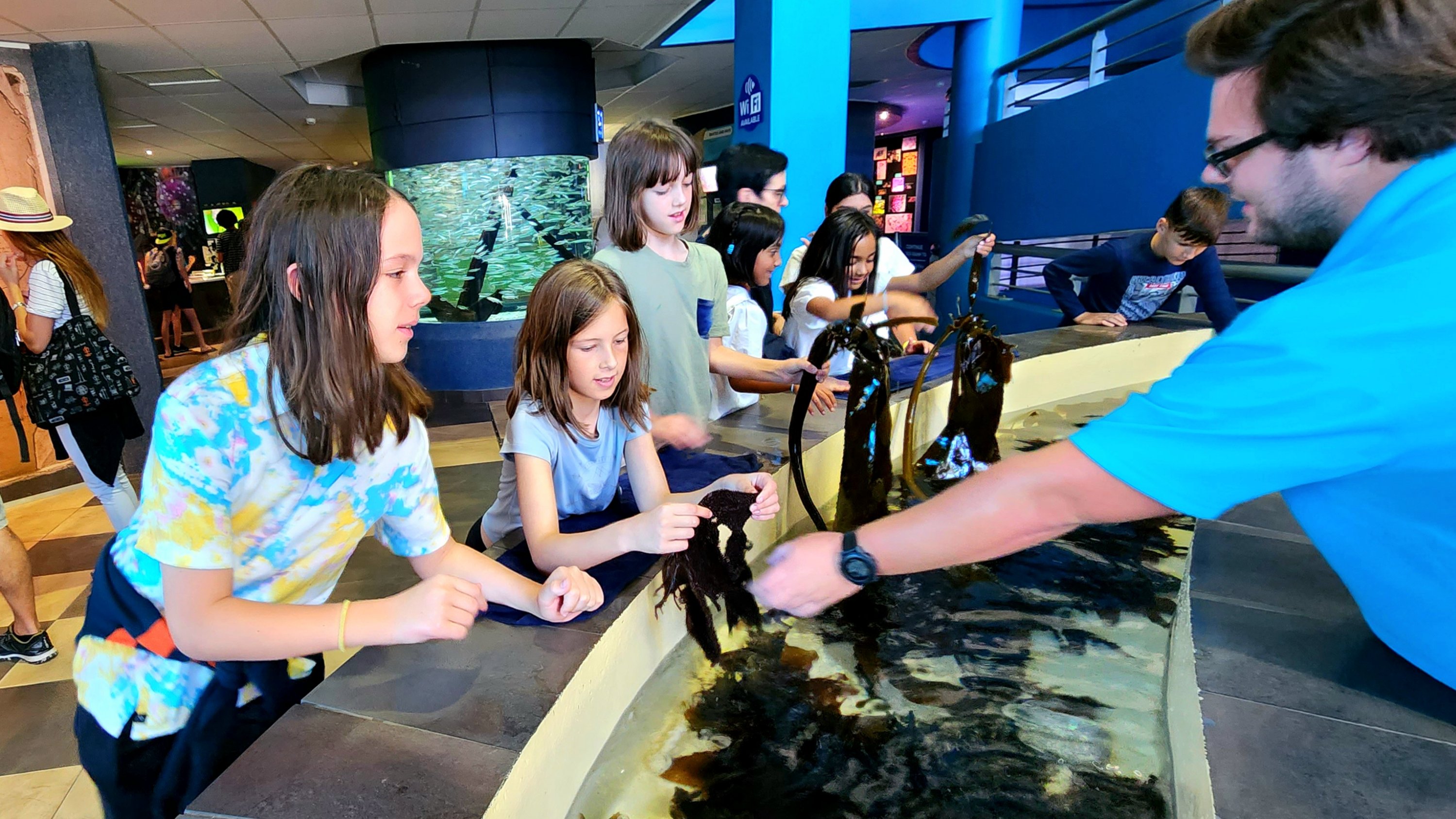
We walked through the city back to the waterfront where we visited the Two Oceans Aquarium. South Africa has incredible biodiversity, including many endemic species both on the land and in the oceans. The name “Two Oceans” refers to the Indian and Atlantic oceans that meet in Cape Town, creating these rich and varied ocean habitats.
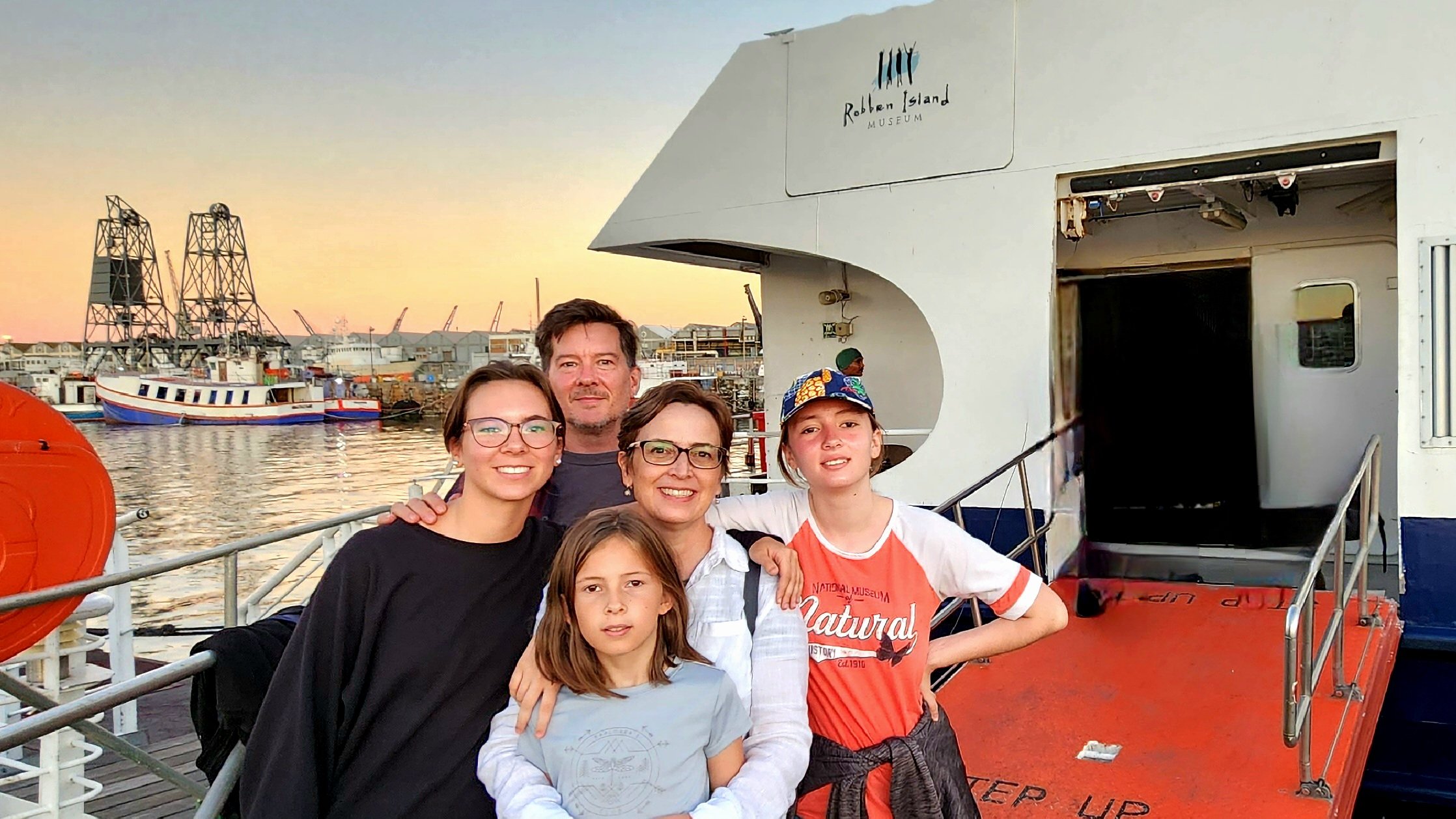
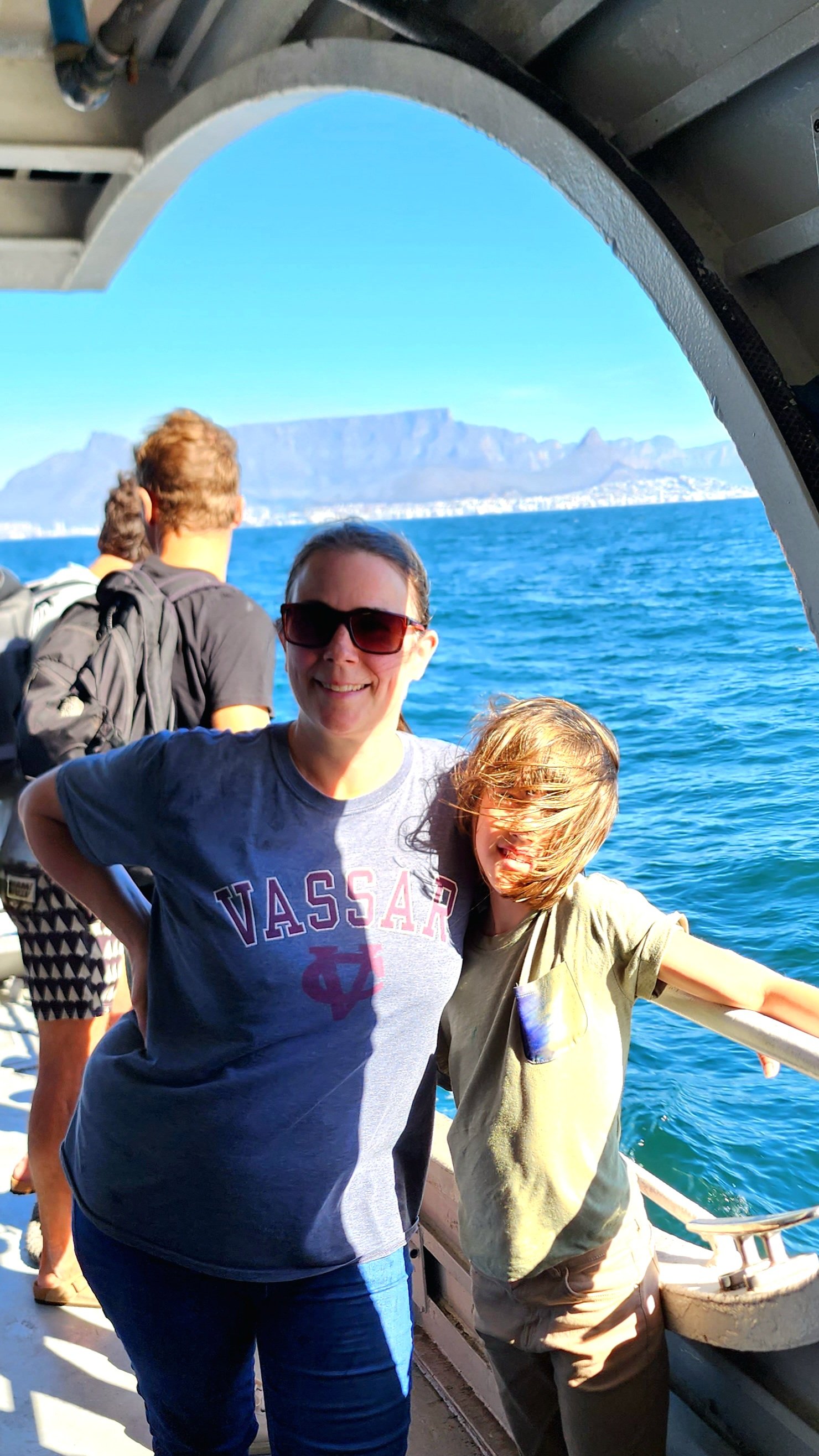
In the afternoon, we took a ferry to Robben Island for a tour of the island and prison where Nelson Mandela spent 18 of his 27 years in jail. Mila felt a bit seasick, so one of the crew let us sneak out on the deck for some fresh air where we had great views of the approaching island and Cape Town nestled below Table Mountain behind us.
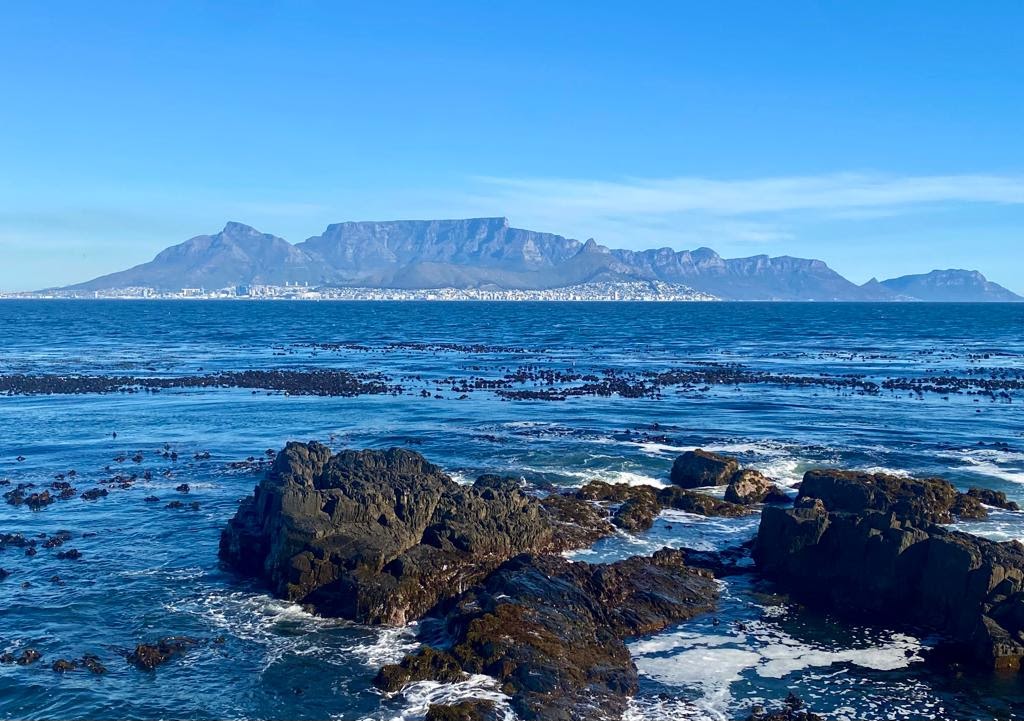
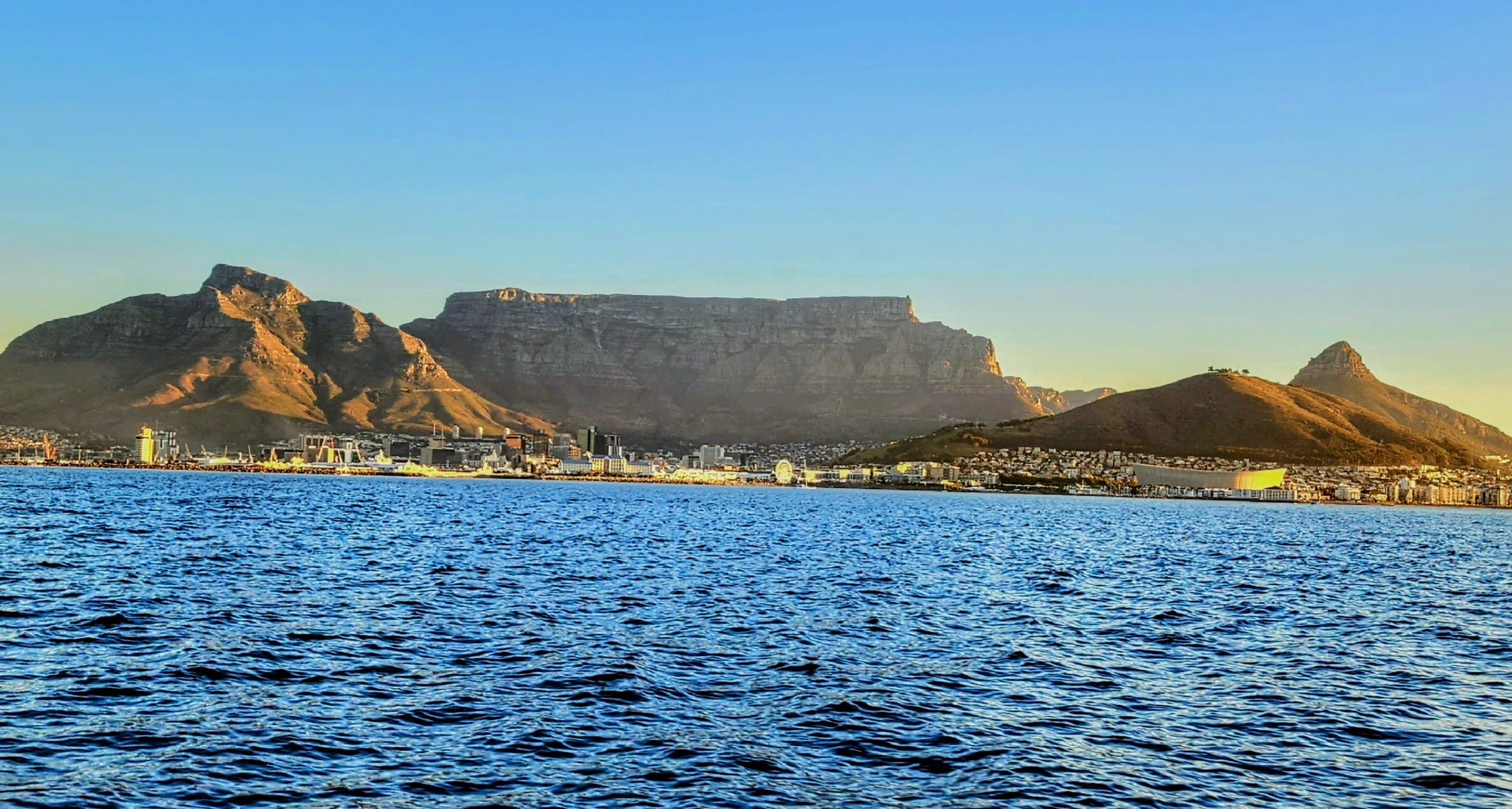
After the ferry docked, we were taken on a bus tour around the island. We saw our first penguin and had a short “traffic jam” caused by a turtle crossing the road. We saw the infamous limestone quarry where inmates were subjected to manual labor under inhumane conditions. Many later suffered from cancer and eyesight issues due to their time in the quarry. Today, the island is home to around 130 people- guides, scientists, drivers, and their families- and we heard multiple jokes about the privileges of living there- no crime, no covid, no load shedding (the planned daily power outages that help reduce the strain on the energy grid).
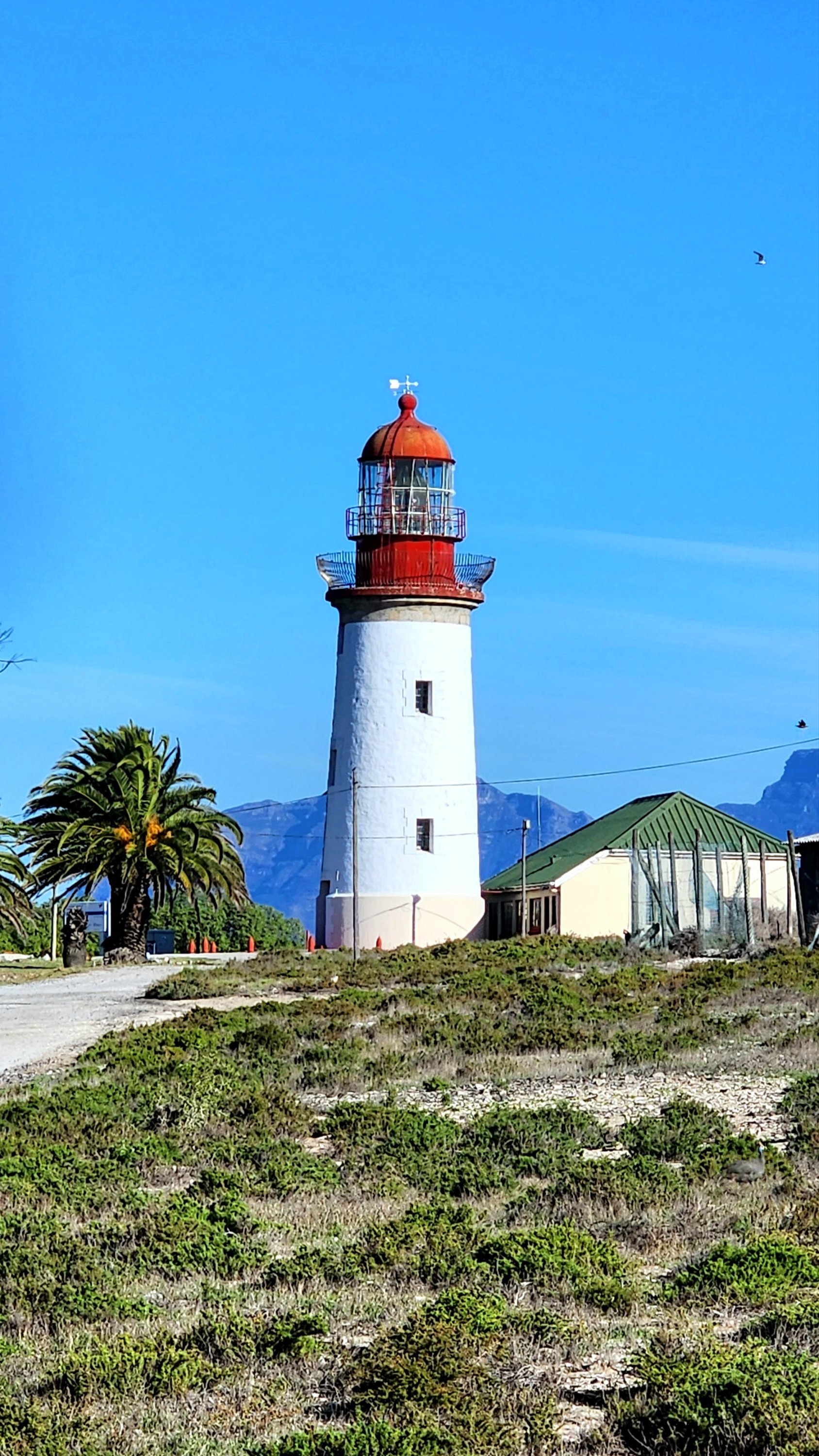
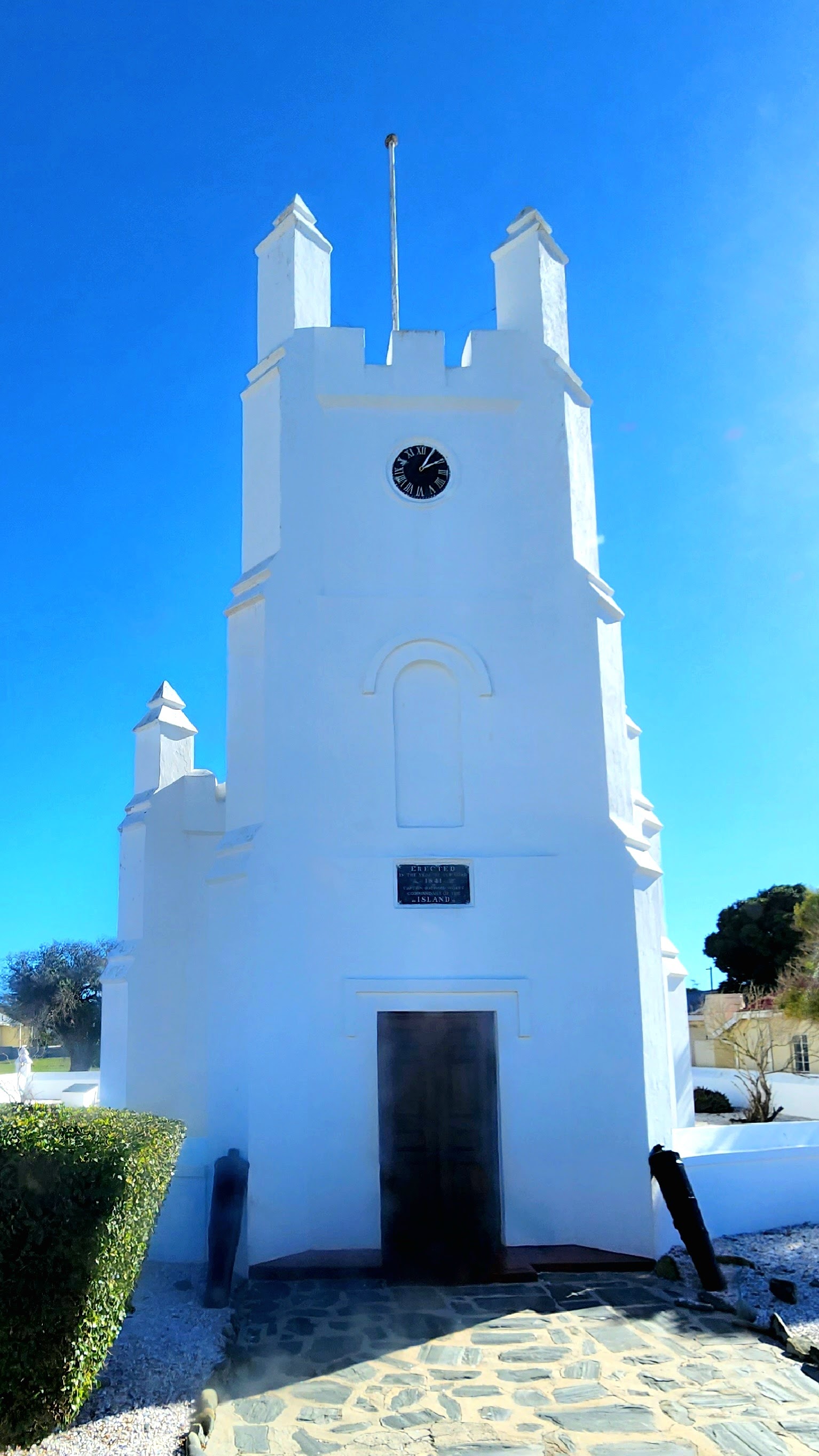
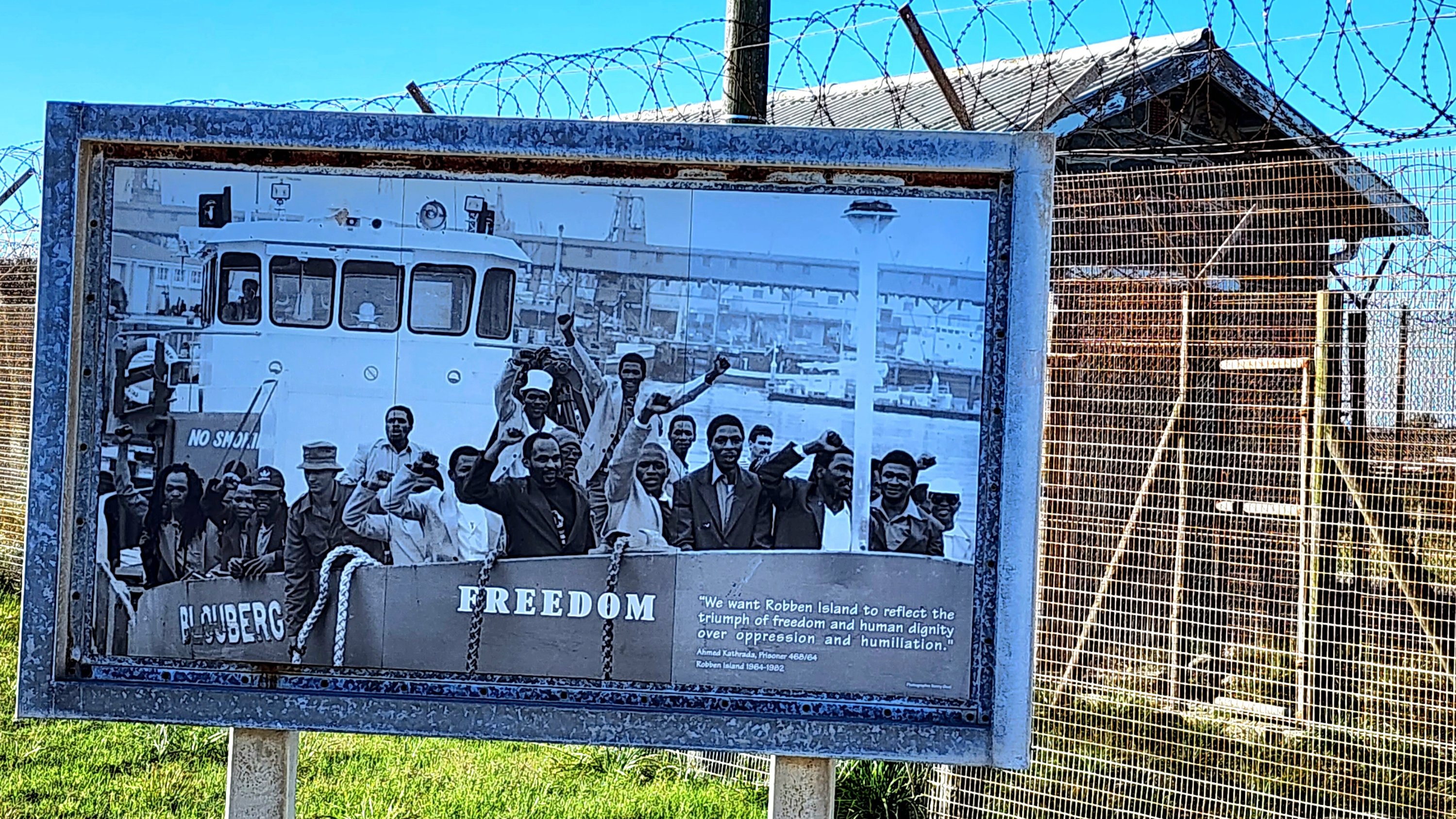
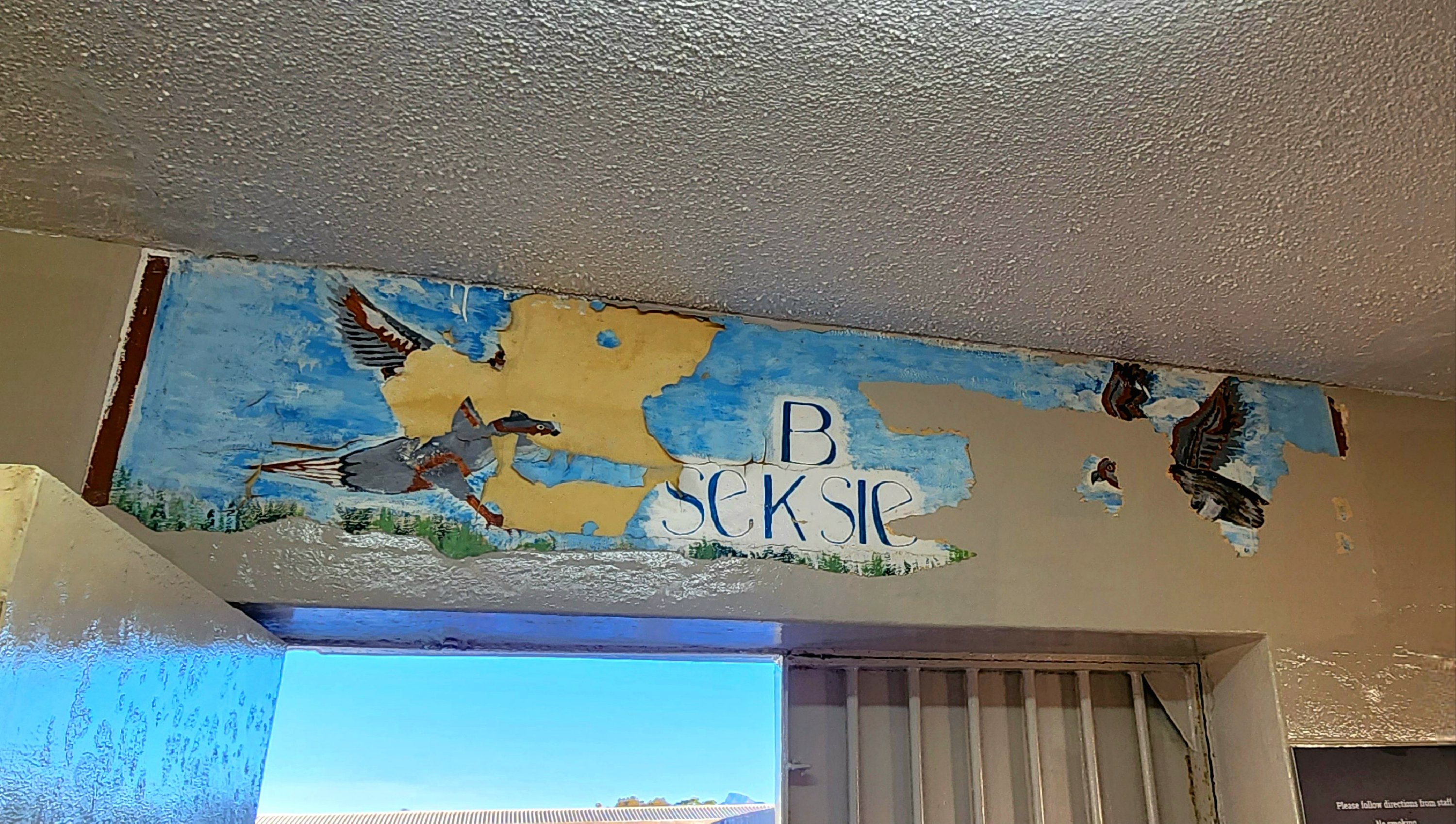
The guides of the prison complex are all former inmates, so we had the unique opportunity to hear a firsthand account of the prison experience during apartheid. Our guide Sparks was arrested at age 17 for terrorism after joining the ANC and served 7 years before his release in 1990. In a booming voice with a rhythmic cadence, he shared with us the details of the harsh conditions for inmates while we sat in the group cell that housed 60 inmates with only 2 toilets, three showers, and windows without glass to protect them from the cold and the wind.
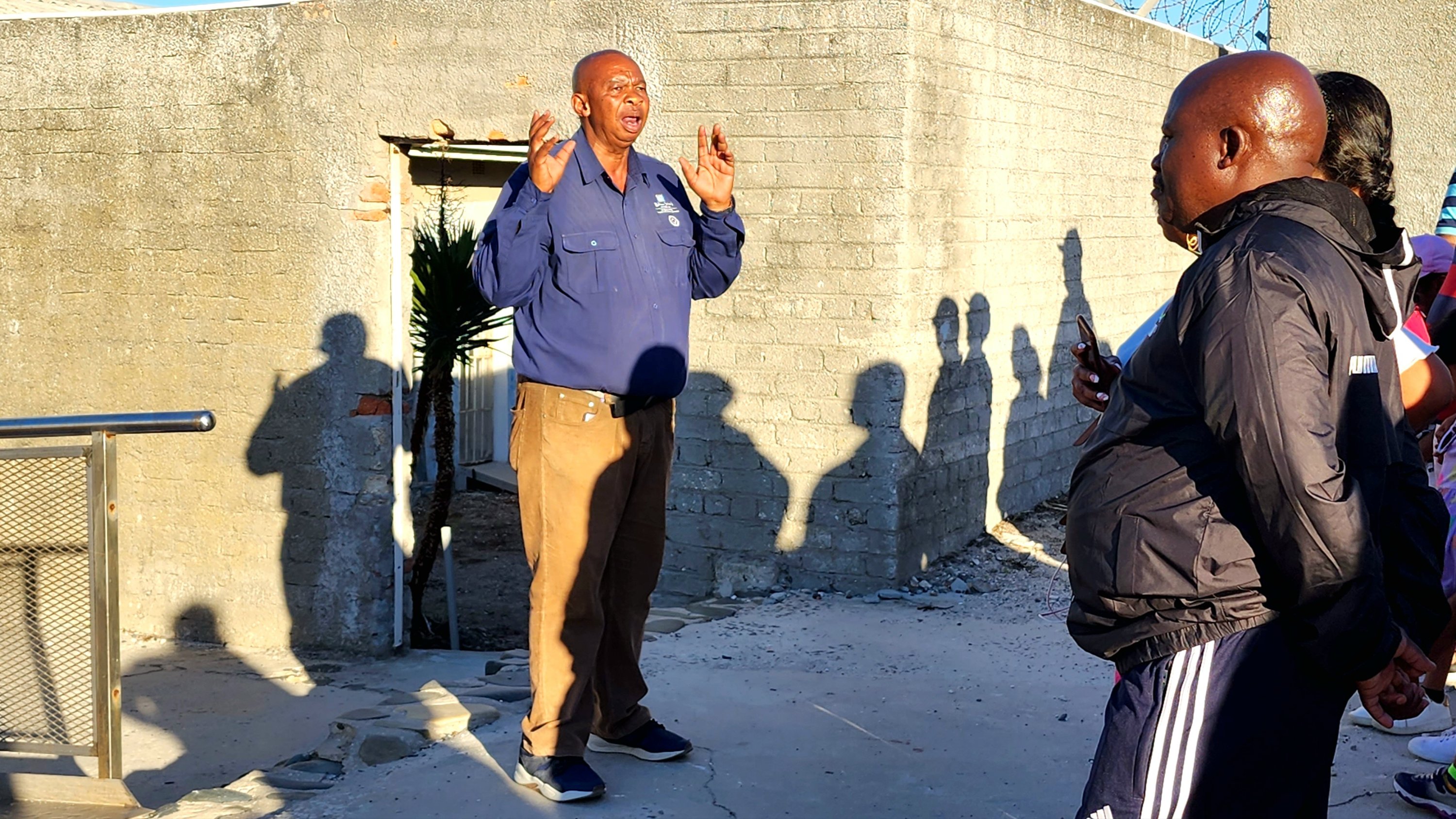
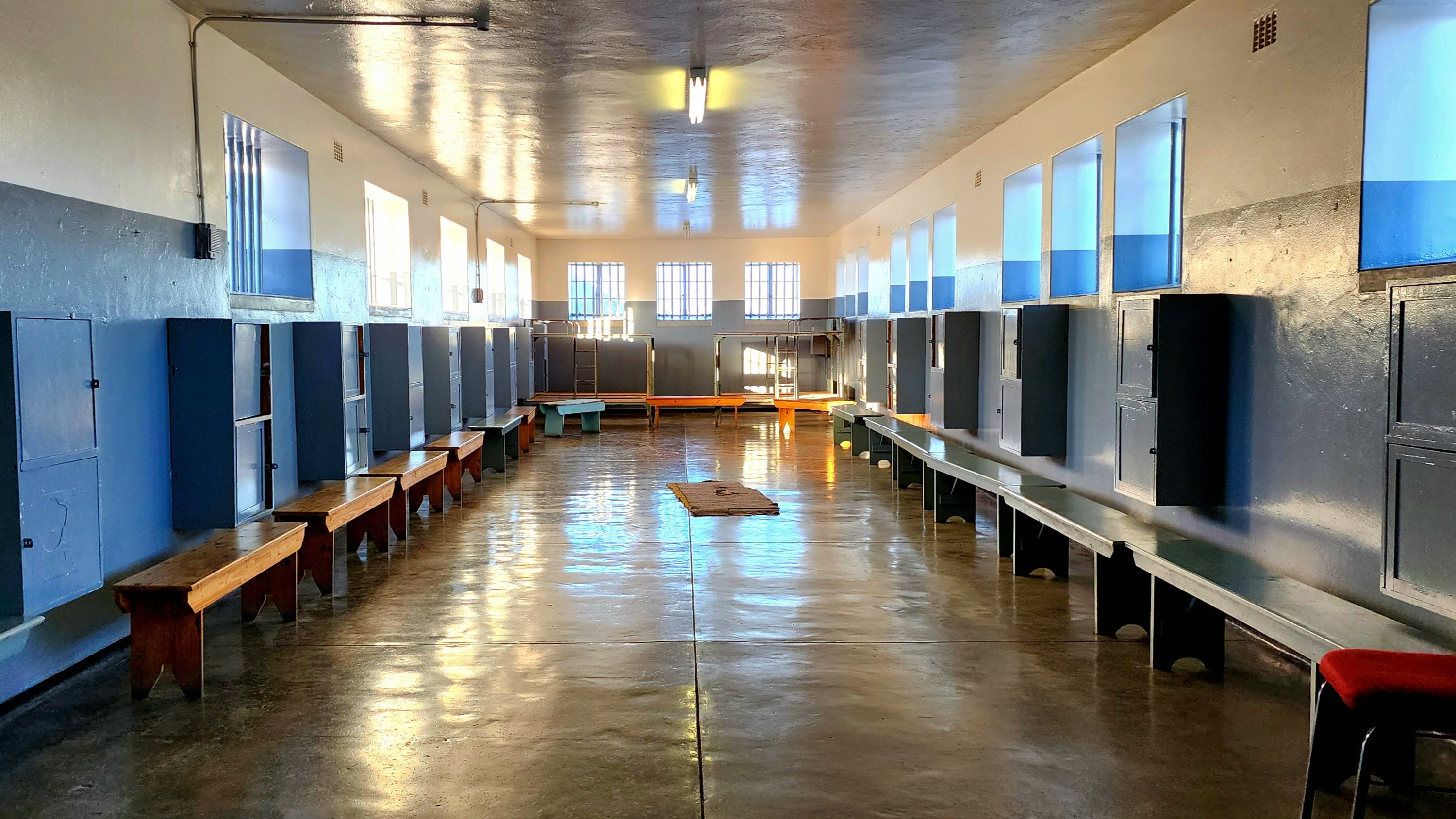
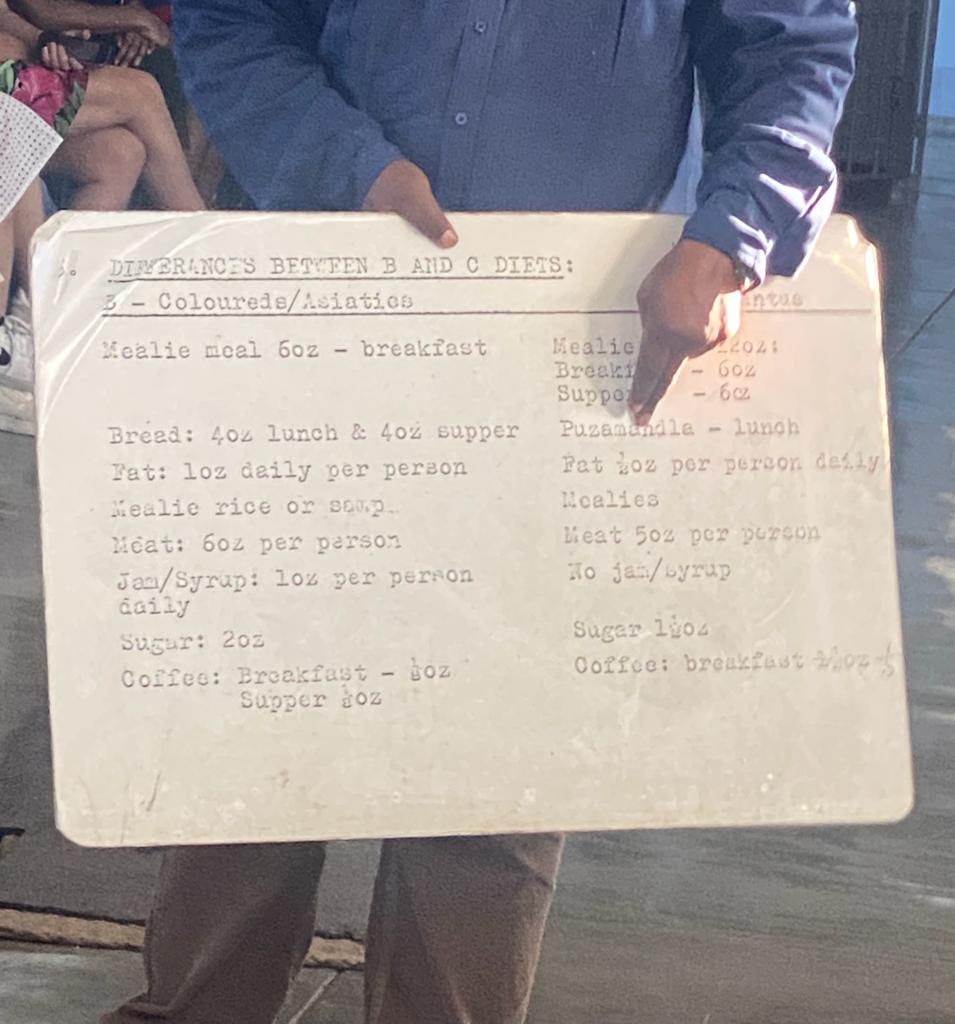
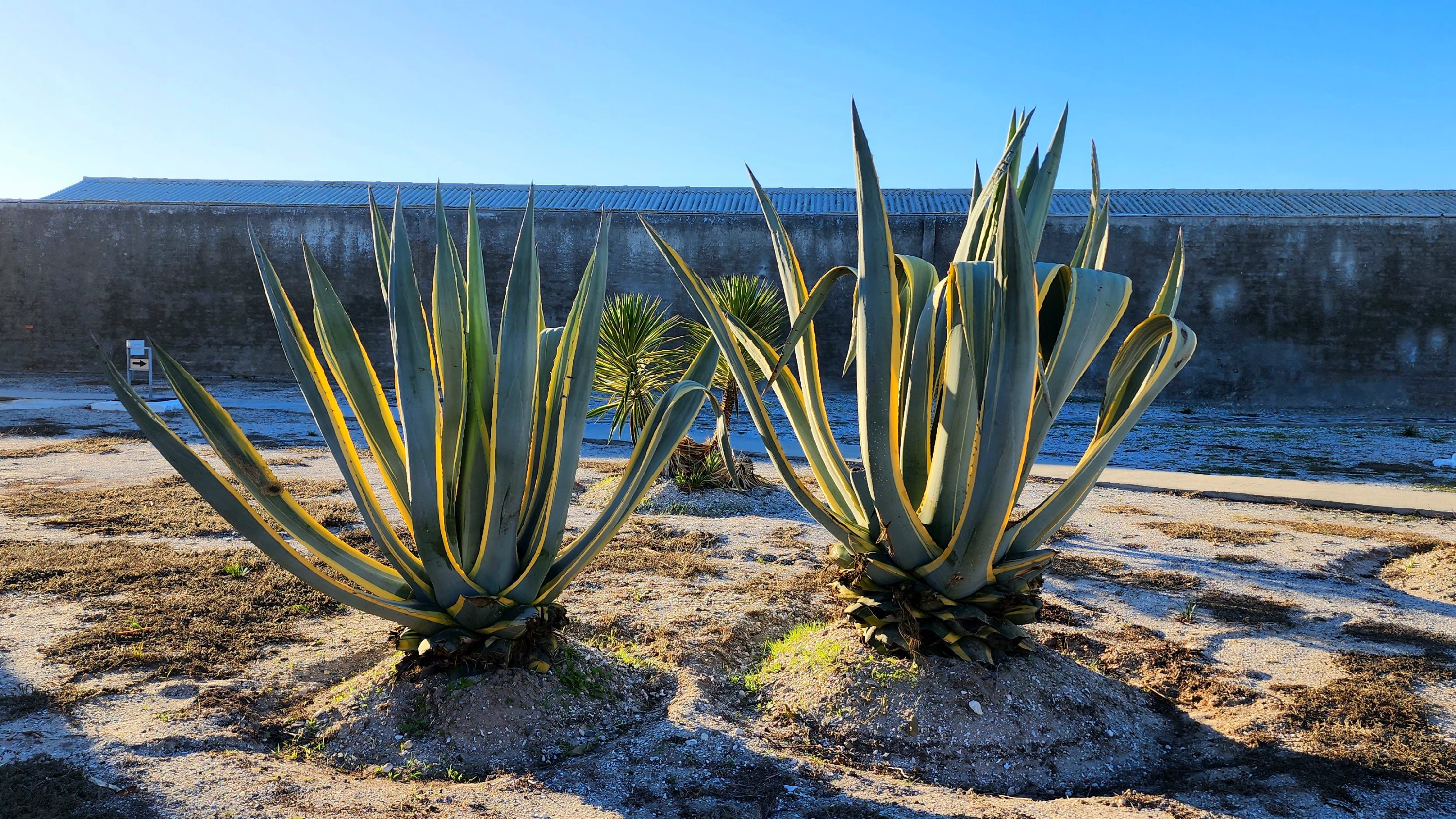
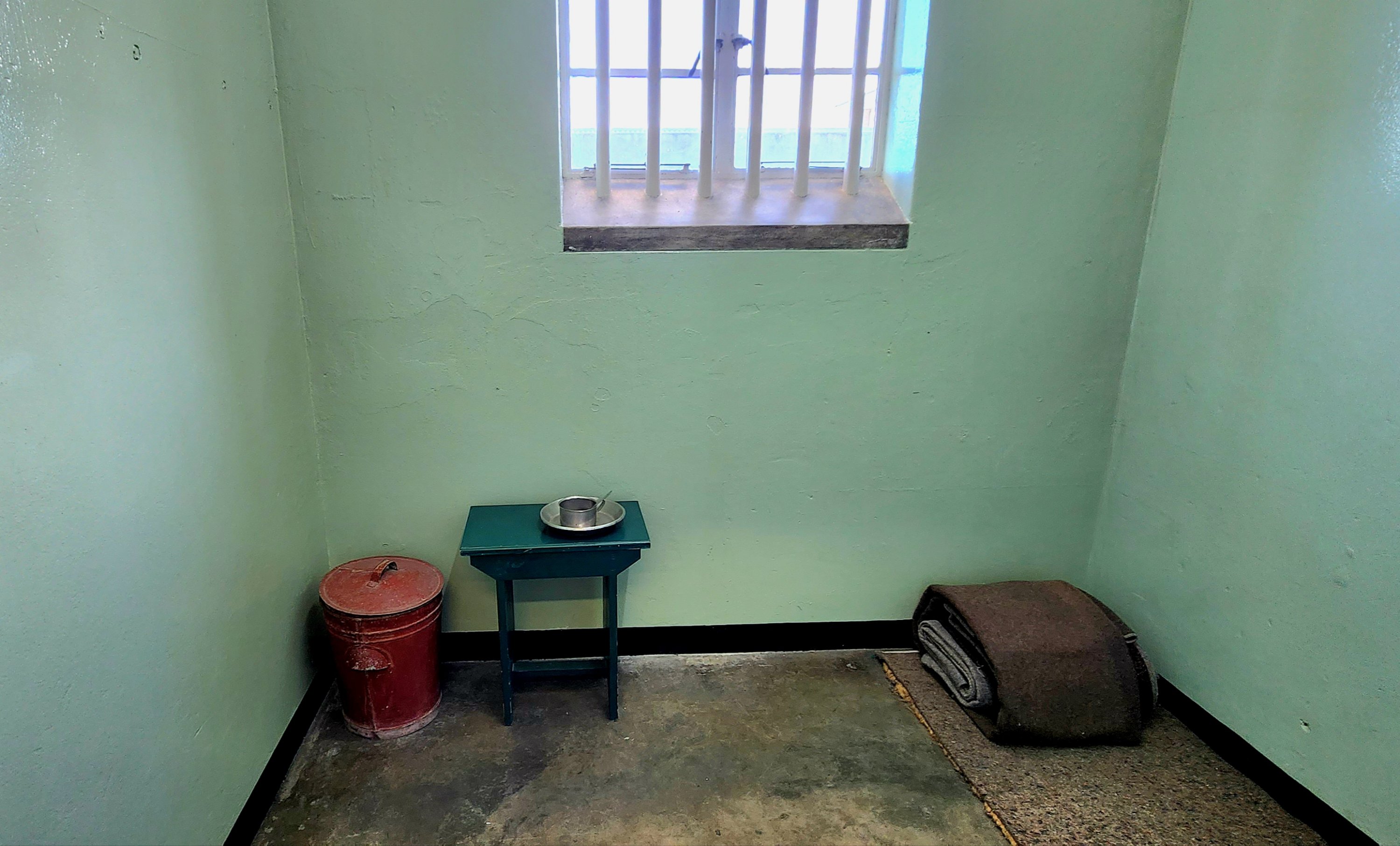
We saw the yard where Mandela gardened, hiding pages of his manuscript for A Long Walk to Freedom in the dirt. At the end of the tour, we glimpsed inside his small cell. It was an honor to meet Sparks and to hear his personal story-an experience that I think our kids will always remember. You can read more about Sparks in the article linked below.
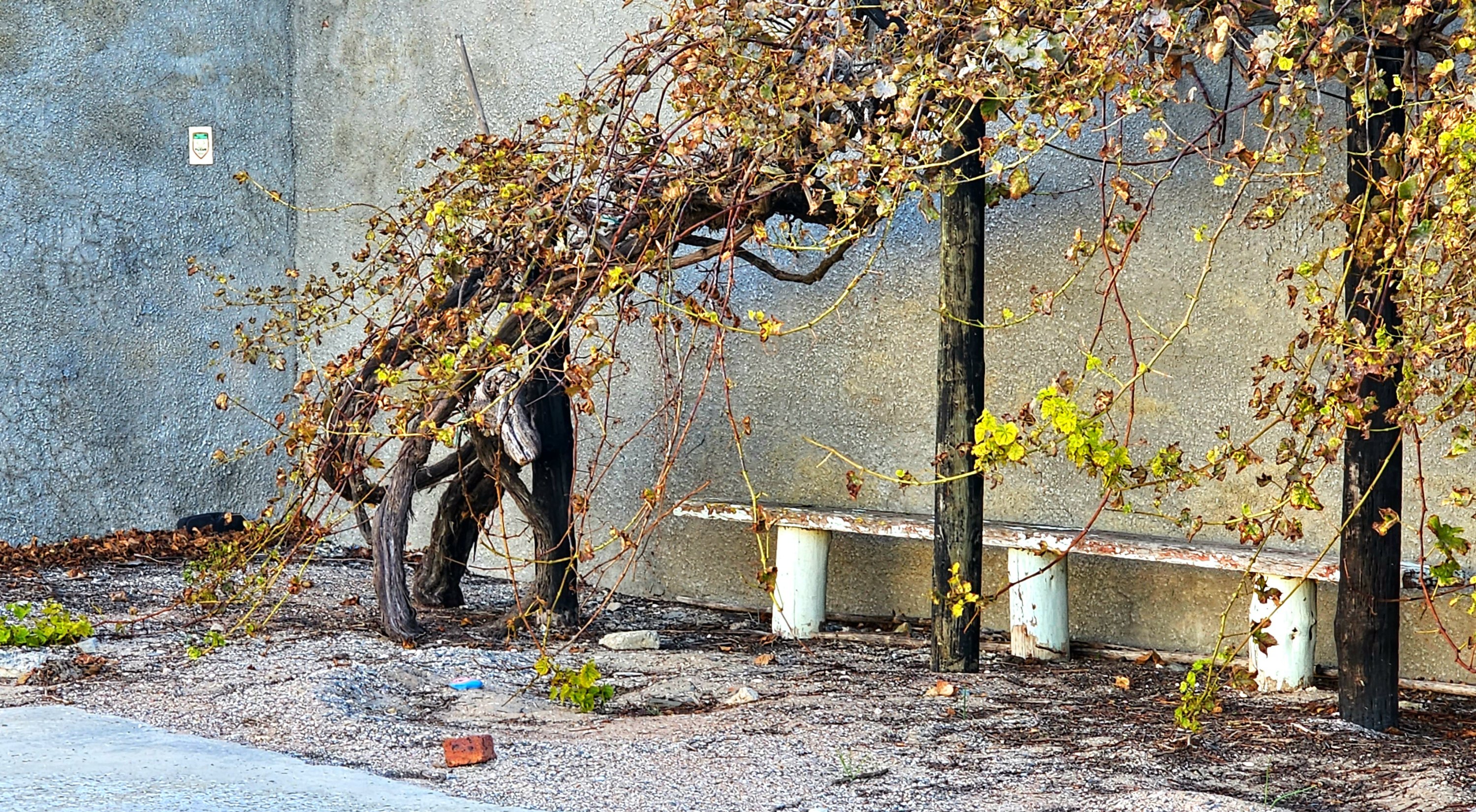
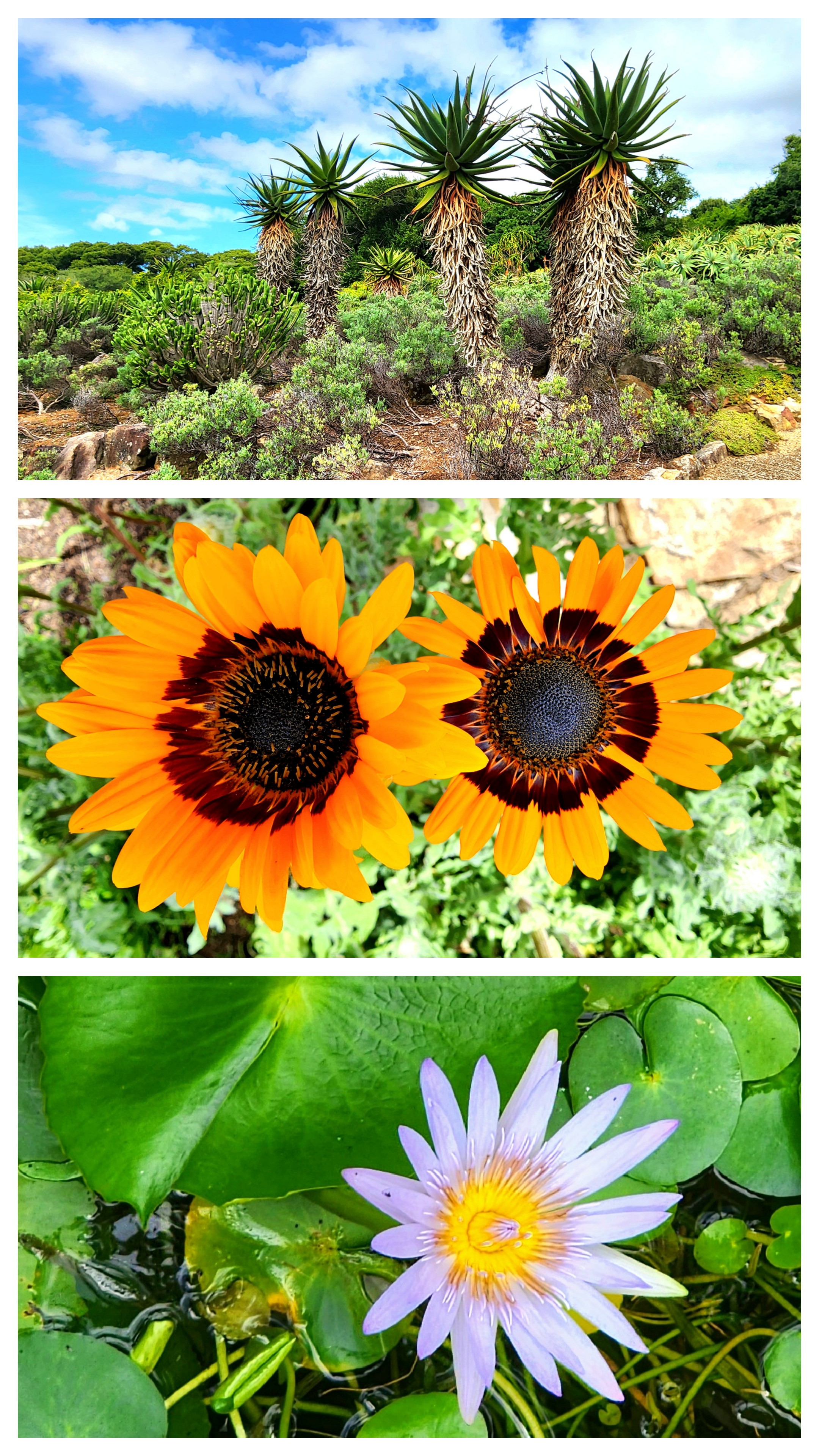
The next day, we enjoyed a short visit to the Kirstenbosch Botanical Garden, where we strolled the grounds, enjoying the beauty of the surroundings and the weather.
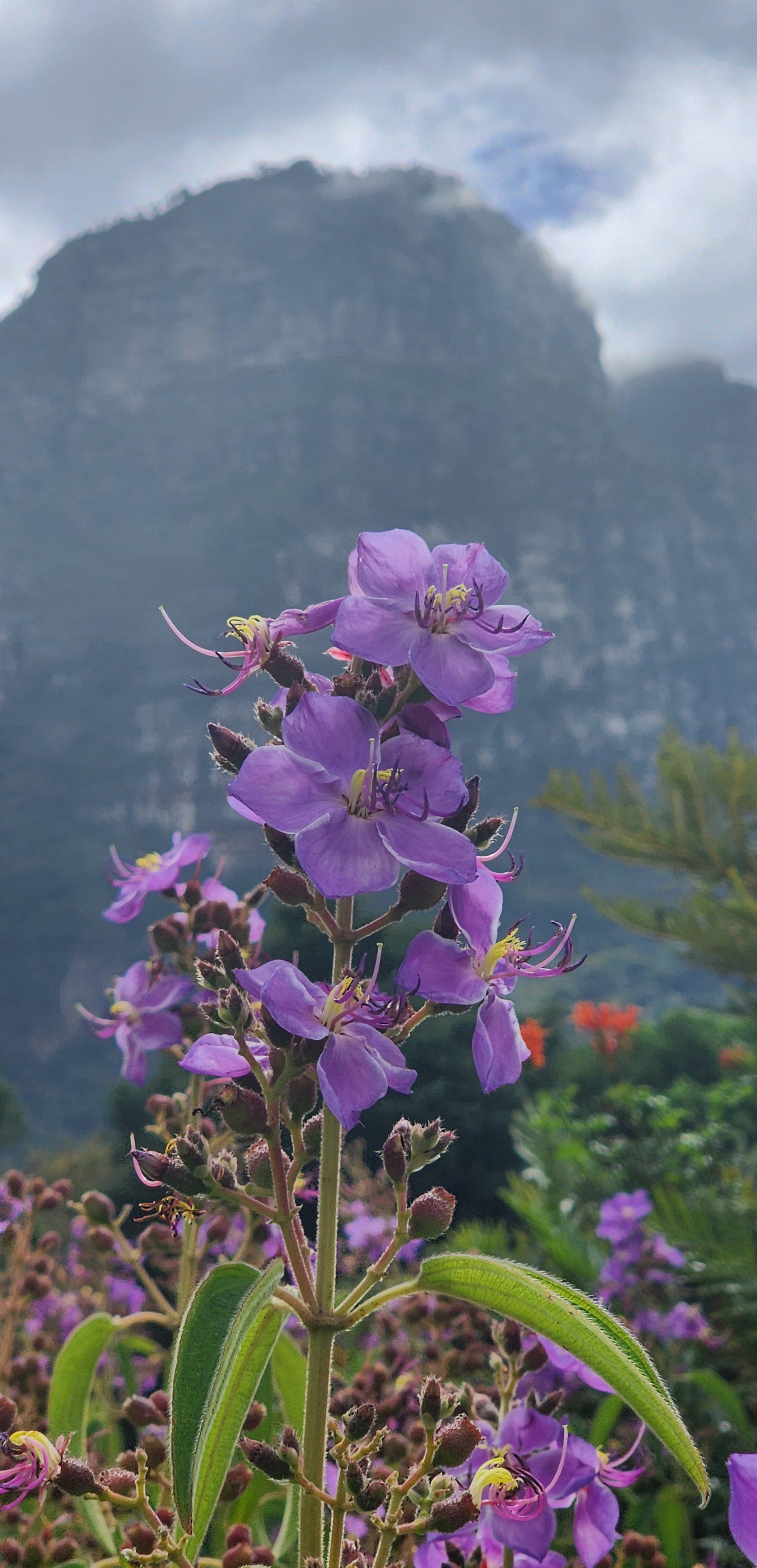
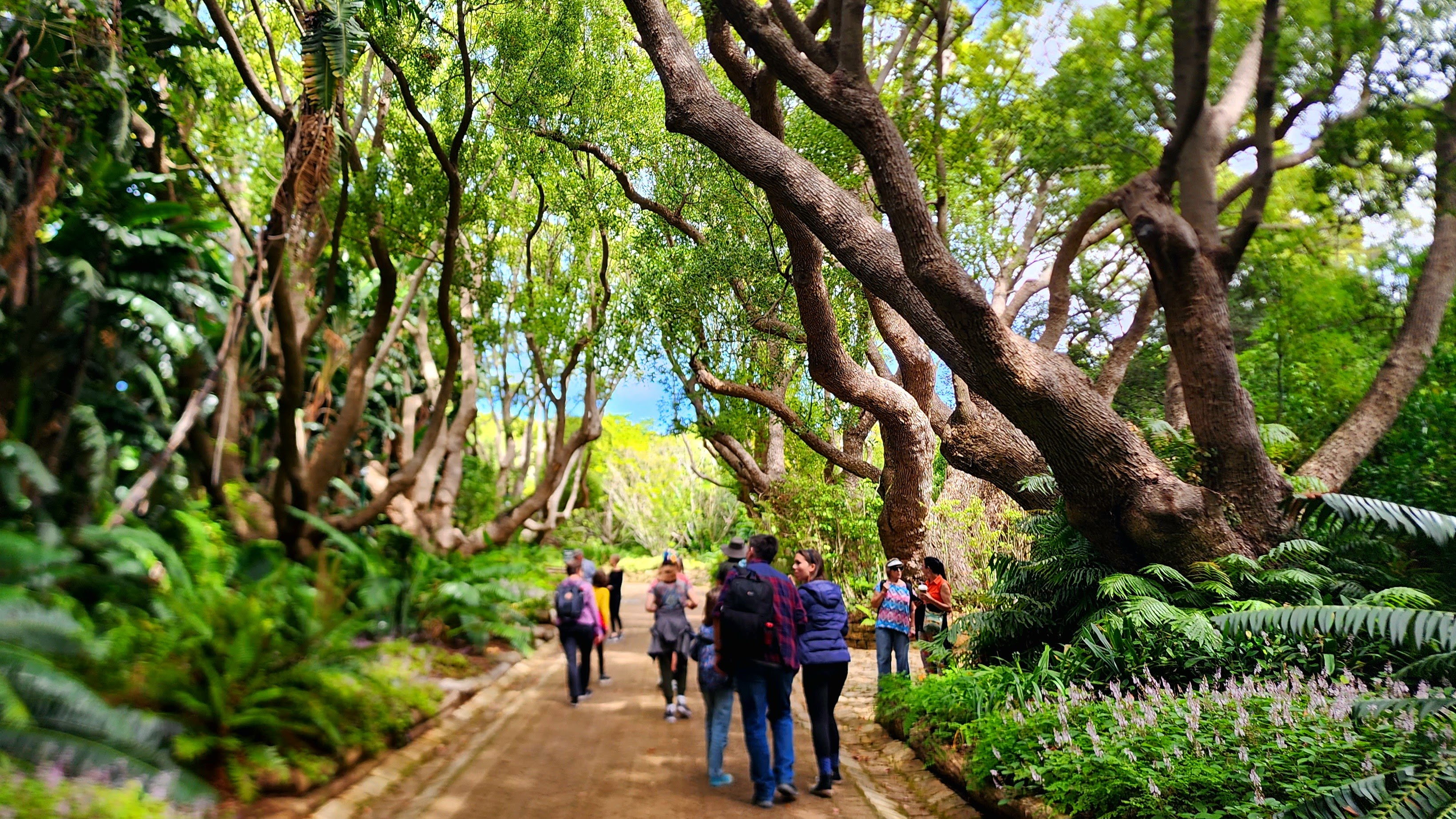
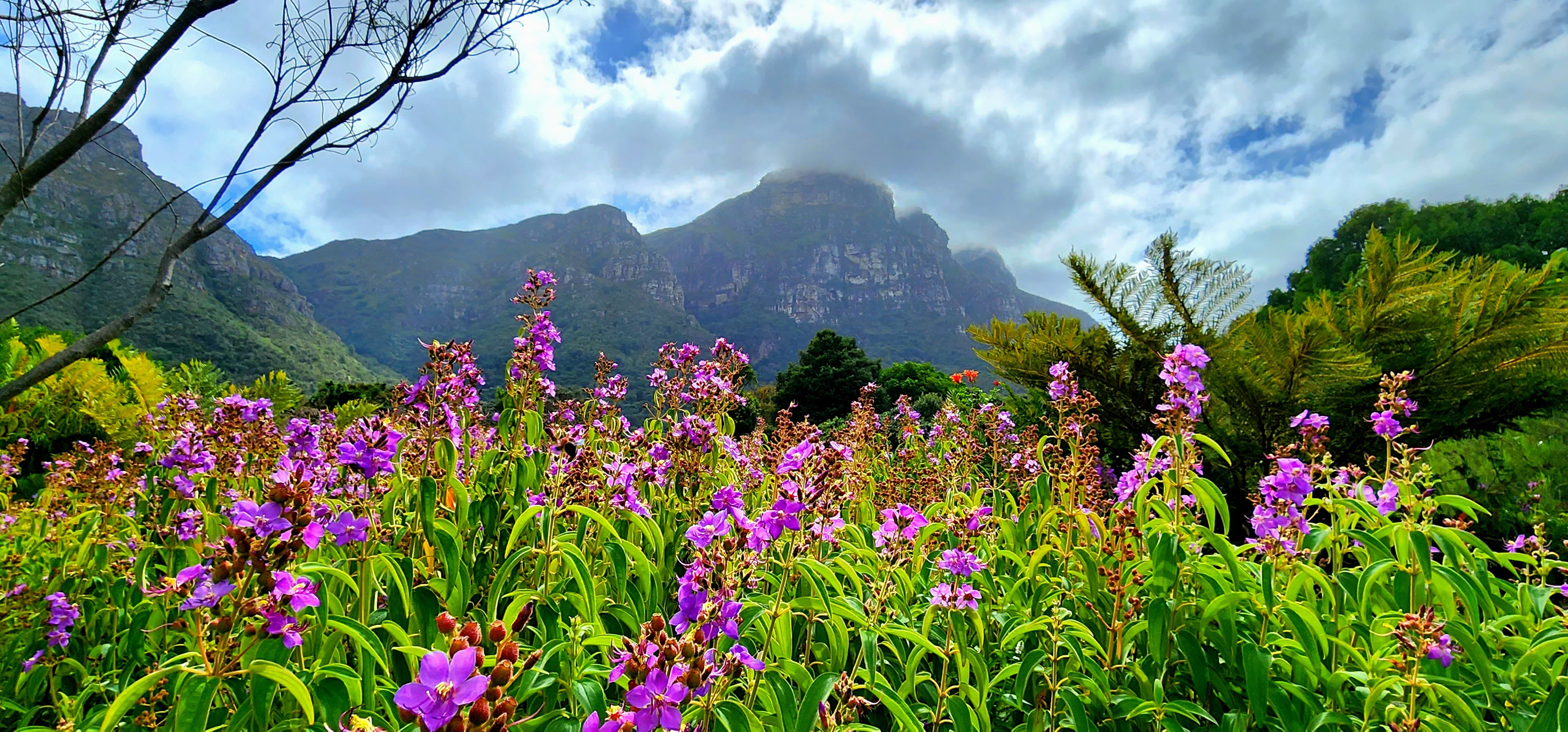
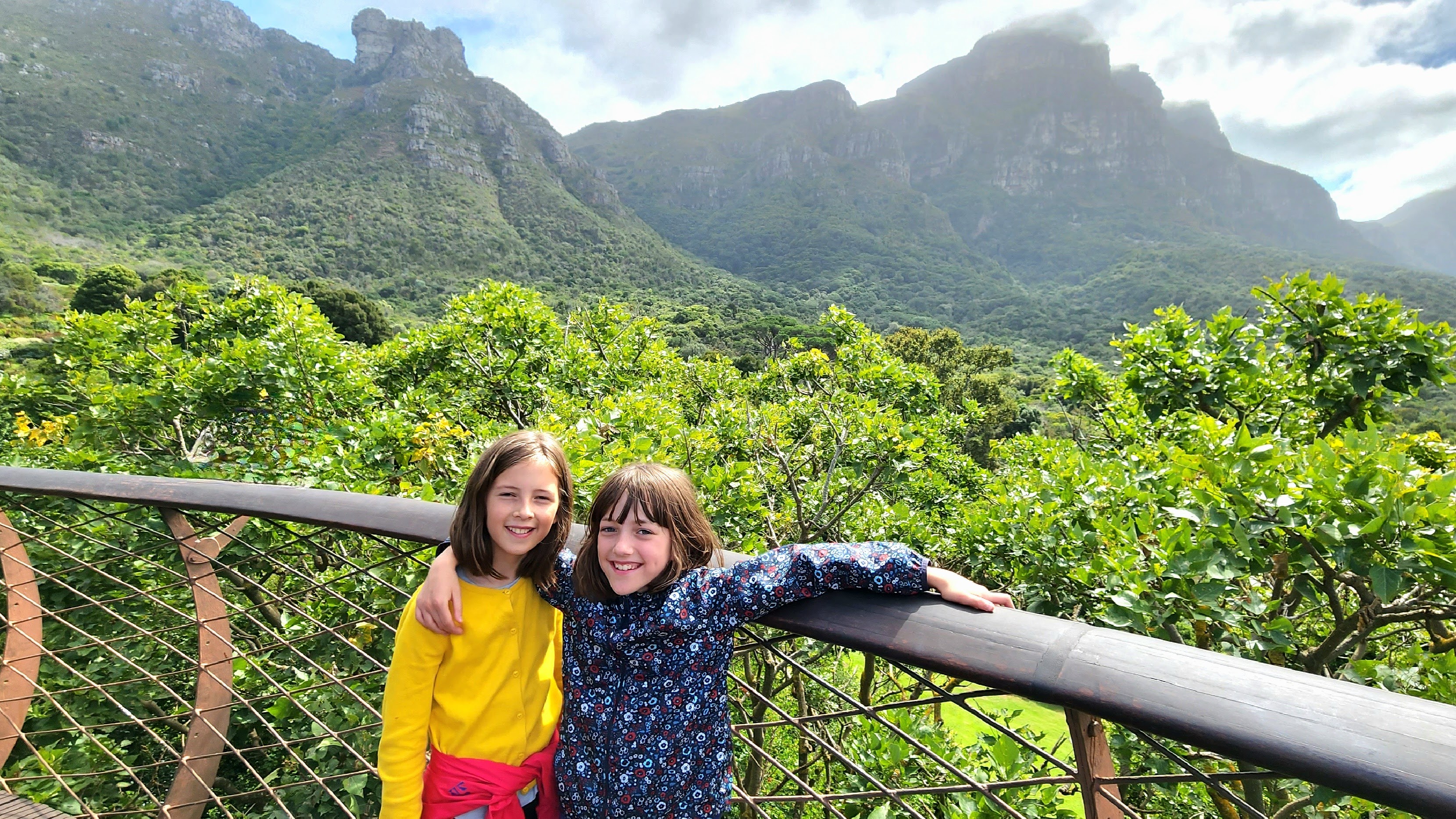
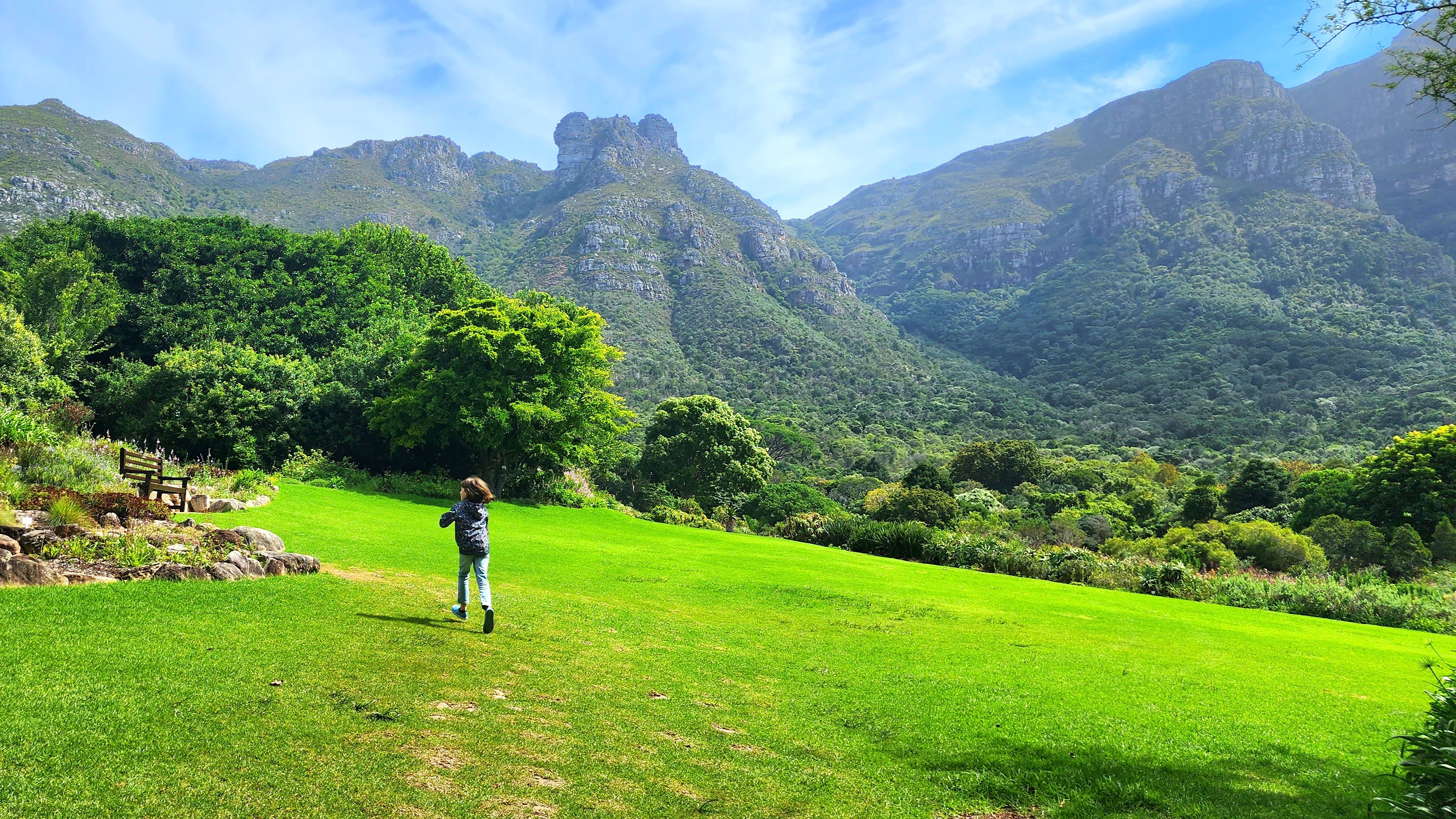
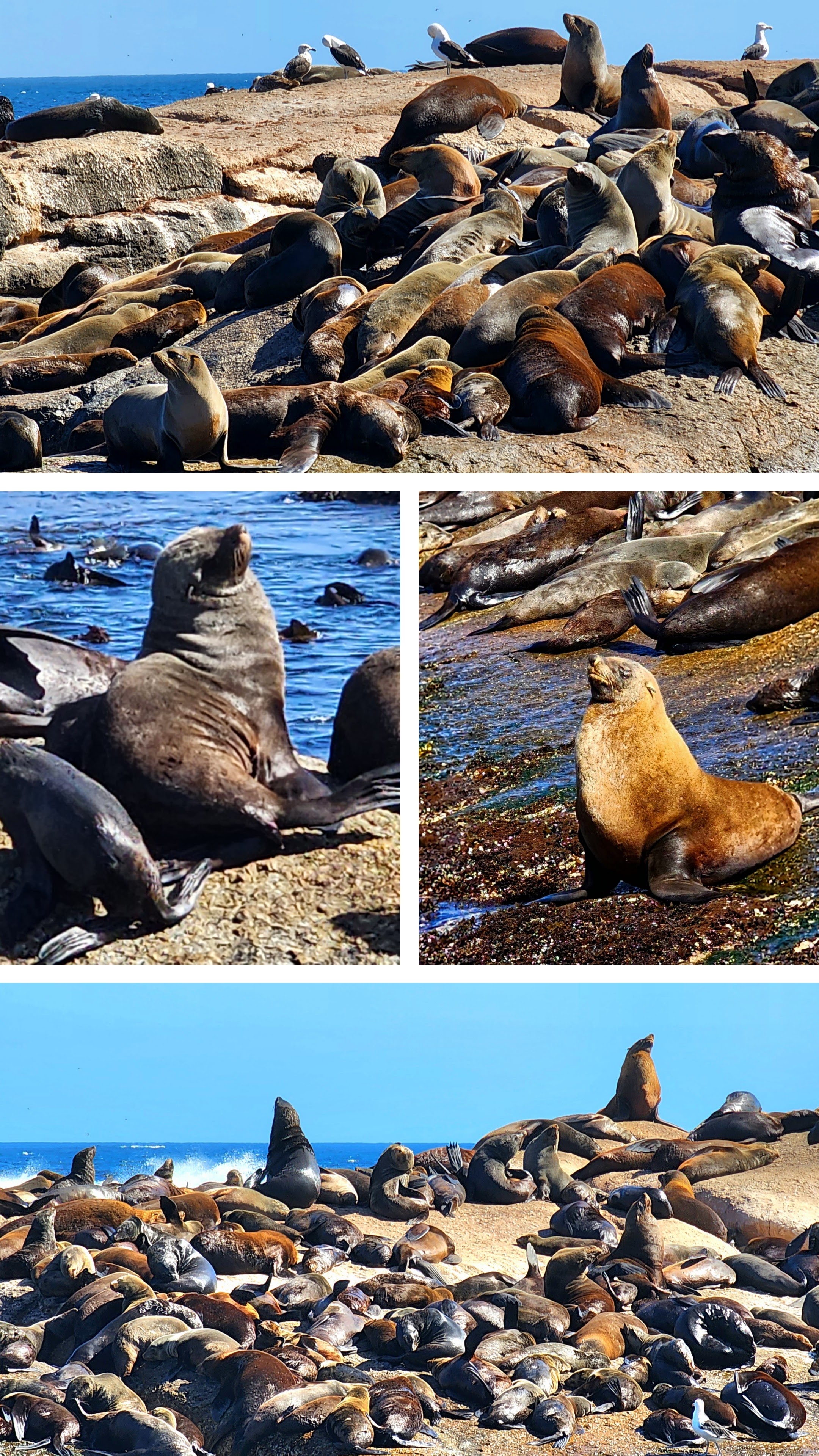
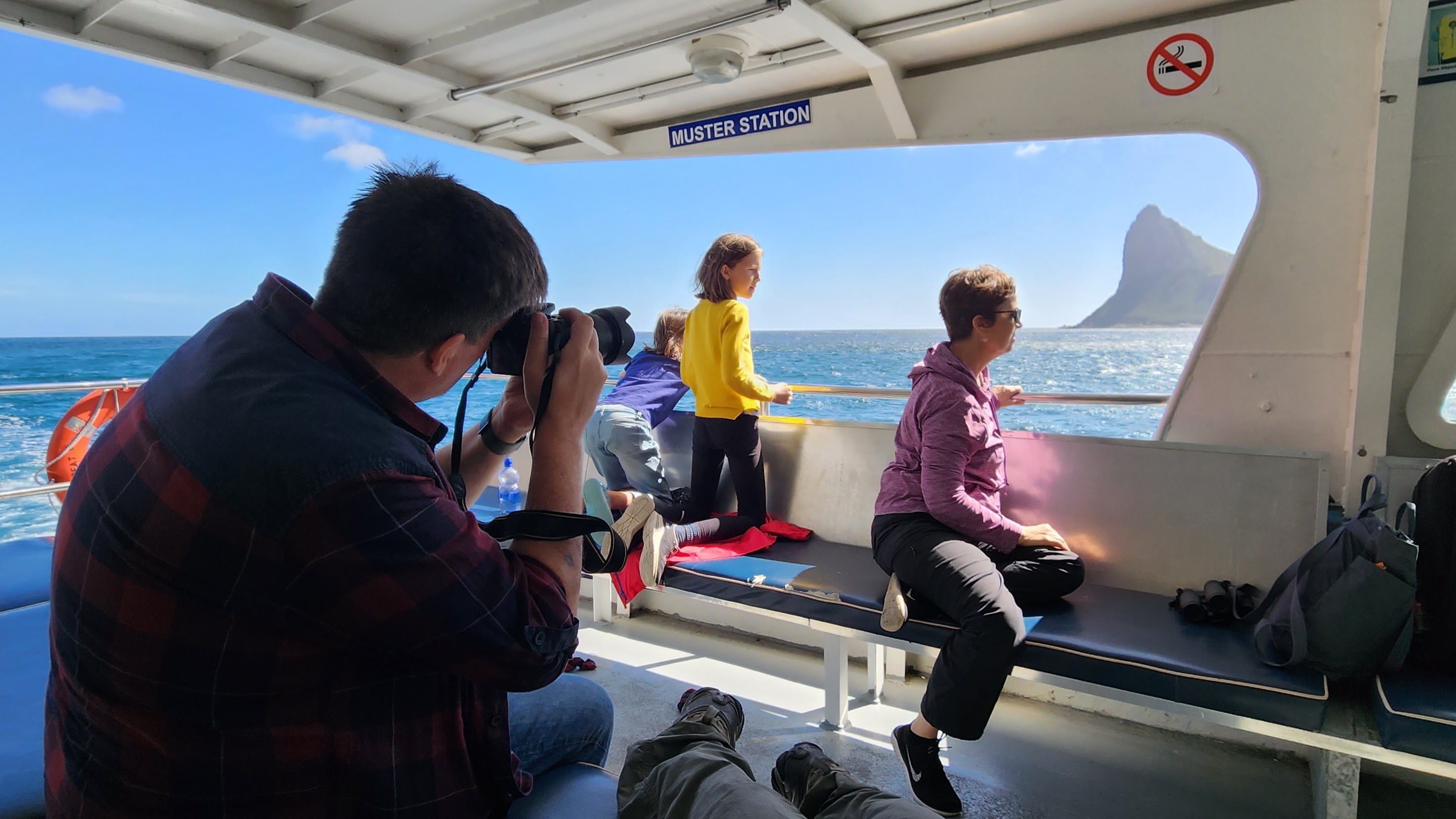
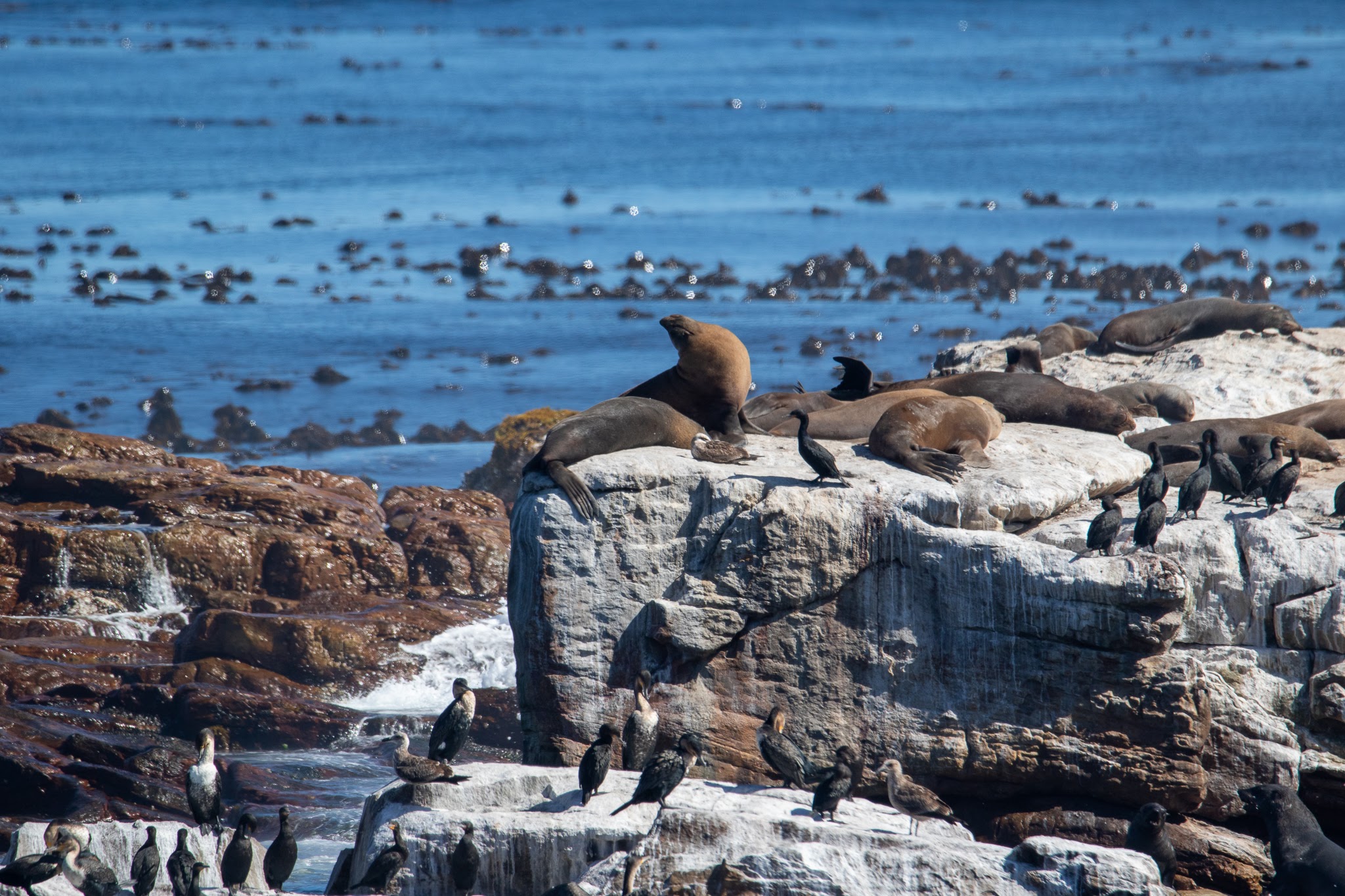
We wished we had more time to explore the gardens, but we had reservations for a cruise to Seal Island in False Bay. The island is home to approximately 70,000 Cape fur seals and has frequent visits in the winter months from great white sharks. We didn’t see any sharks, but we did see (and smell) LOTS of seals swimming and basking on the rocks.
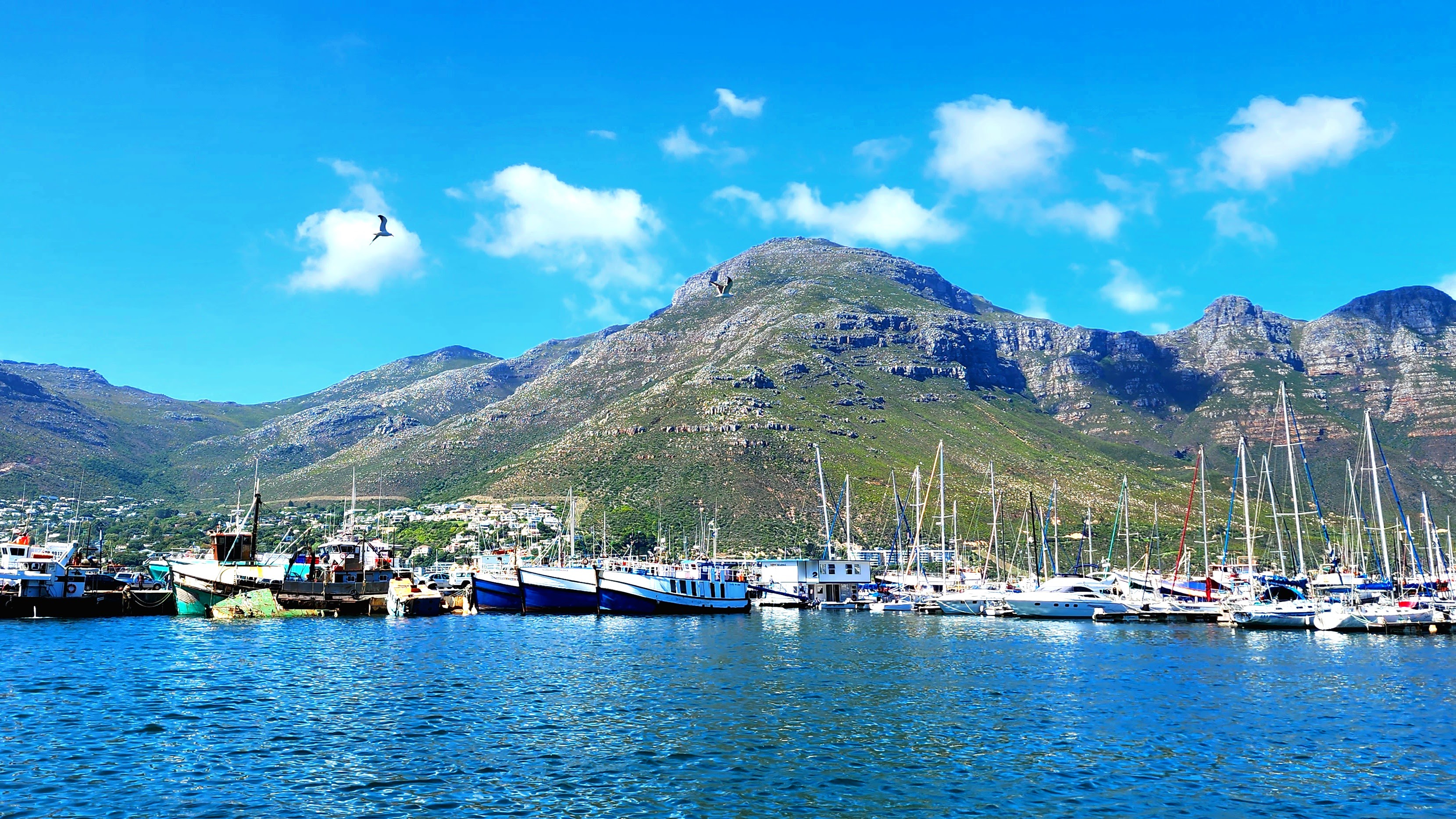
As we approached the end of our stay in the city, we had three main goals remaining: 1. Get to the top of Table Mountain, 2. Have a wine tram experience to Stellenbosch or Franschhoek 3. Redeem as much free stuff as possible from our HOHO City Pass. Sadly, the logistics didn’t work out for the wine tram, but we had success with both of our other goals.
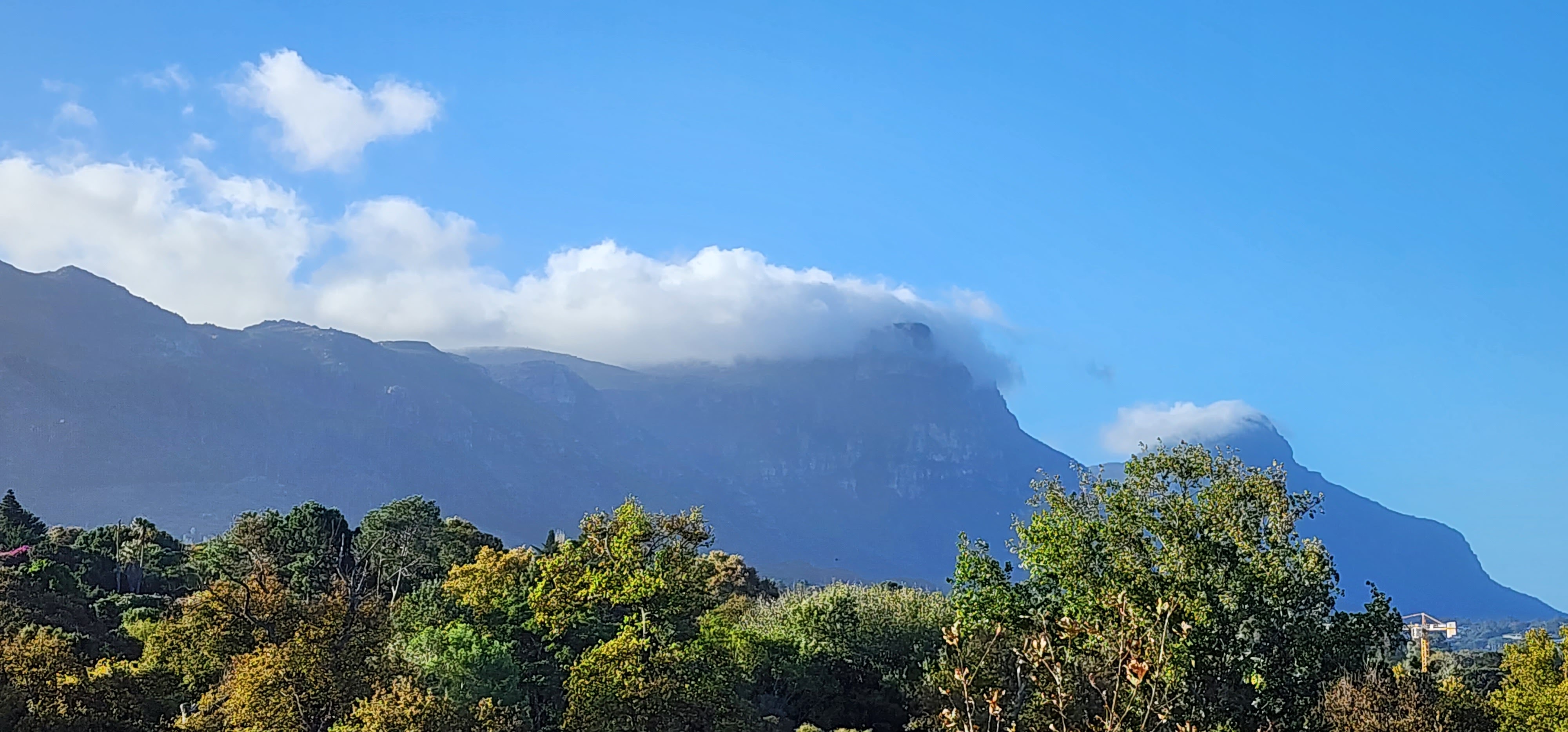
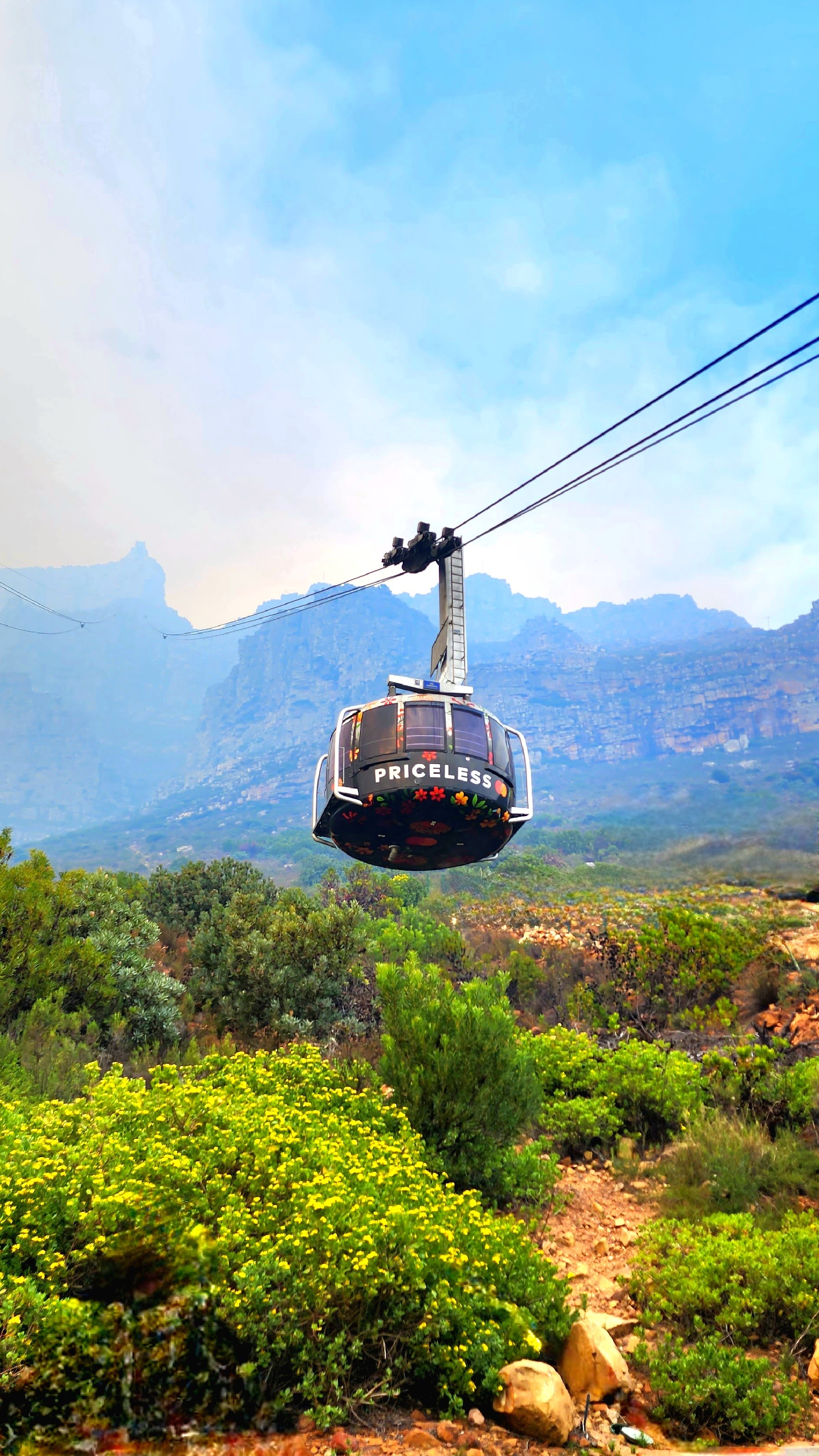
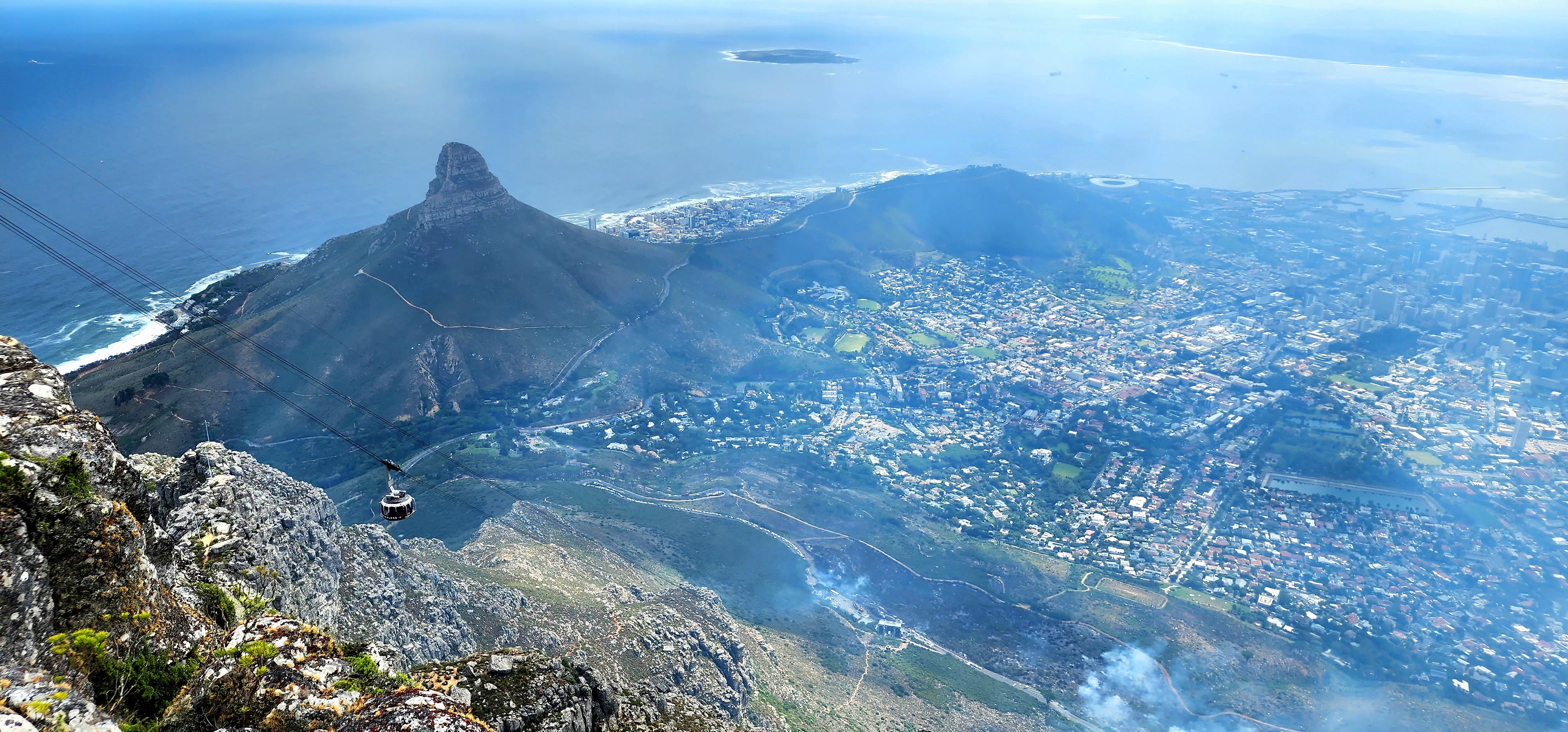
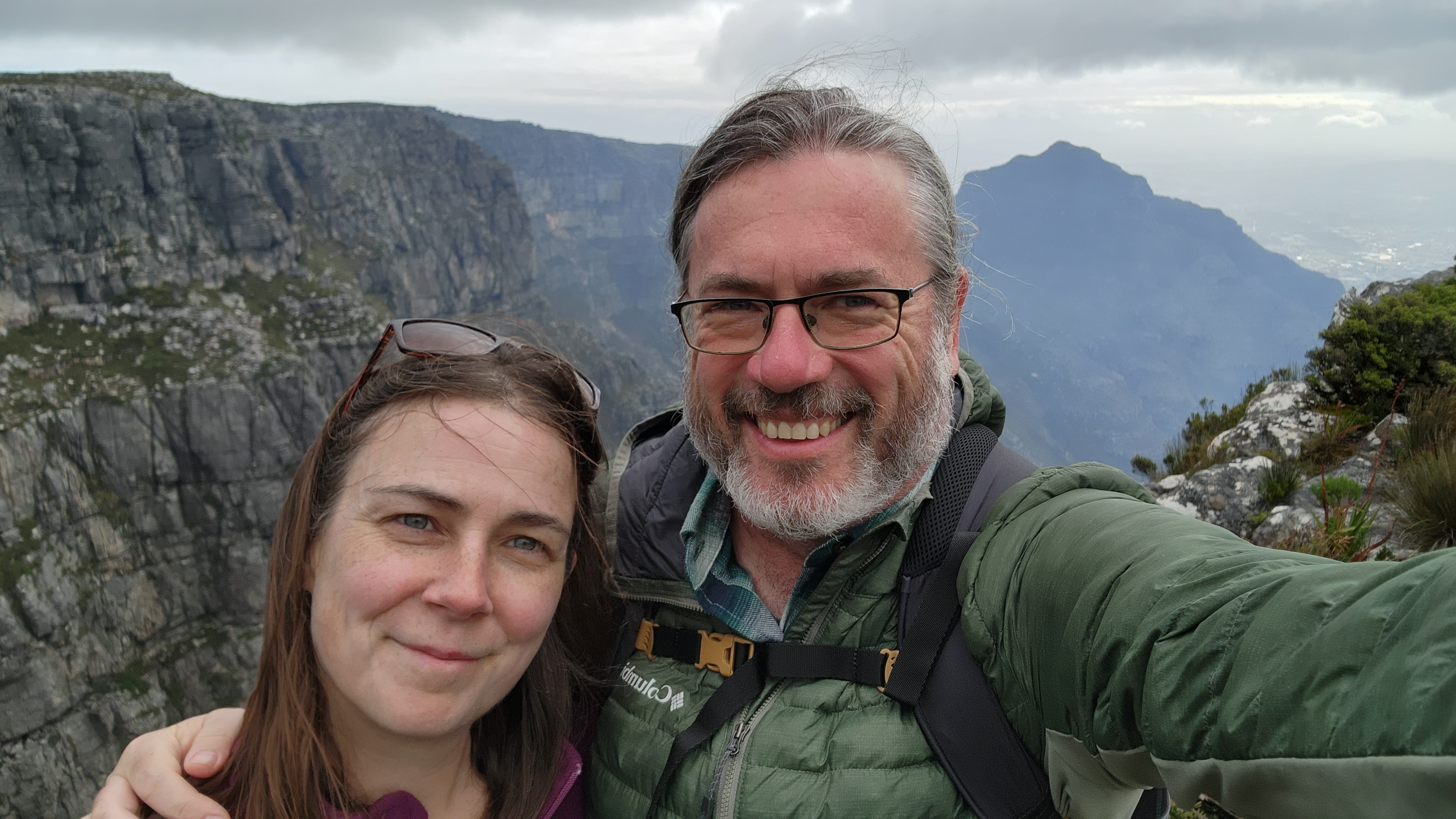
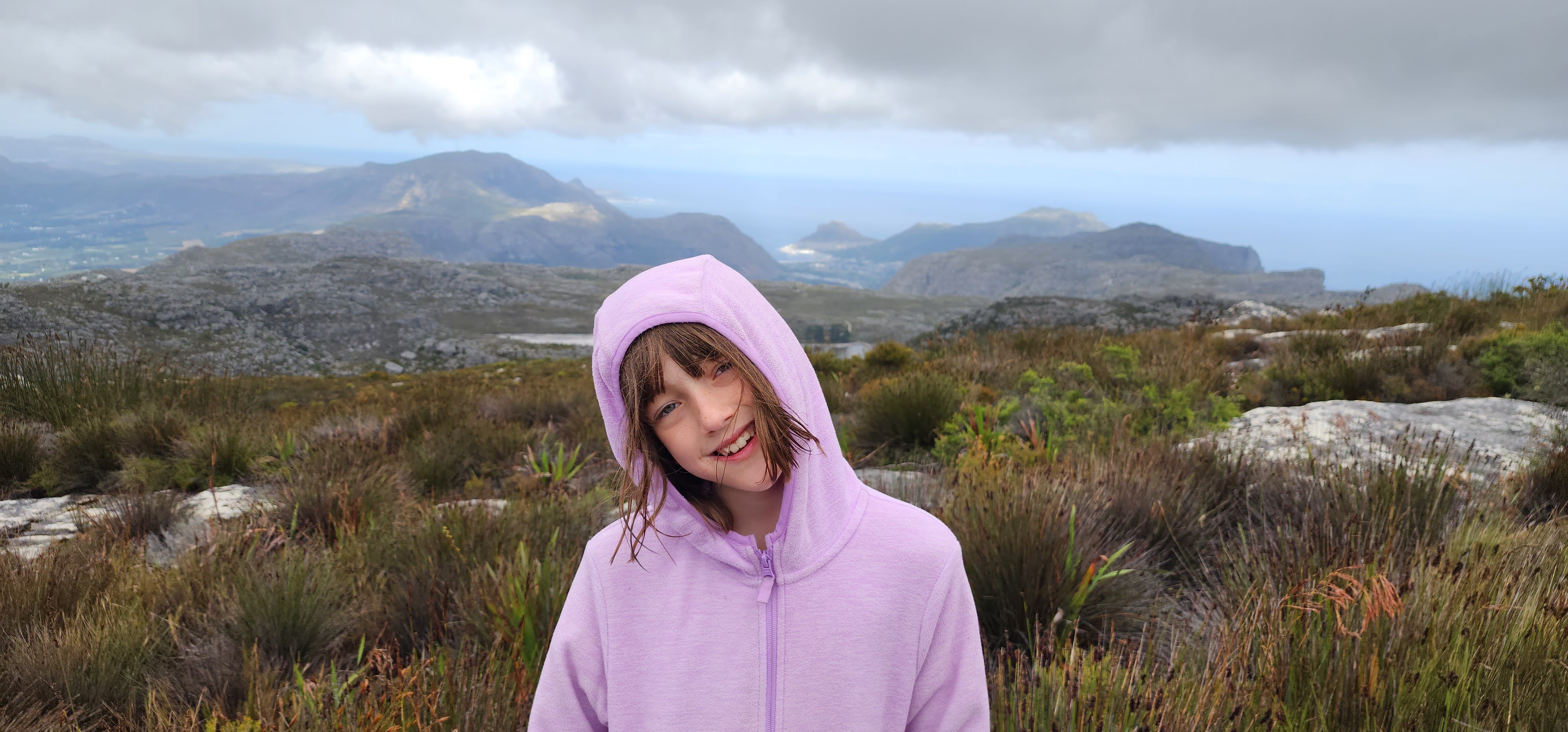
Table Mountain is the most visited national park in South Africa and is one of the “New 7 Wonders of the Natural World.” It is named for its flat top which at over a kilometer in elevation, towers above the city and was a prominent landmark that we viewed throughout our stay. We had heard rumors that the line for the cable car to Table Mountain could be hours long, so we got up early so we could hopefully beat the crowds. Our strategy worked, aided by slightly overcast weather and a controlled burn at the foot of the mountain that may have deterred some visitors. After a short wait, we zipped up to the top on the cable car. The top afforded beautiful views, and after warming up with some coffee and hot cocoa, we took a hike around the top. The area is known for being rich in fauna and flora, many endemic to the area. In addition to the visual beauty, I loved the sounds of our hike- the calming sound of the wind mixed with the soft chirping of frogs.
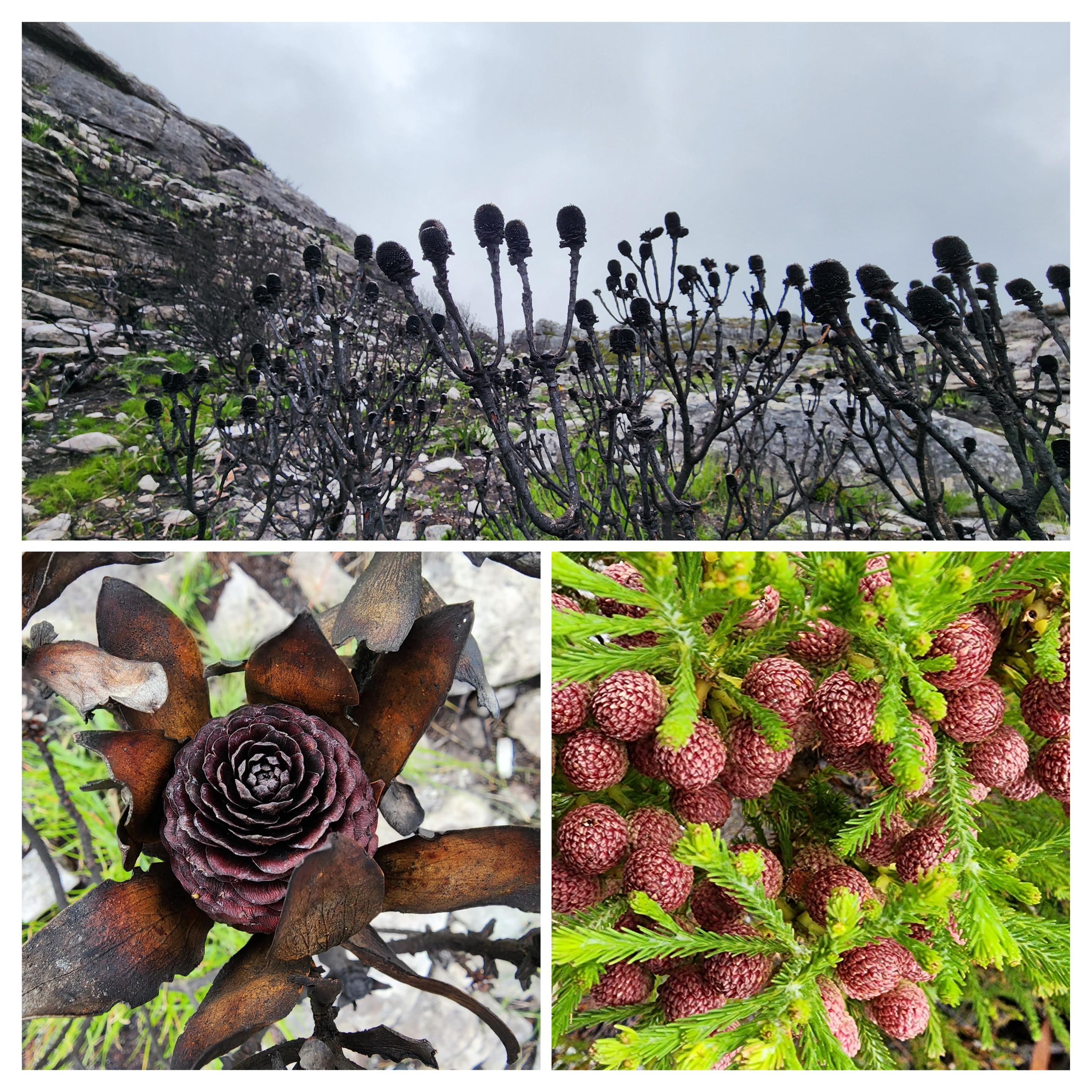
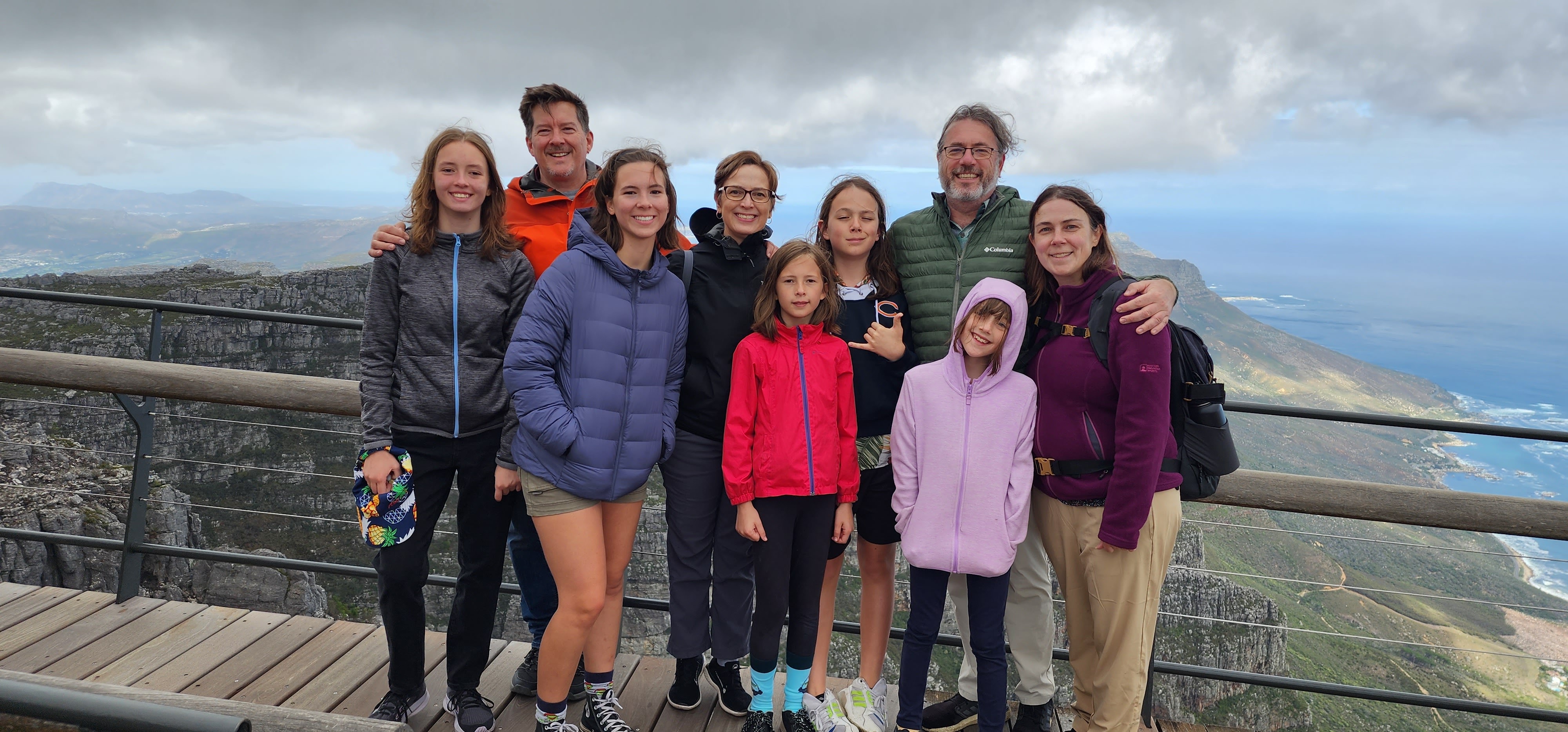
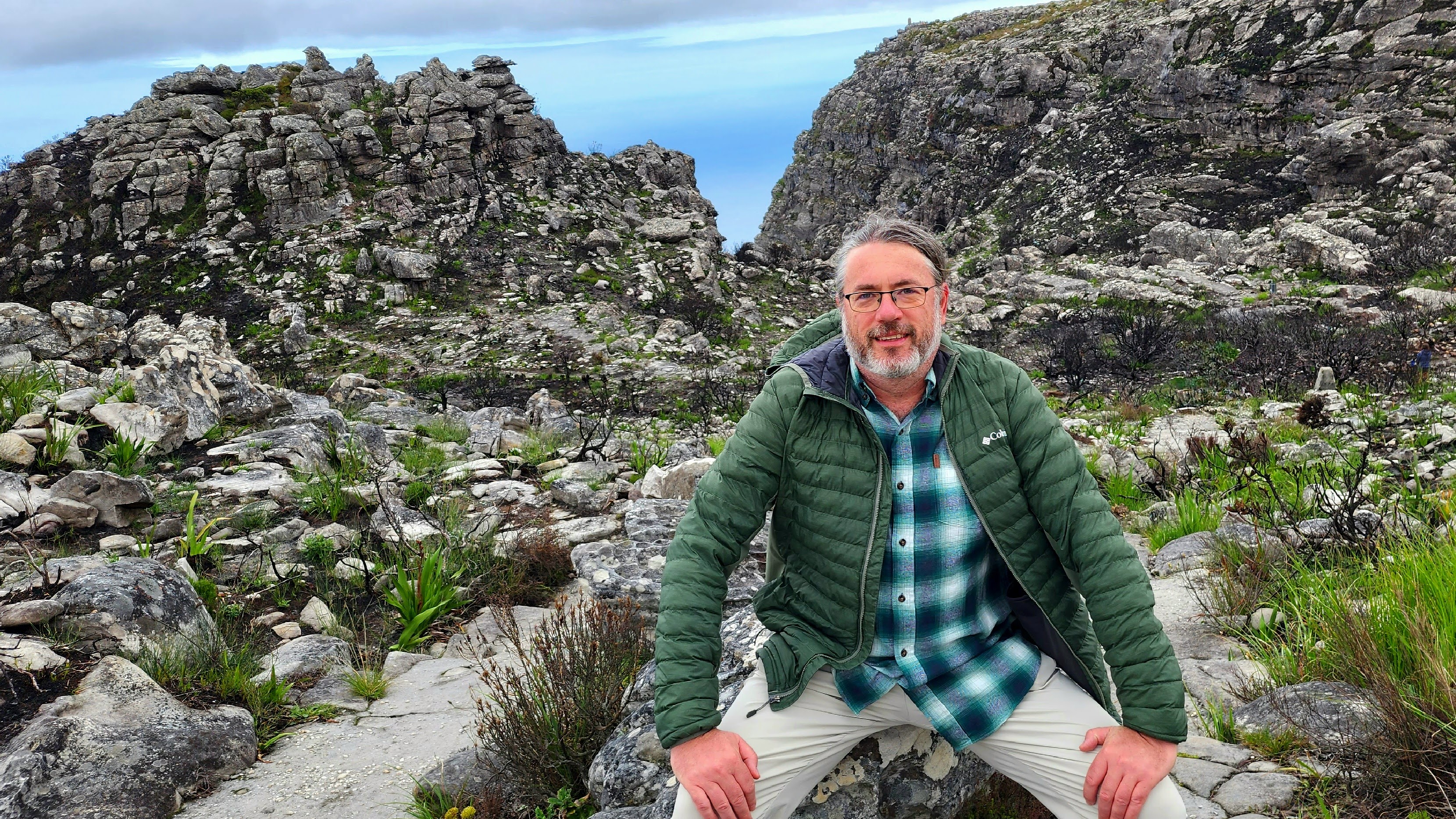
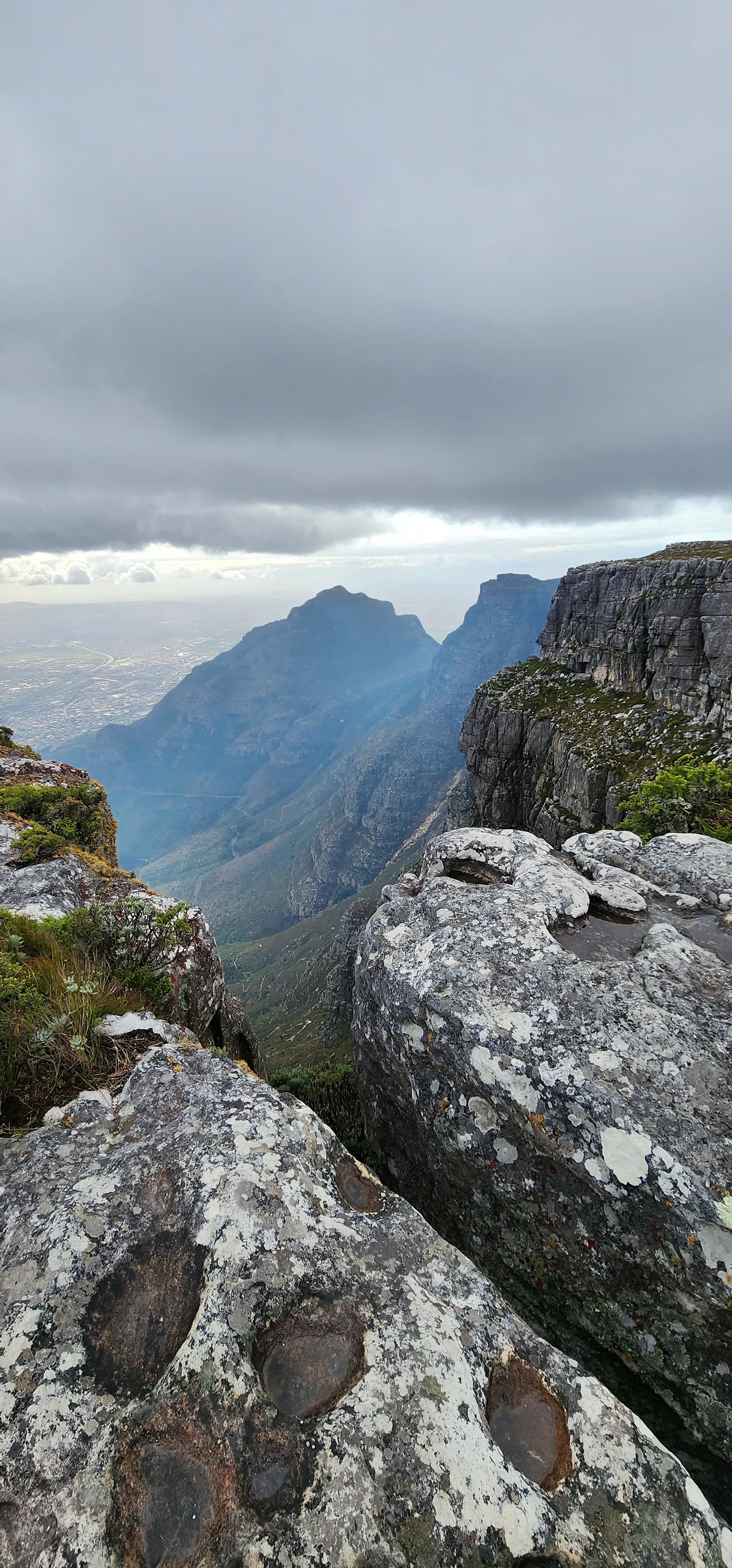
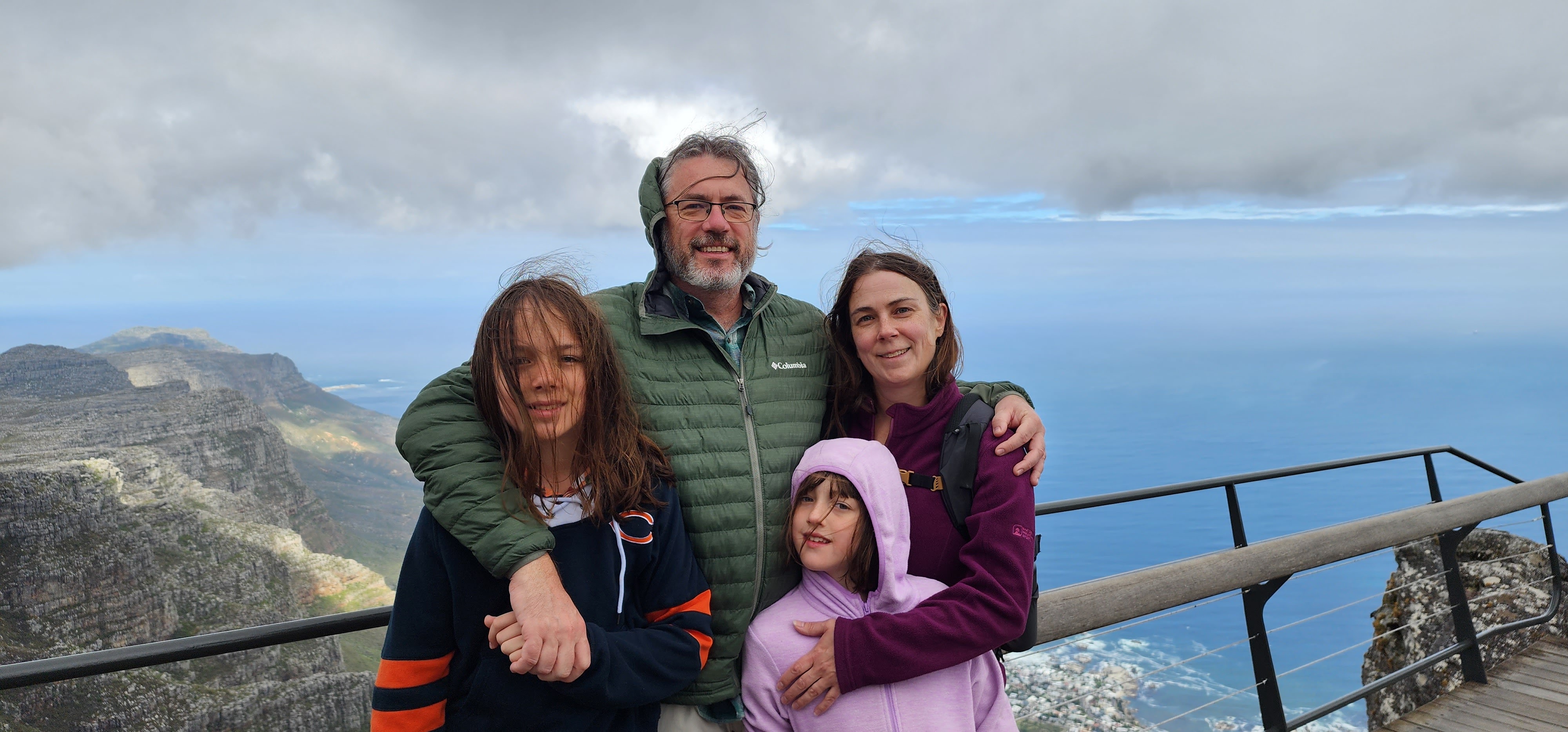
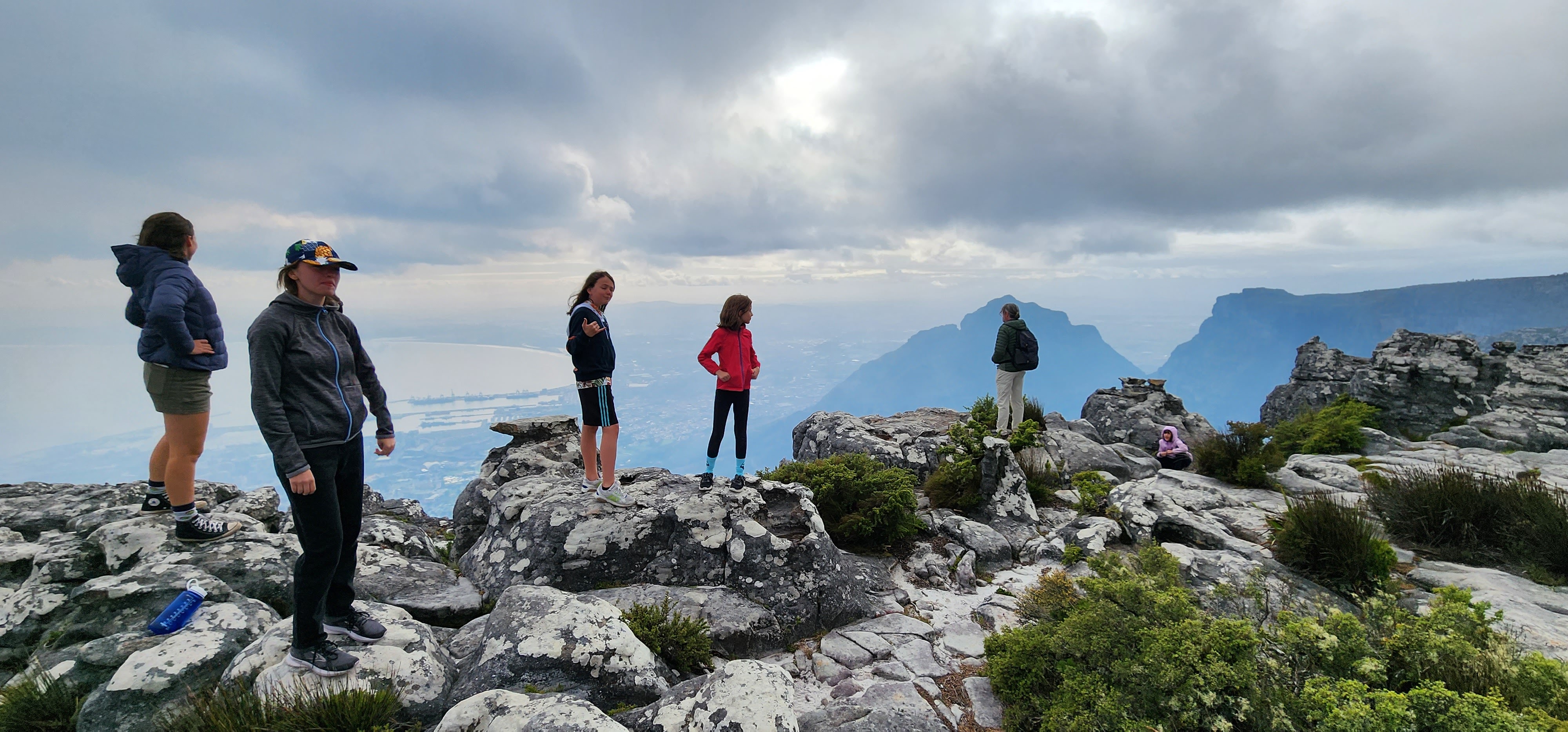
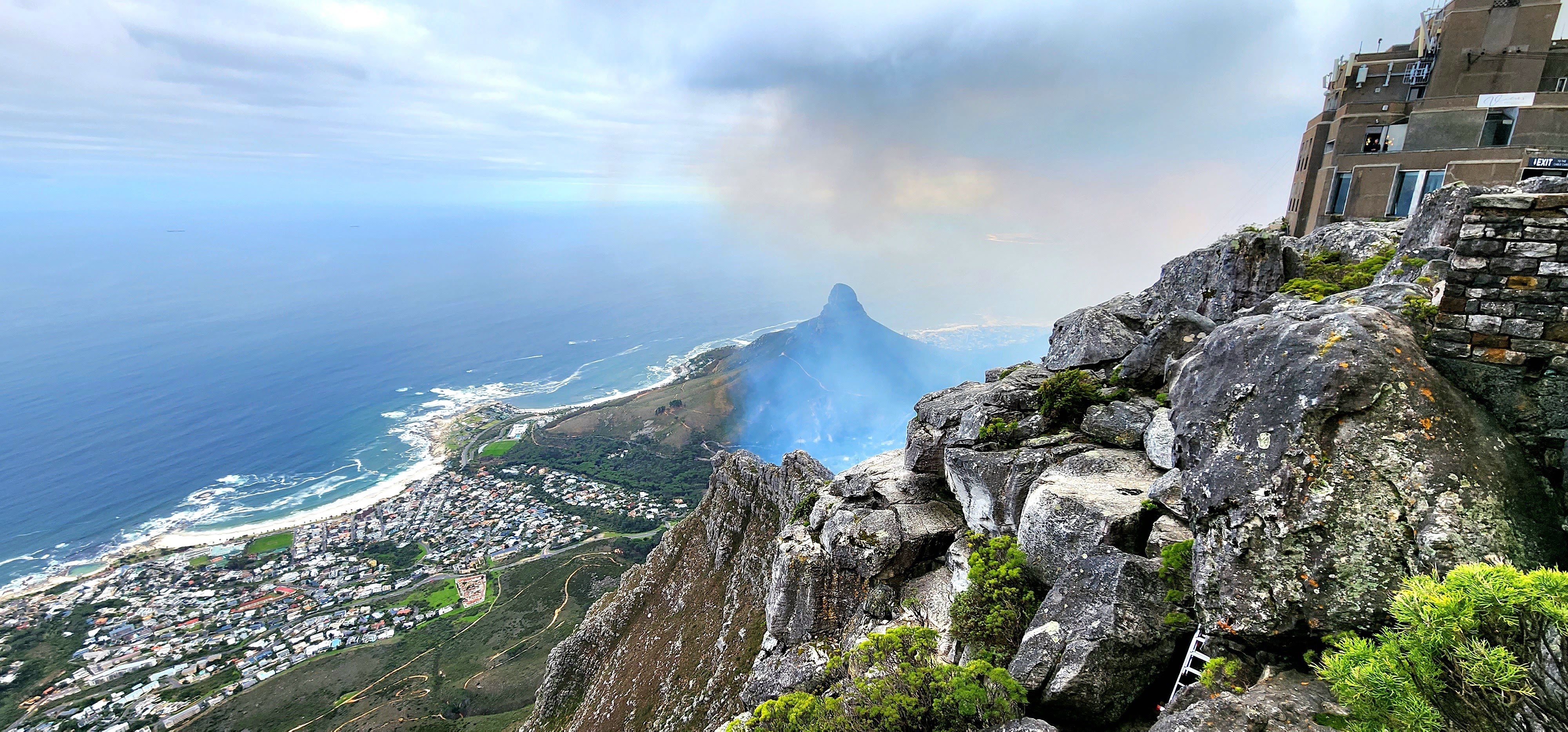
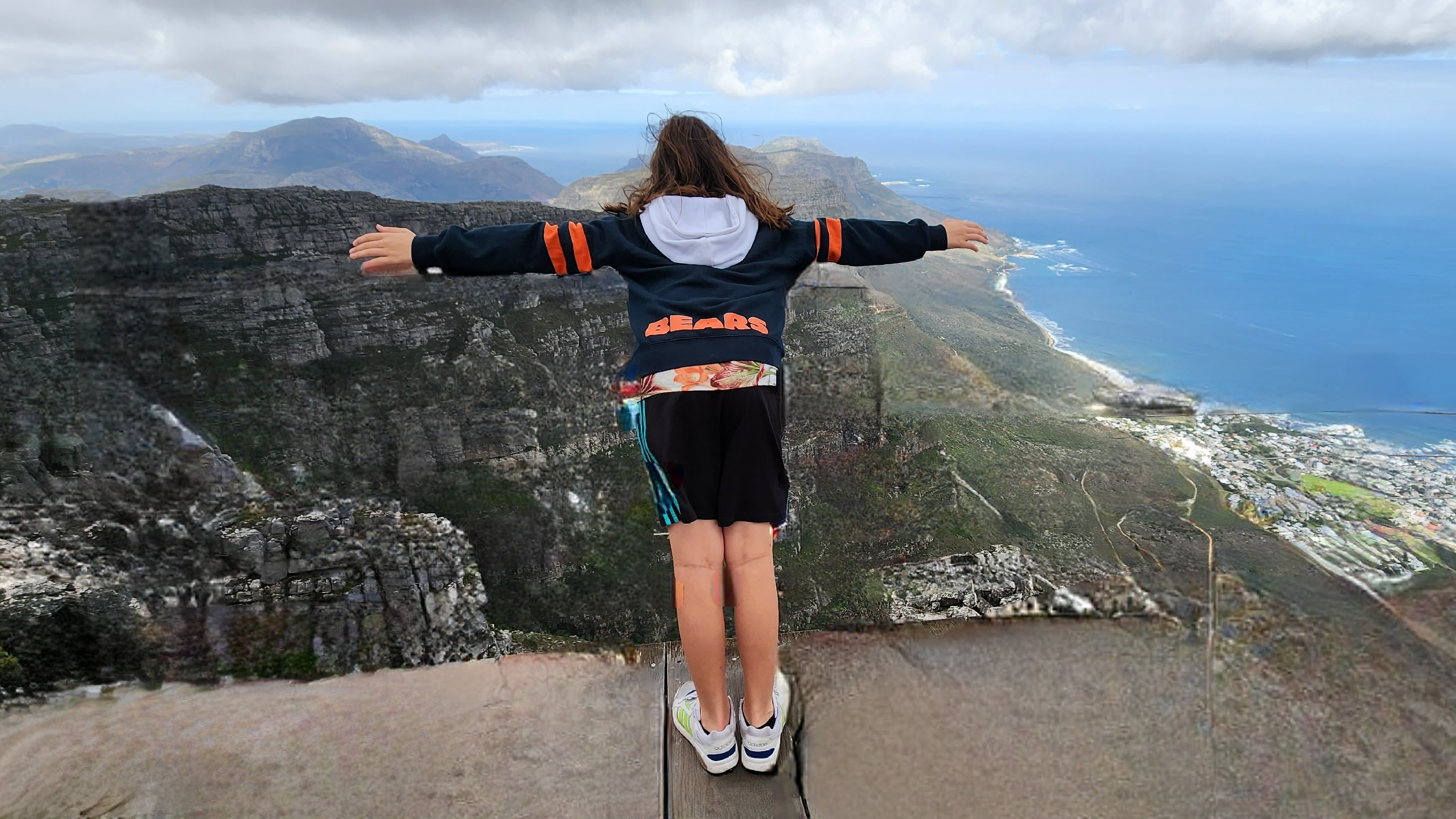
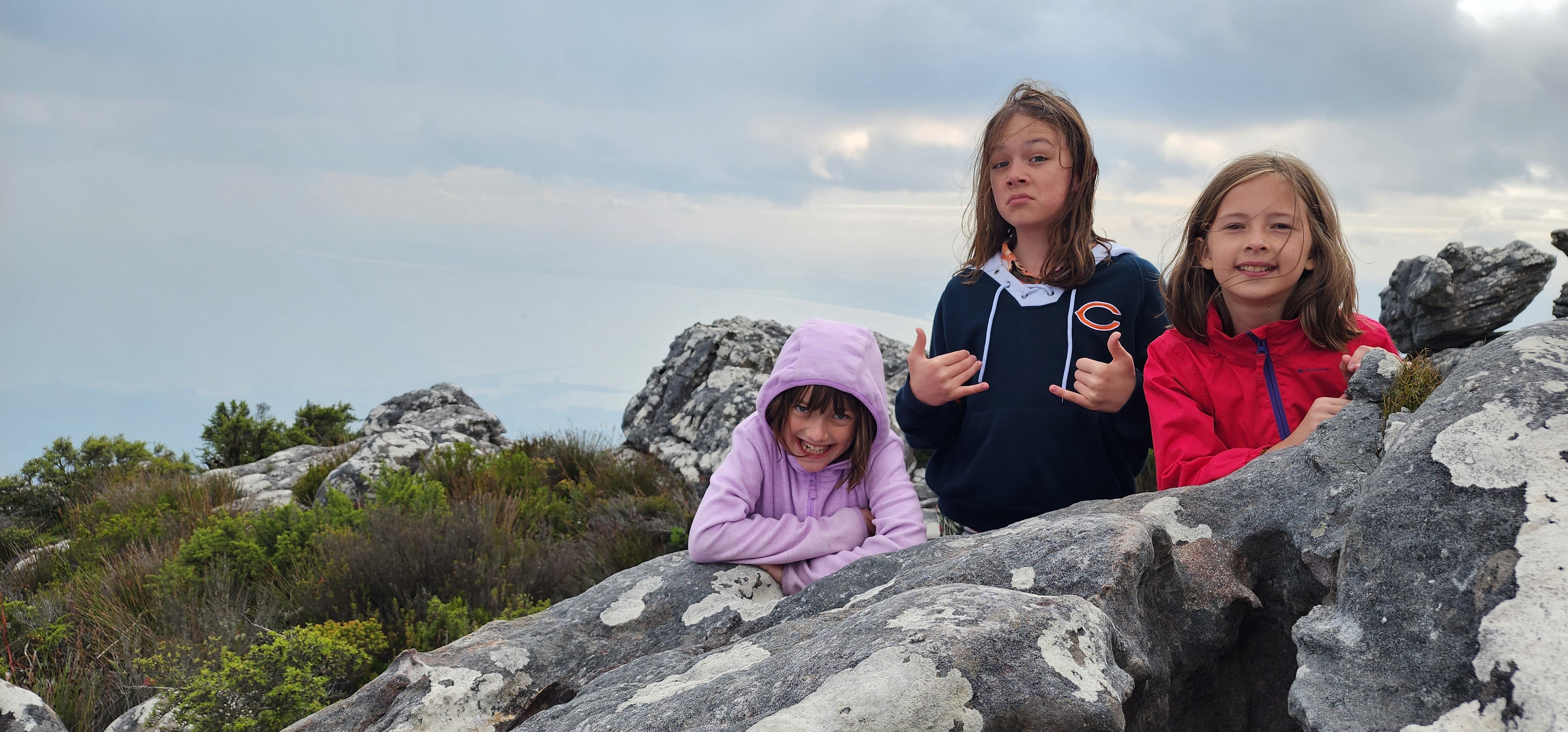
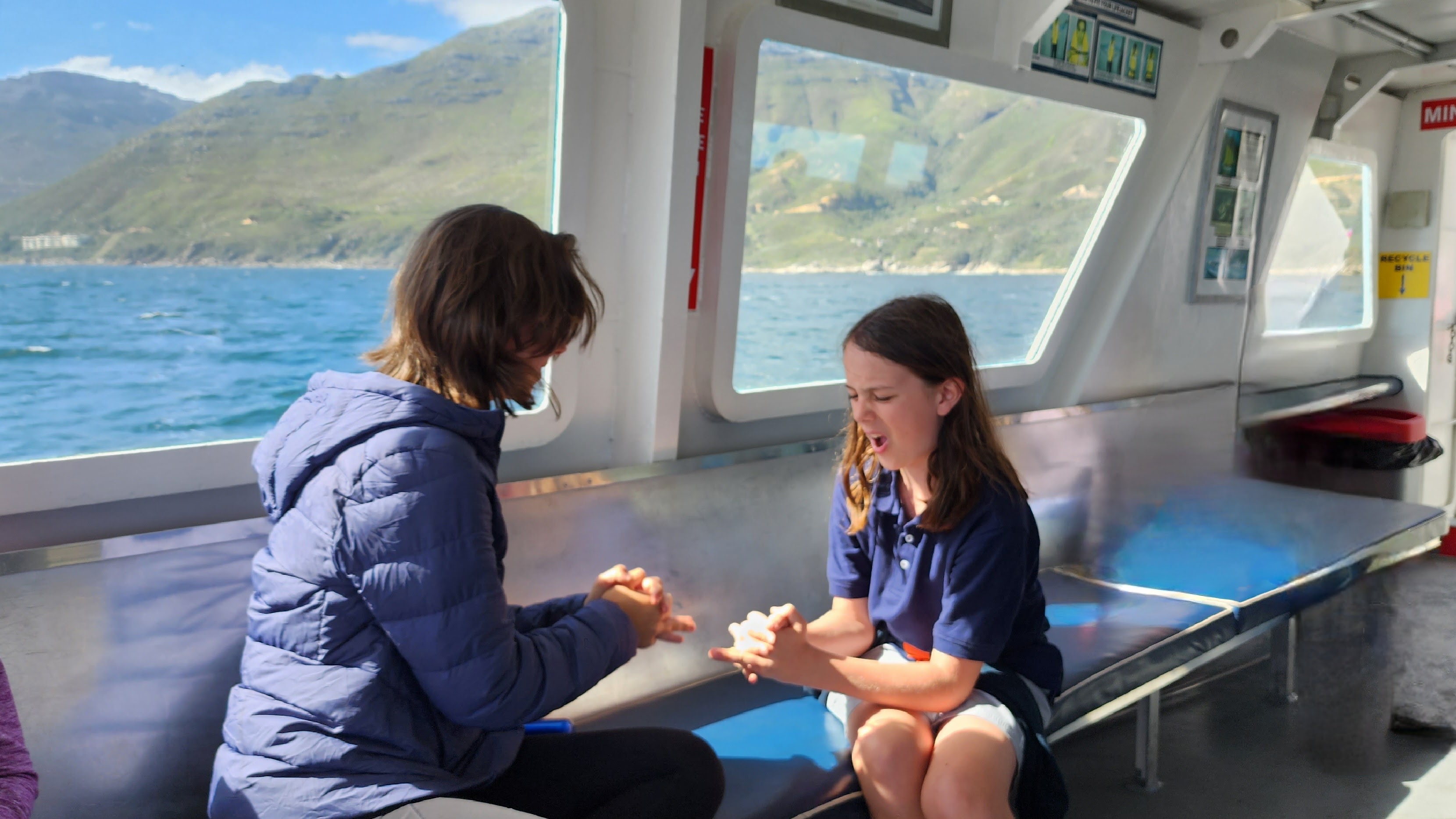
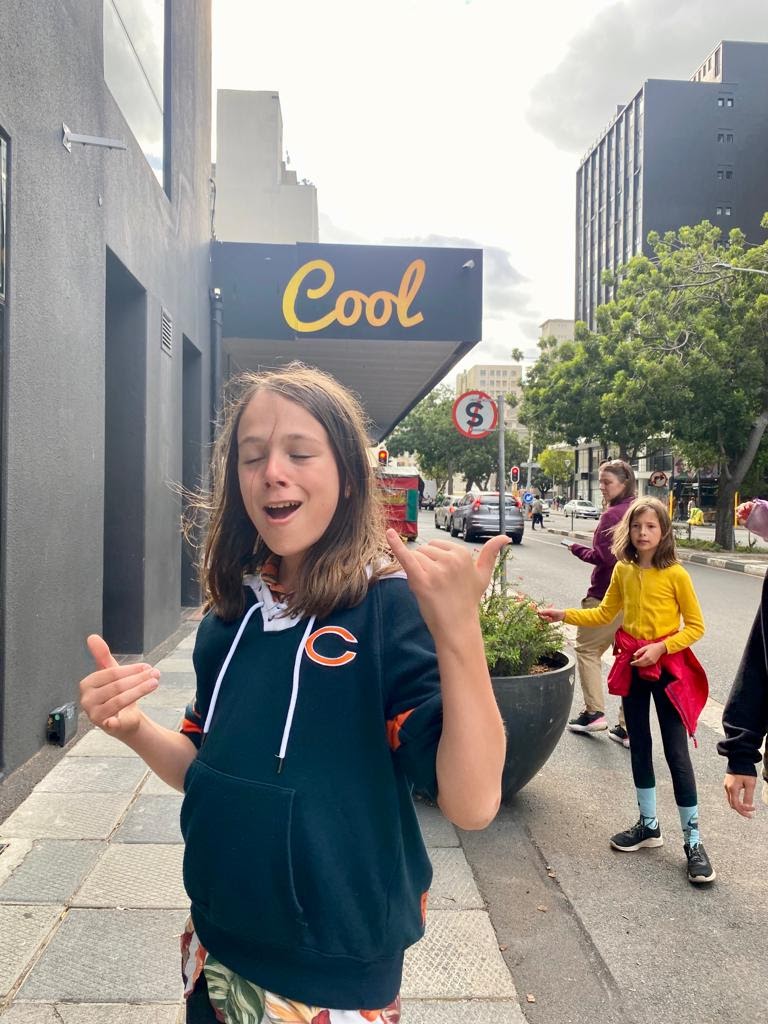
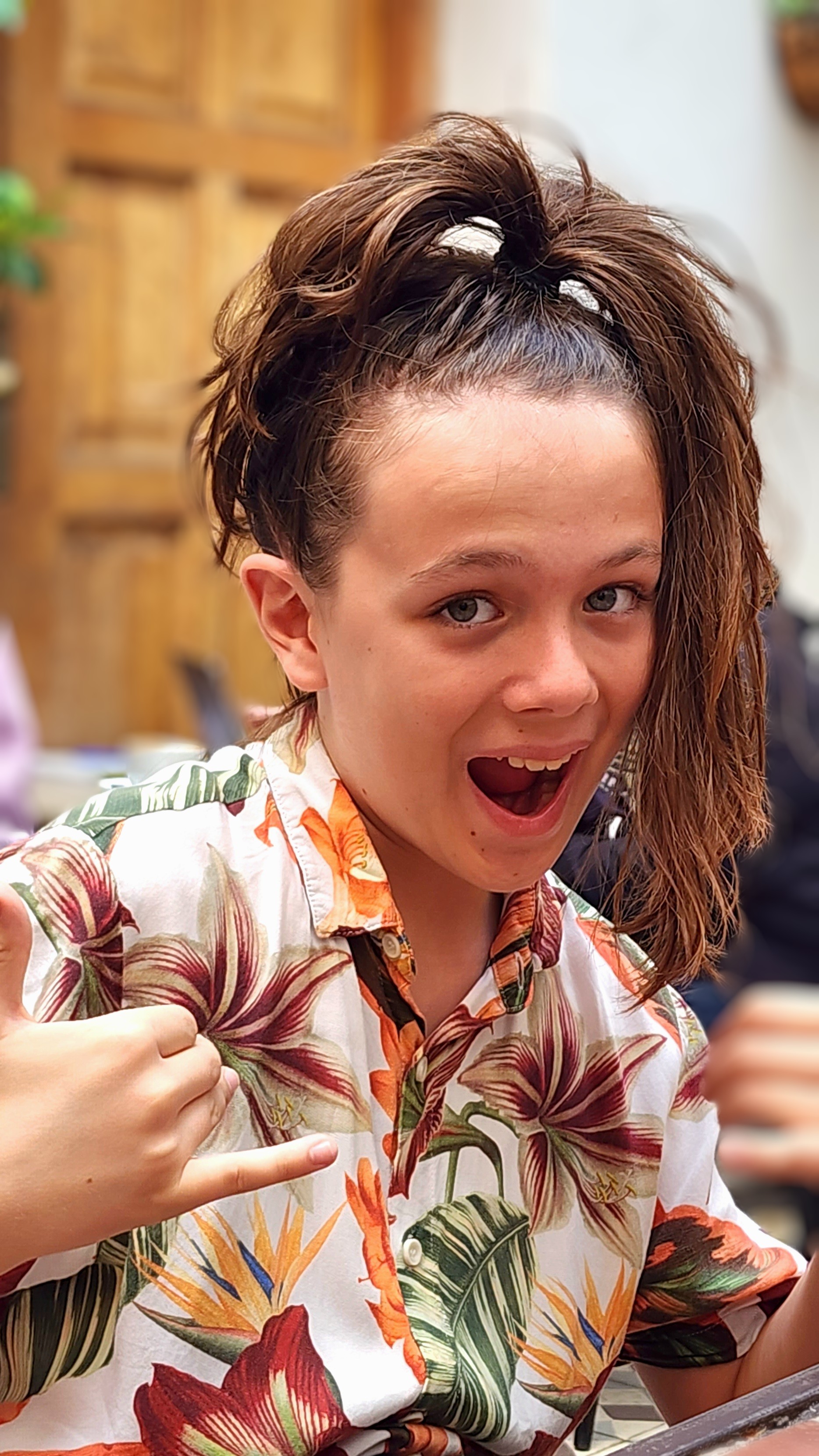
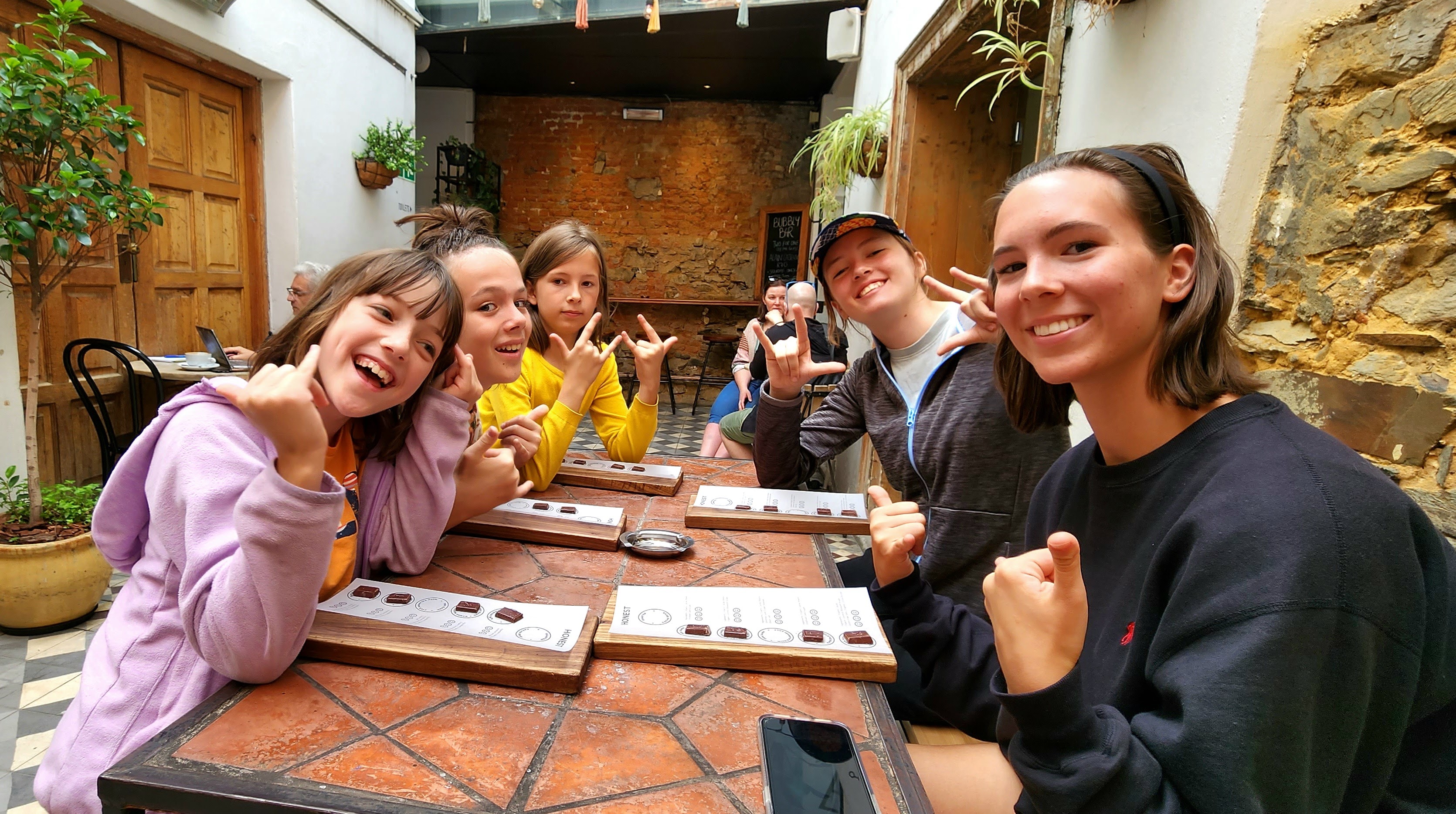
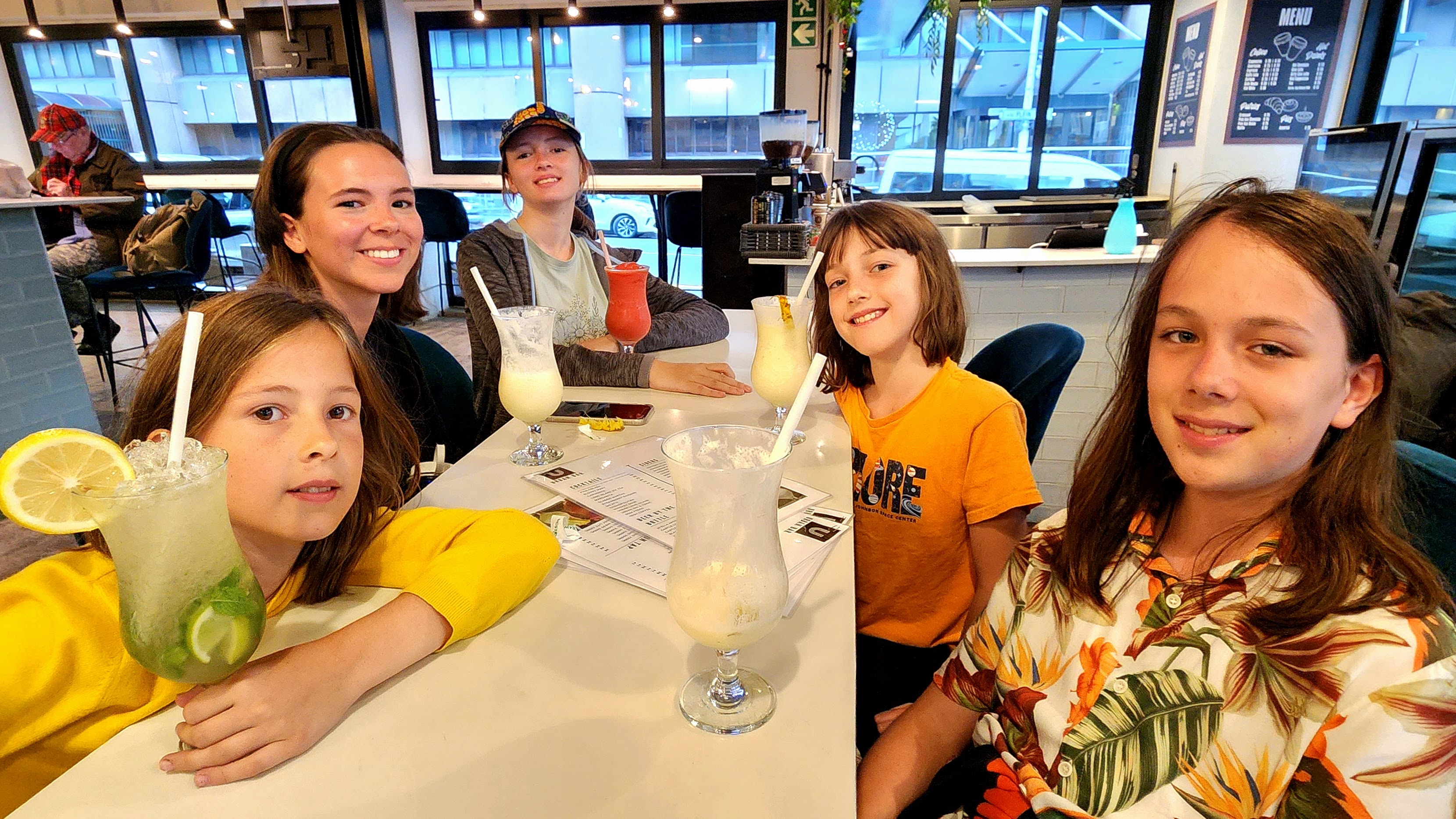
Here are a few random shots of our adventures around the city: Alden making goofy faces and the kids’ table as we claimed our free drinks and free chocolate tasting.
For our last two nights, we stayed by the southern tip of the cape, near the Cape of Good Hope Nature Reserve. On the way down, we stopped at an interesting art gallery and sculpture garden, the Norval Foundation, where we saw an intriguing exhibit by the artist Berni Searle. You can learn more about her and see her work at the link below.
https://www.norvalfoundation.org/berni-searle-having-but-little-gold/
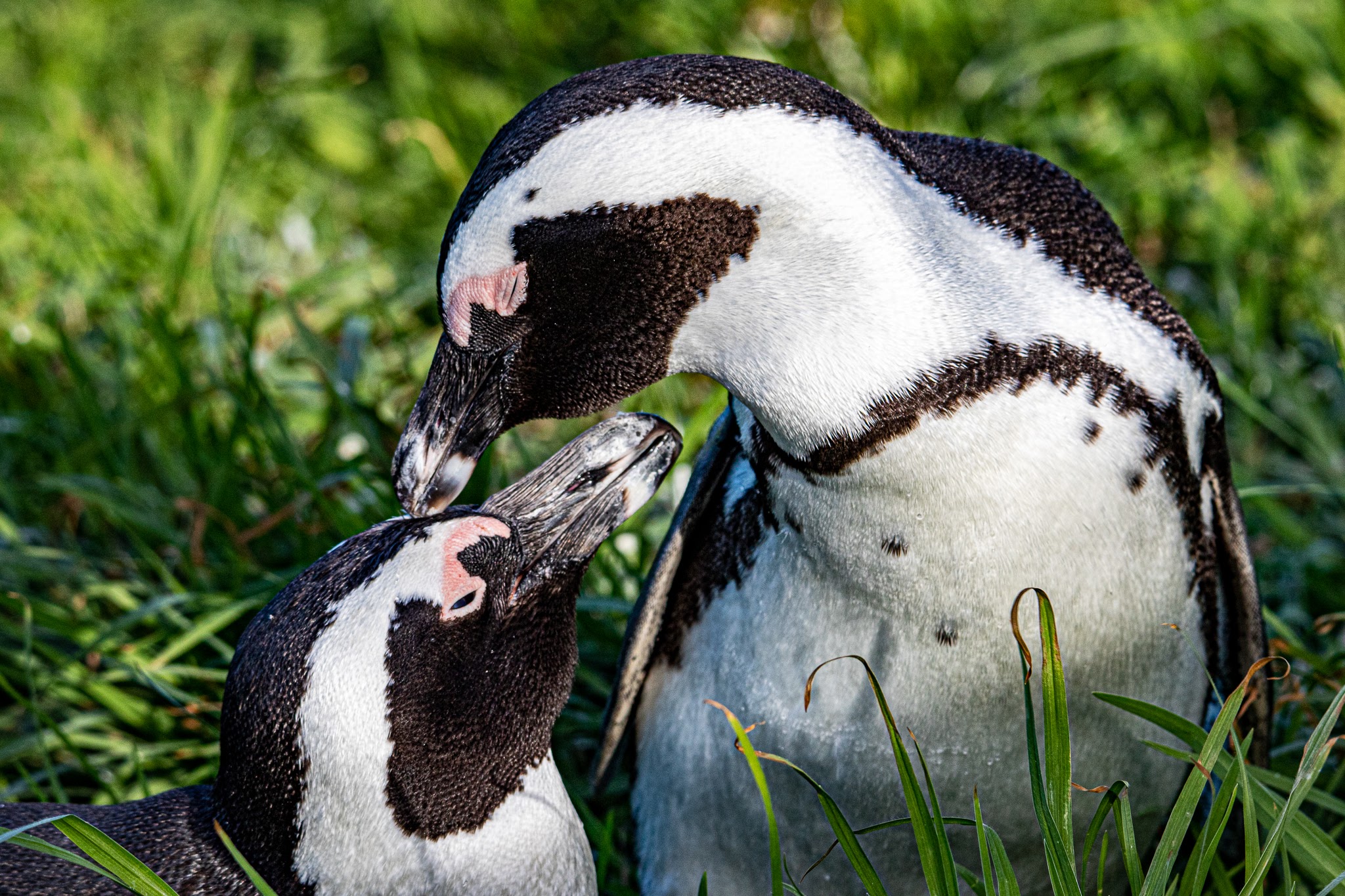
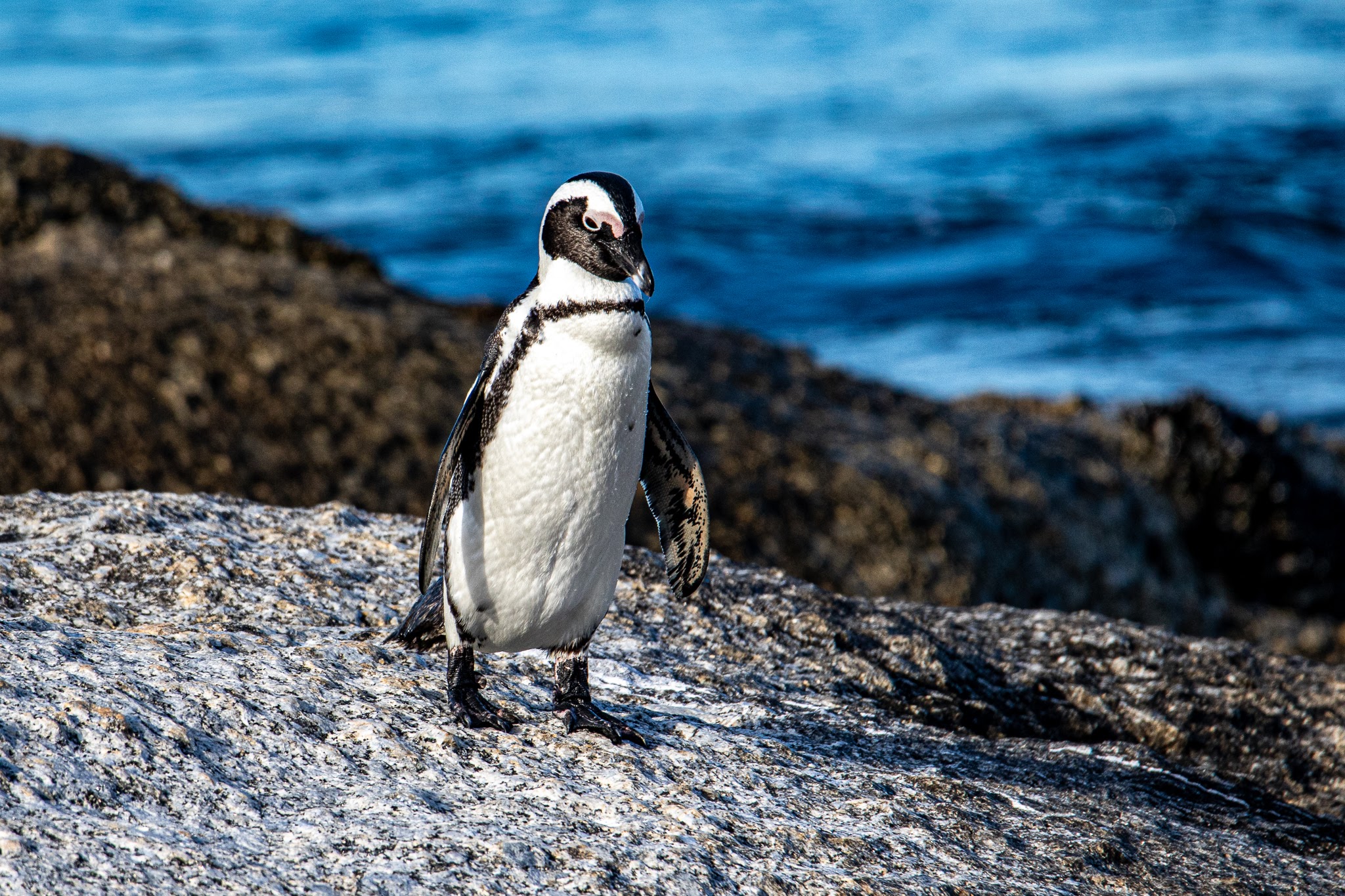
The house had a stunning view of the water, and we were just a short walk to a beach with penguins!
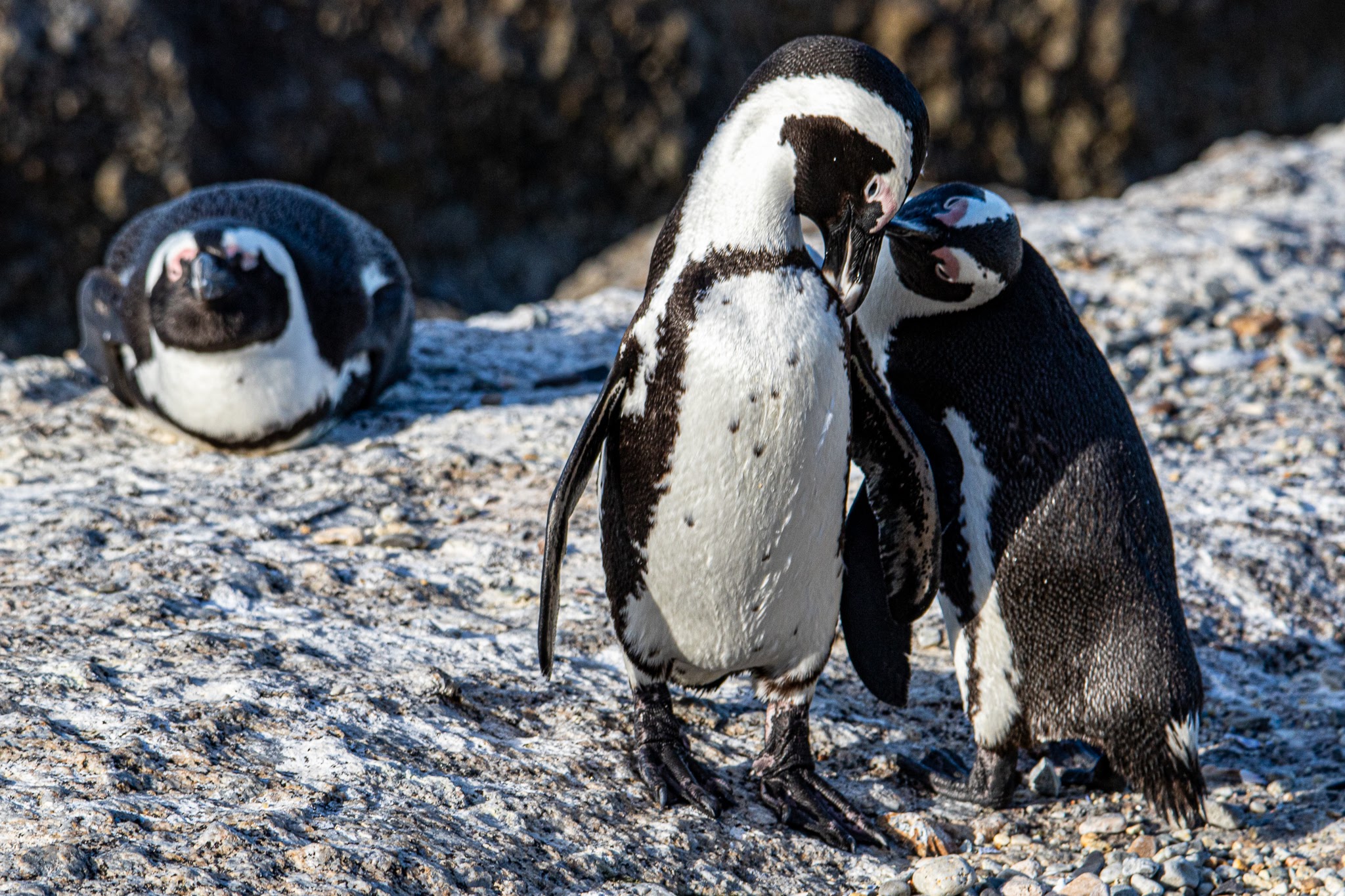
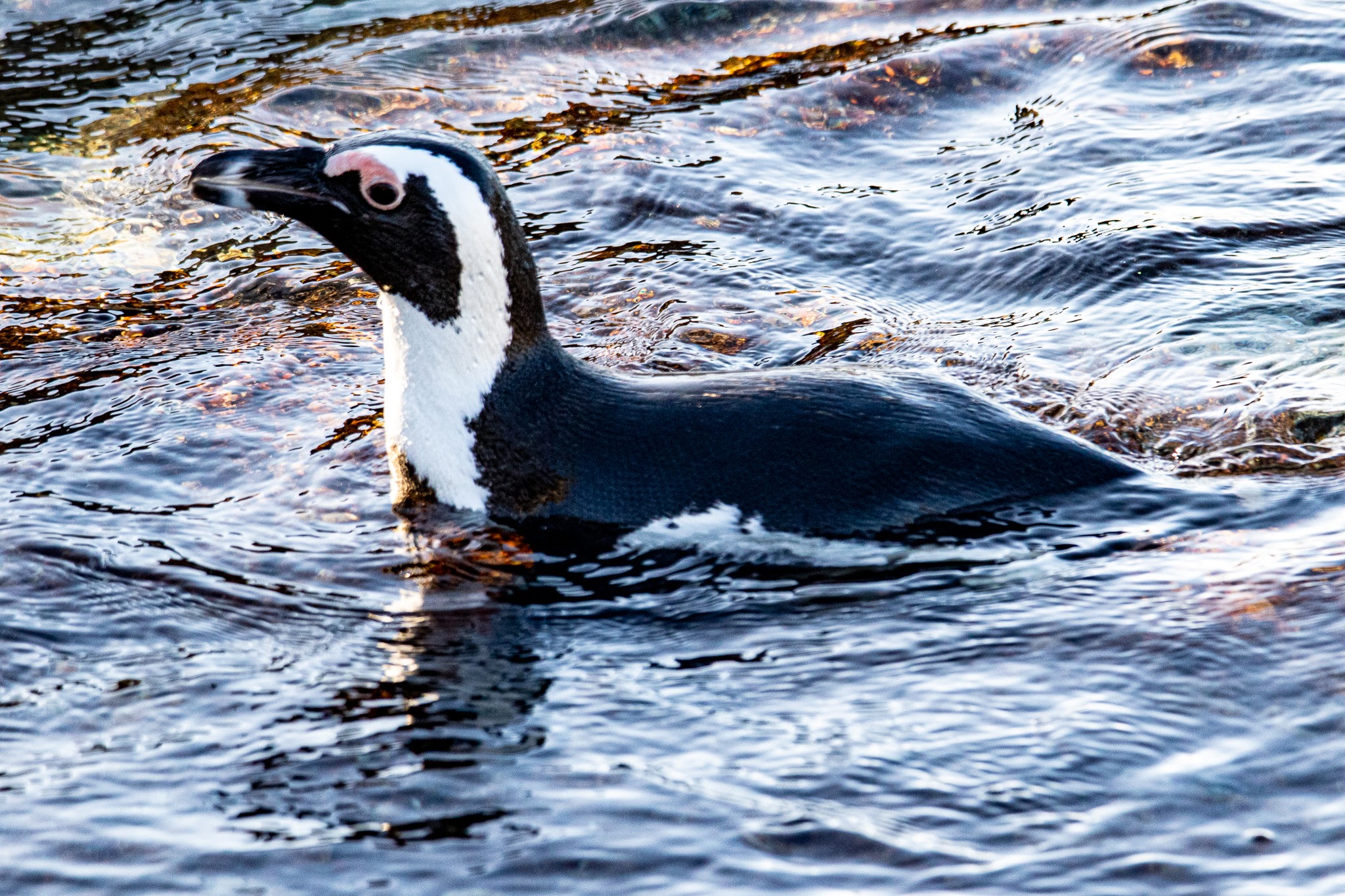
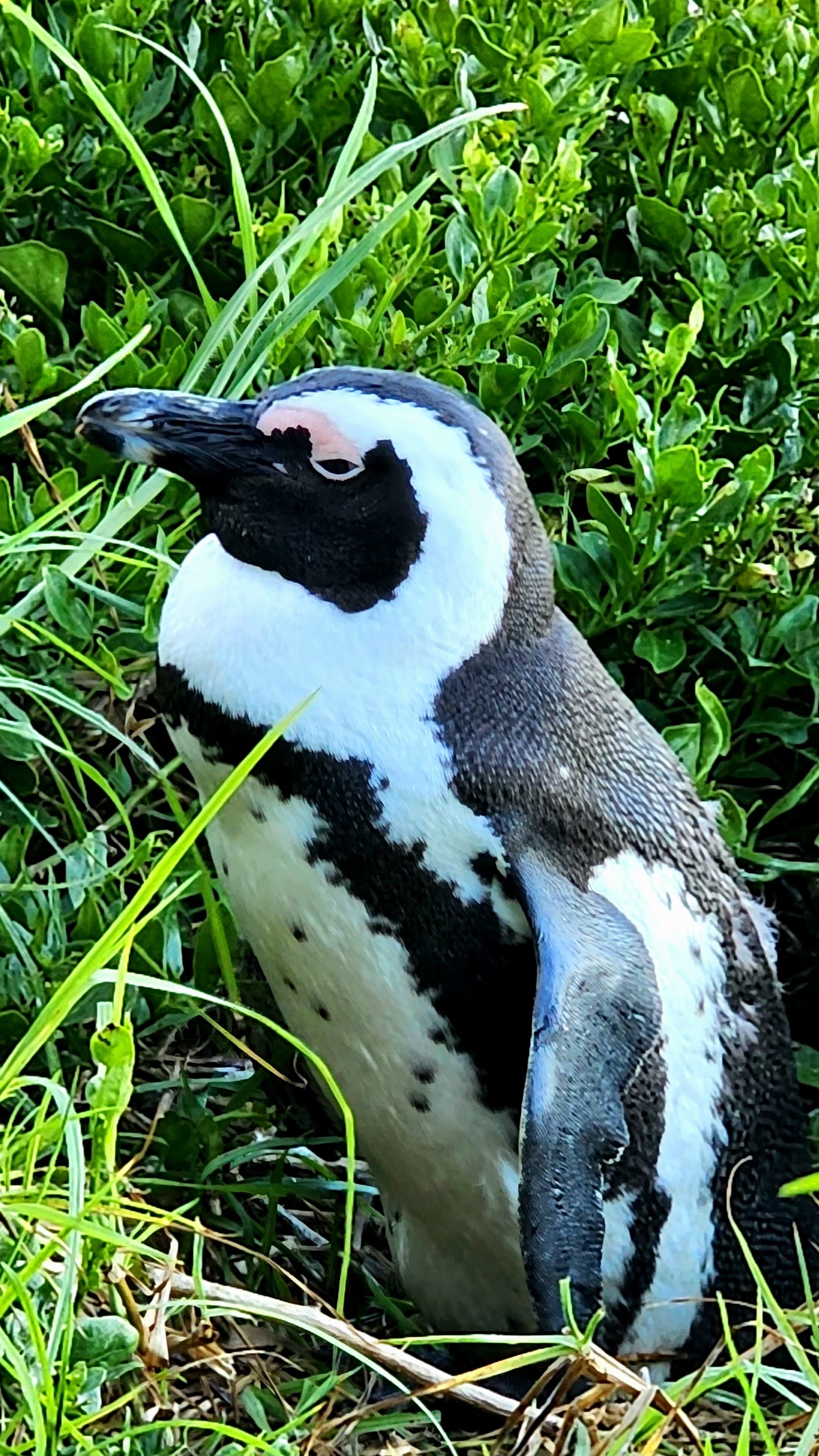
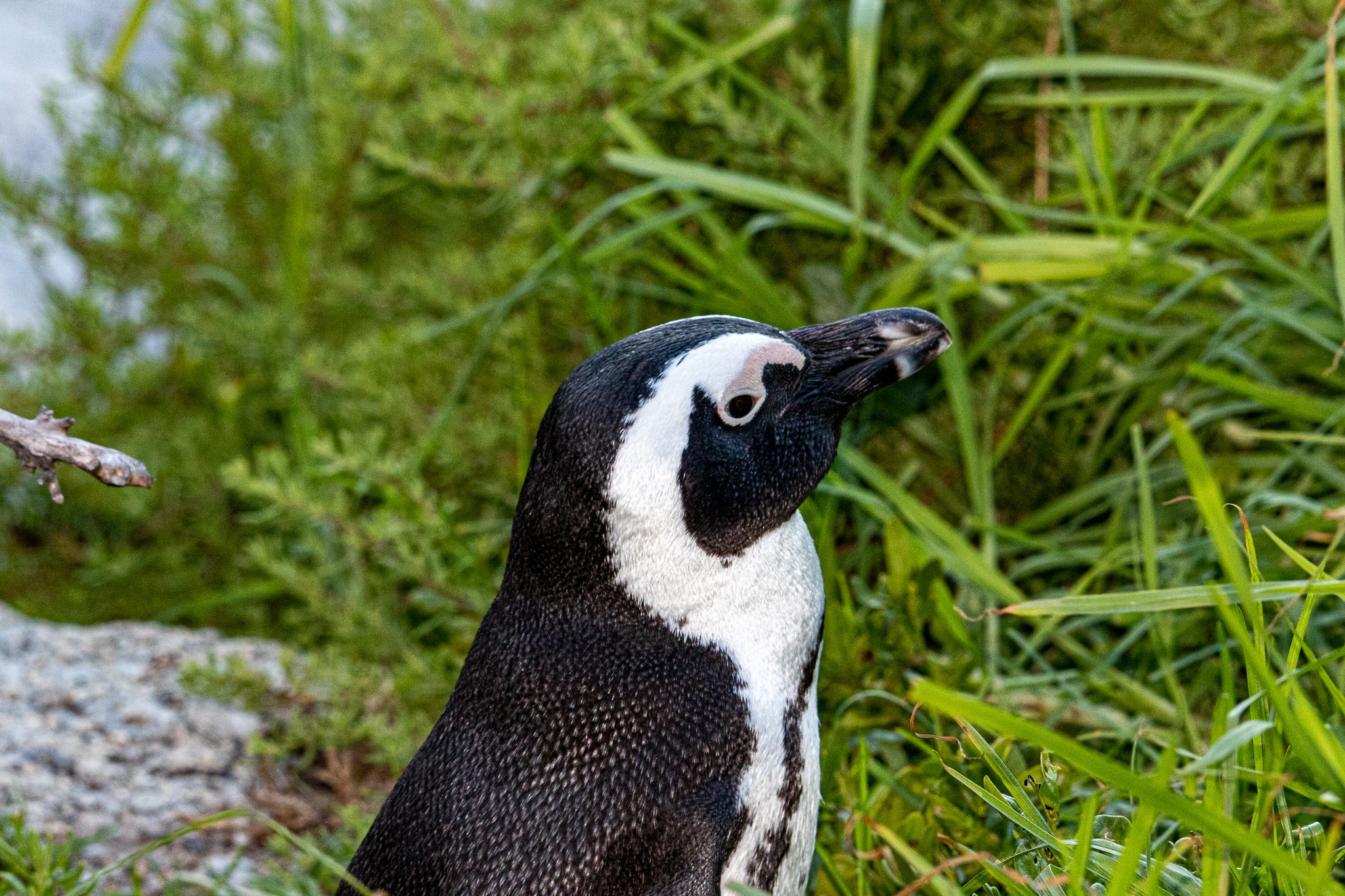
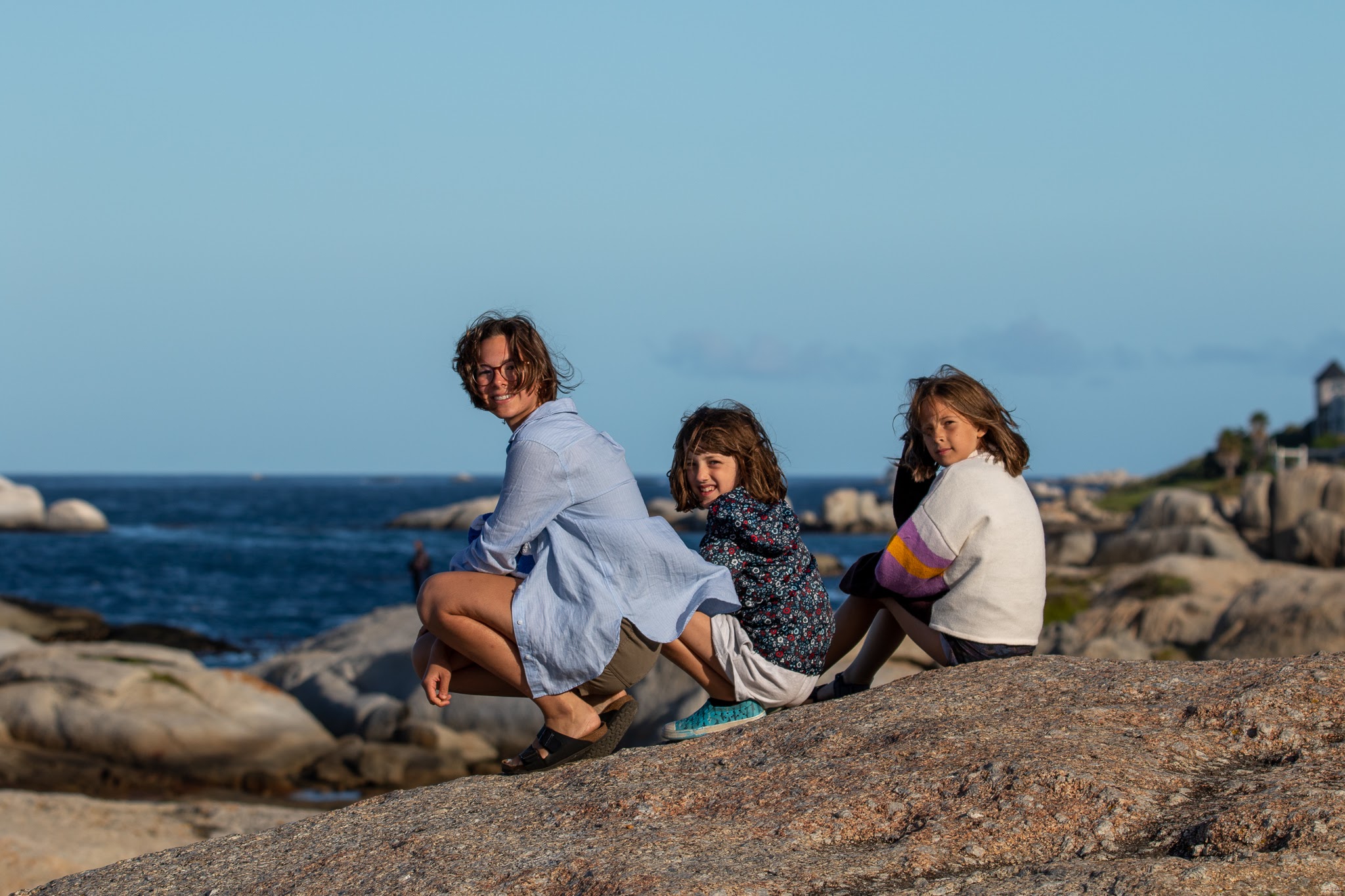
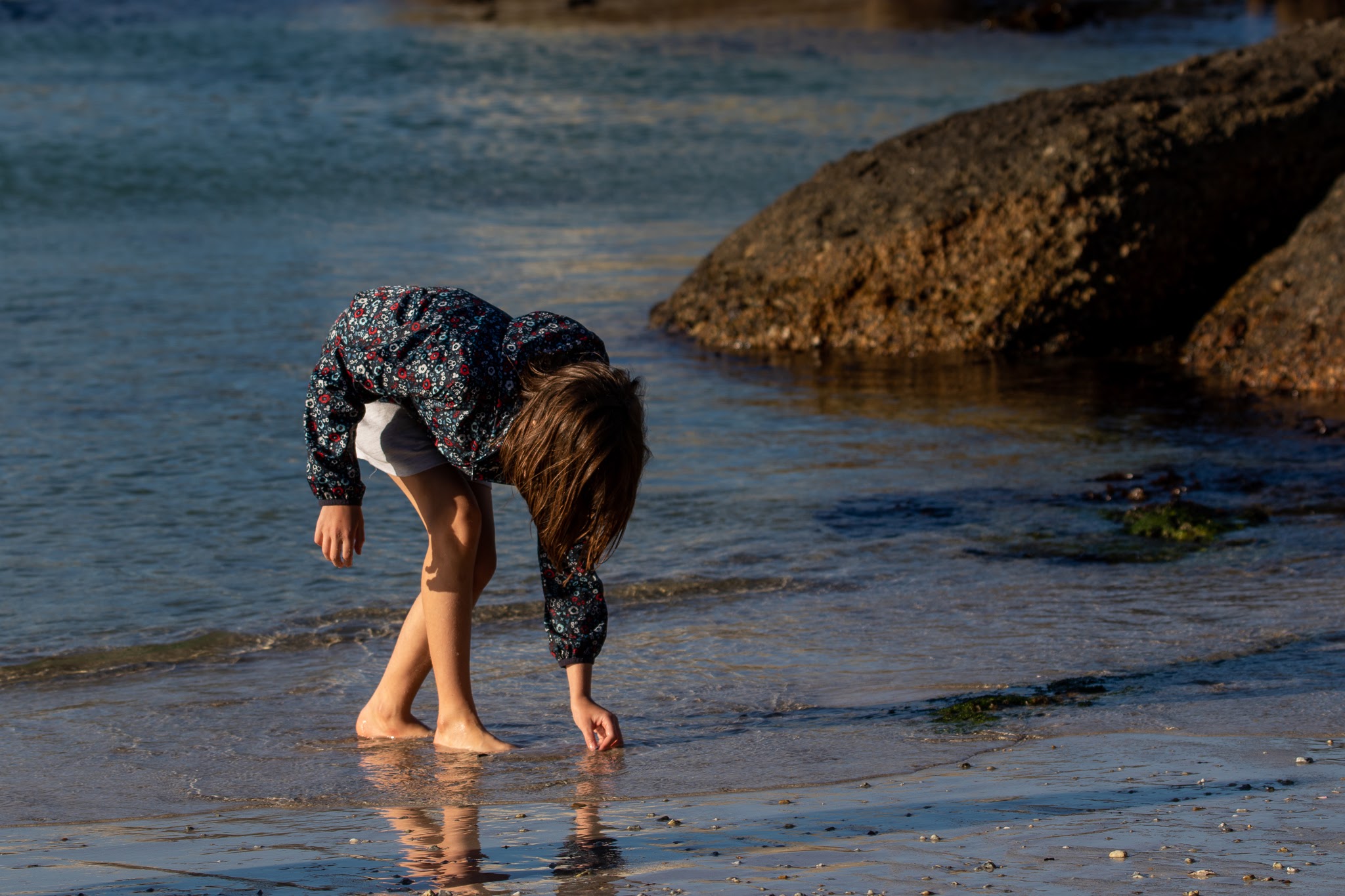
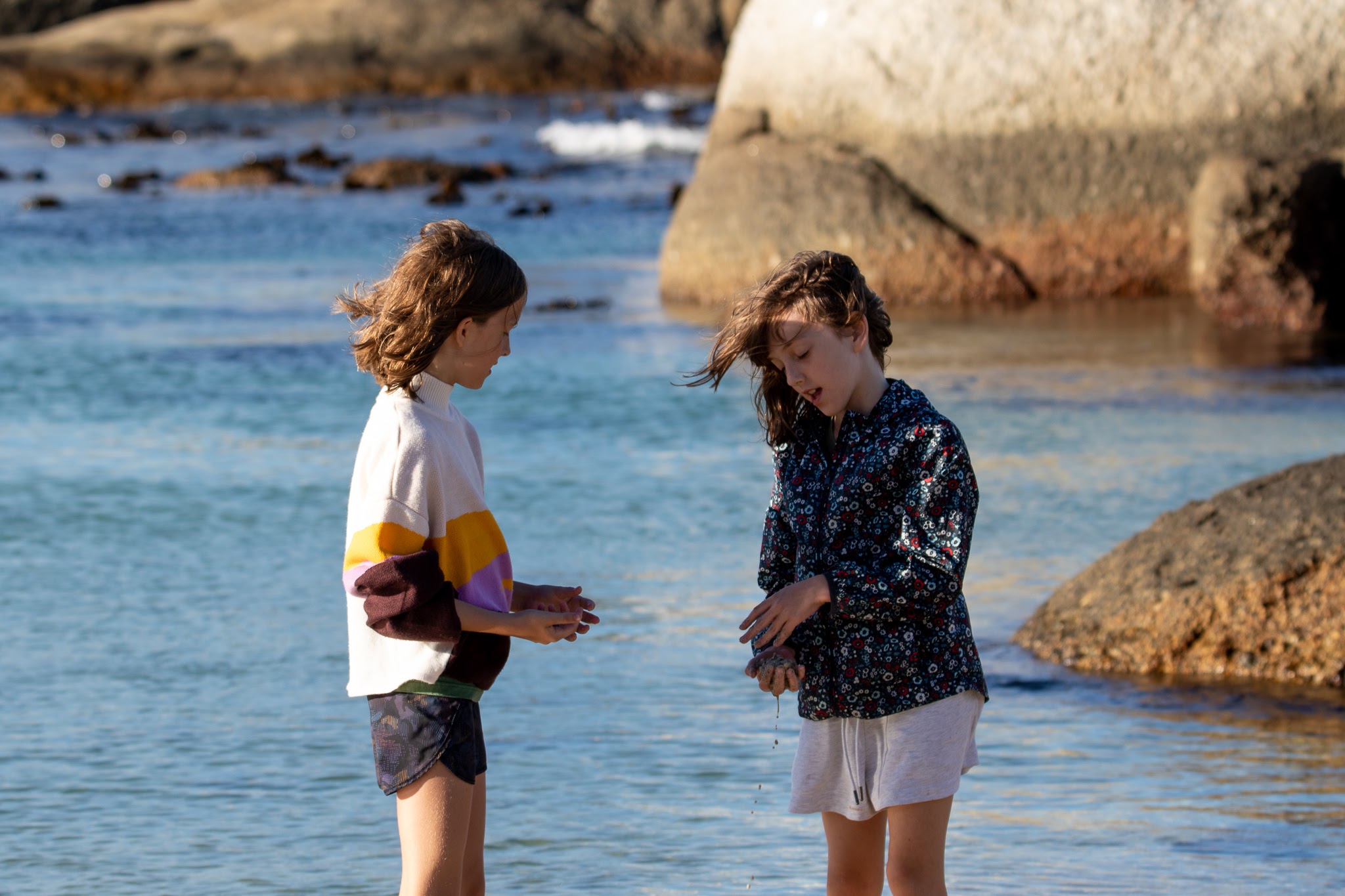
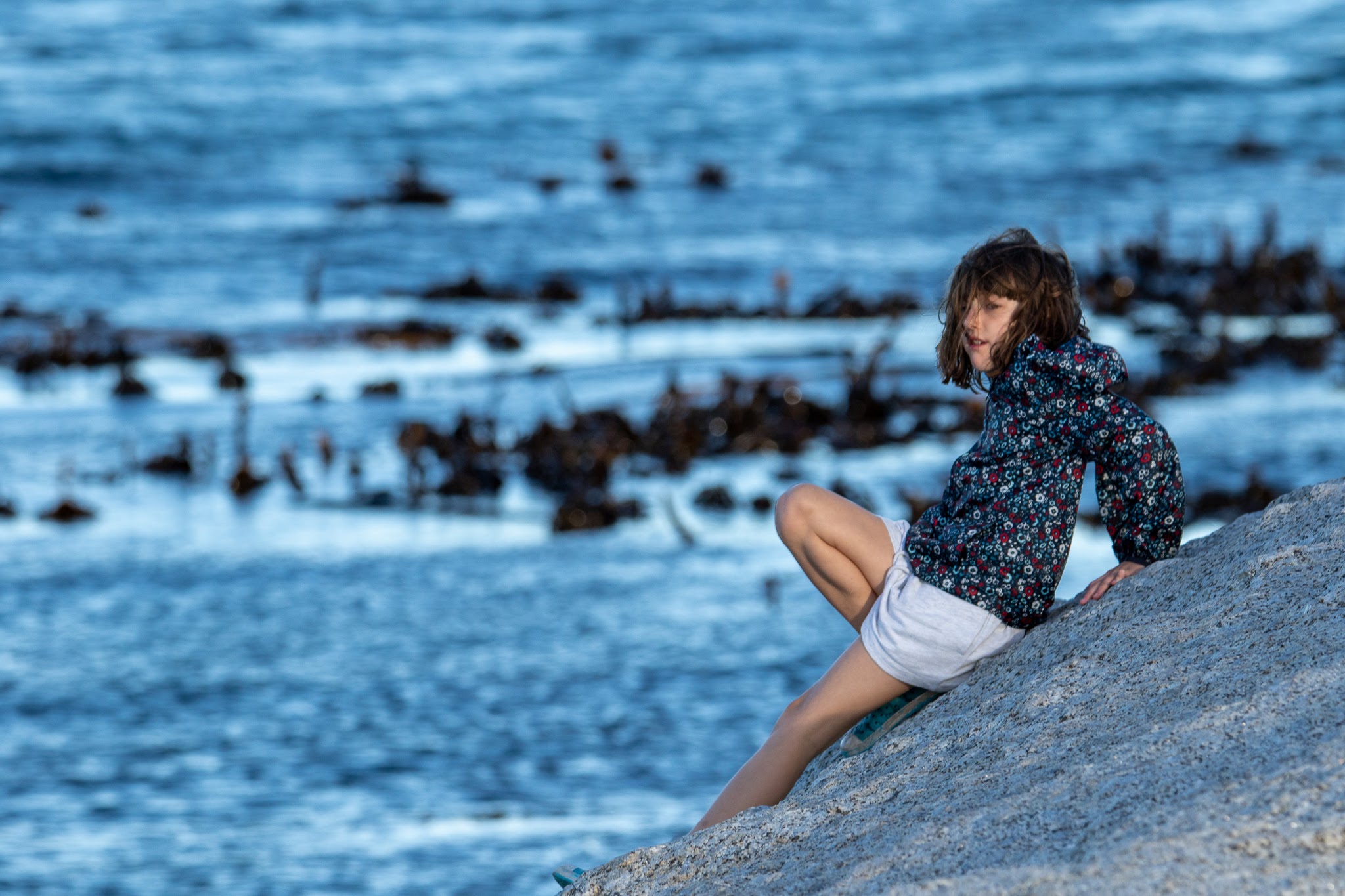
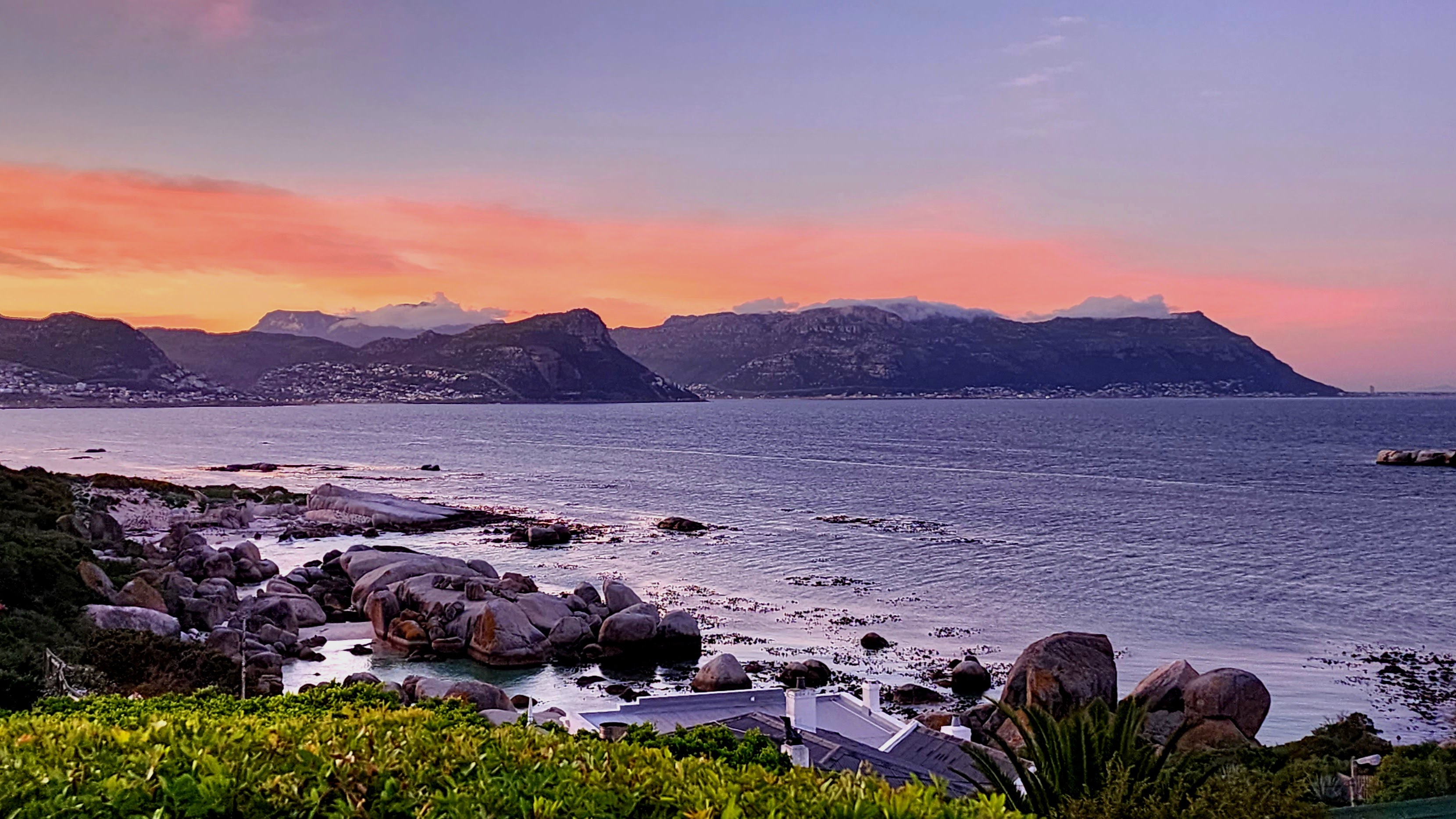
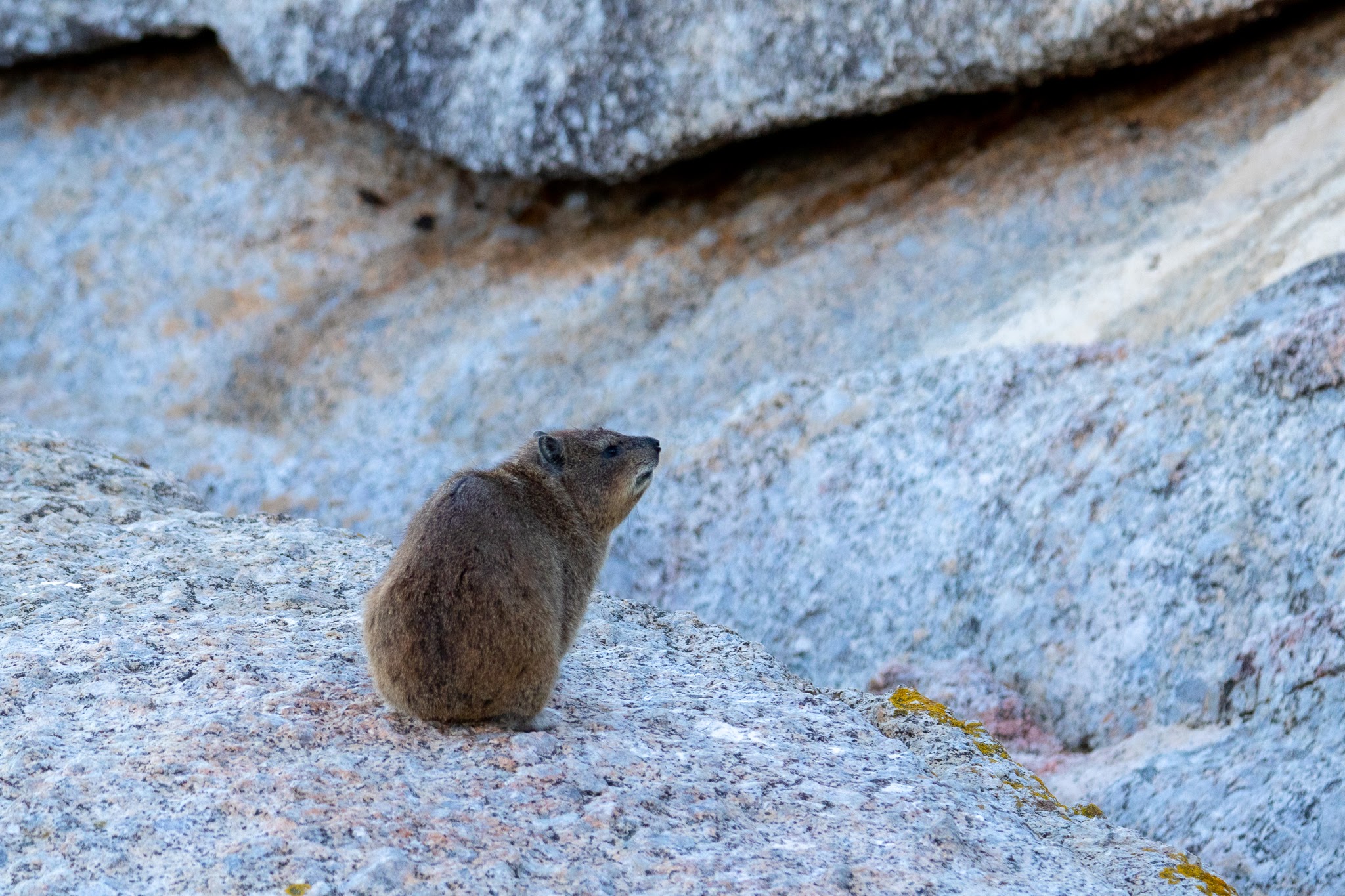
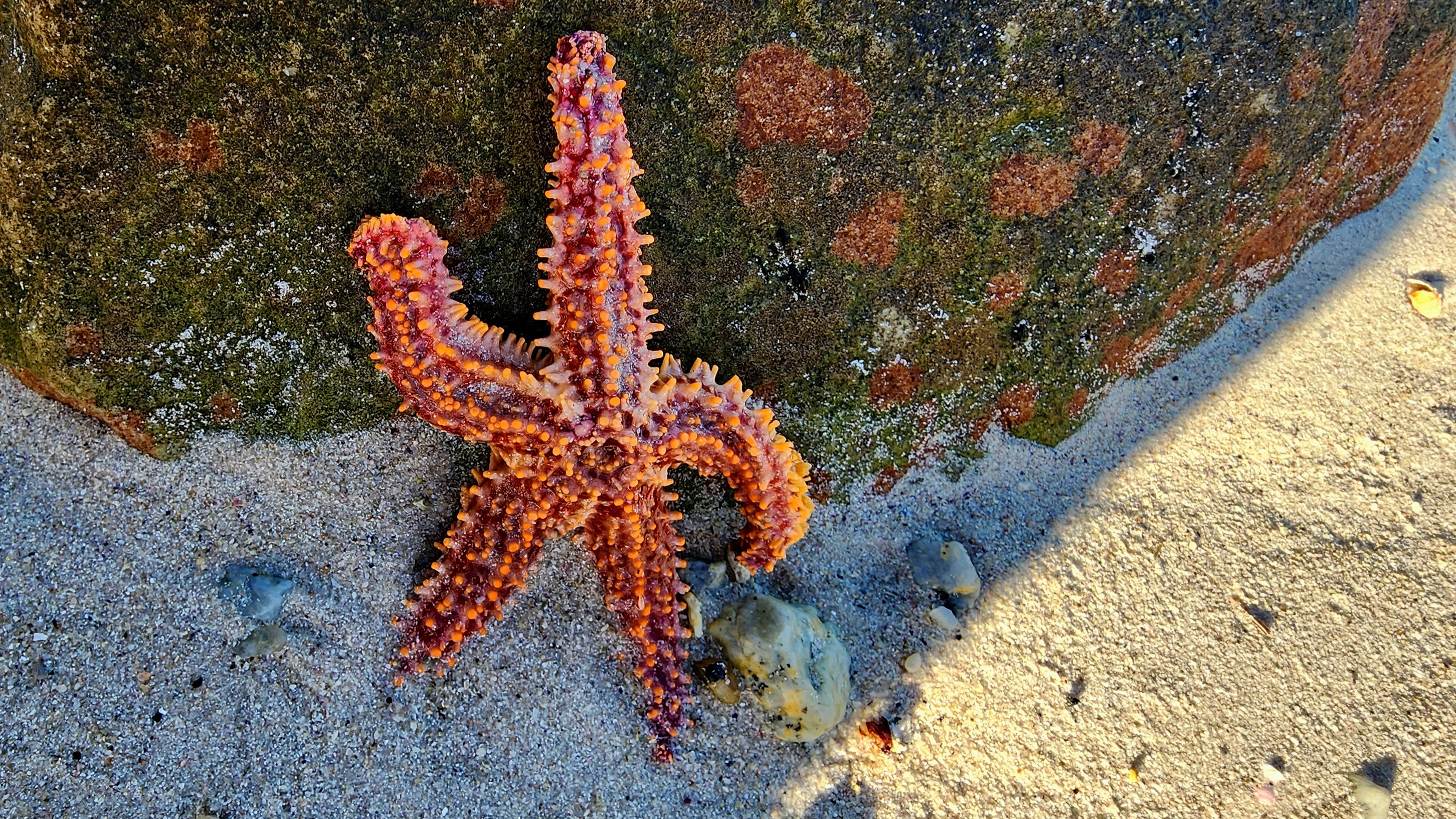
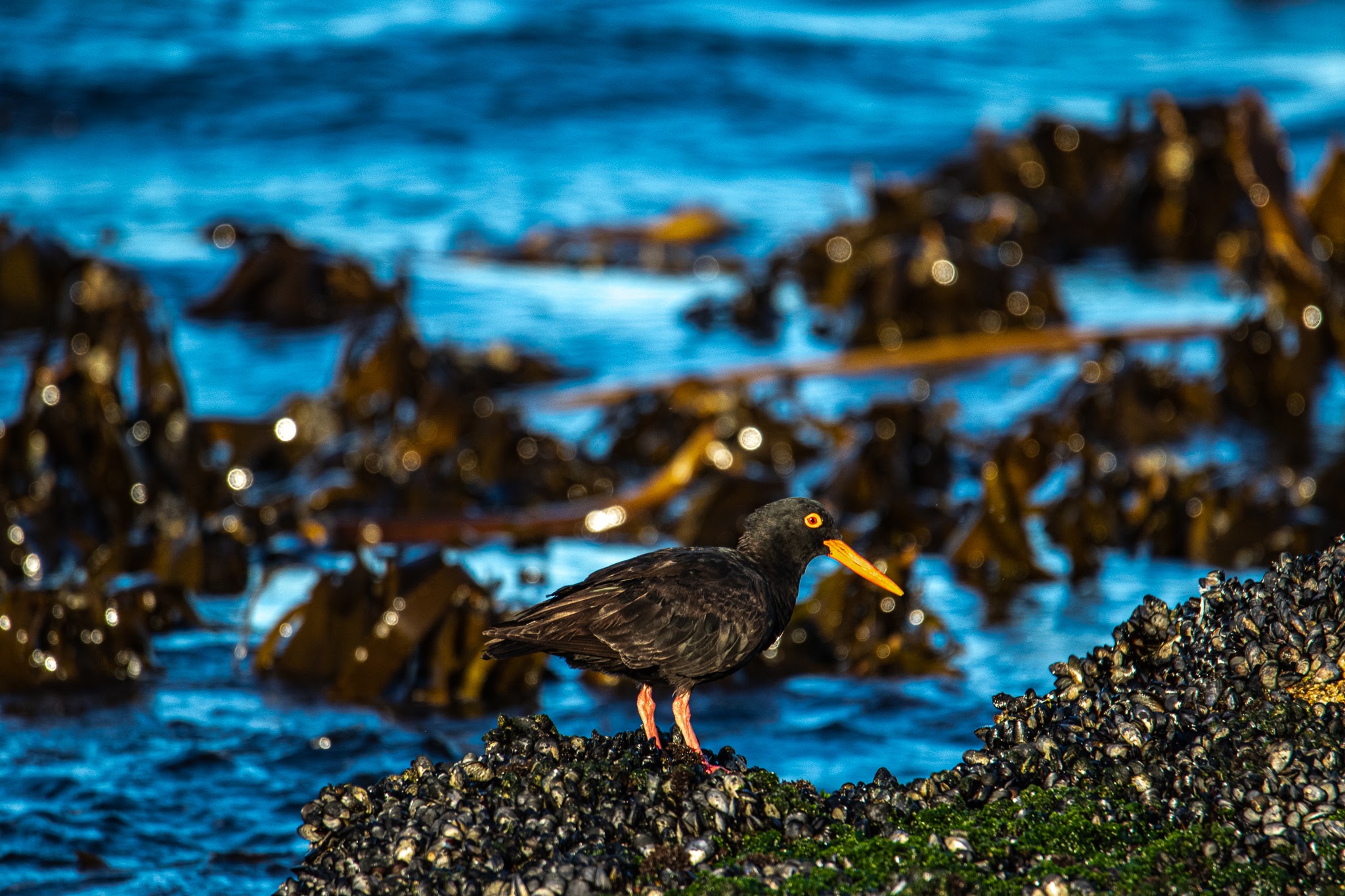
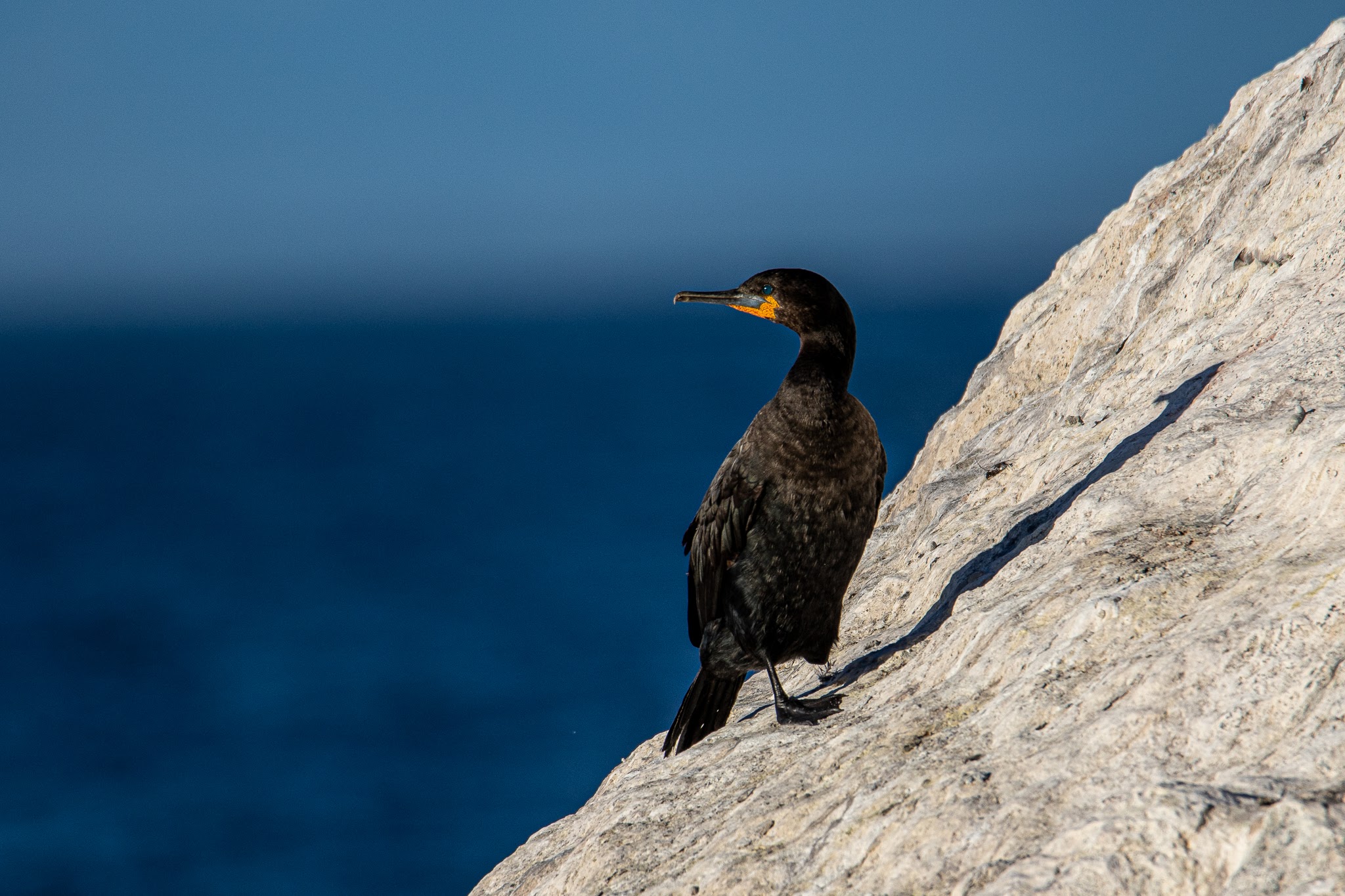
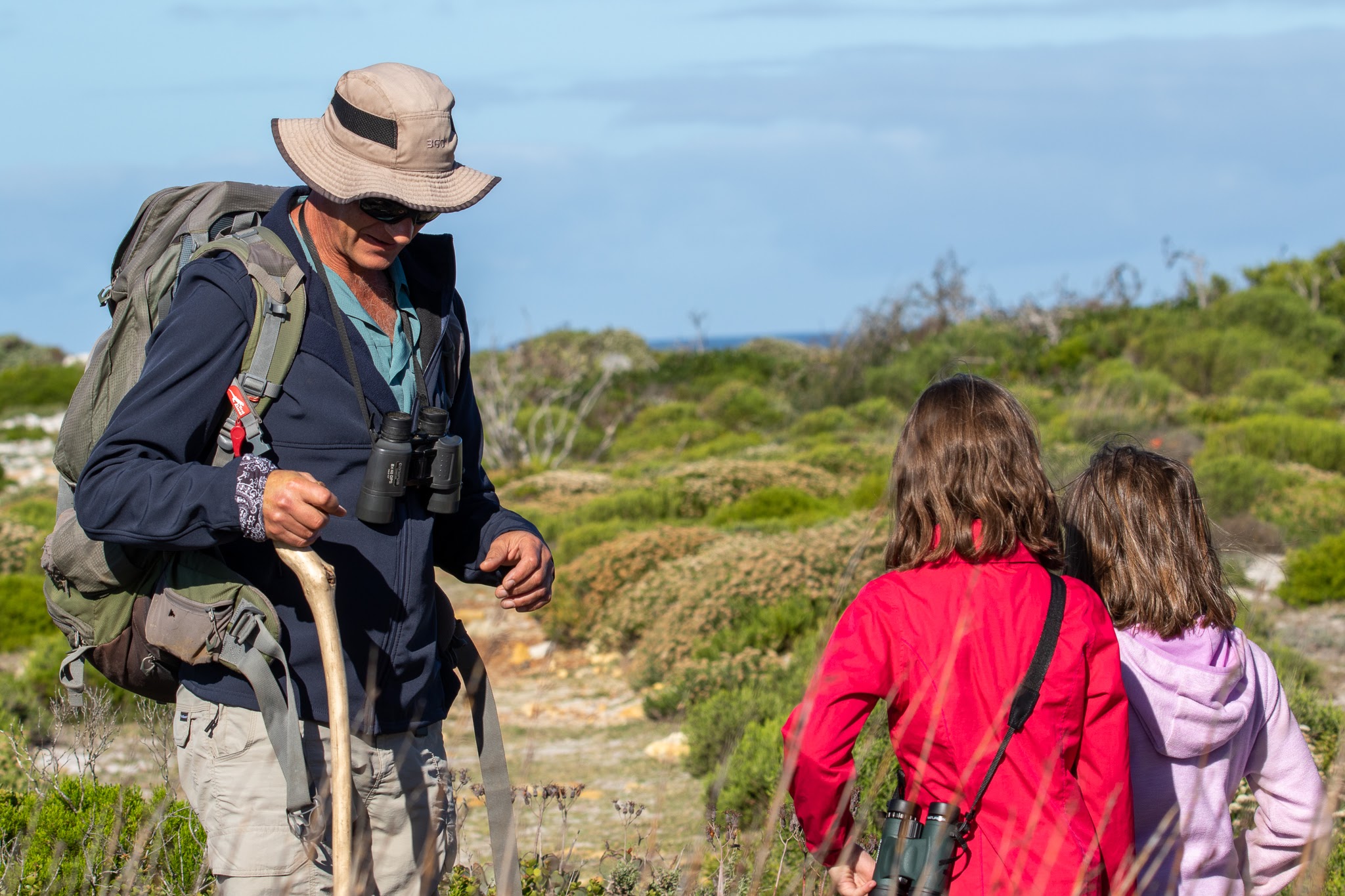
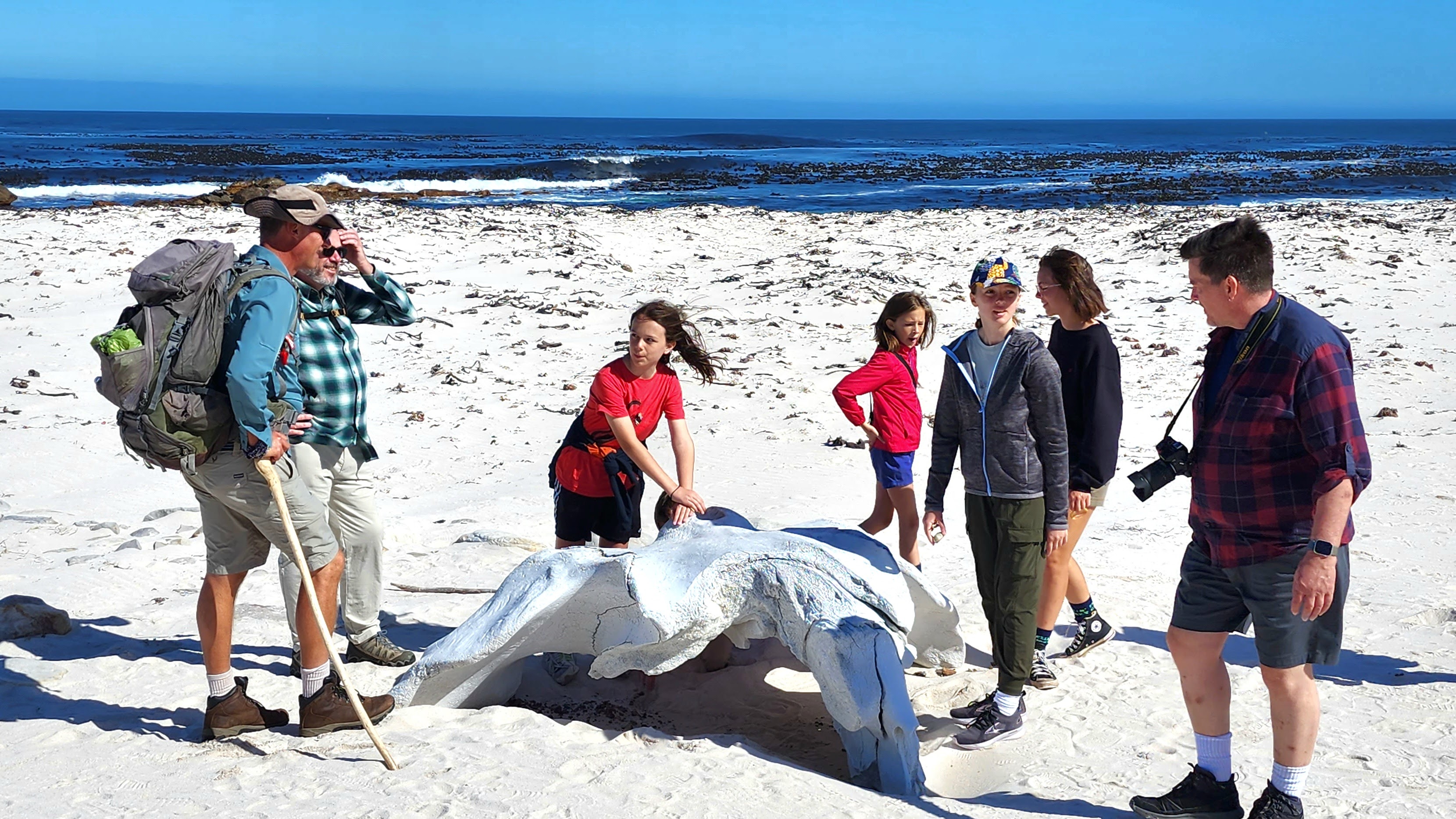
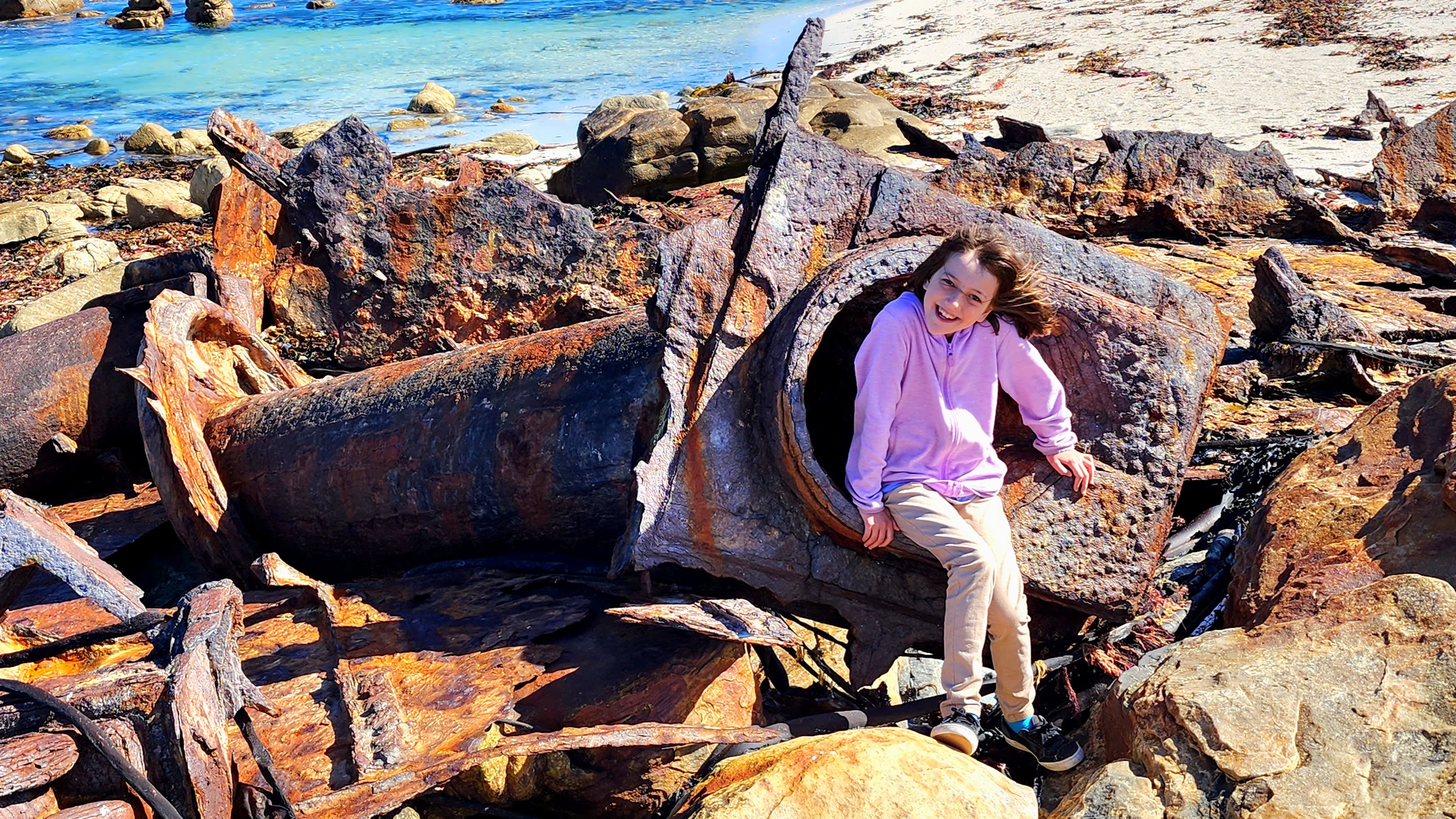
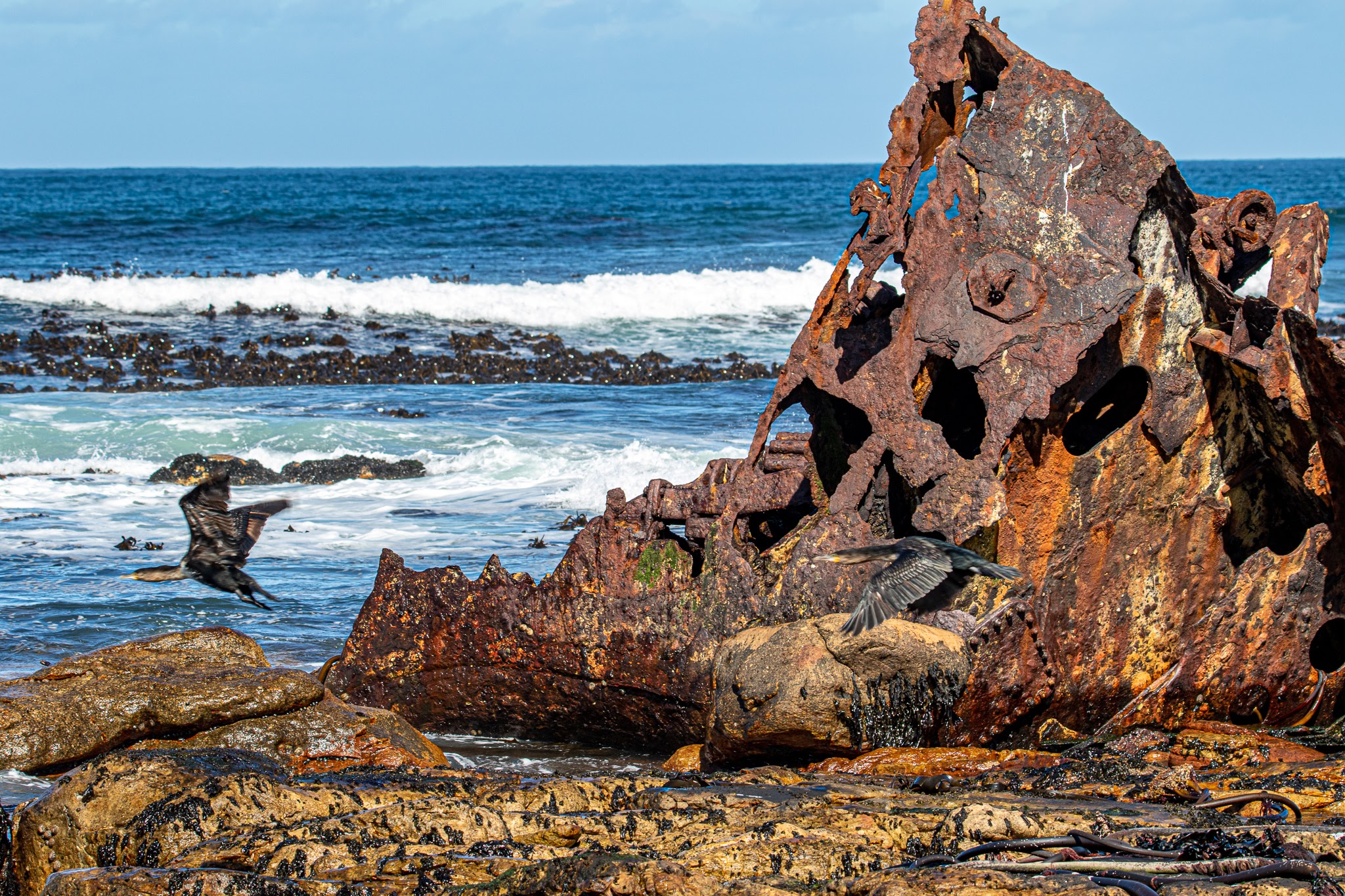
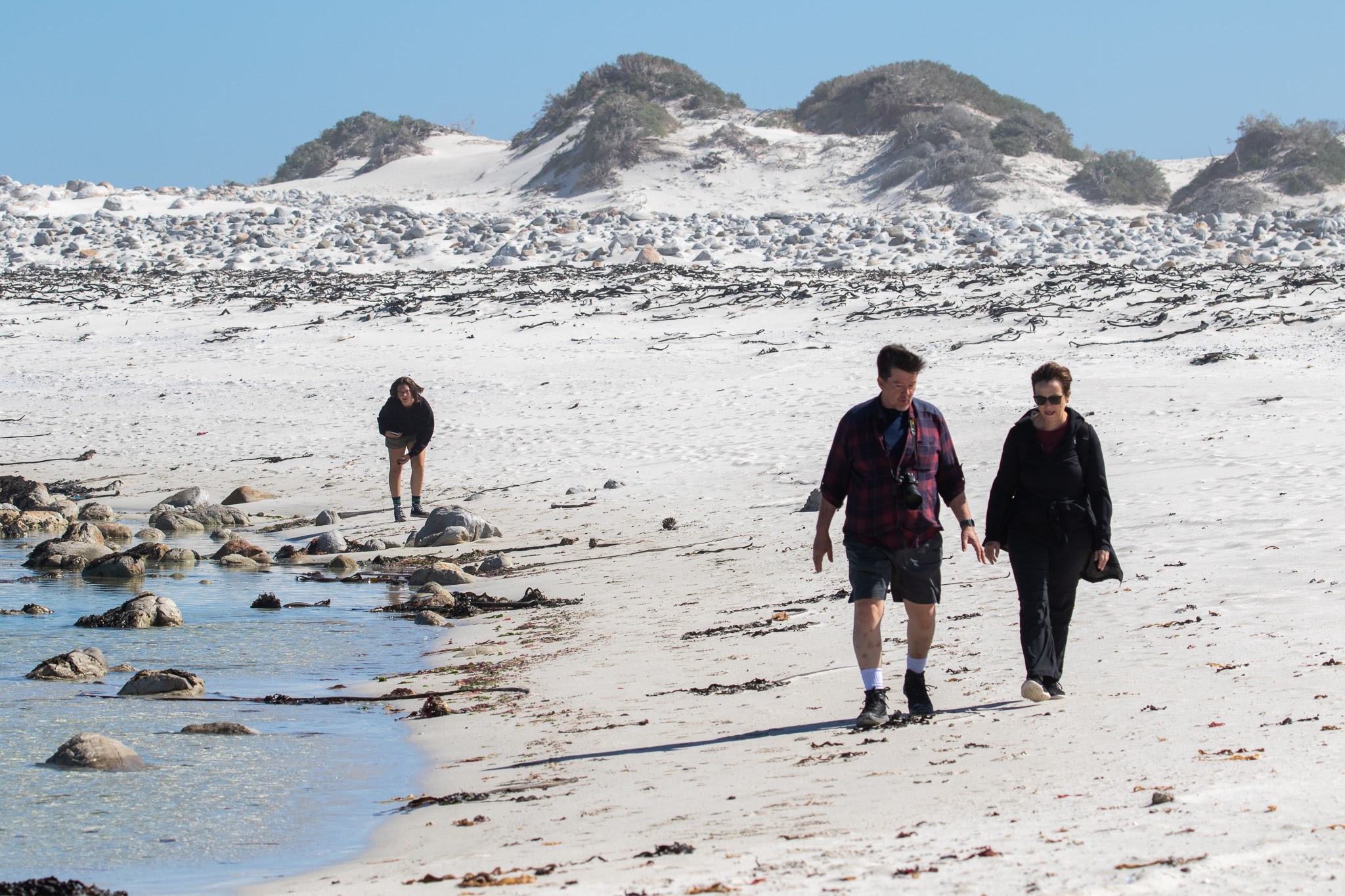
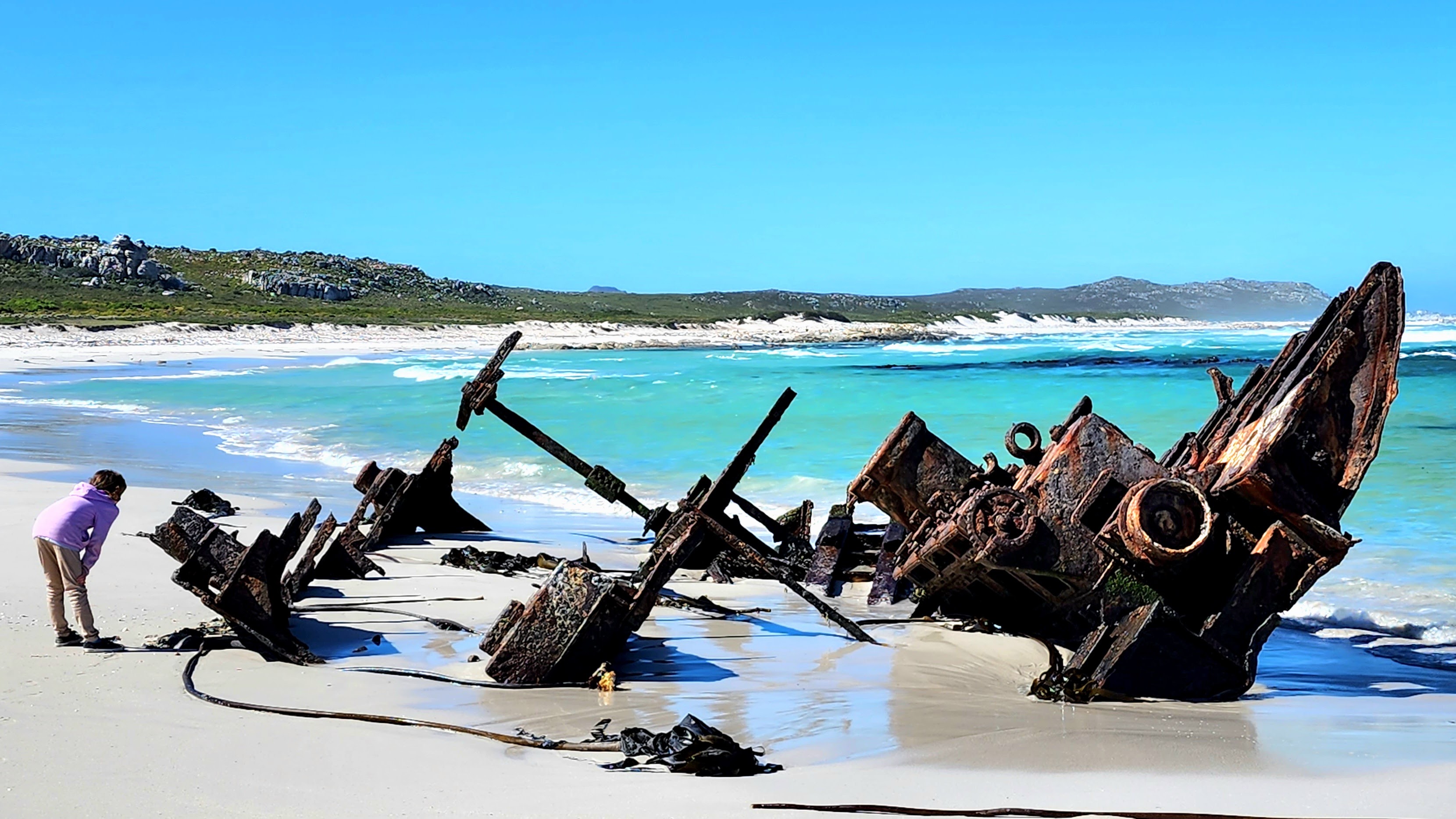
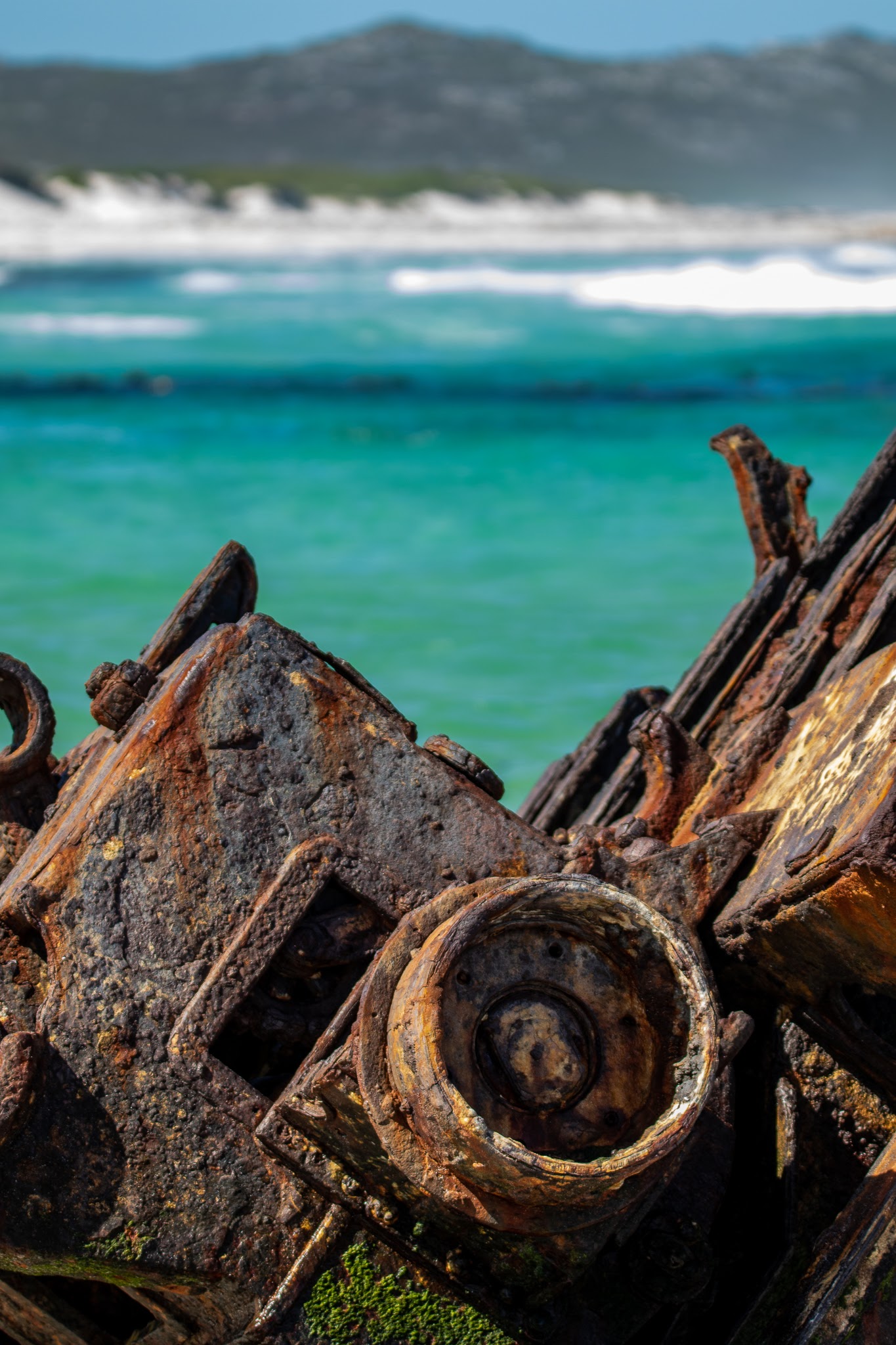
A highlight was a guided hike in the nature reserve that we took with a guide who goes by “the Fynbos Guy.” He took us on a hike called the Shipwreck Trail and taught us about the incredible diversity of the local flora and fauna and the often tragic history of seafaring in the area. We saw lots of birds, including ostrich, and had an amazing opportunity to observe an otter.
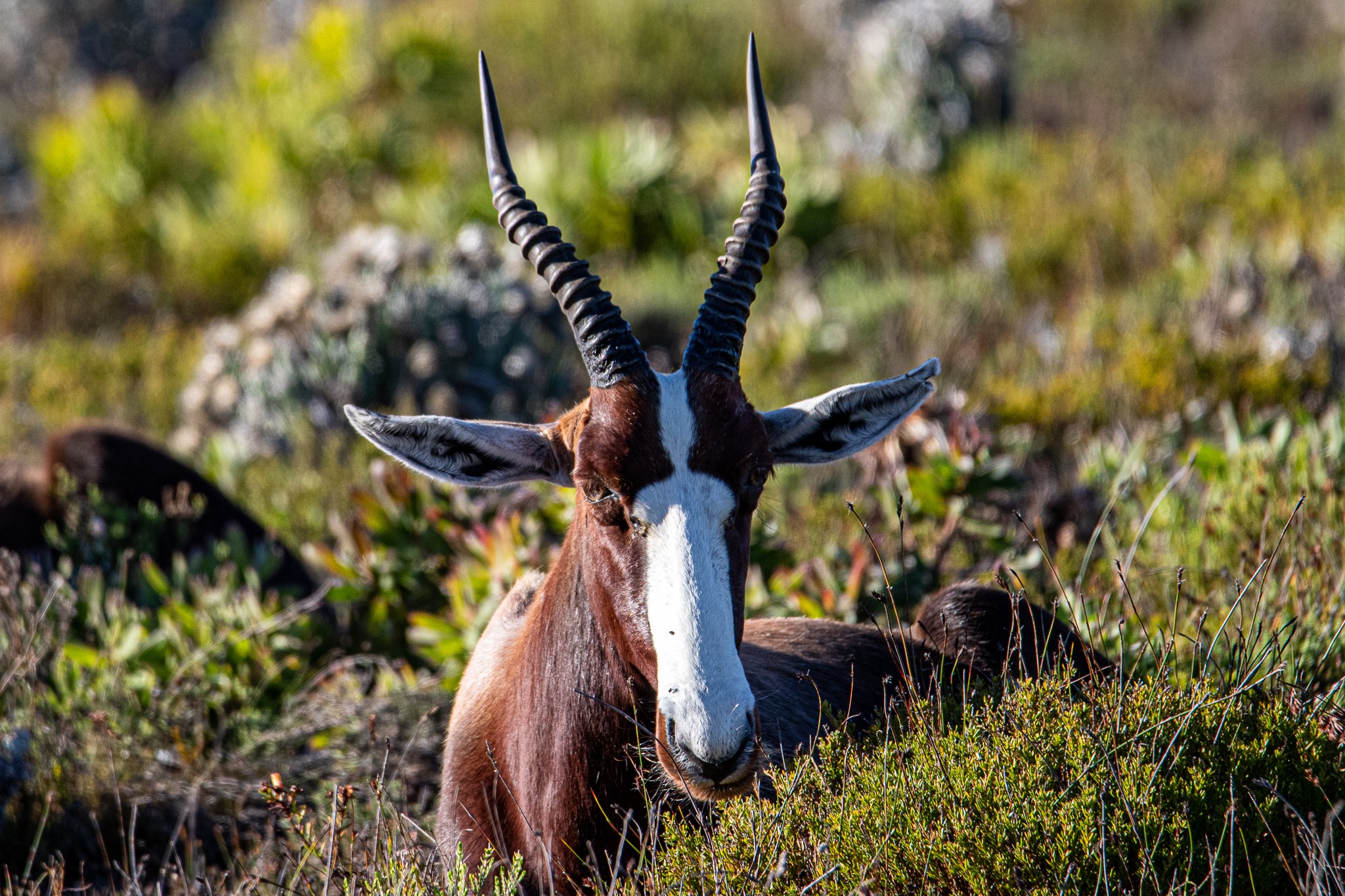
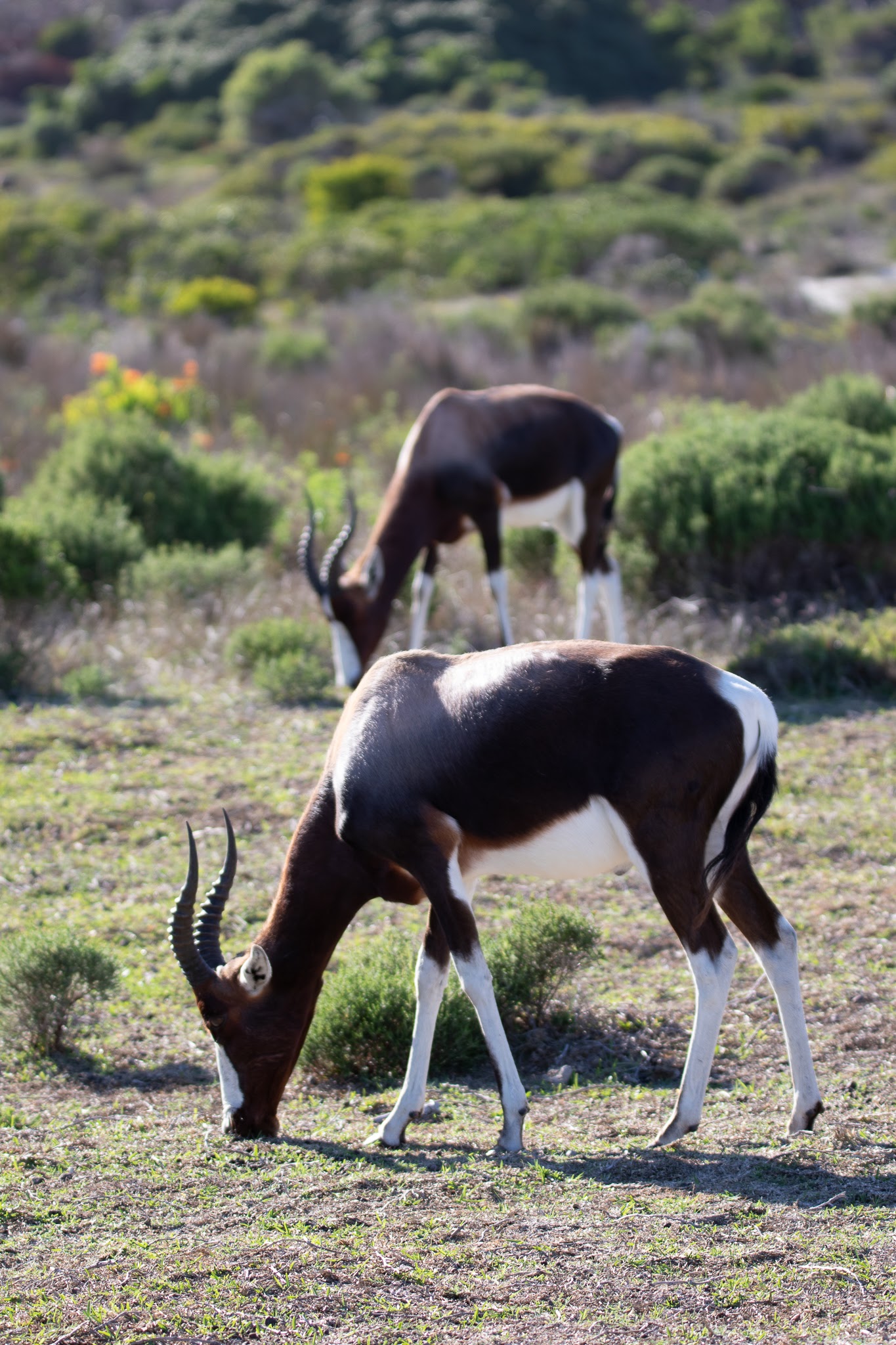
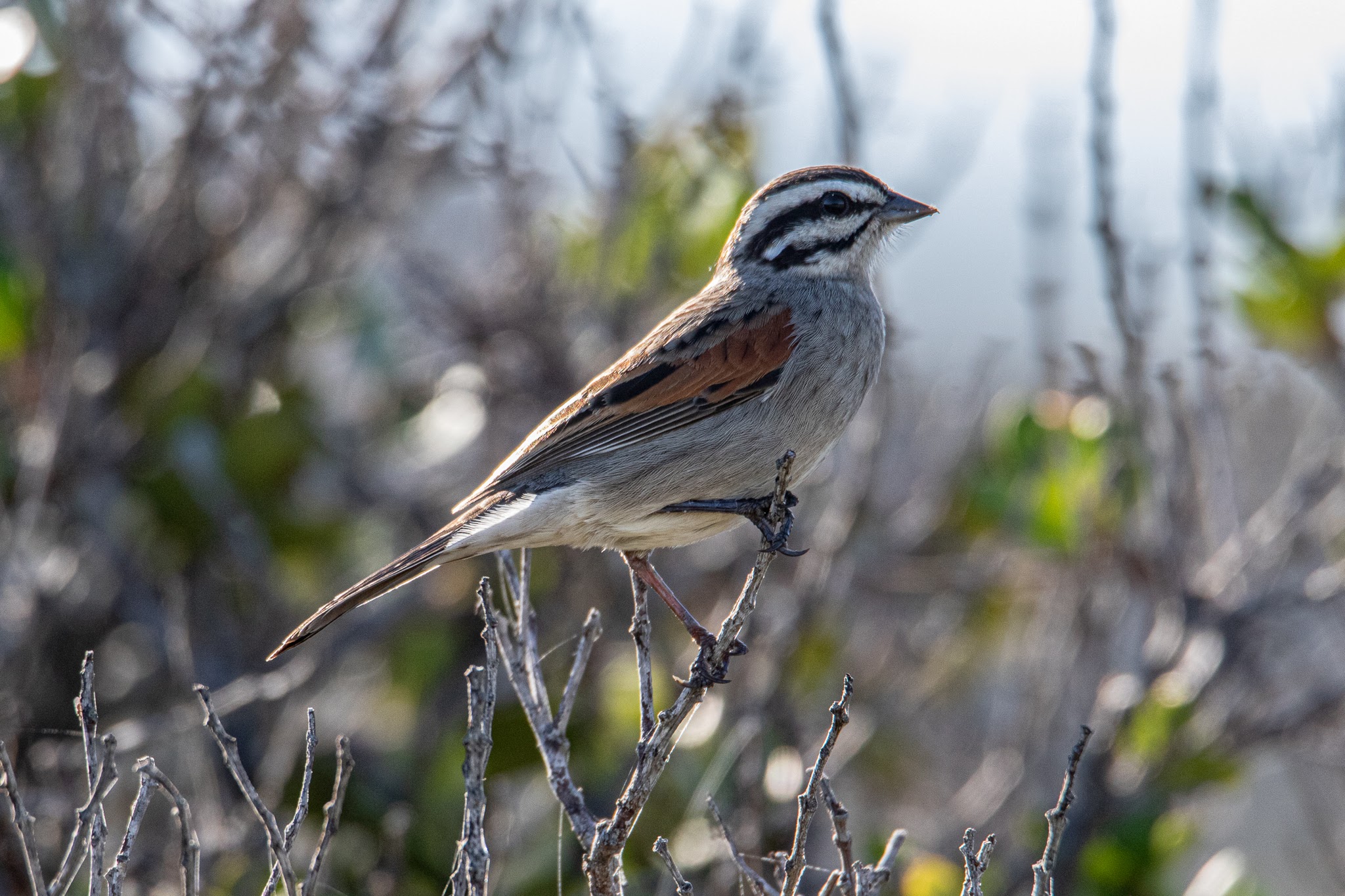
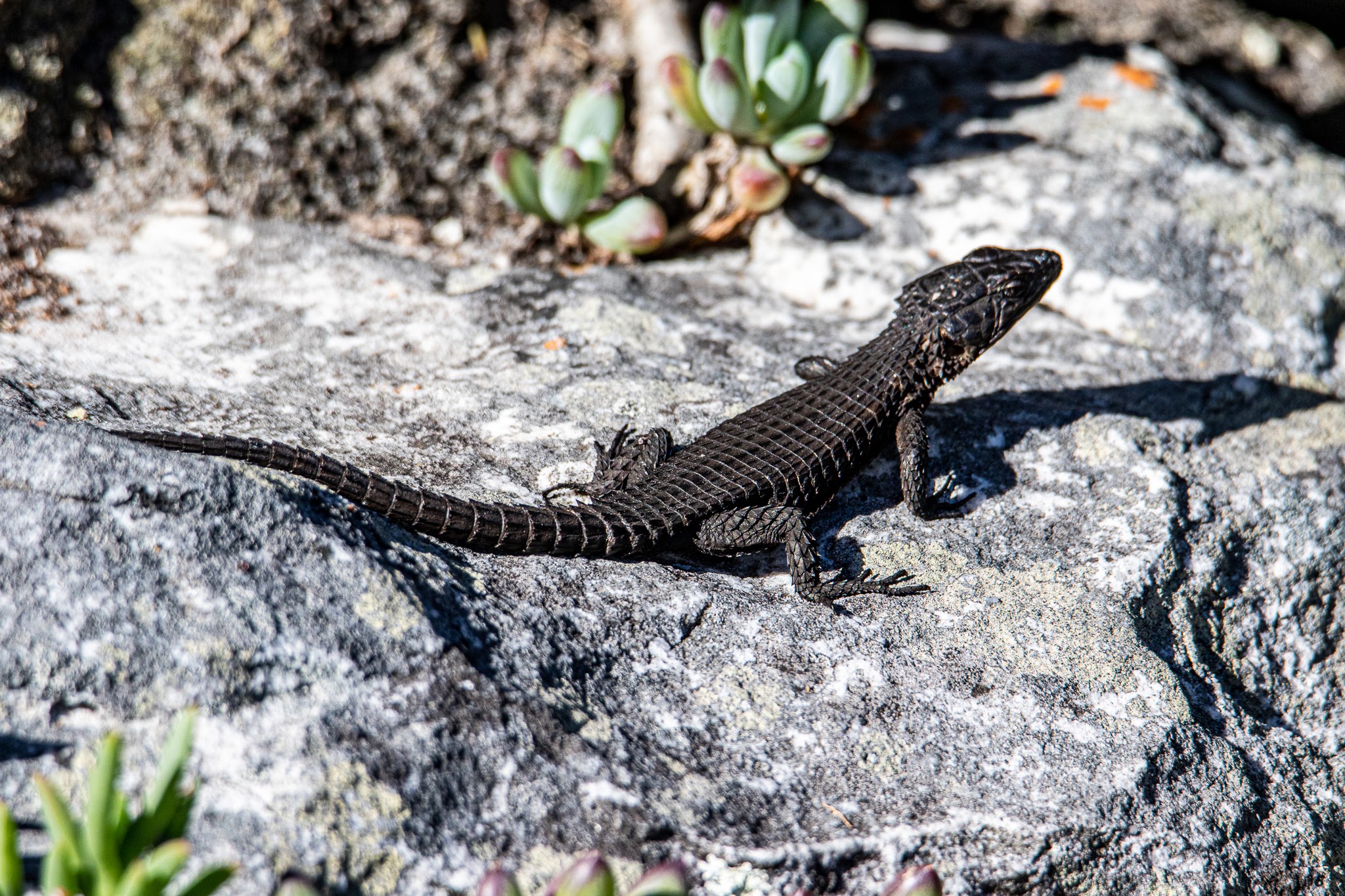
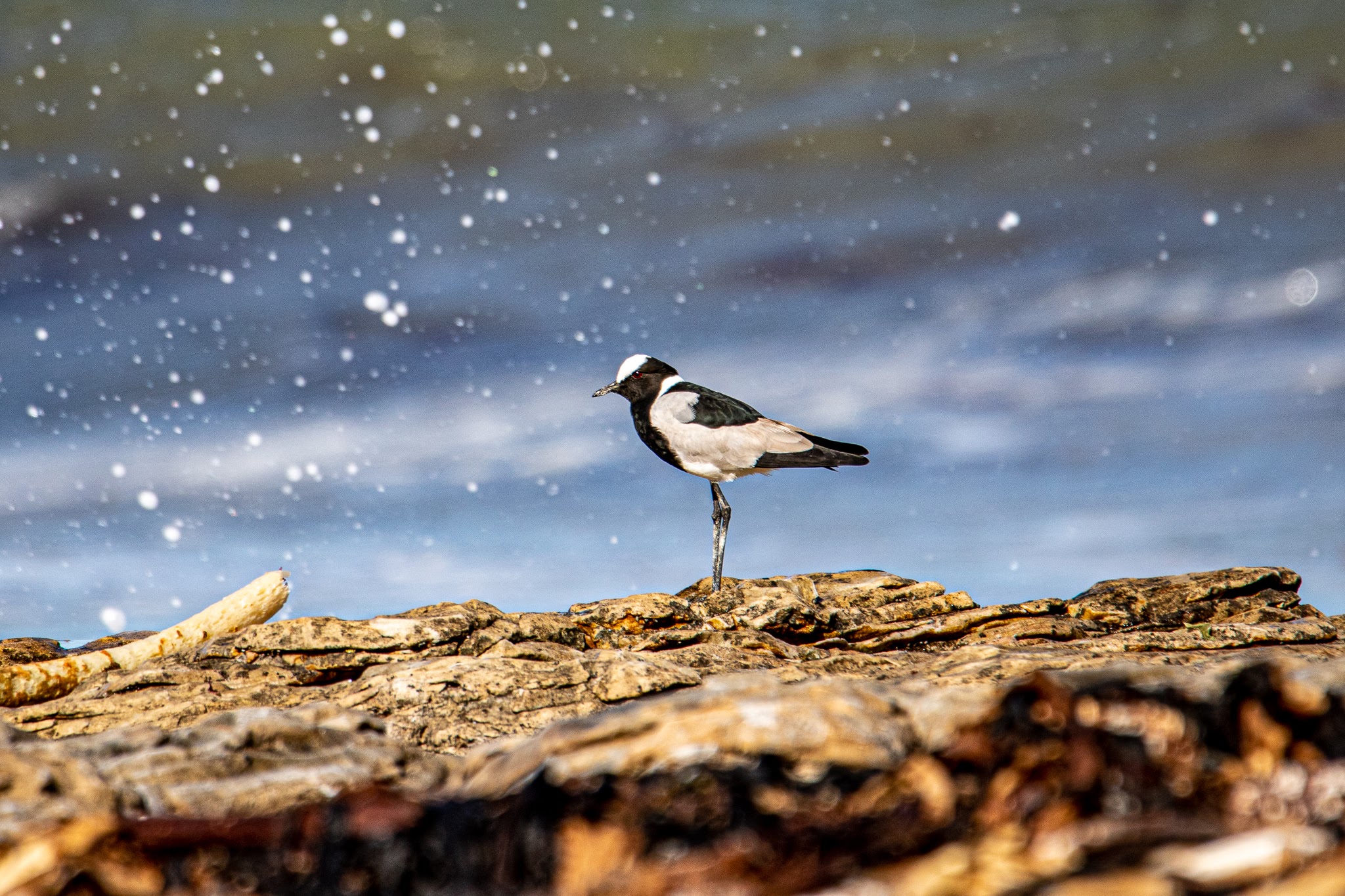
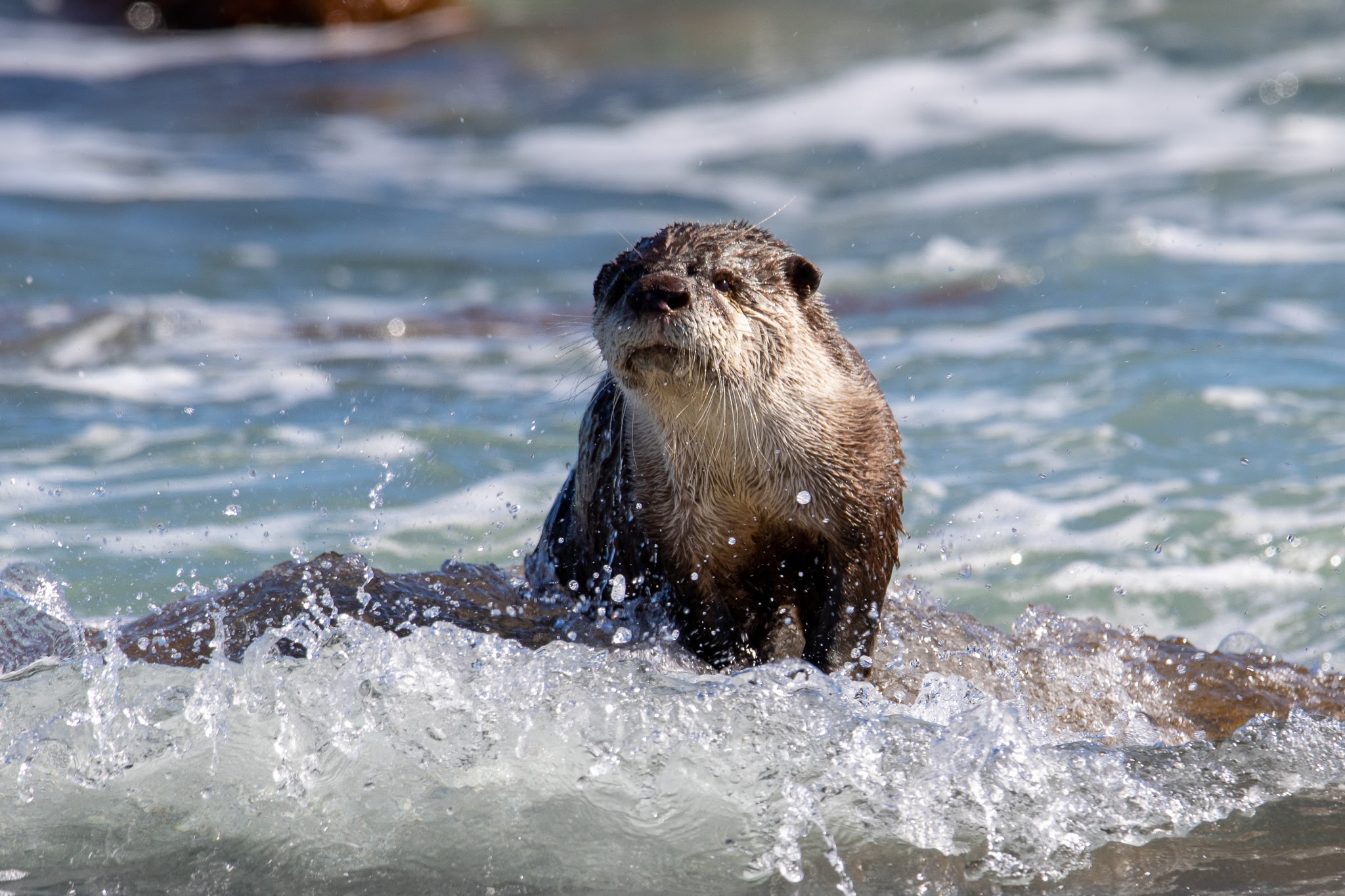
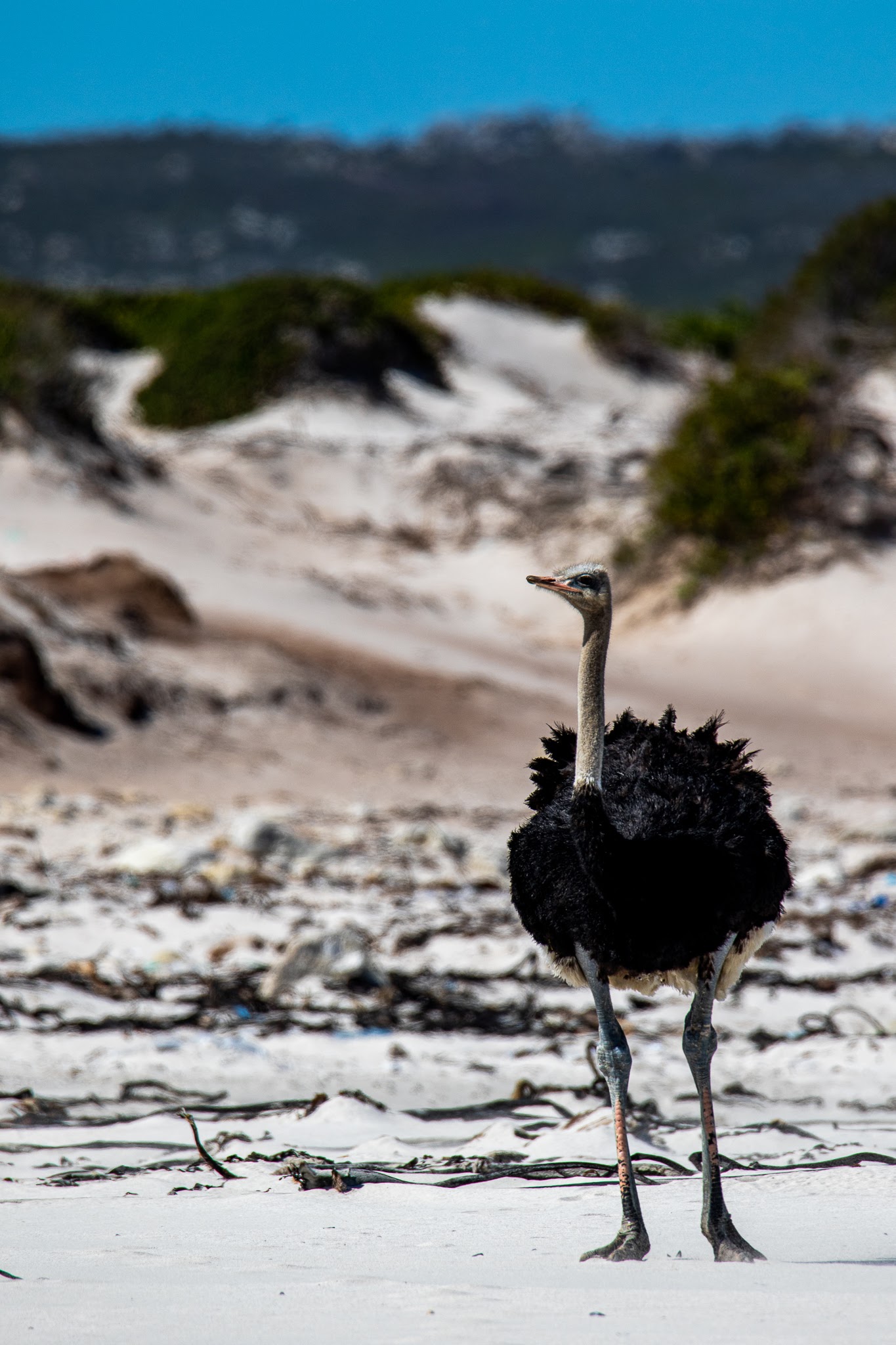
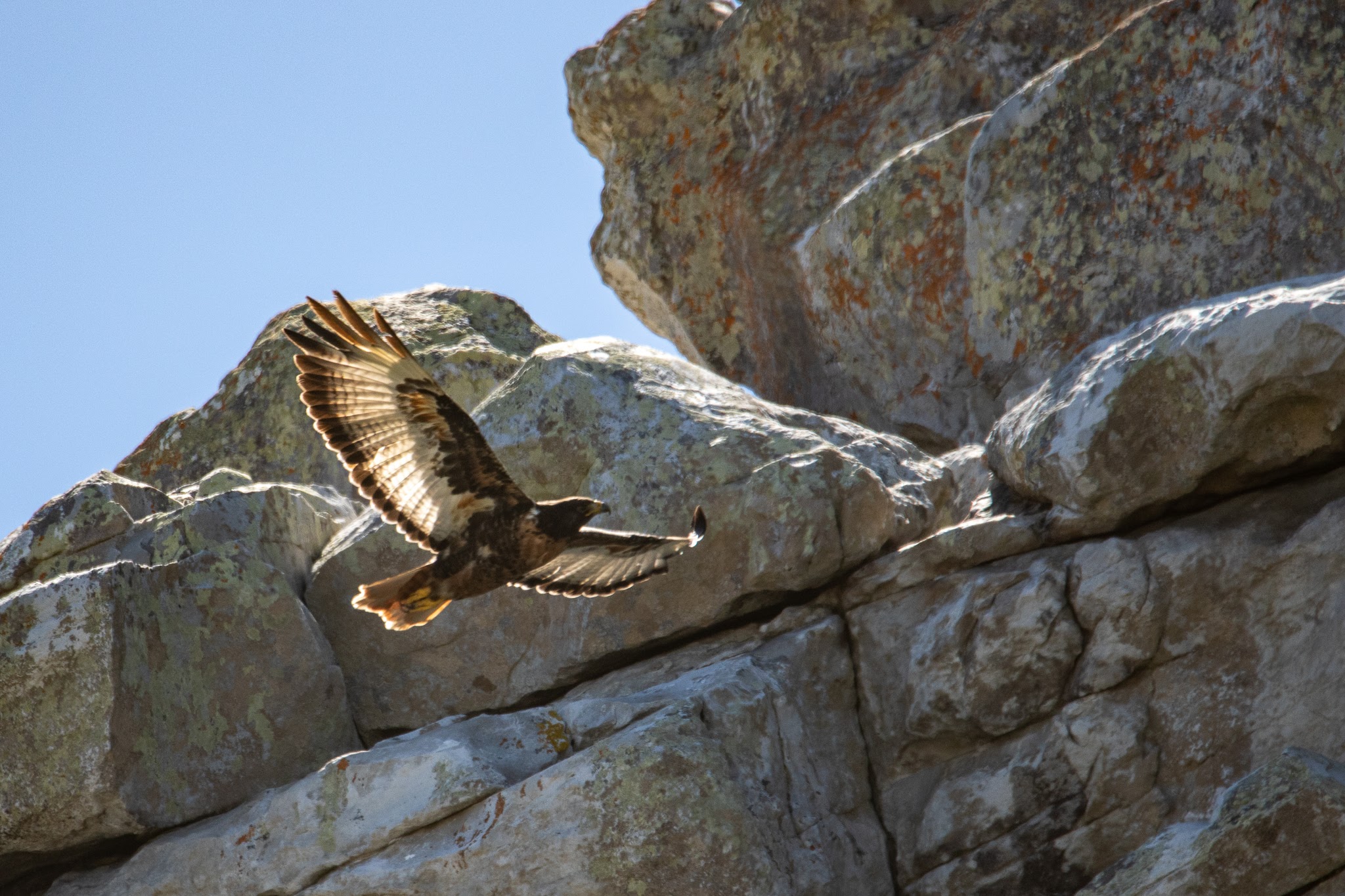
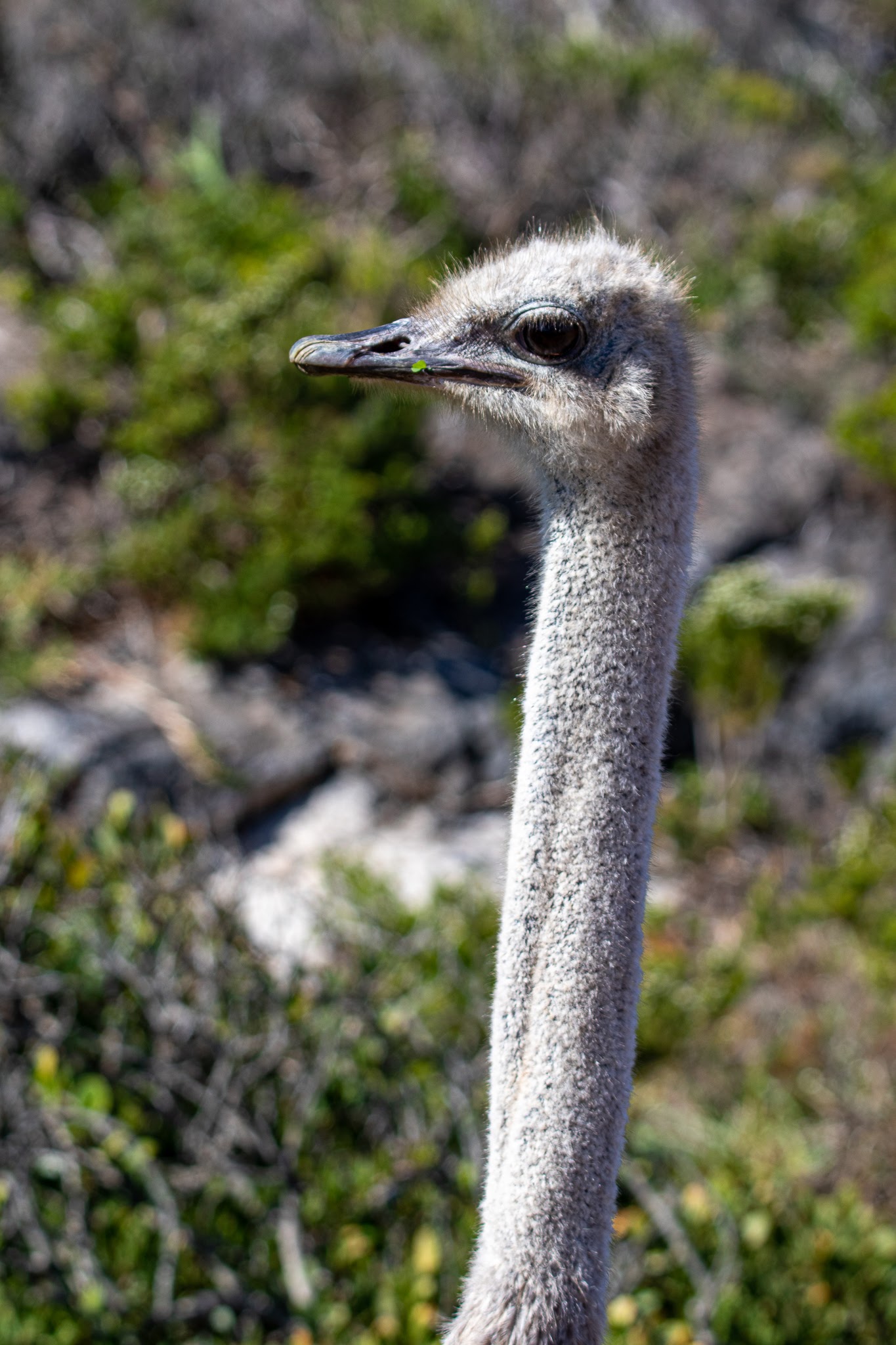
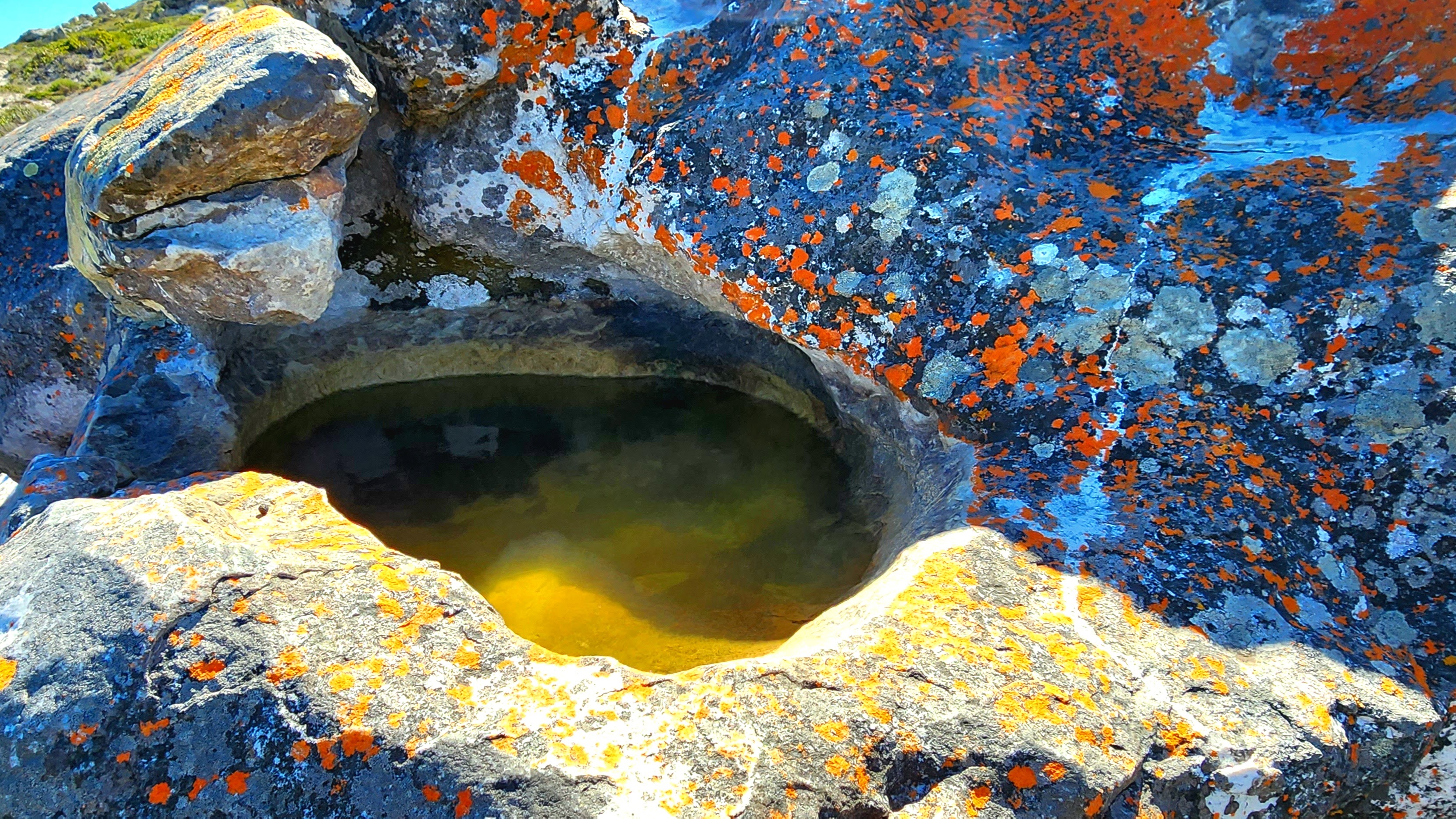
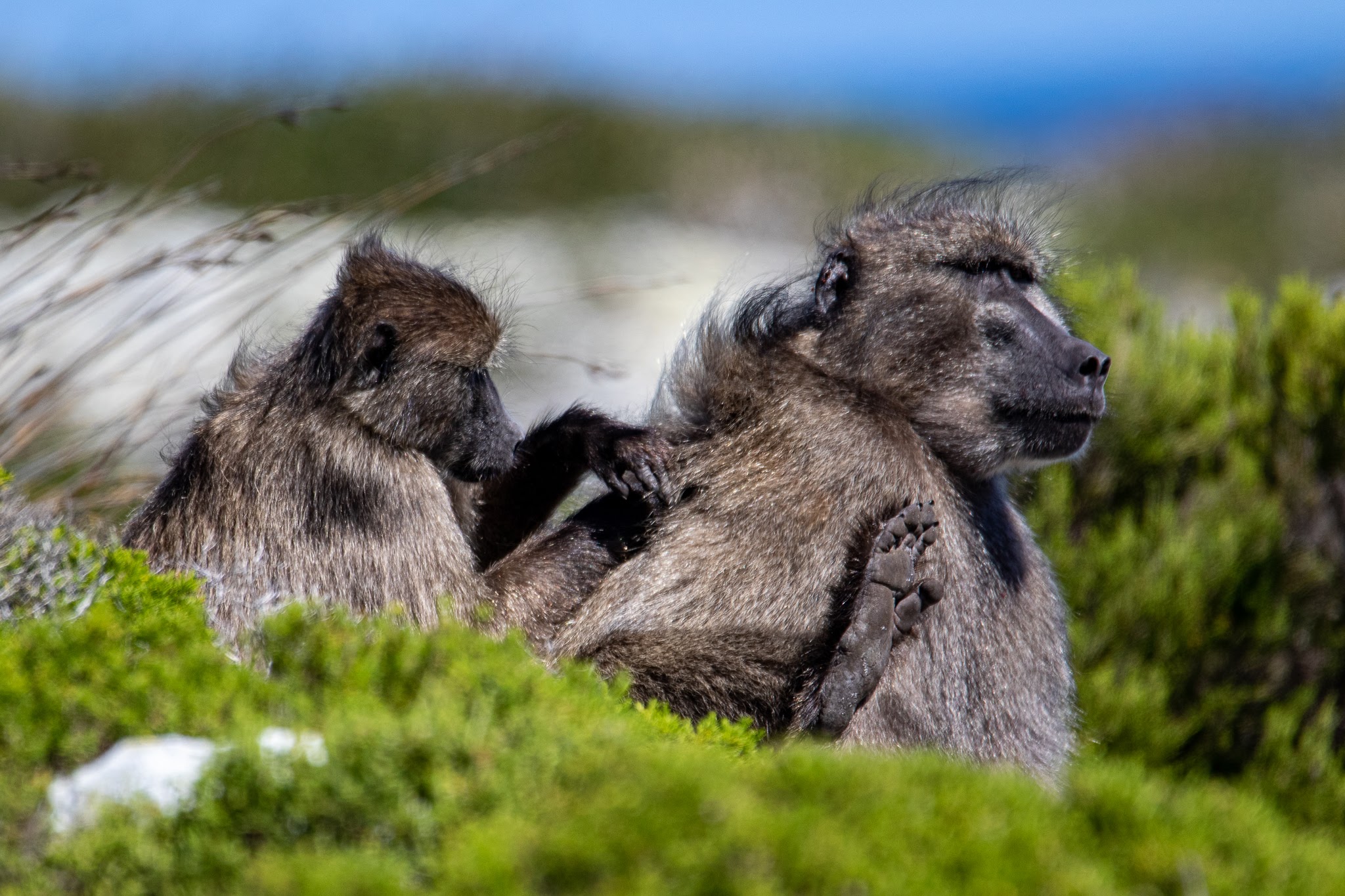
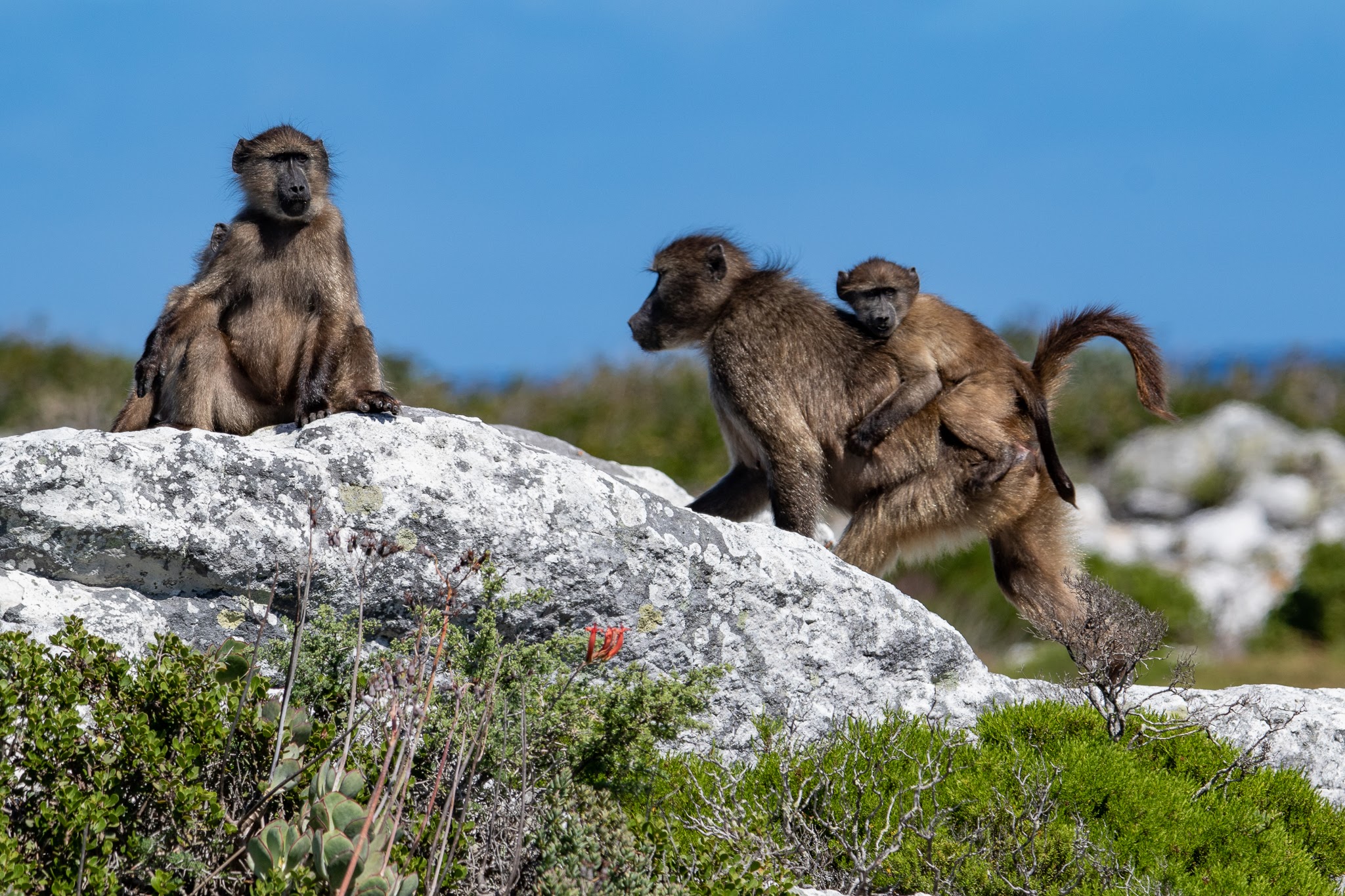
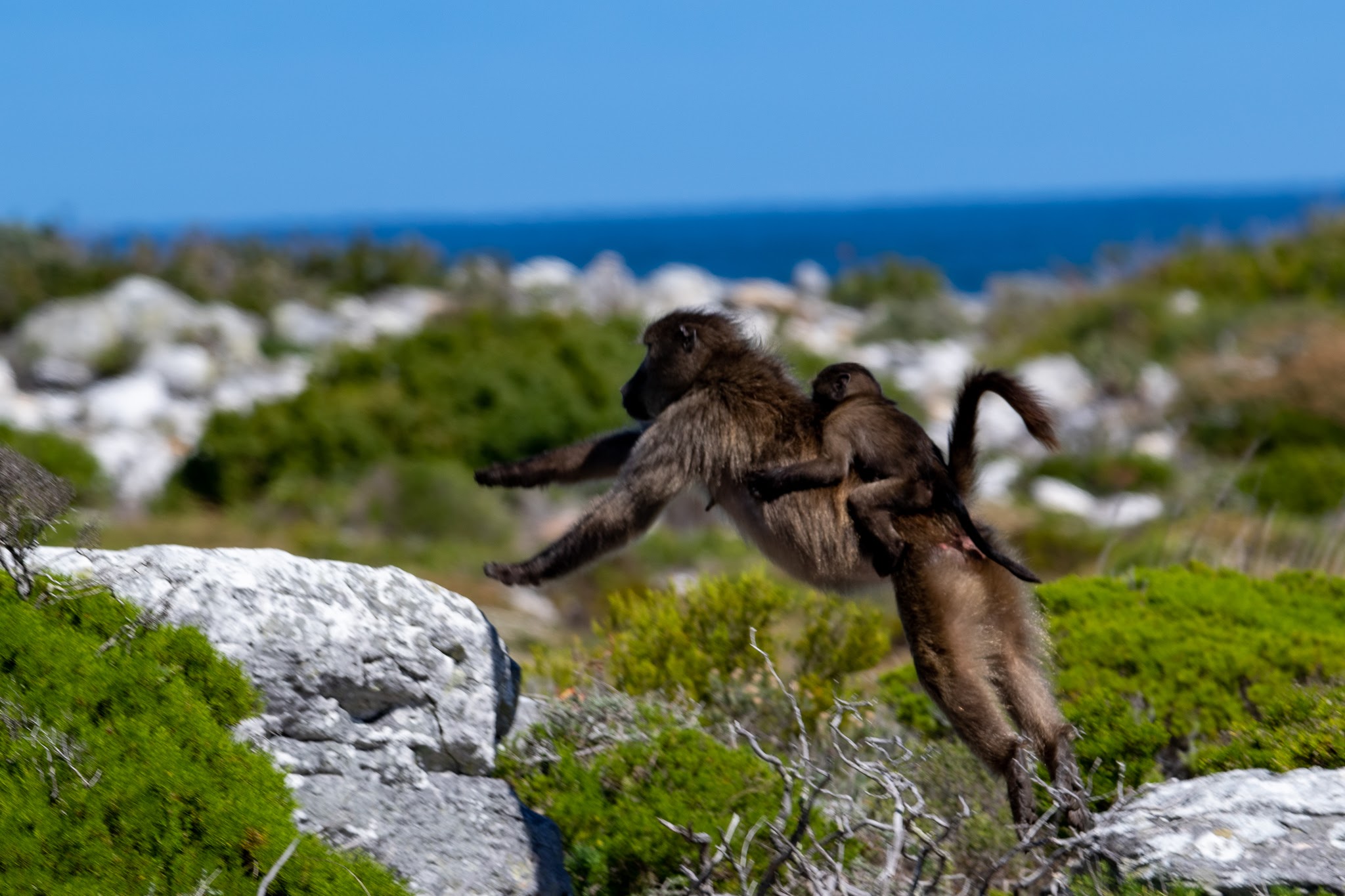
Our picnic plans were thwarted by a pack of baboons who are notoriously aggressive around food. We opted for a quick bathroom break and to go find a different baboon-free spot to enjoy our lunch. Unfortunately, one of the baboons decided to surprise our friend Sarah, venturing into the bathroom when the kids accidentally left the gate open. It all ended well, and we managed to find a nice spot for a picnic away from the baboons.
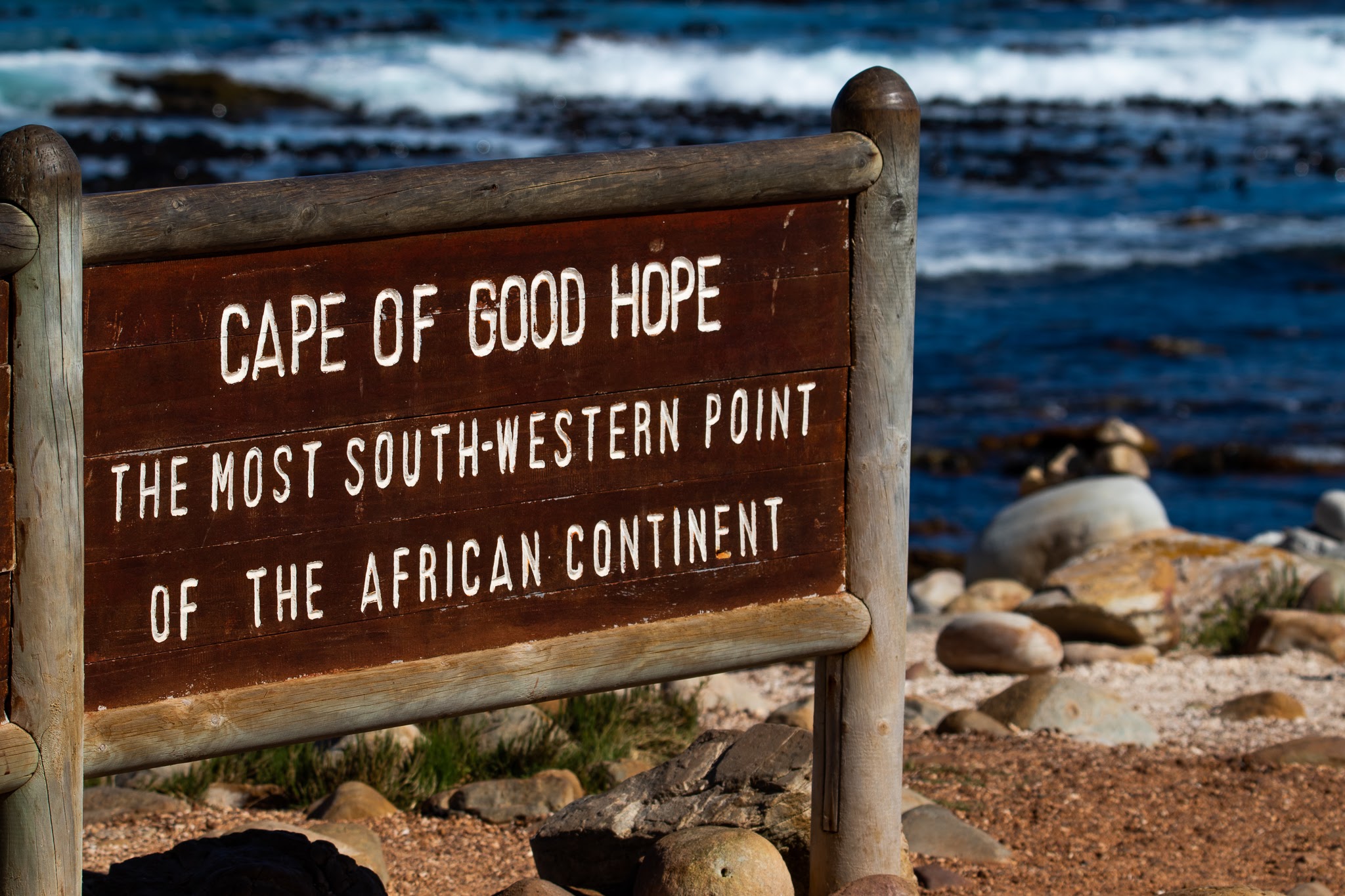
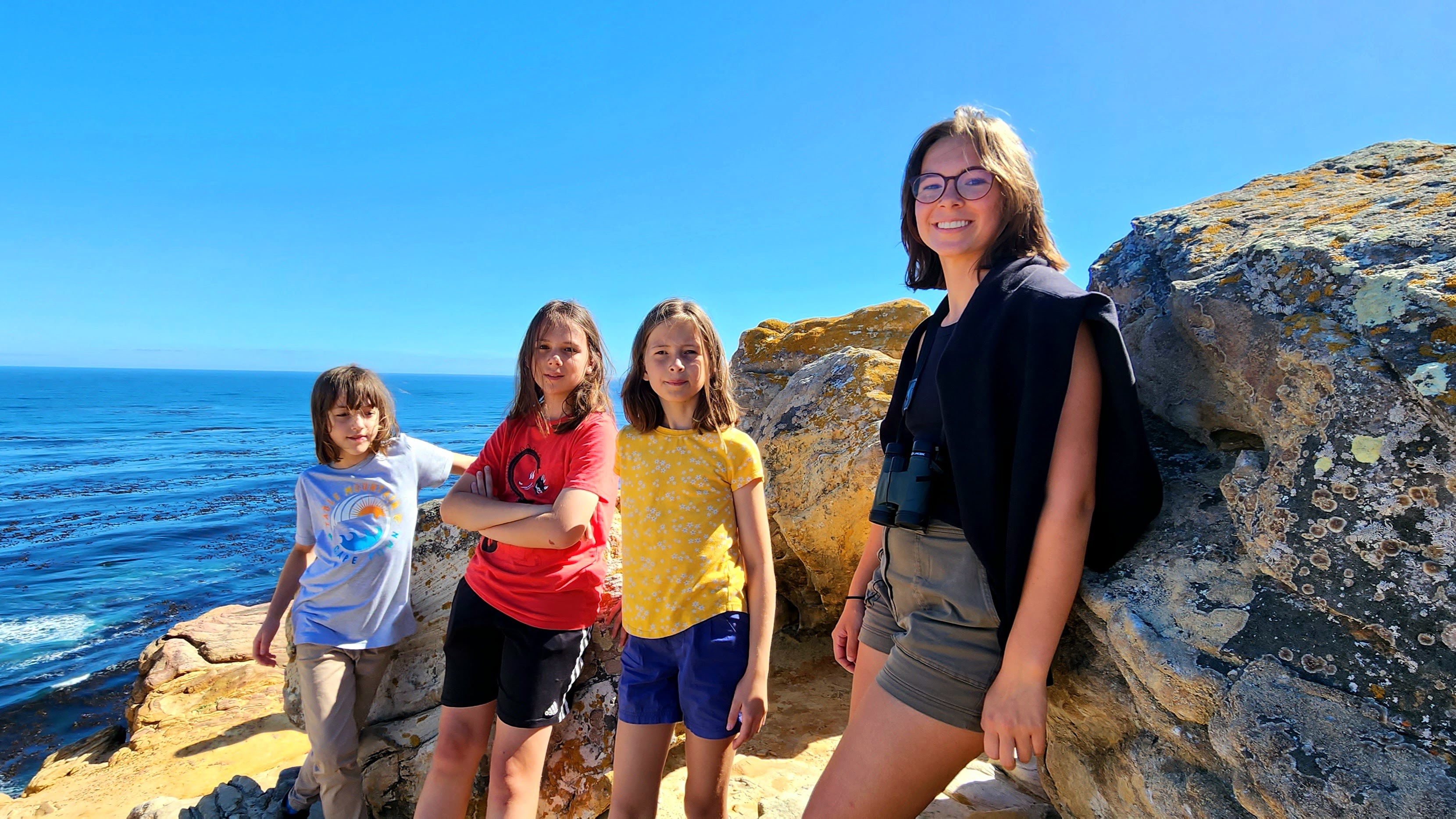
We made a final stop at the Cape of Good Hope for a quick hike and some family photos.
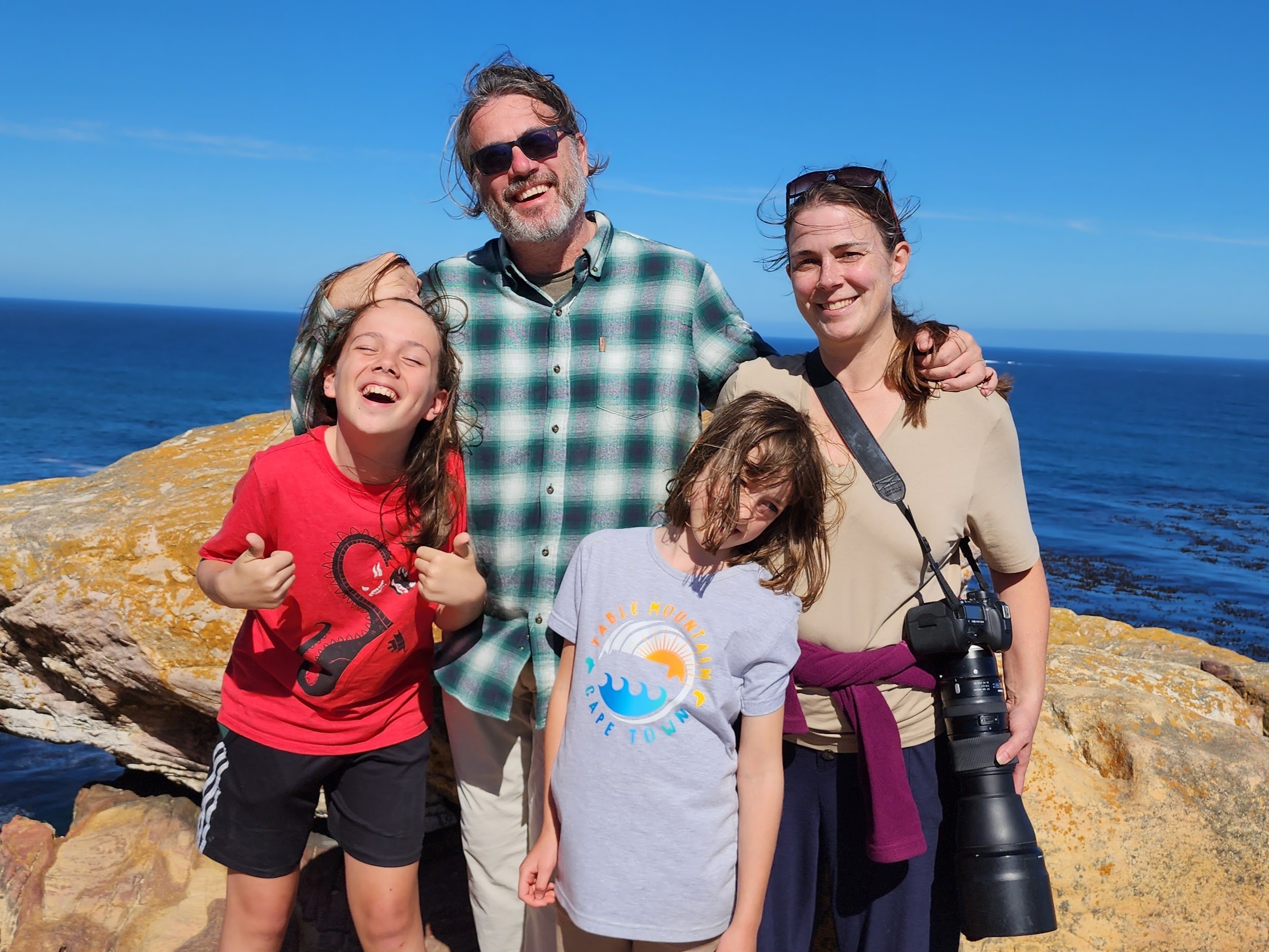
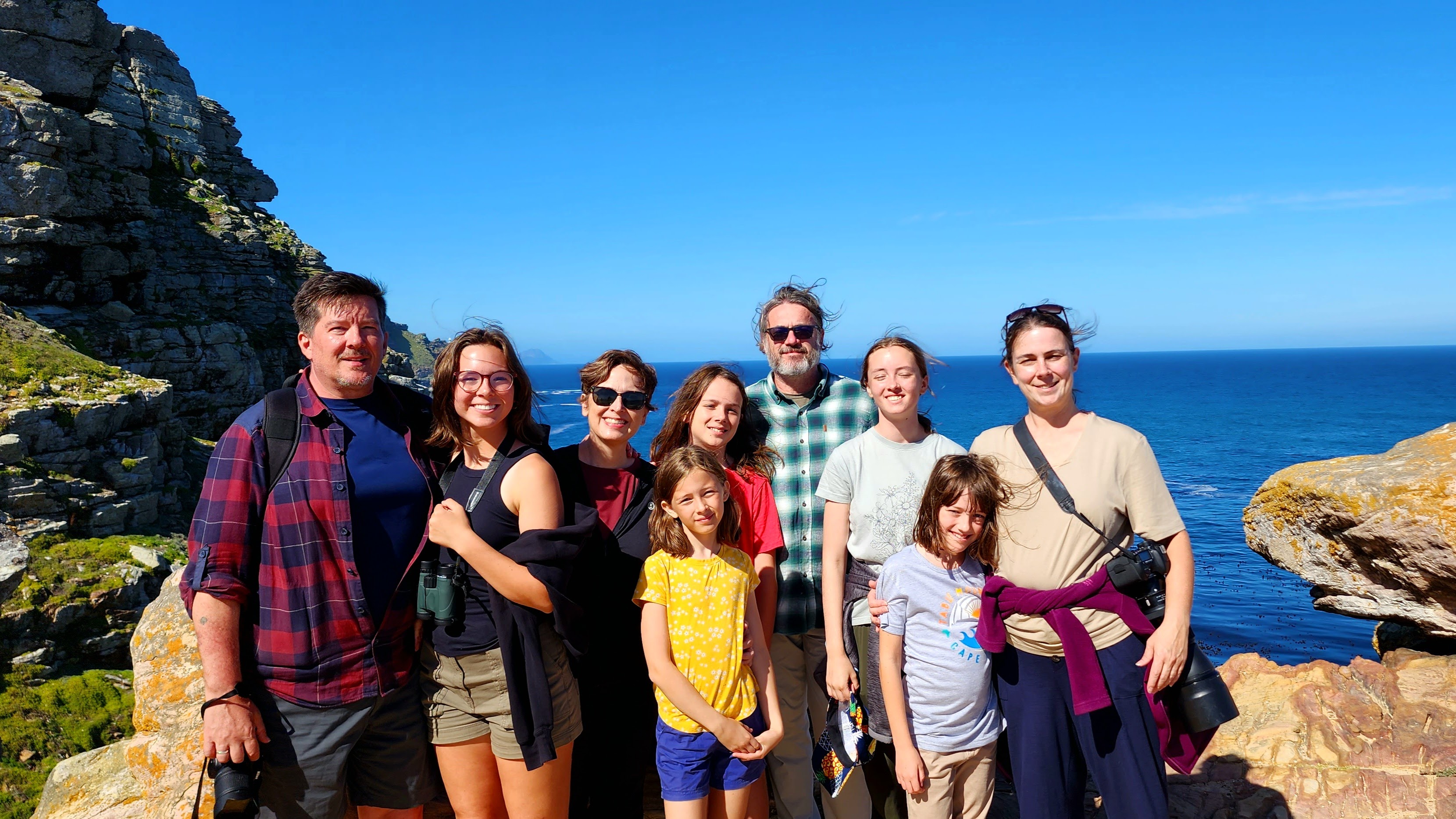
After an amazing week in Capetown, we headed to Johannesburg. We were all a bit exhausted from our jampacked days in CT, so we didn’t do much in Joburg. We stayed across from the Melrose Arch neighborhood and ventured into this gated community for our dinners. We had a last farewell lunch with the Clovers before they headed back to Kinshasa.
We were struck by the natural beauty, the biodiversity, the delicious food and wine, and the friendliness and hospitality of our guides, taxi drivers, hosts, and others who we encountered during our visit. Intermixed with all this were reminders of the continued struggles of the country to heal from the wounds of its turbulent history. We feel grateful that we had the opportunity to spend a week exploring this beautiful part of the world, learning about its nature, history, and culture, and sharing these Cape Town capers with our friends.
 Travels with Mr. Smart