Don’t get me wrong, there are many perks to life in the UAE- the sense of safety, the amazing diversity of residents, the abundance of amenities, the winter sunshine, and more. But the back-to-school season here is rough. In addition to the normal stresses of returning to work after a summer of leisure with friends and family, autumn in the UAE is filled with sweltering walks to and from air-conditioned spaces and unending indoor recesses. Friends’ photos of their trips to the pumpkin patch & apple orchard, forested hikes, and bountiful garden harvests left me nostalgic for the crisp air and joys of autumn in a temperate climate. Fortunately, in mid-October, we had a 5-day break and found a deal on tix to Armenia on Alden’s favorite airline, Wizz Air.
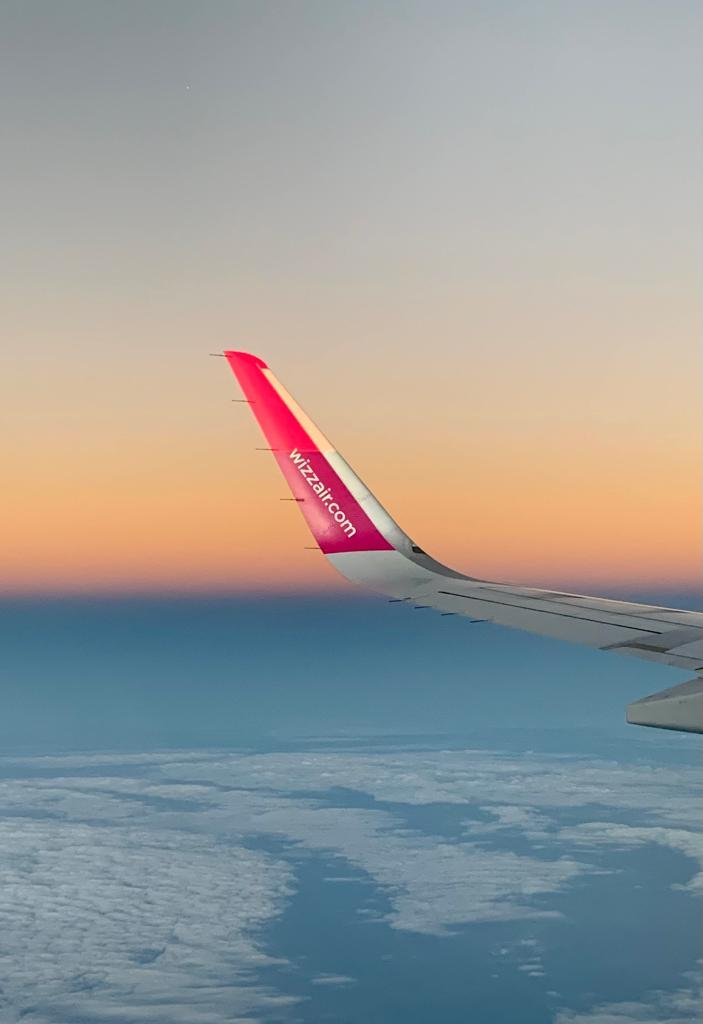
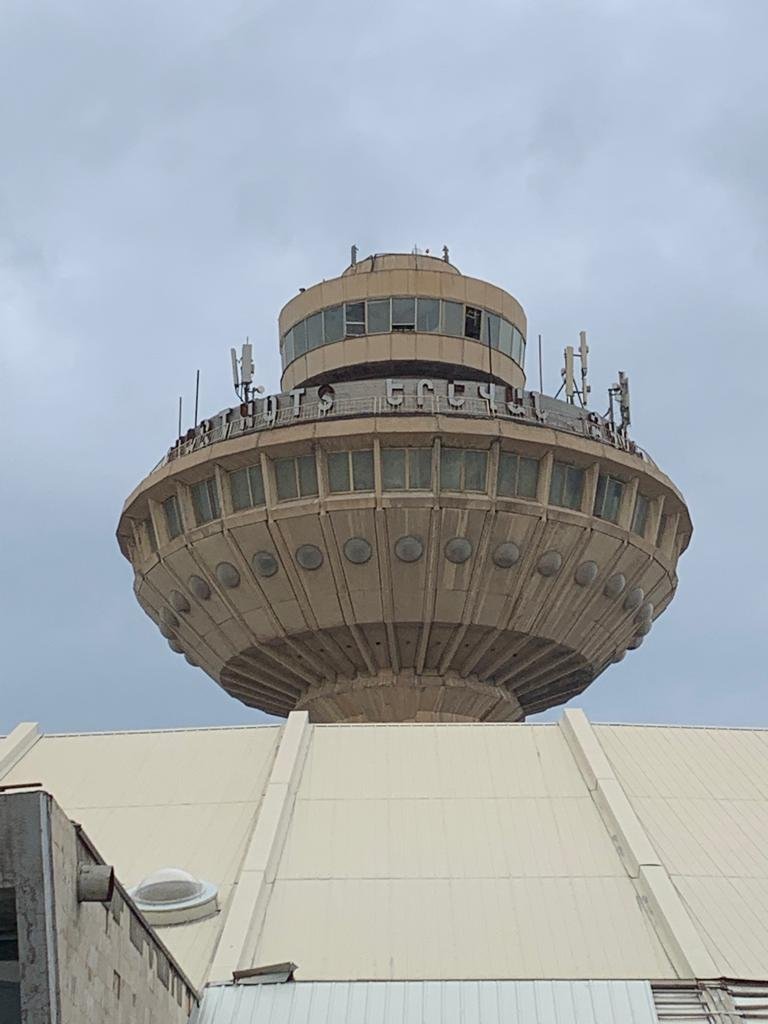
After a very early morning flight, we arrived at the airport in Yerevan. Armenia was formerly part of the USSR, so Russian is commonly spoken, and most signage is in Russian, English, and Armenian. It was fun to have a chance to read Russian again on signs and menus and some flavors and sights brought us back to our days in Kazan. Simon was able to recruit a driver at the airport to drive us to our apartment in Dilijan with several detours to check out some of the interesting places along the way.
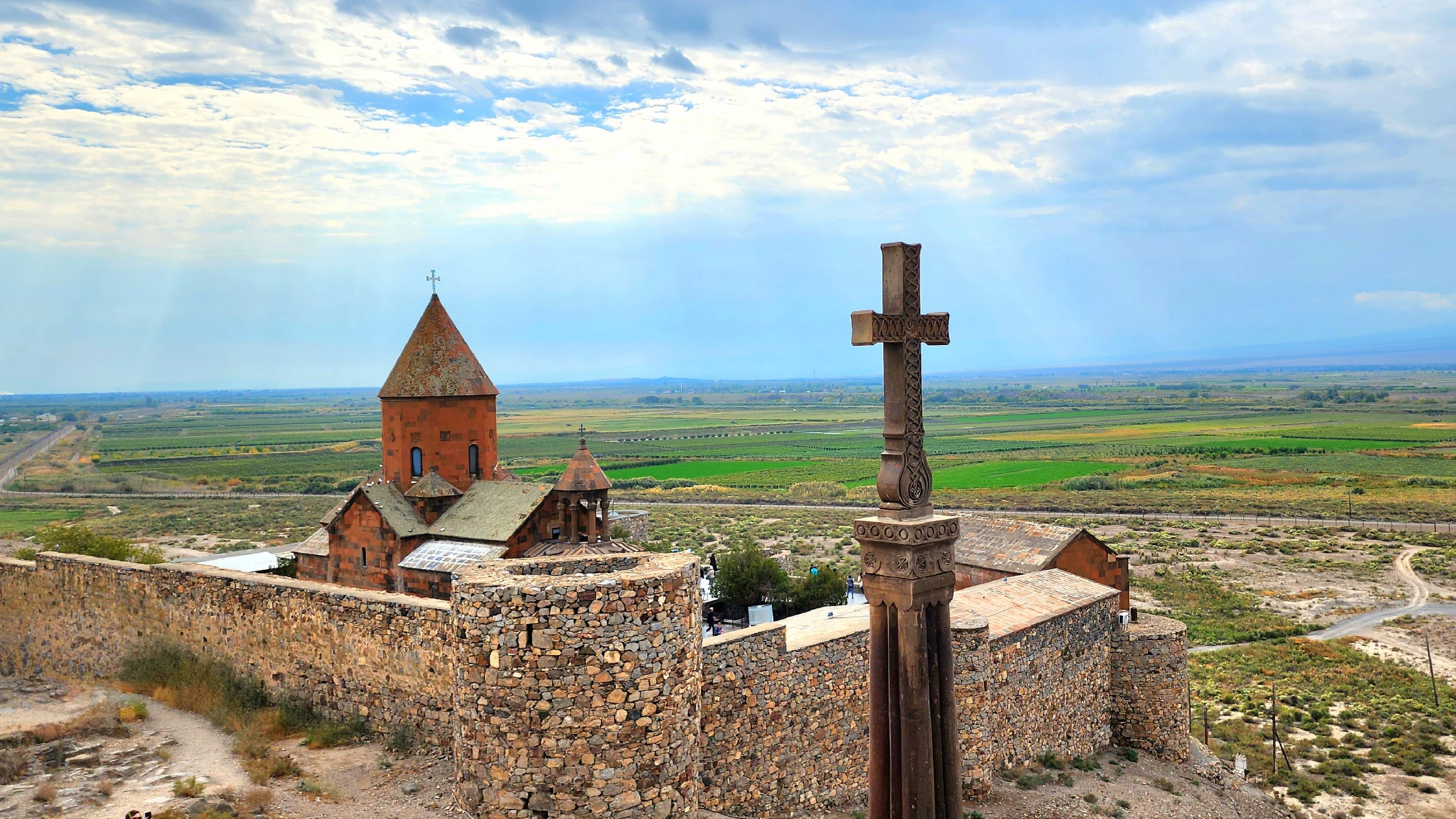
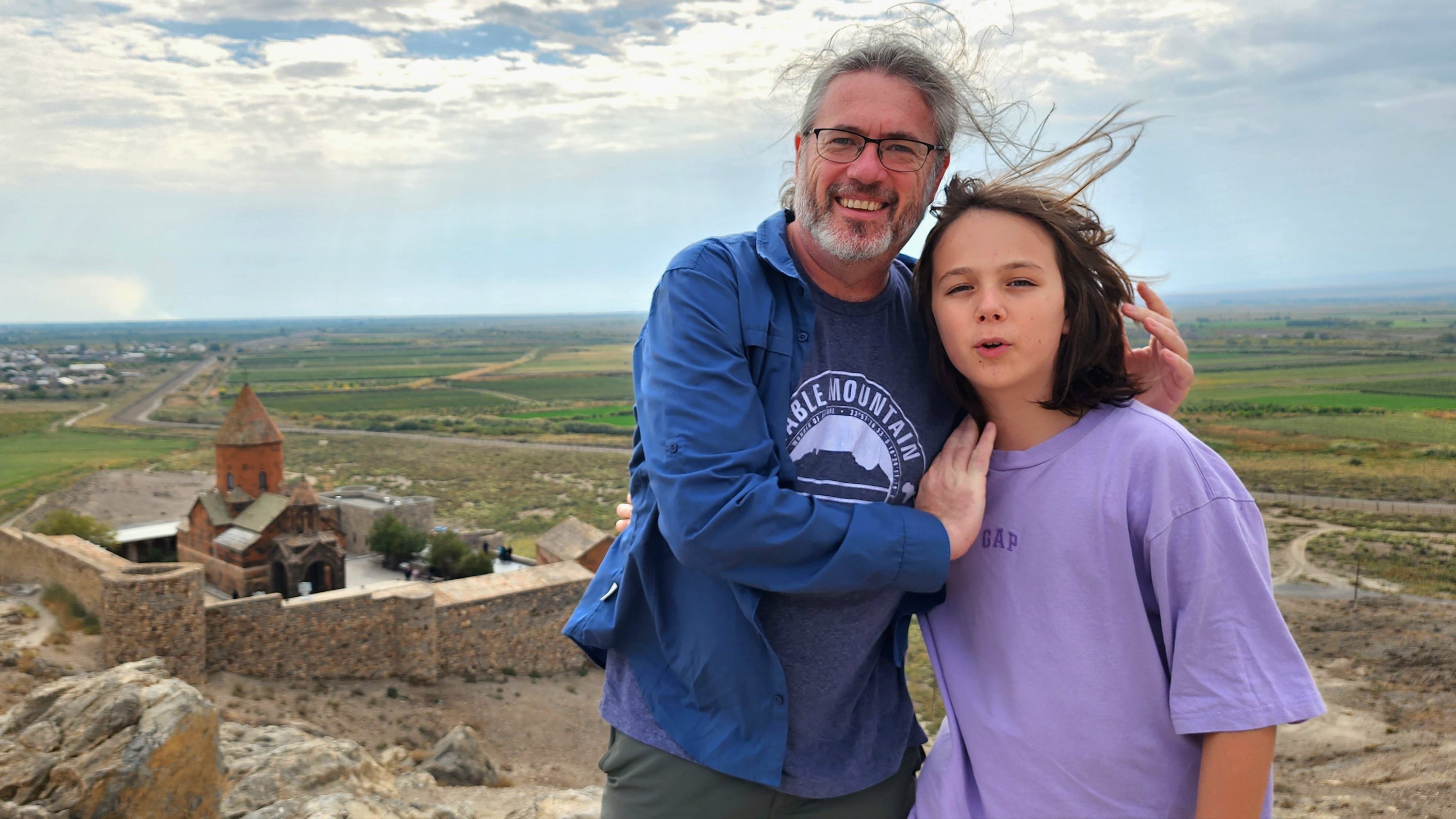
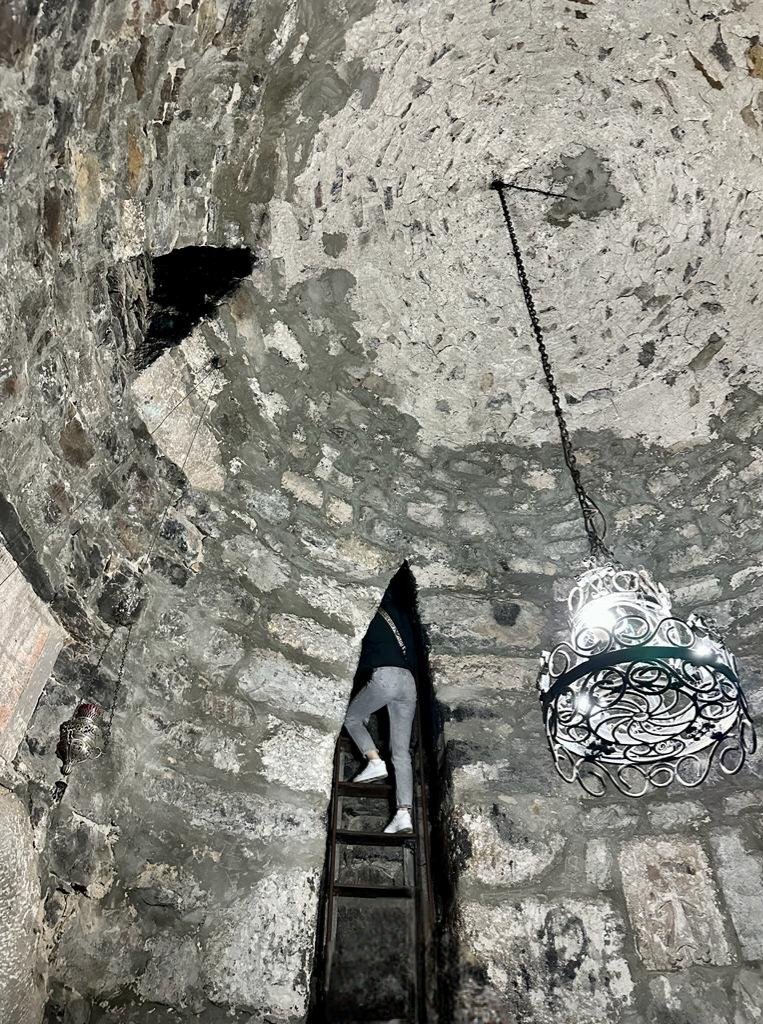
We headed first towards the Turkish border to the Khor Virap monastery, scenically situated in front of Mt. Ararat, which unfortunately was obscured by clouds on the morning of our visit. The monastery was built in 642 BCE and is the site where Gregory the Illuminator was imprisoned for 13 years in a deep dungeon (Khor Virap means “deep pit”) for preaching Christianity. His survival was deemed a miracle and influenced his imprisoner, King Tiridates, to convert, leading Armenia to become the first country in history to adopt Christianity. The kids and Simon climbed down a long ladder to the infamous pit.
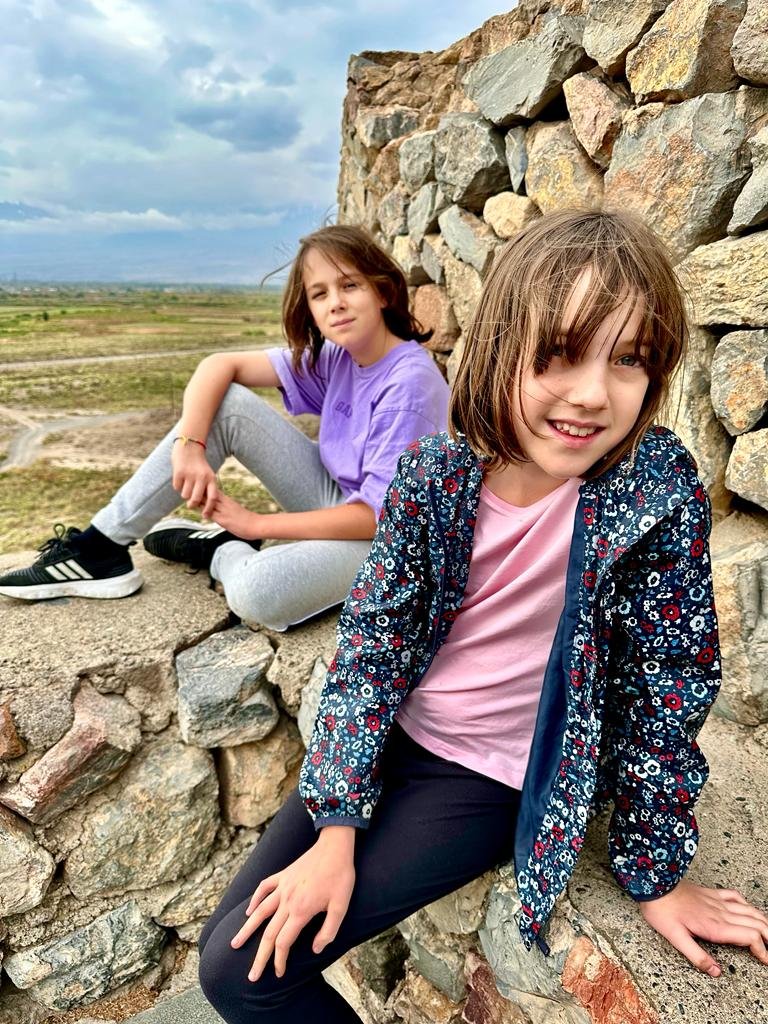
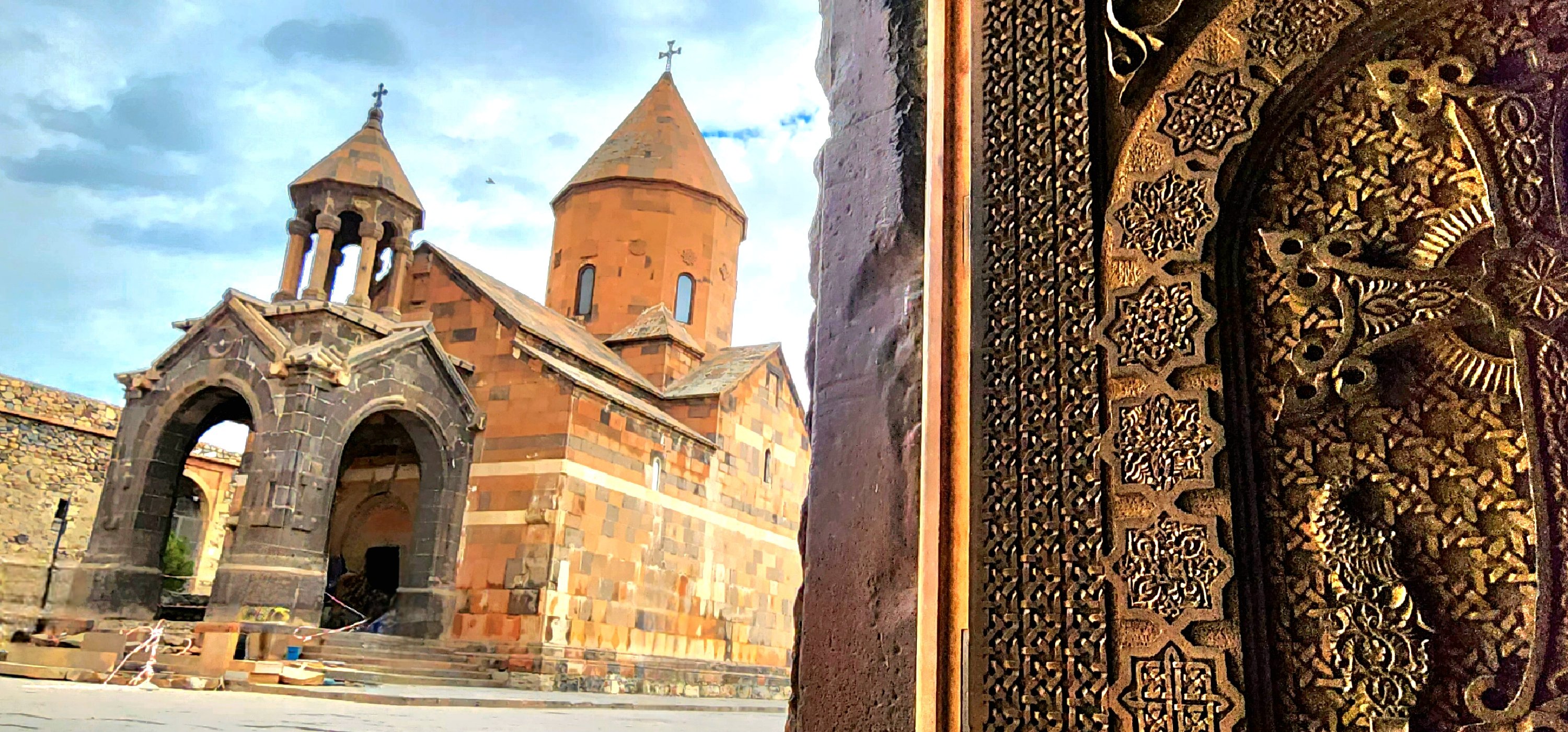
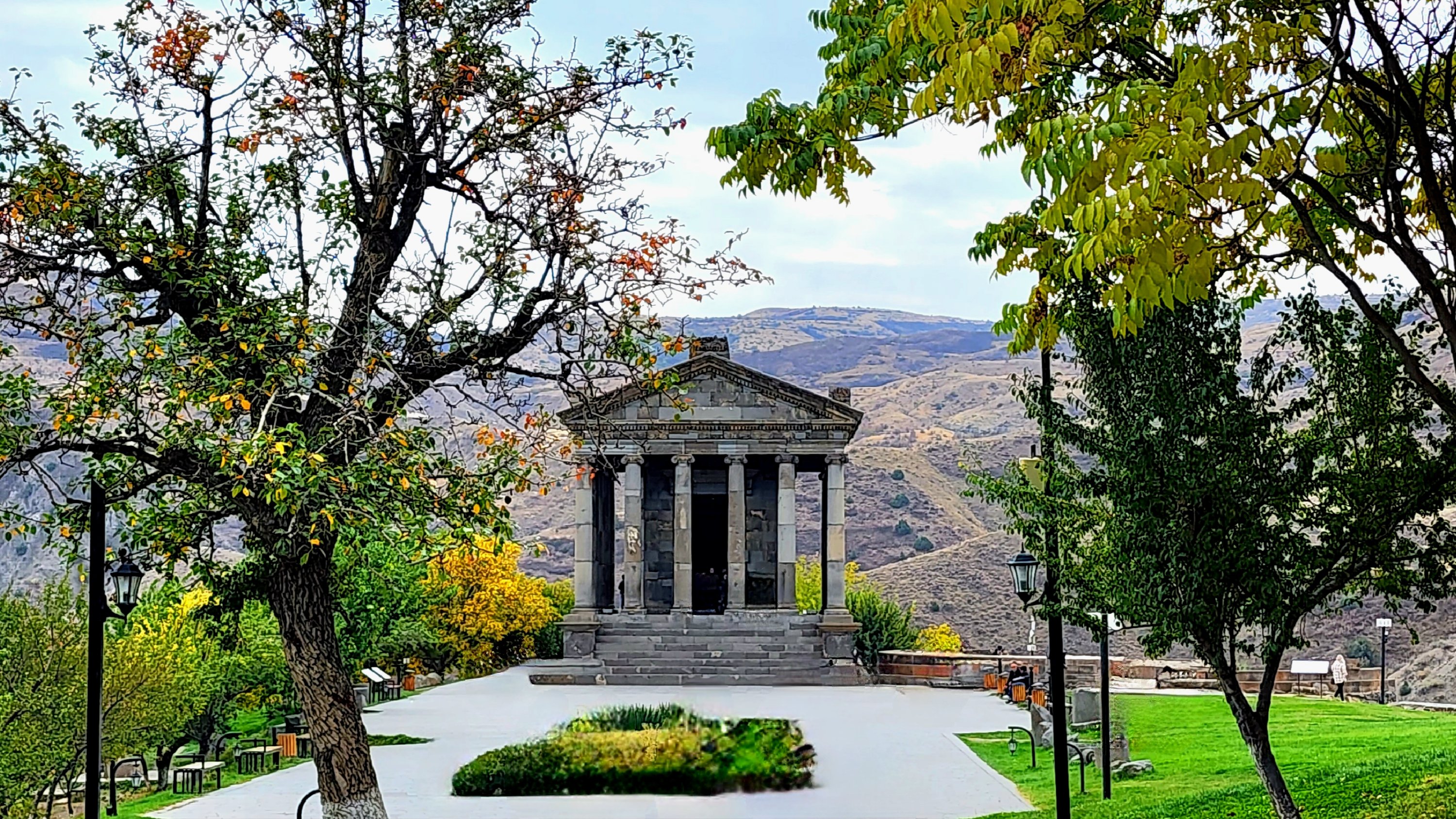
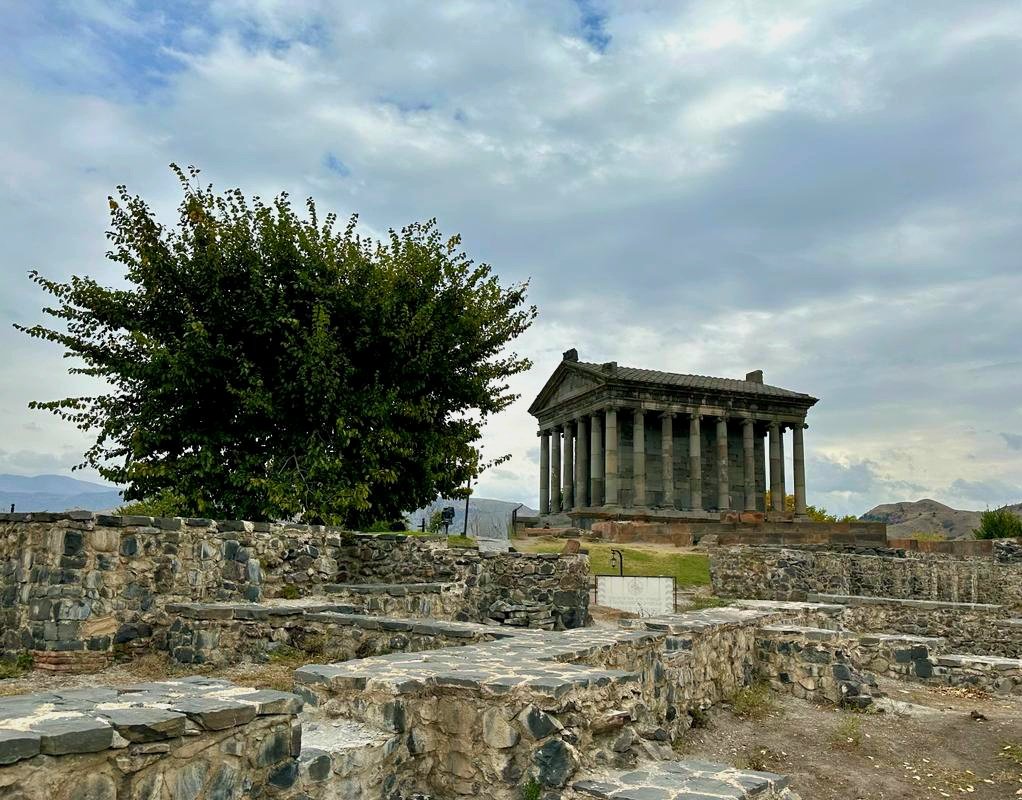
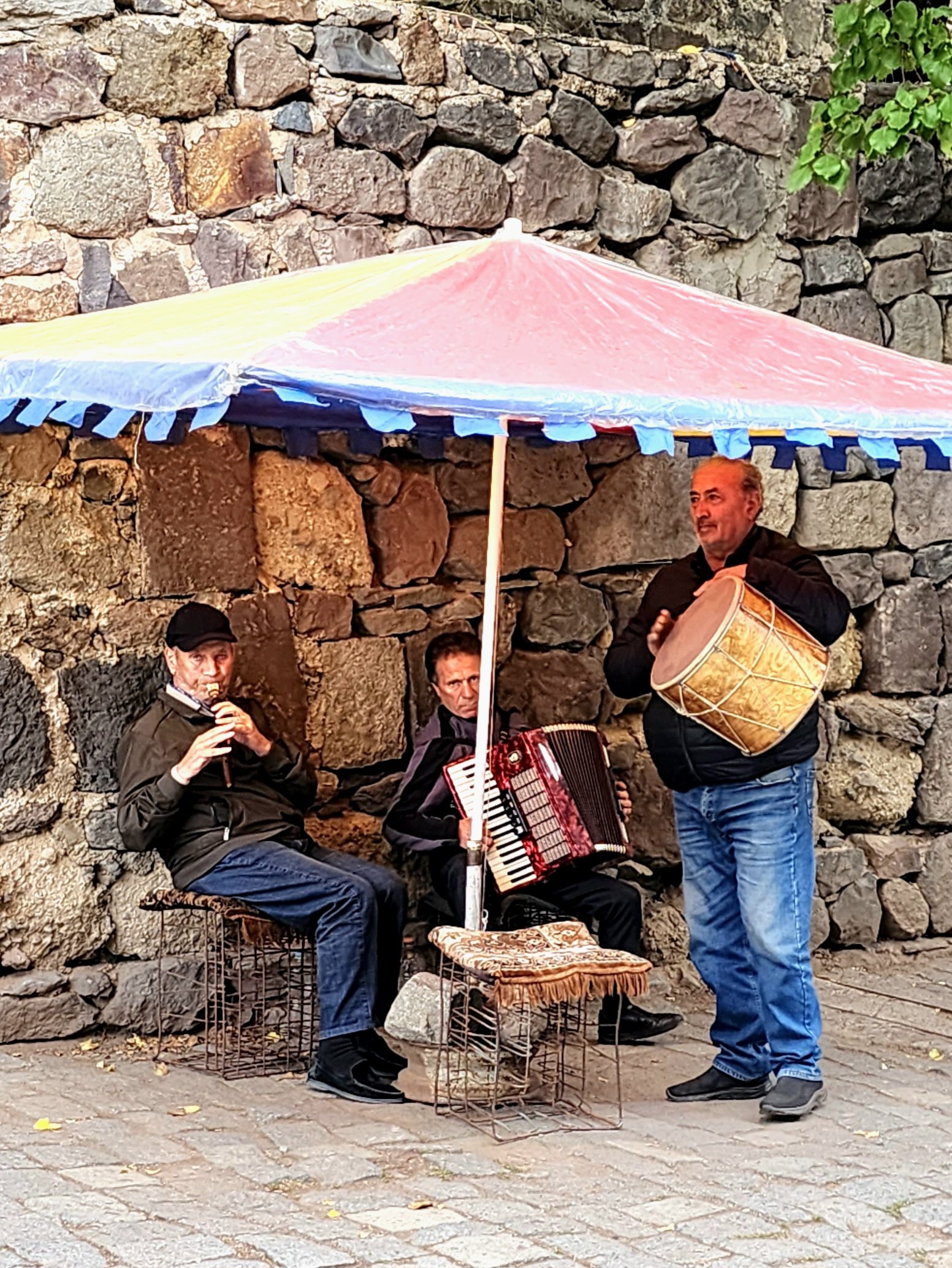
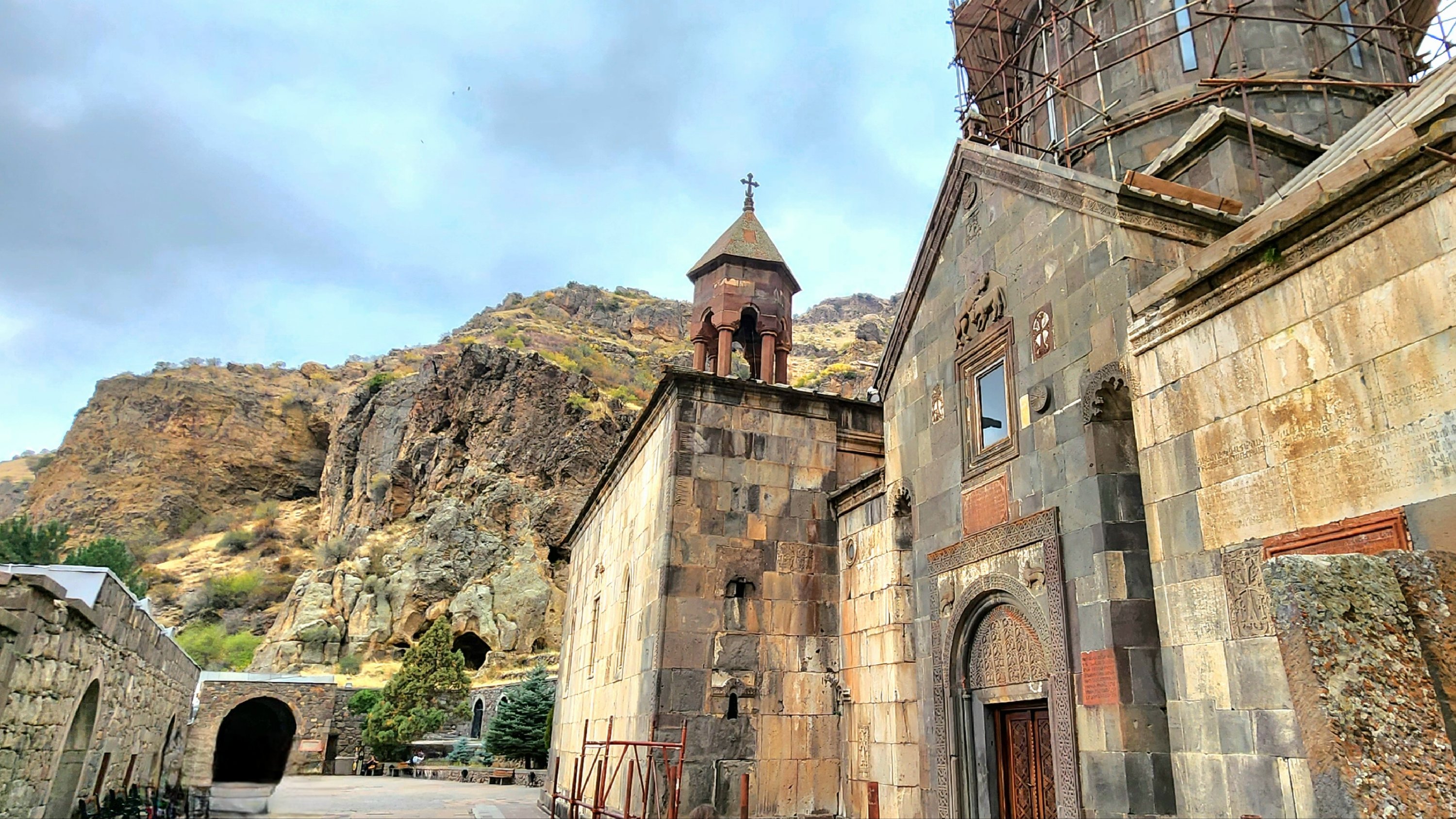
Our next stop was in the town of Garni, where we visited two UNESCO World Heritage sites – the Garni temple, built in the 1st century AD to honor the Sun God Mihr, and the 4th-century Geghard Monastery, beautifully nestled into the rocks. In the parking lot of the monastery, we enjoyed a performance by a local band and bought a hefty and delicious Gata, an Armenian sweet bread, from a friendly grandma vendor.
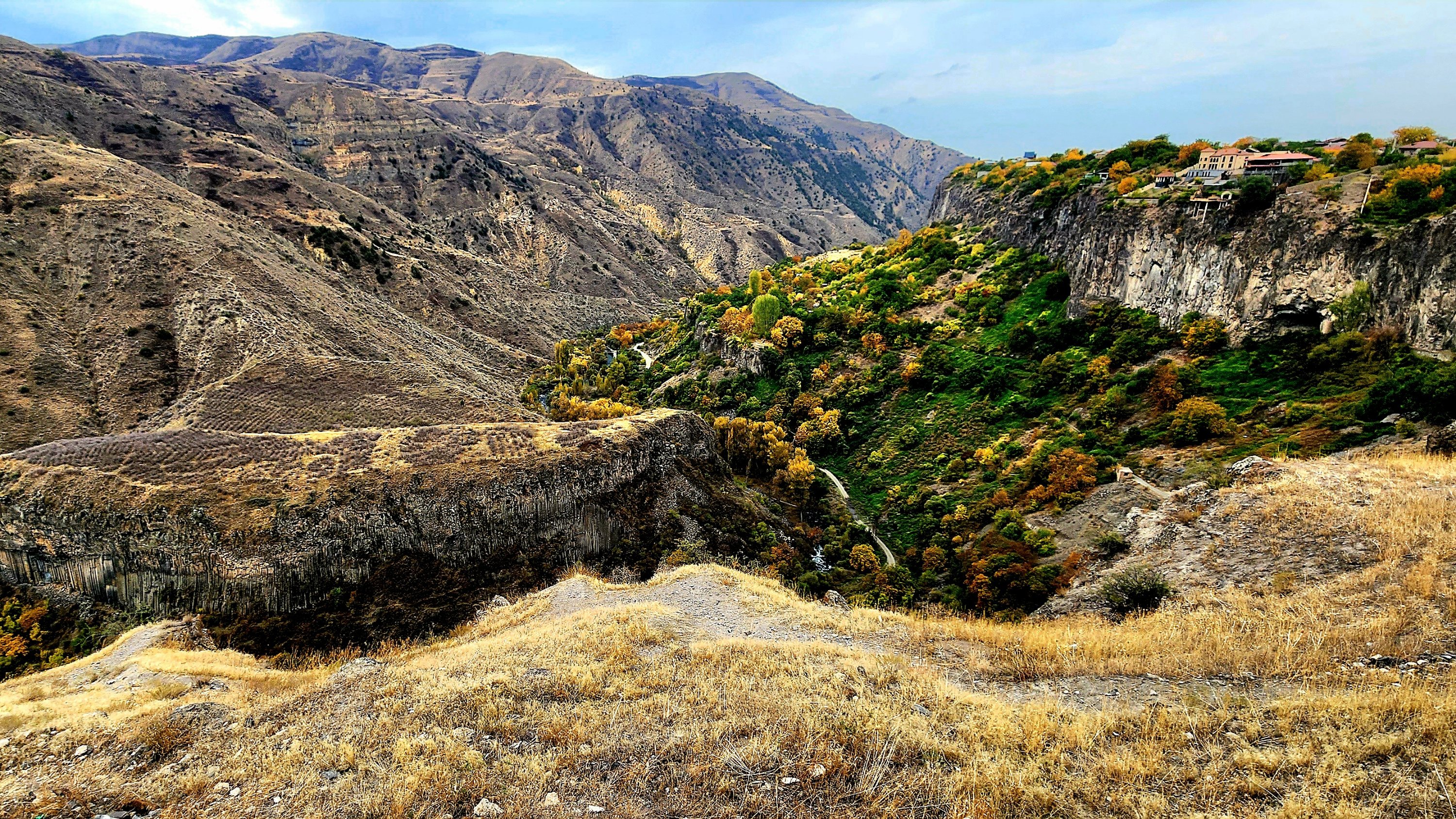
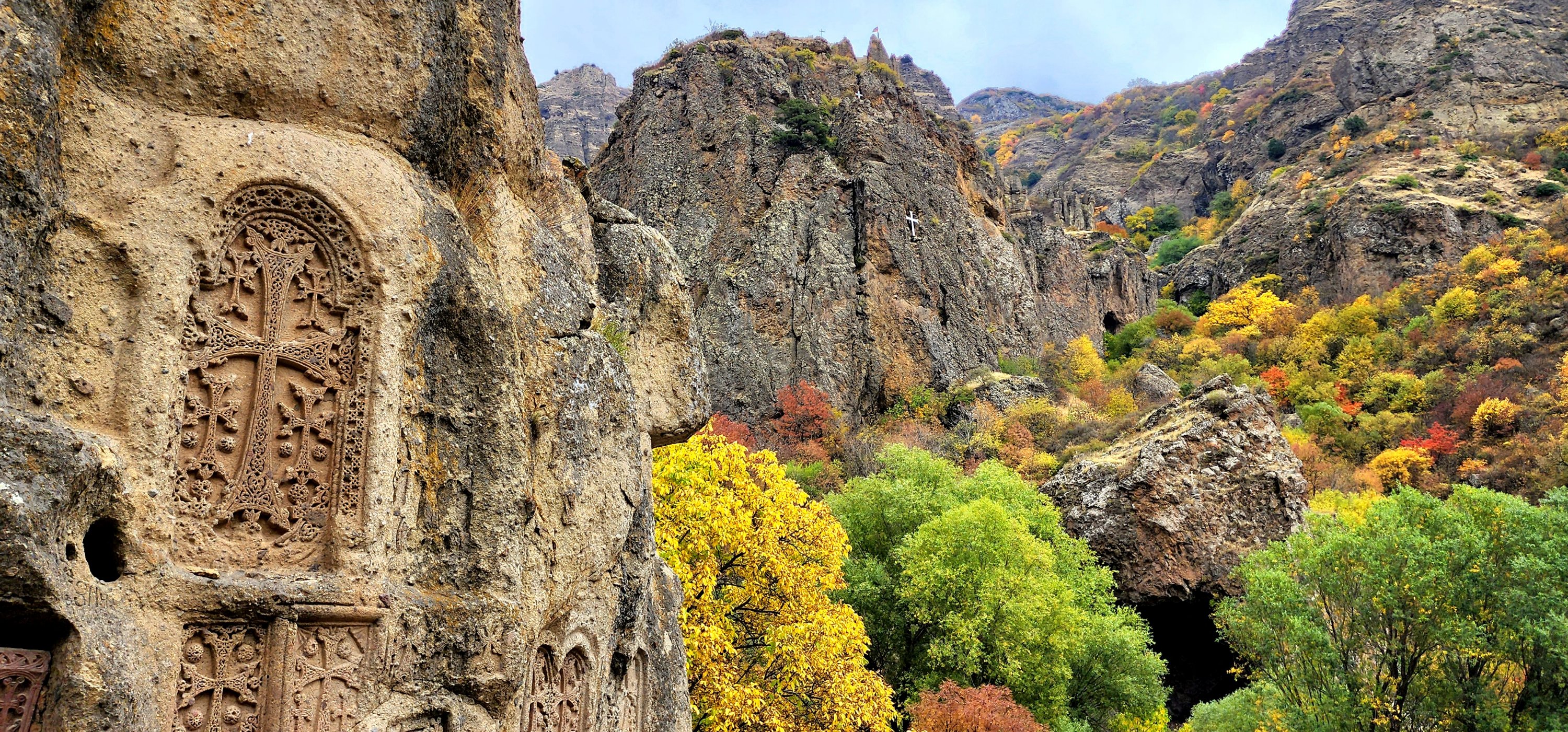
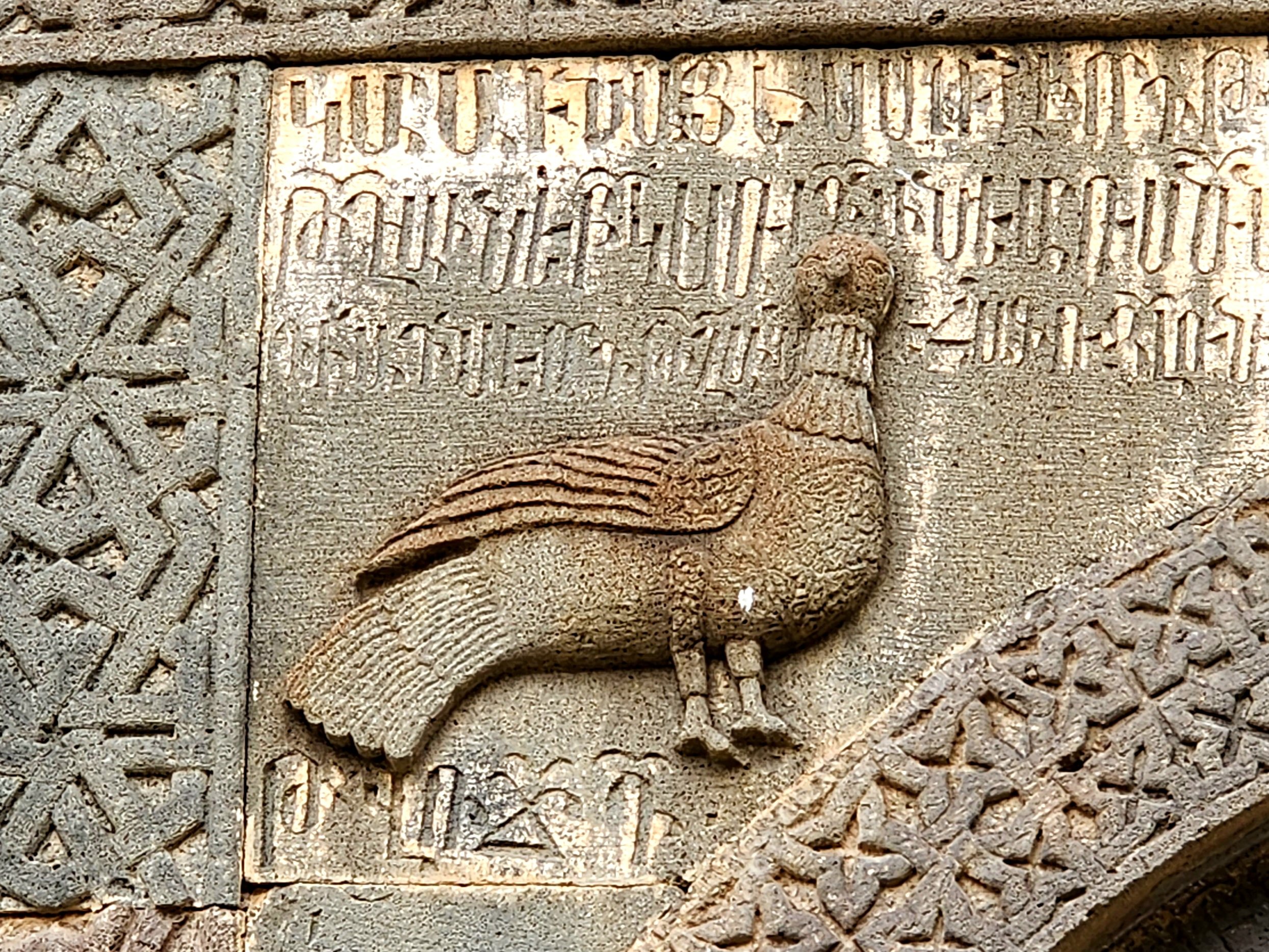
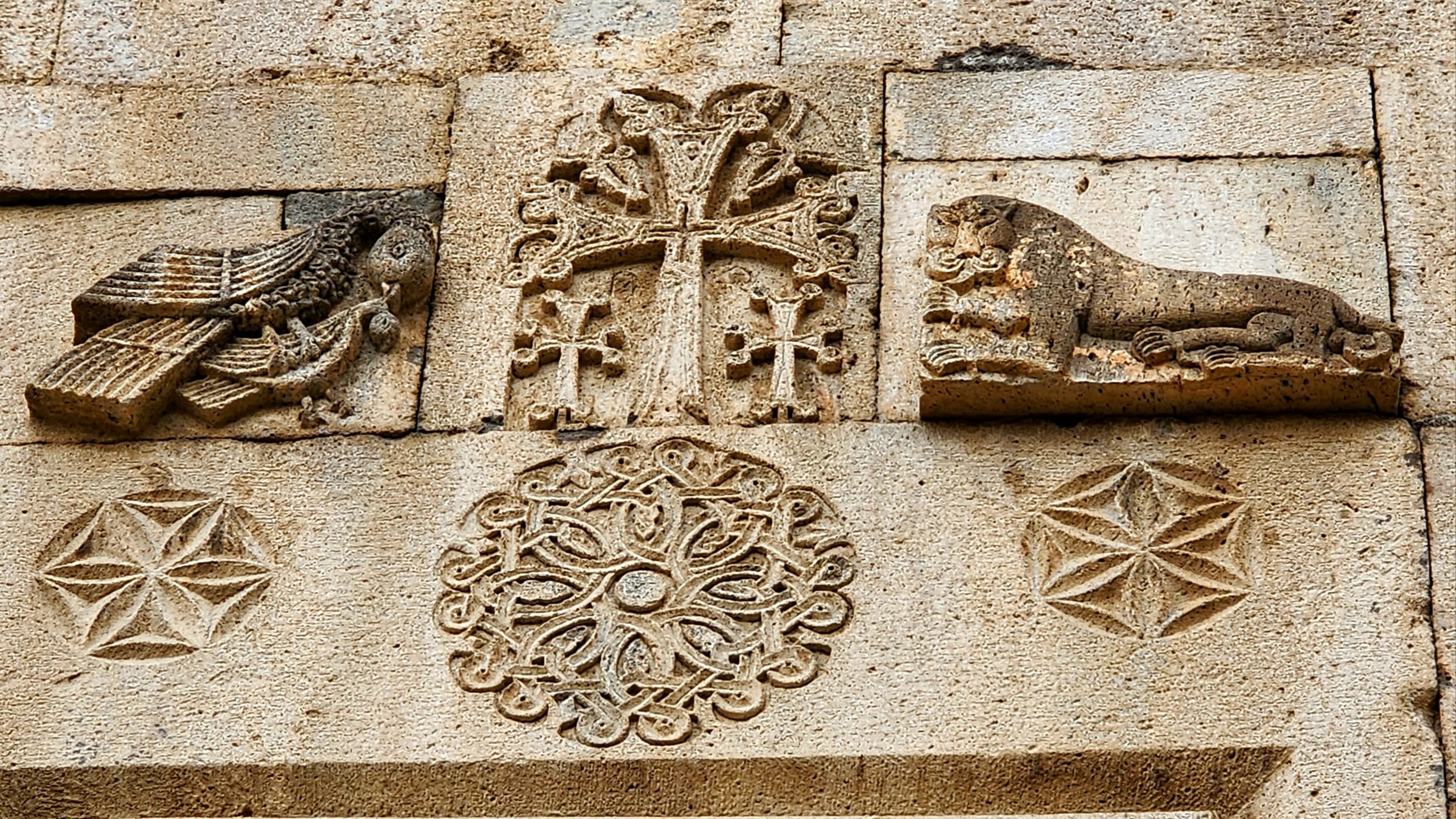
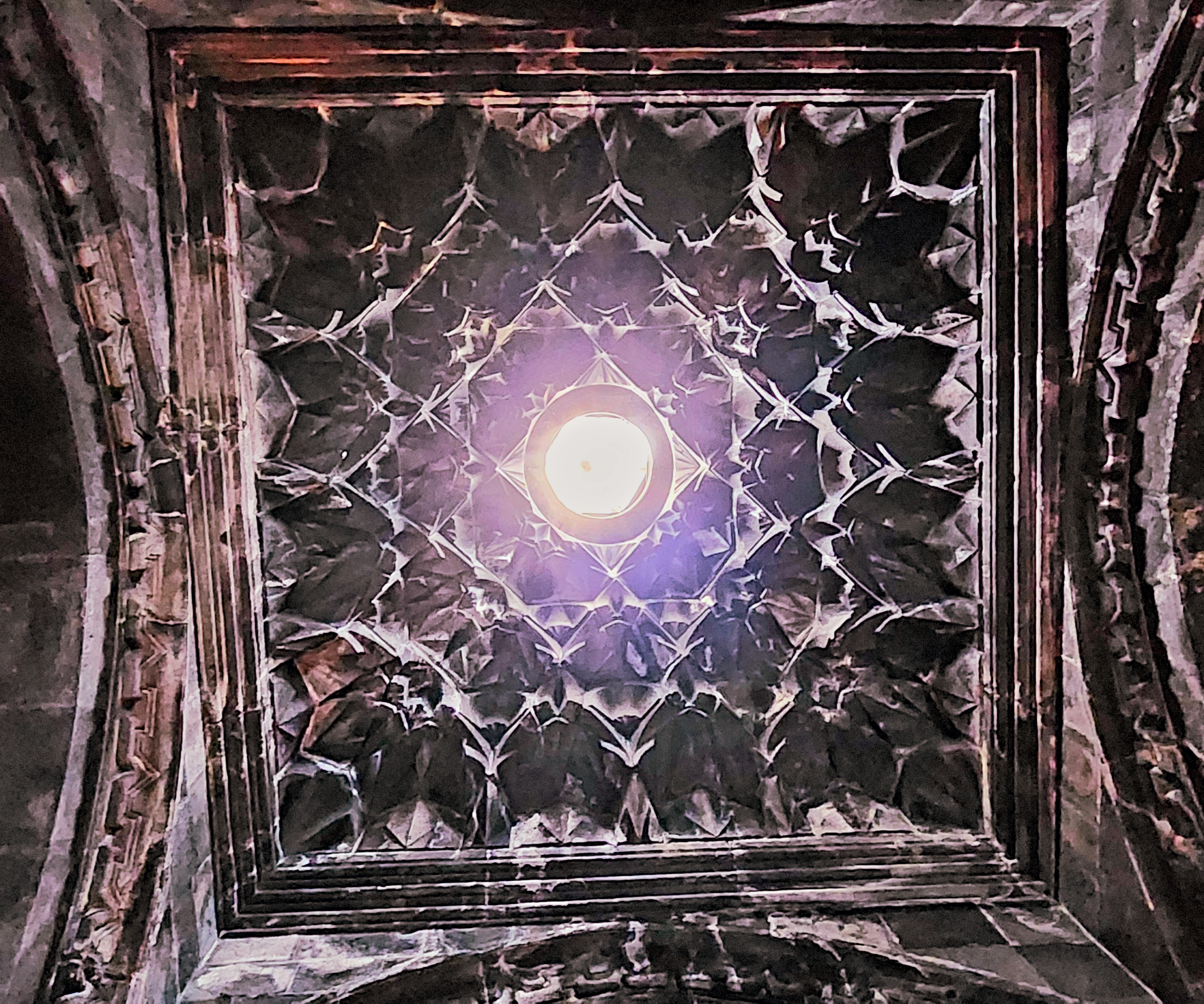
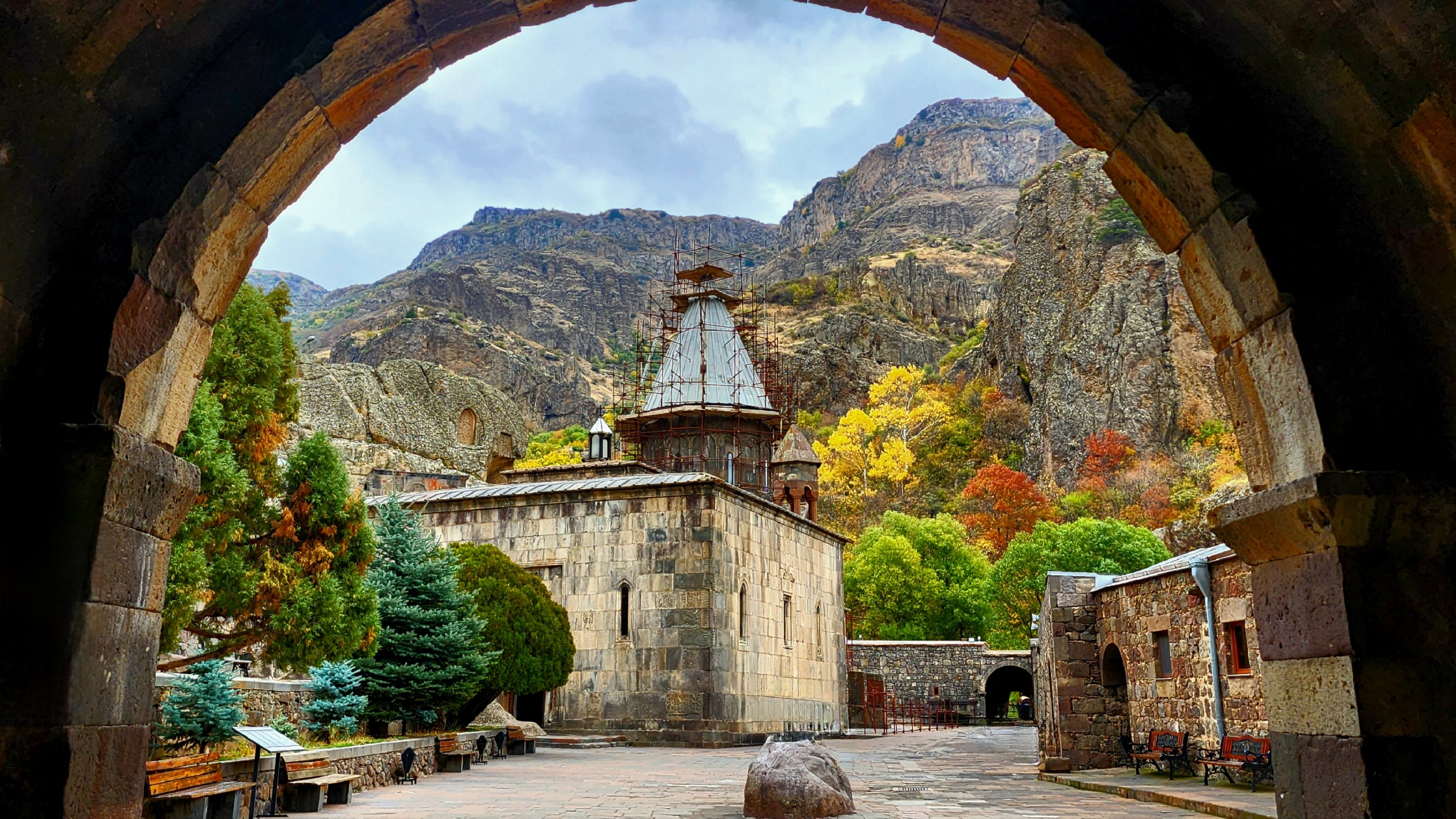
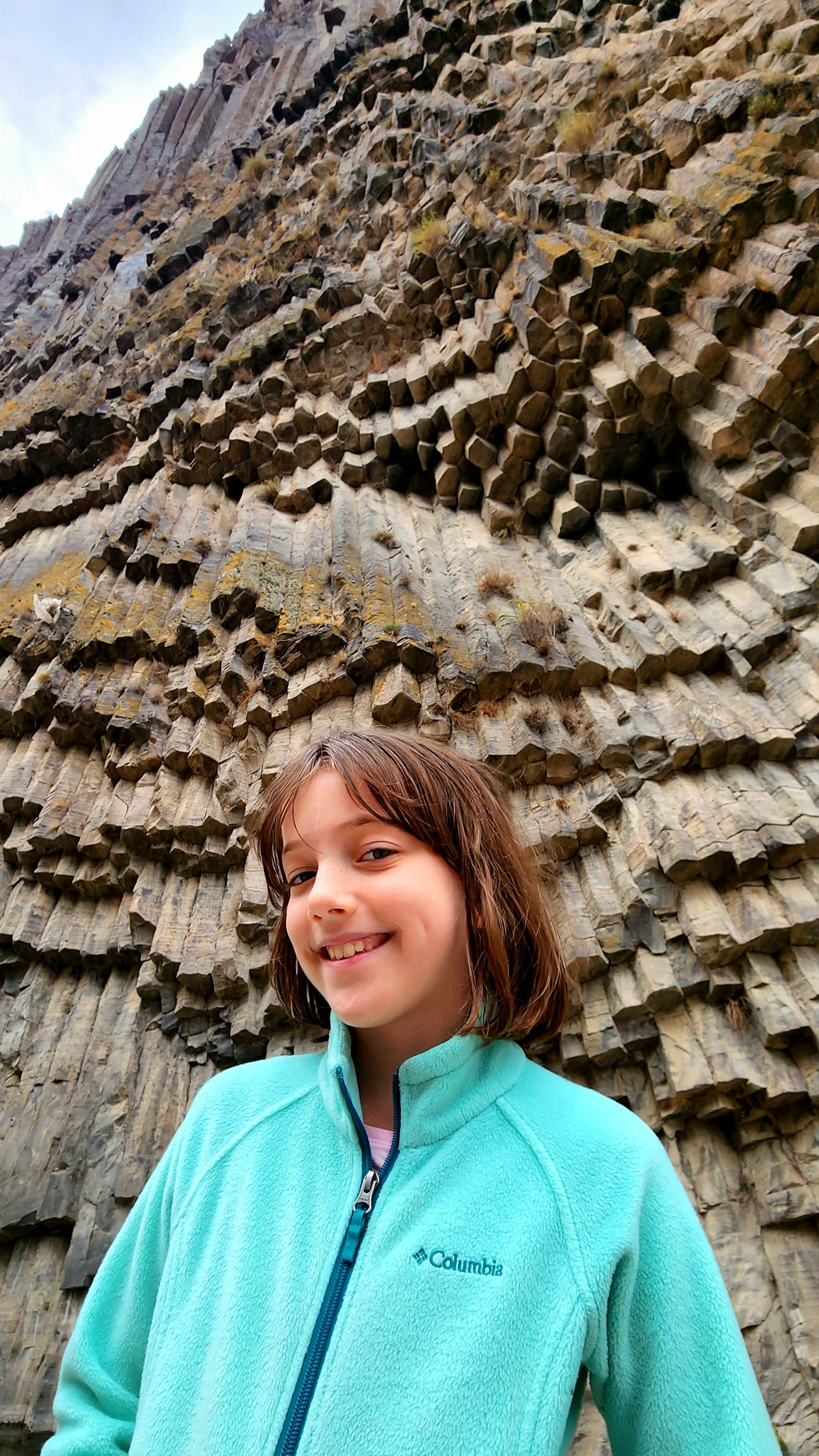
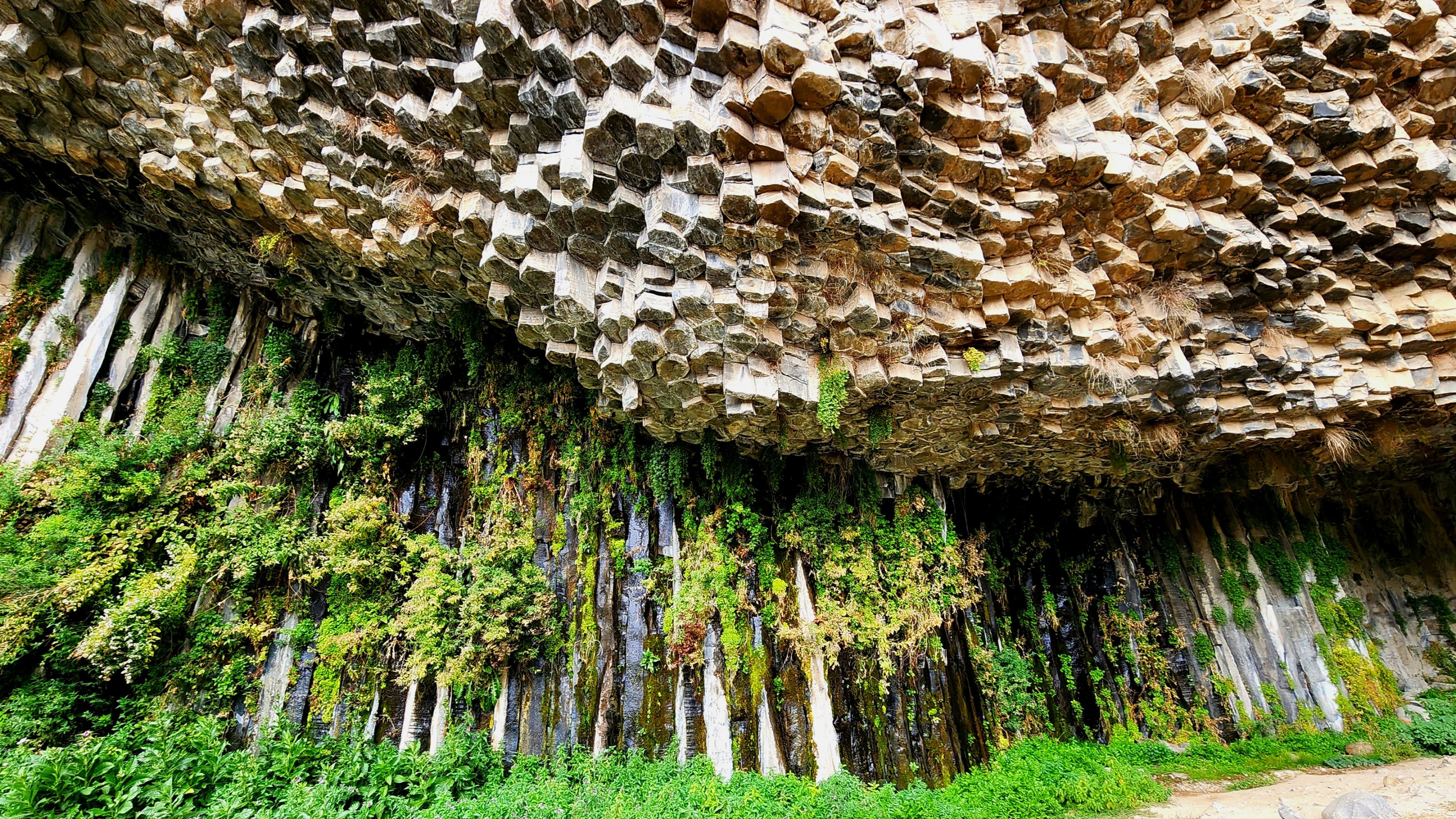
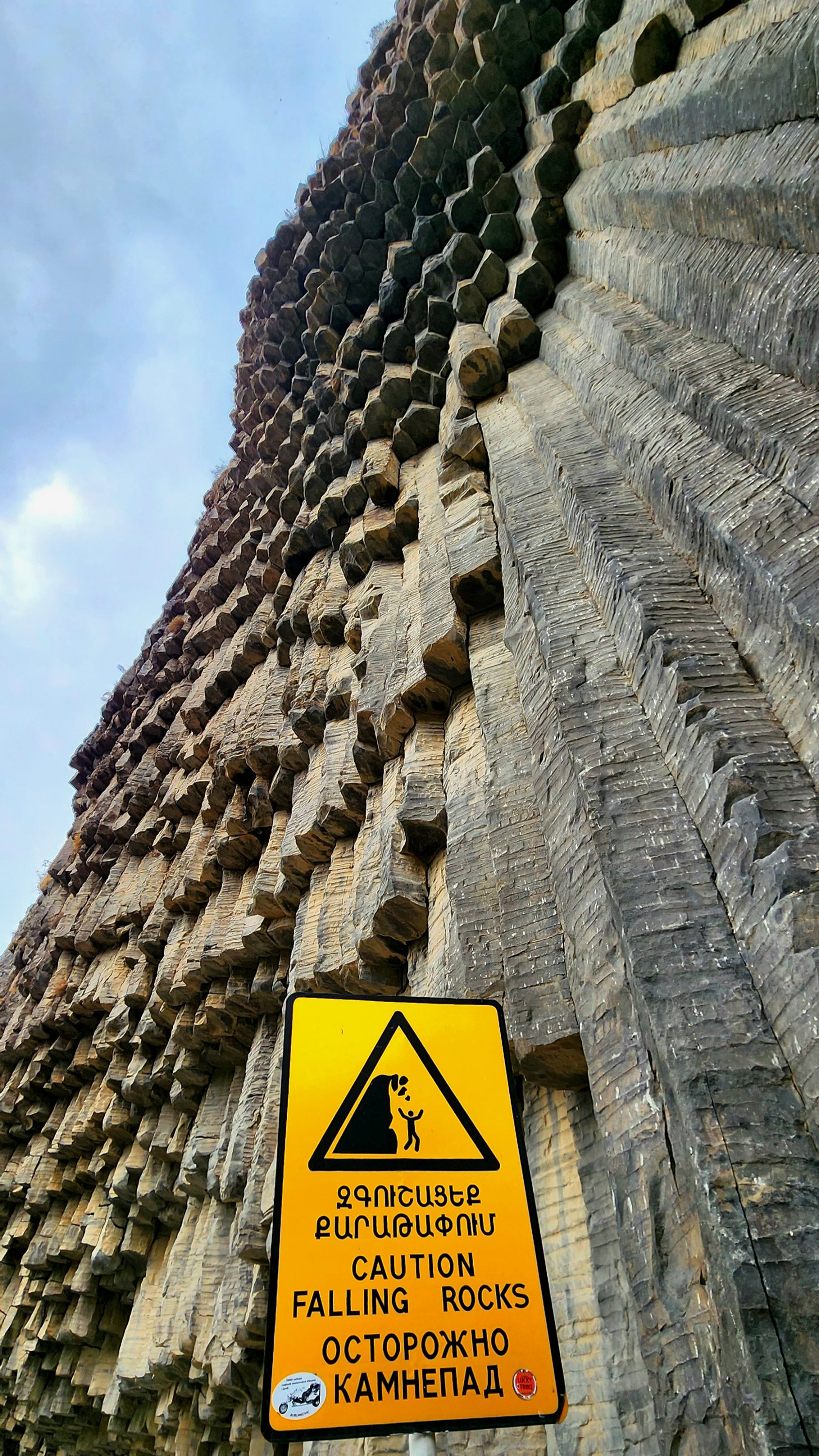
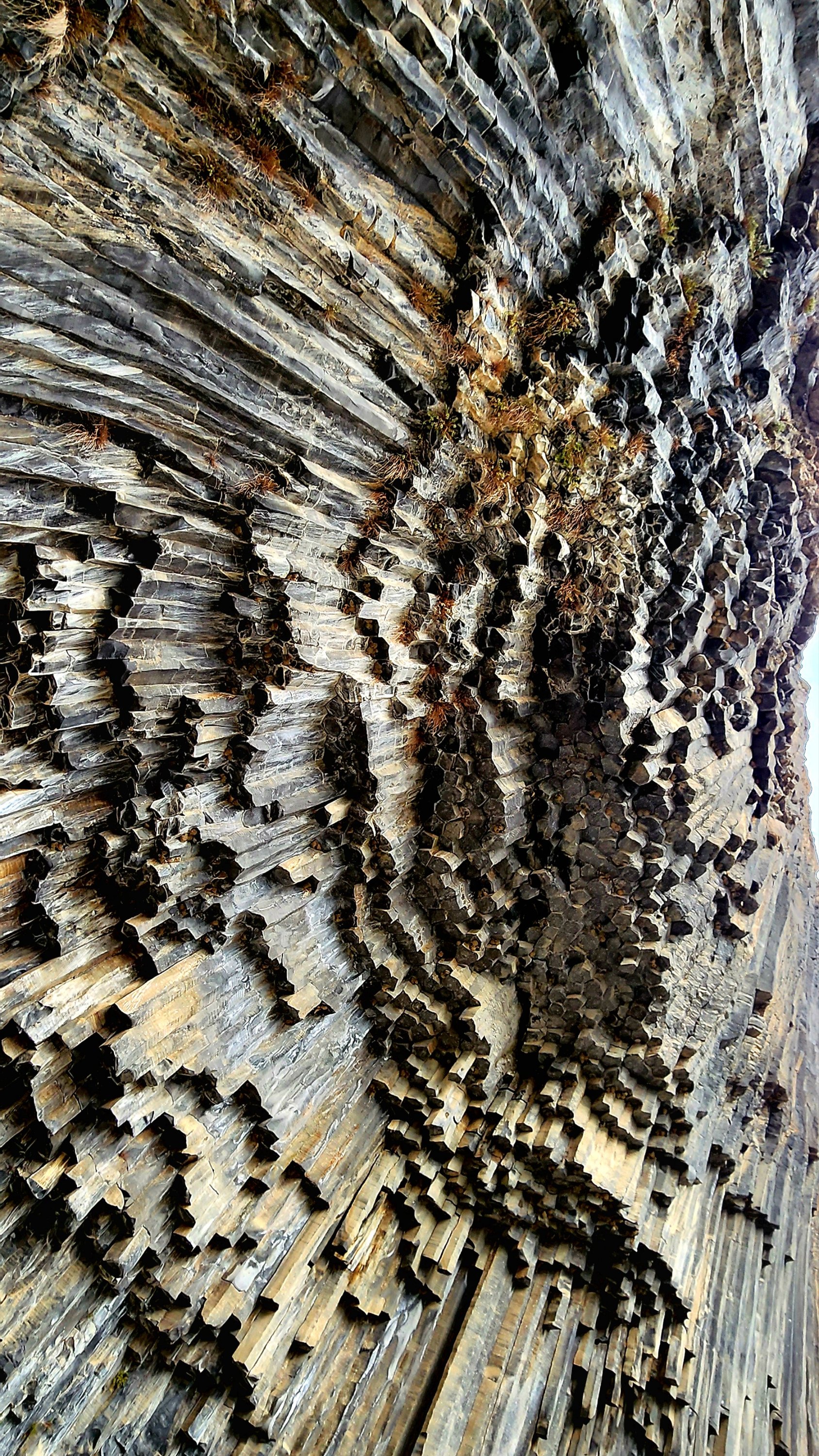
We also enjoyed a short hike along the Azat River in the Garni Gorge, marveling at the hexagonal and pentagonal basalt columns that loomed over the trail. This interesting natural monument was formed 40 million years ago when volcanic lava quickly cooled and crystallized. lt is known as the Basalt Organ or the Symphony of Stones.
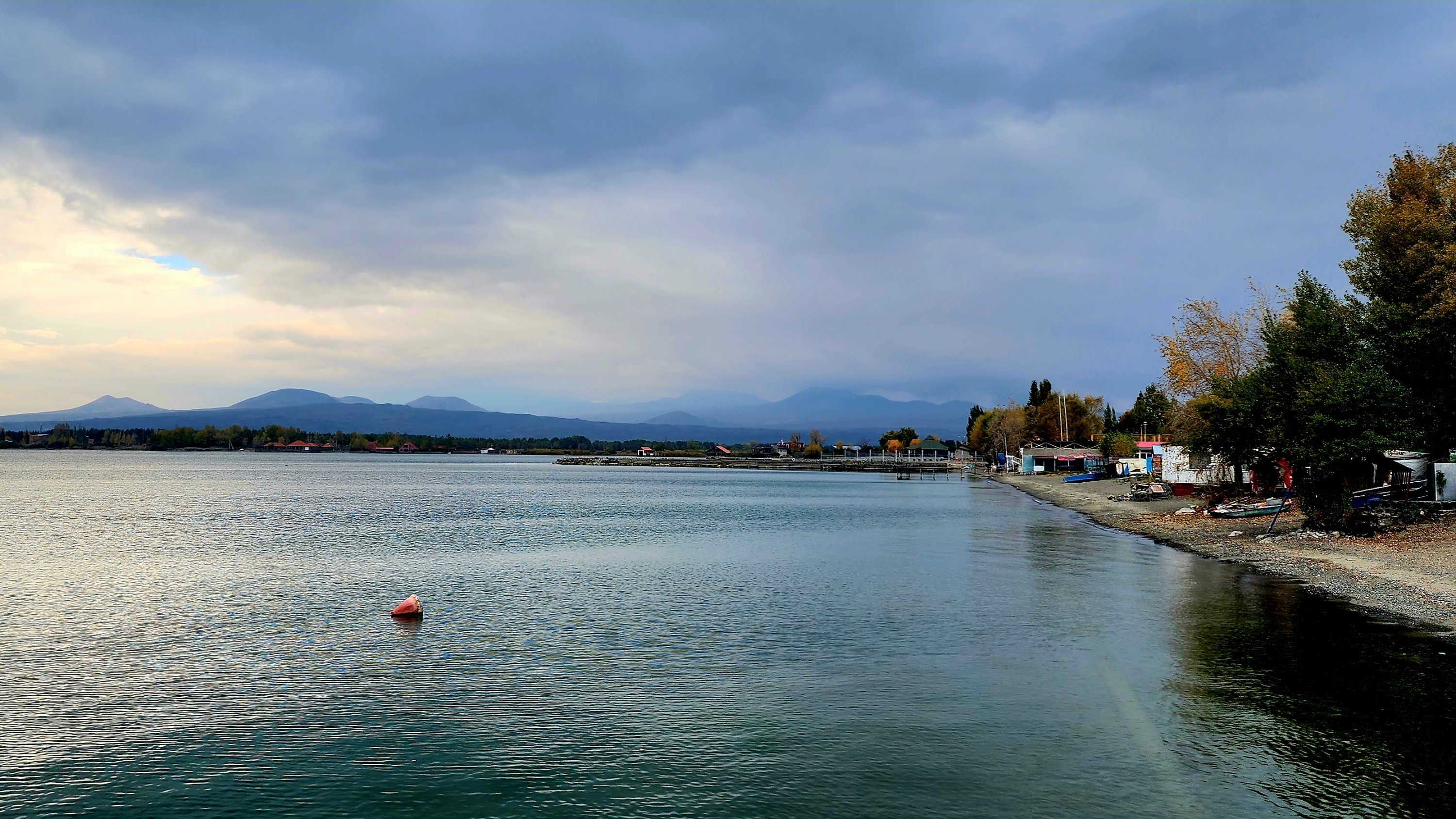
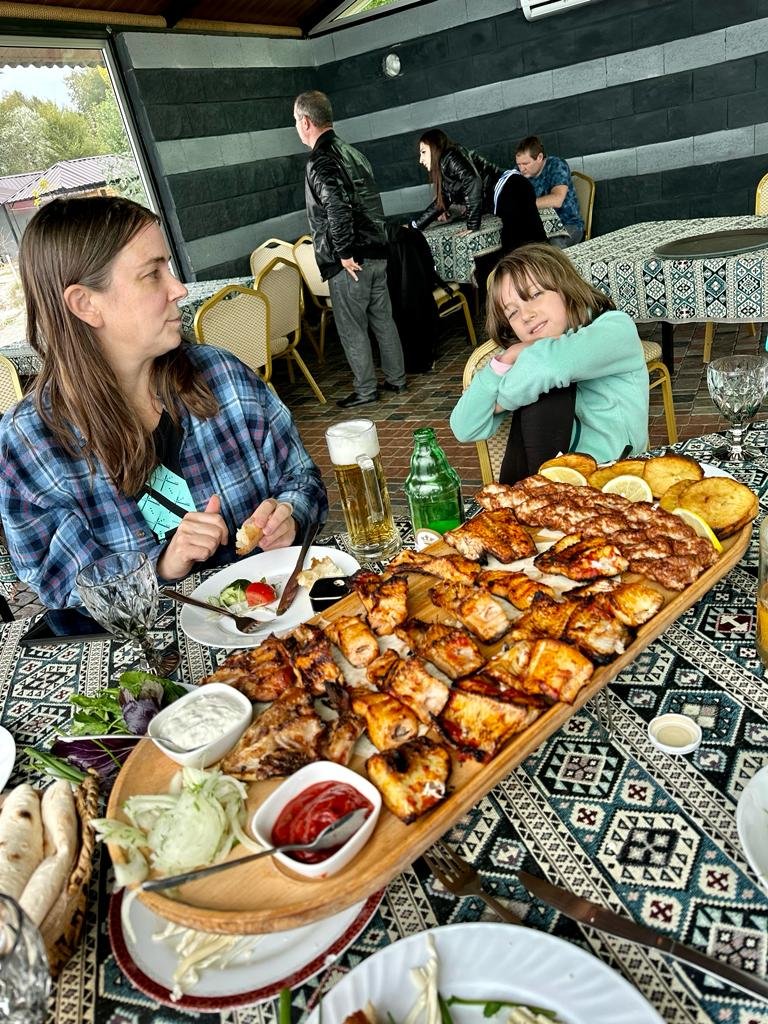
We ended our day with dinner at a lakeside restaurant at Lake Sevan before heading to our apartment in the town of Dilijan.
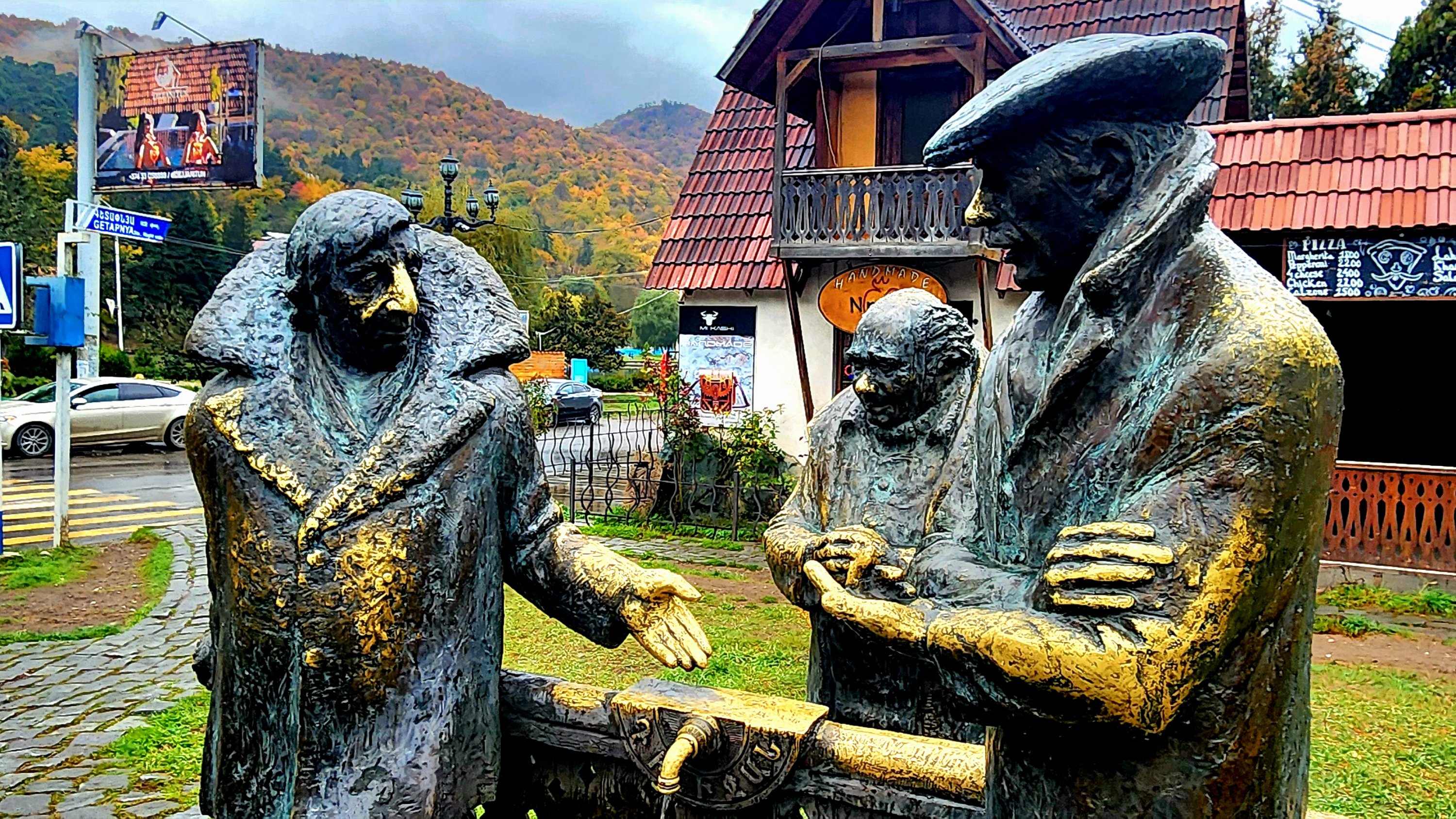
The town of Dilijan, surrounded by the forest and peaks of Dilijan National Park, is sometimes referred to as Armenian Switzerland. We were drawn by the promise of beautiful fall foliage, and it didn’t disappoint. The afternoon forecast for our day in Dilijan was rainy, so we got an early start for a hike. The hike led up through the forest to an abandoned 13th-century monastery, Matosavank. It was drizzling rain when we reached the fog-shrouded monastery.
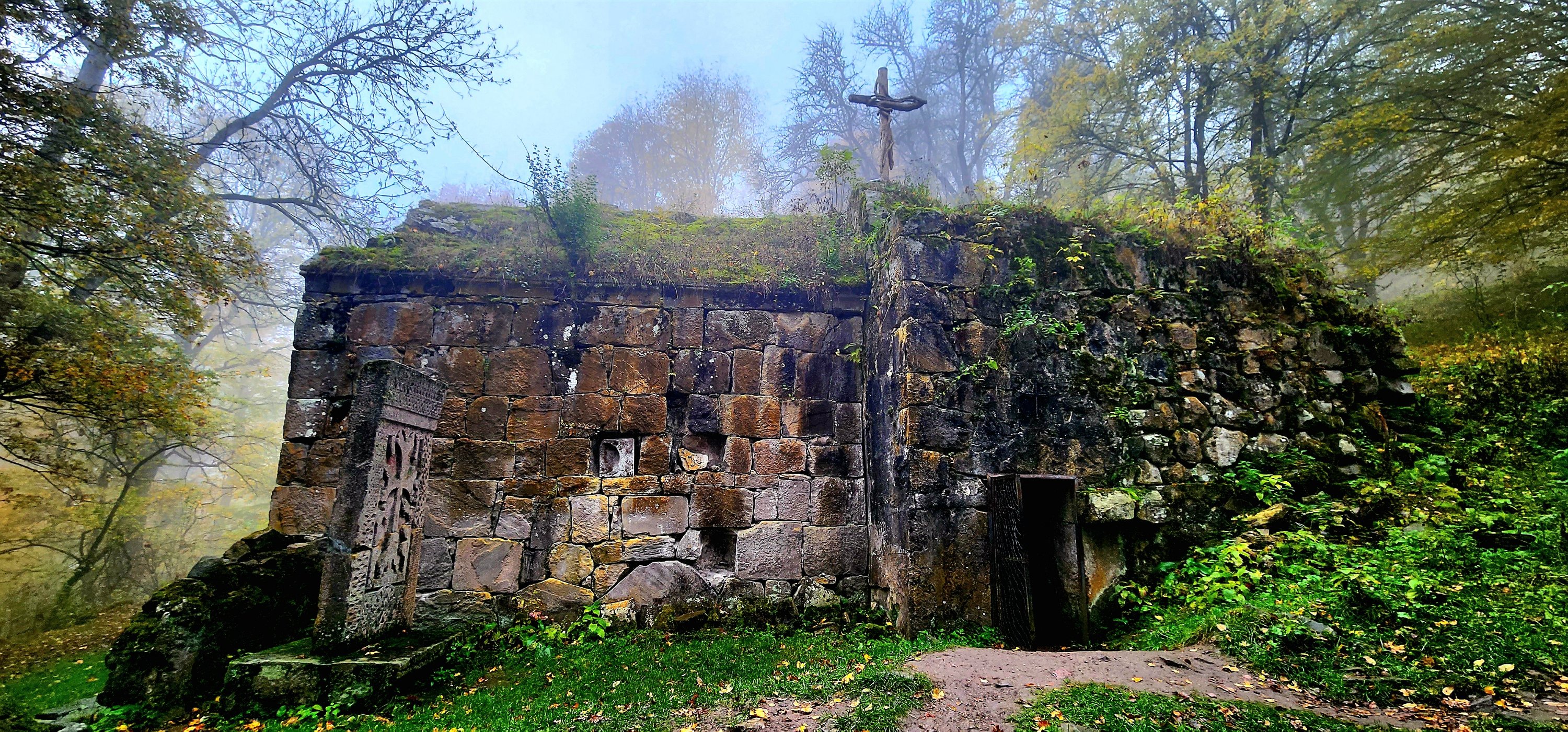
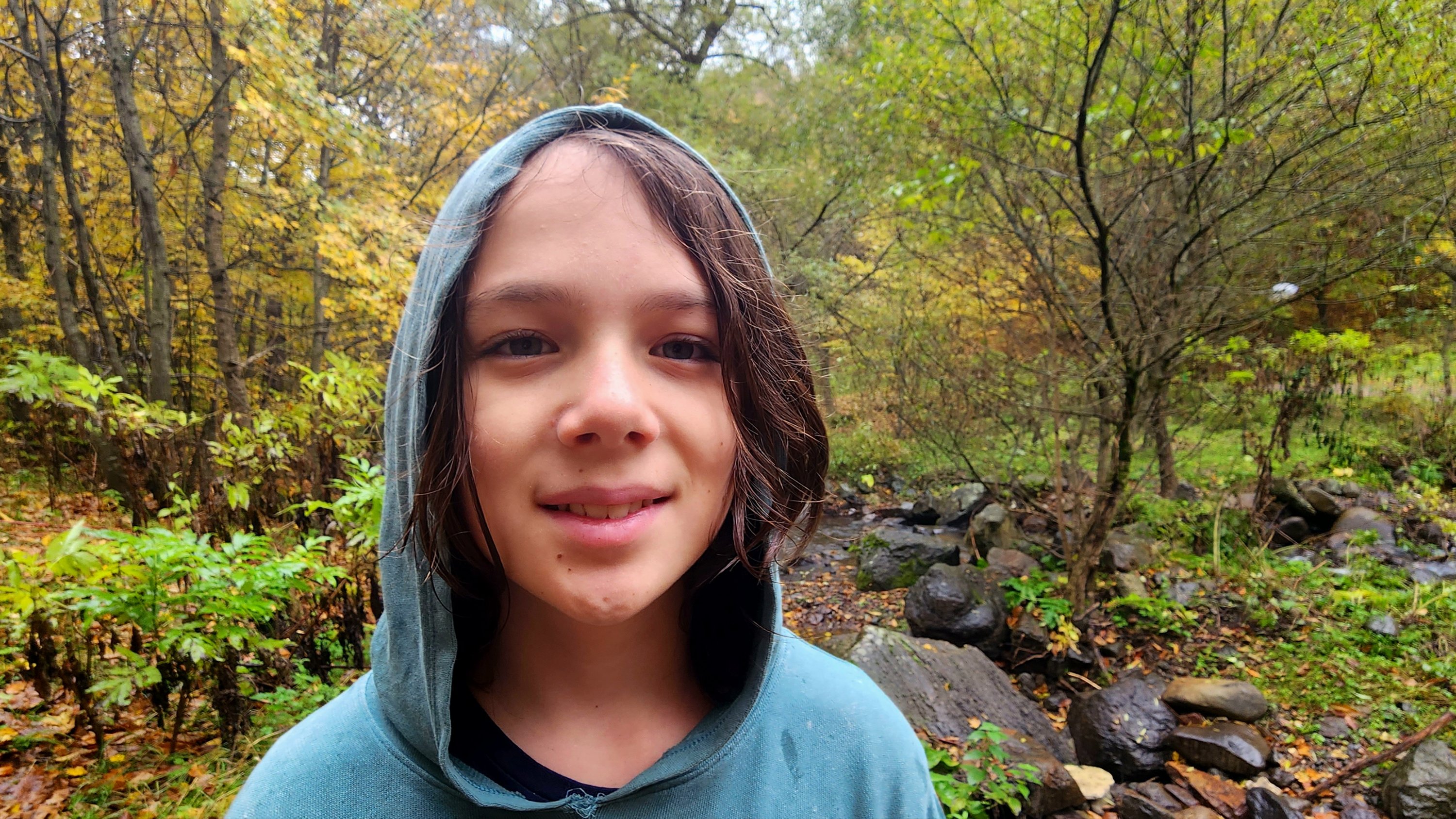
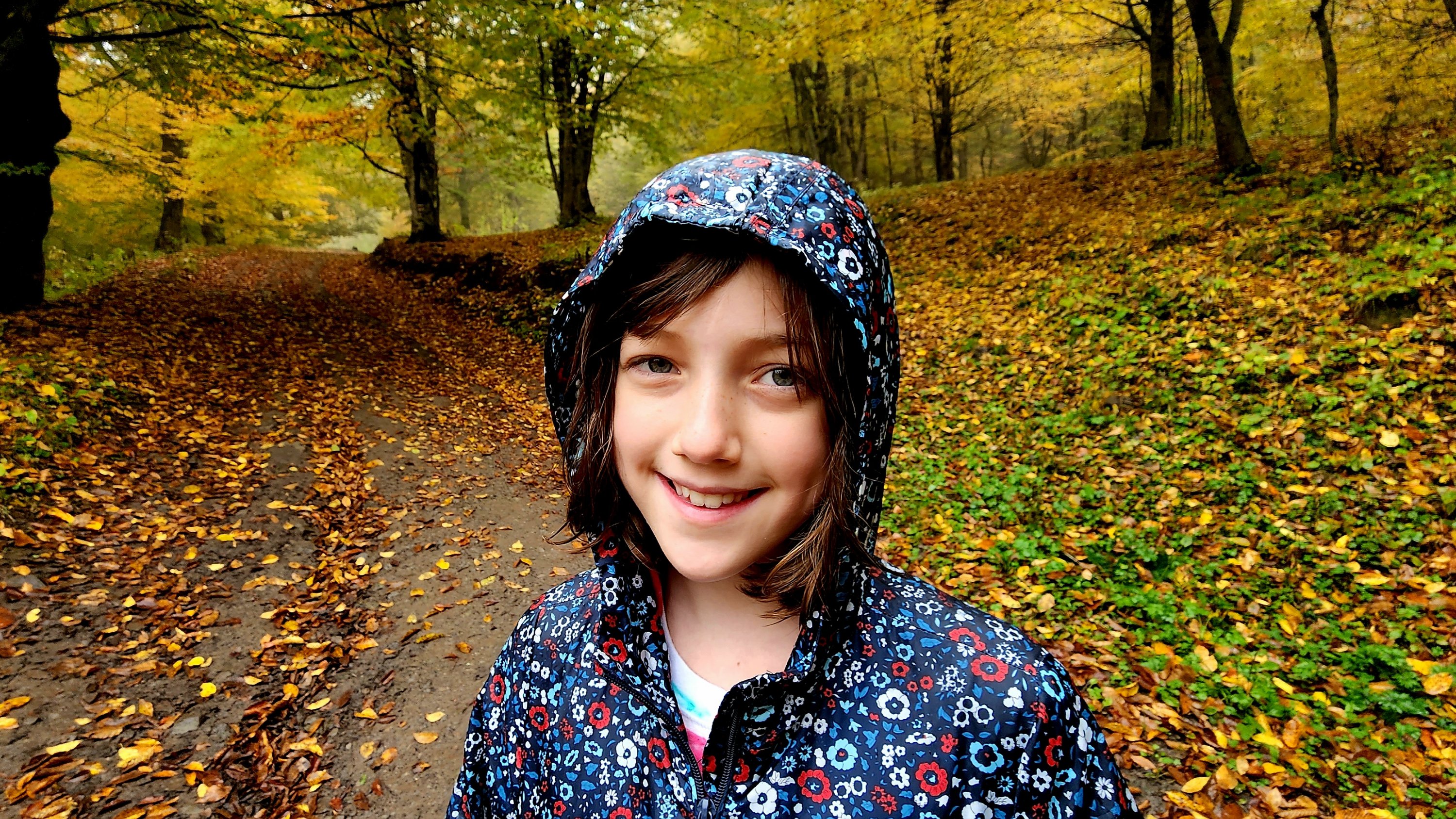
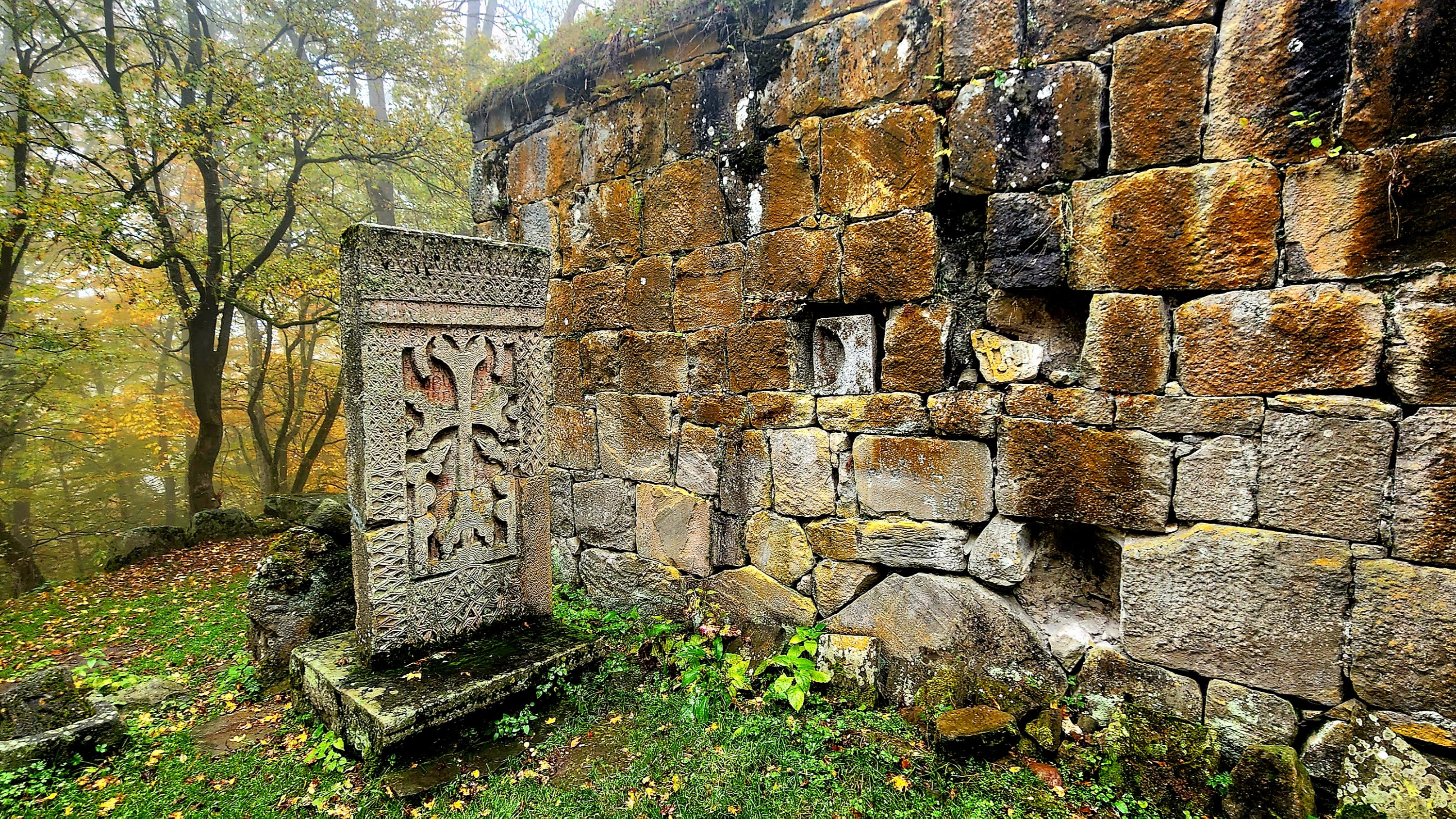
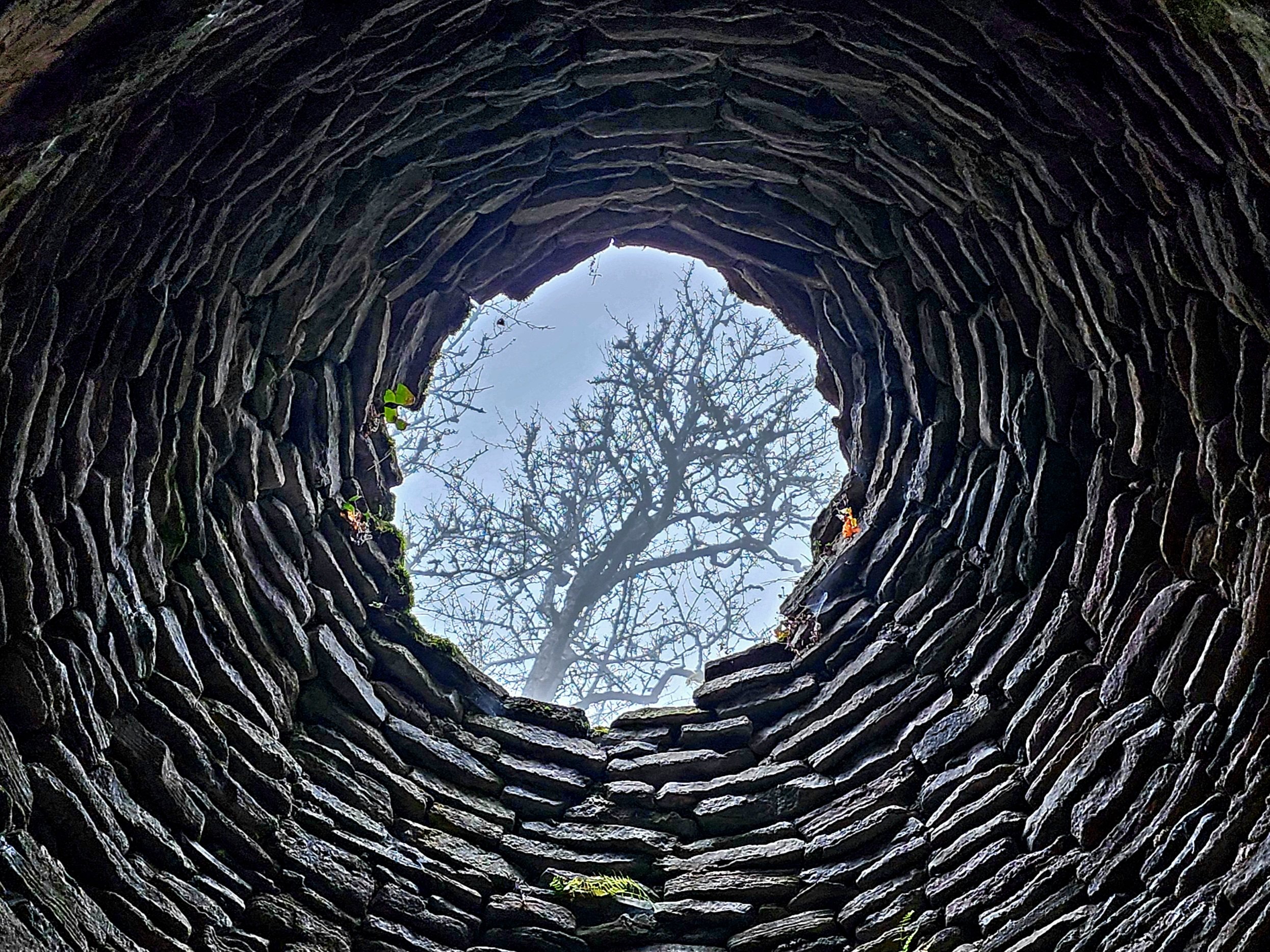
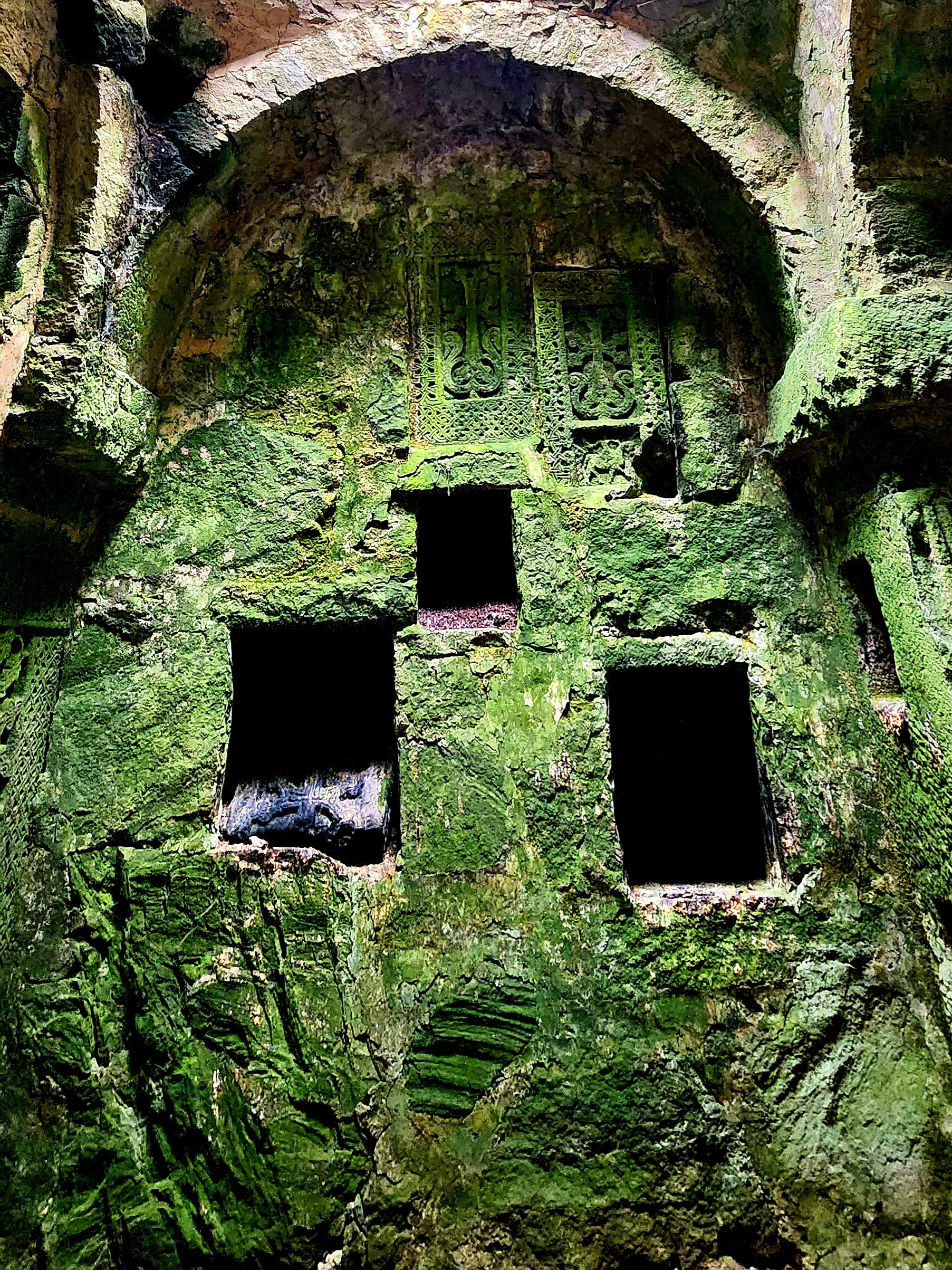
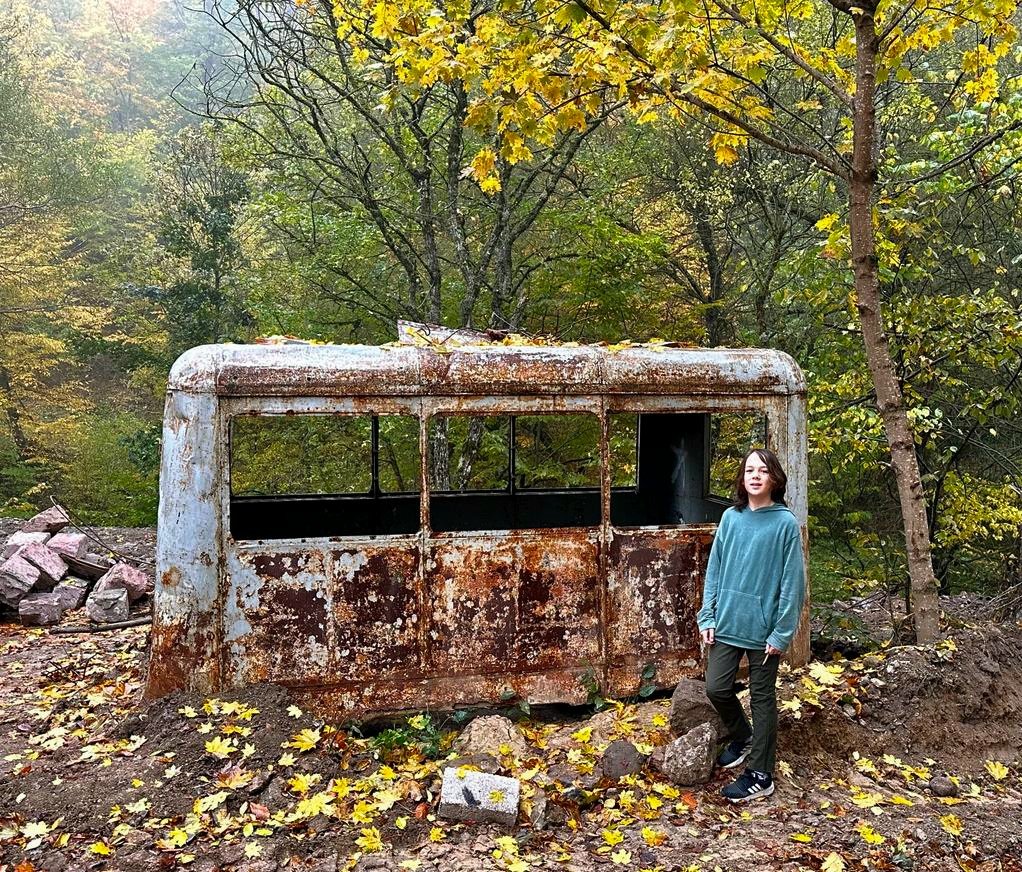
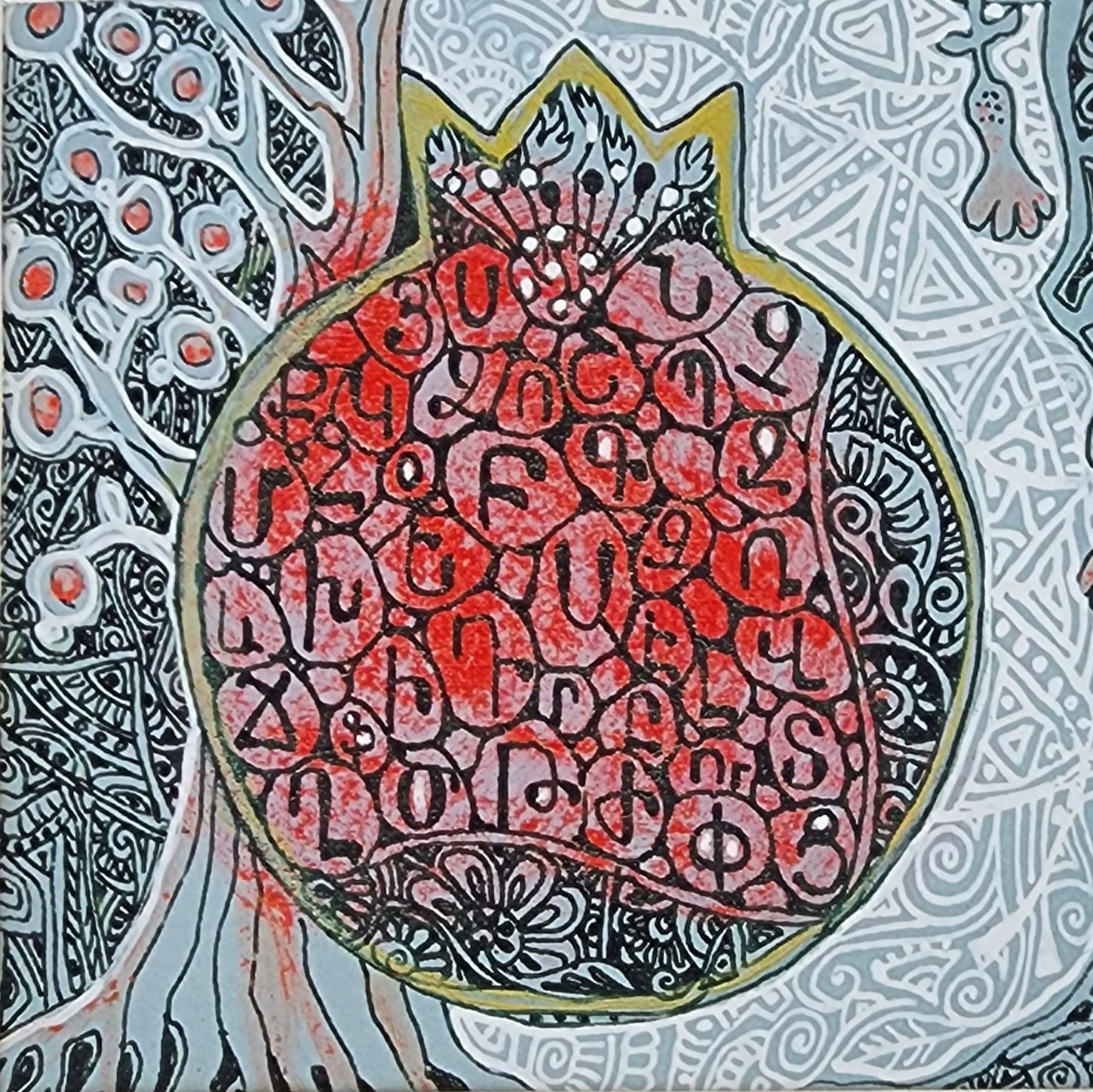
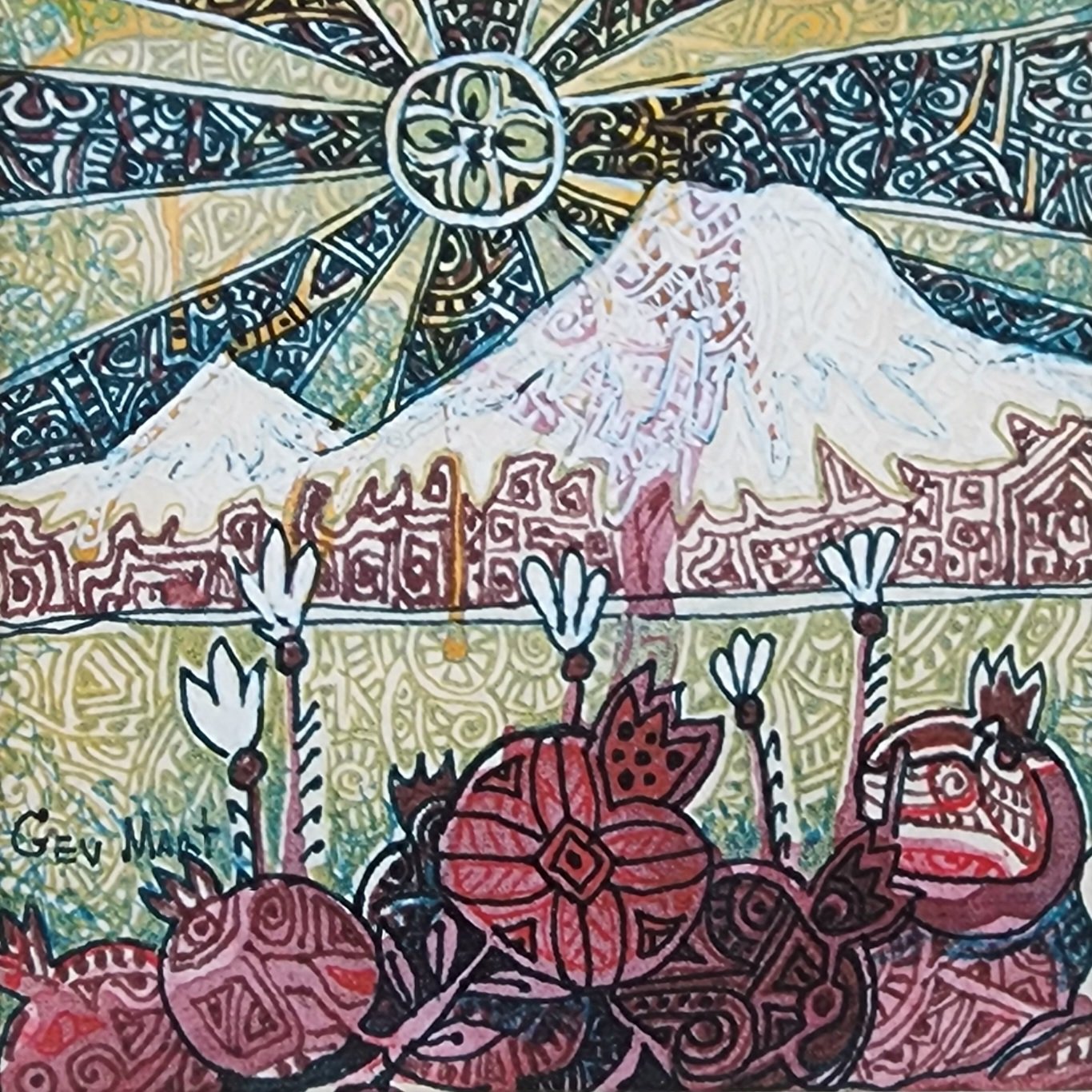
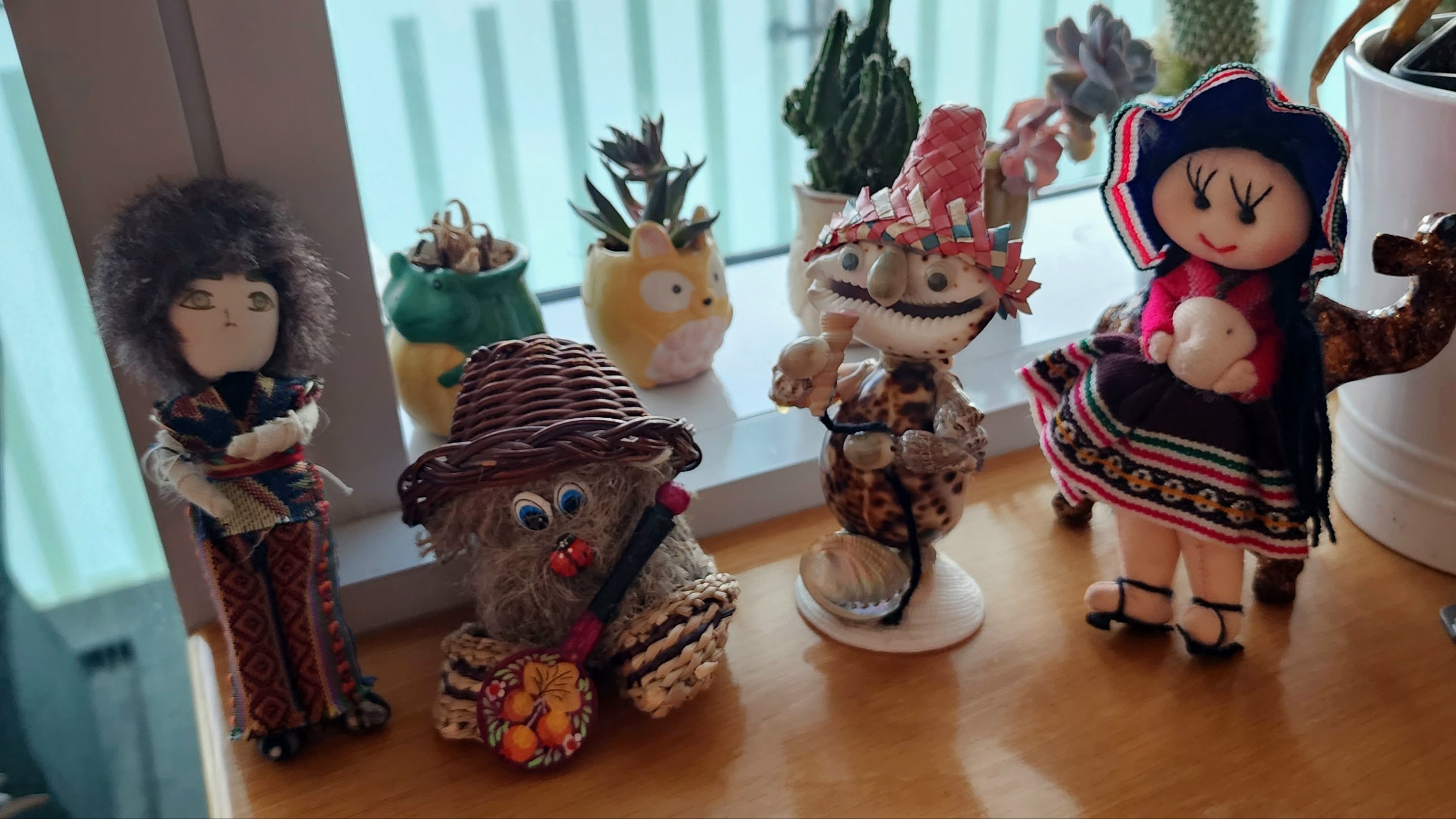
After a snack break and some exploring of the monastery, we decided to head back to town for some warming soup, hot cocoa, and coffee. At a local souvenir shop, we were impressed by some small prints from Armenian artist Gev Mart and picked out these two to take home. Mila also found a new friend for Mr. Smart, Khaleesi Khelats’i (Queen Smart- a mix of Dothraki and Armenian). Mila says she is Mr. Smart’s wife and mother to Zeki Oteki and Señora Sesos (see the family photo below). We ended our stroll at a park near our rental that featured some soviet era amusement park rides being reclaimed by nature.
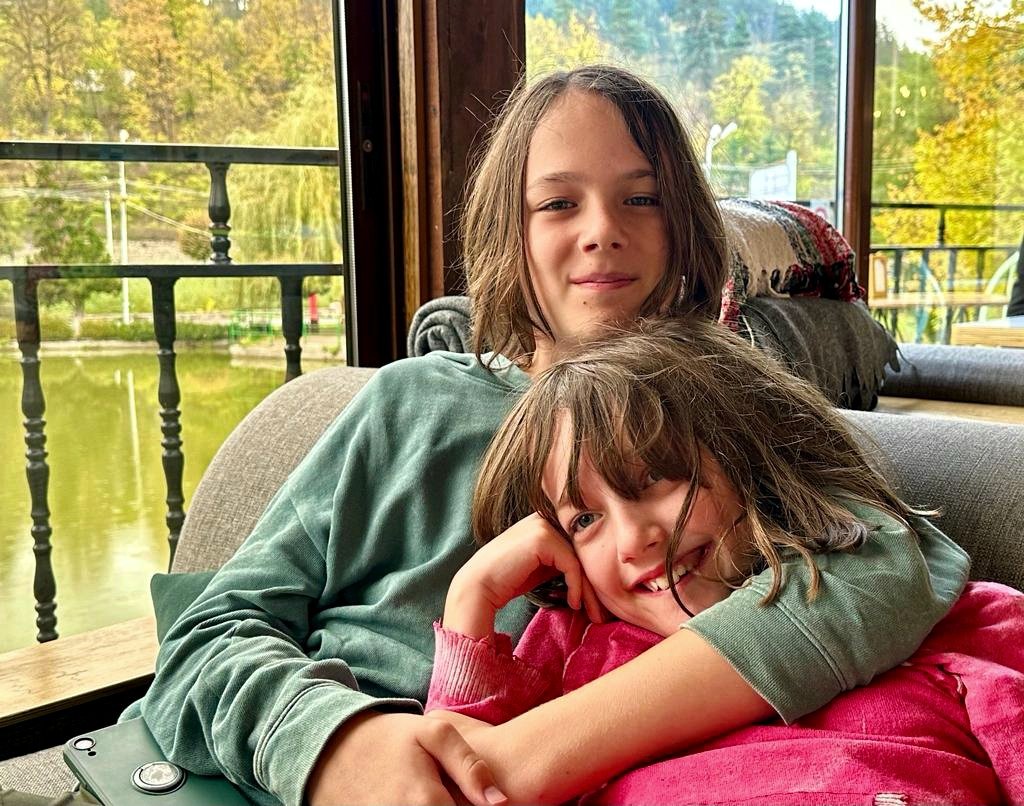
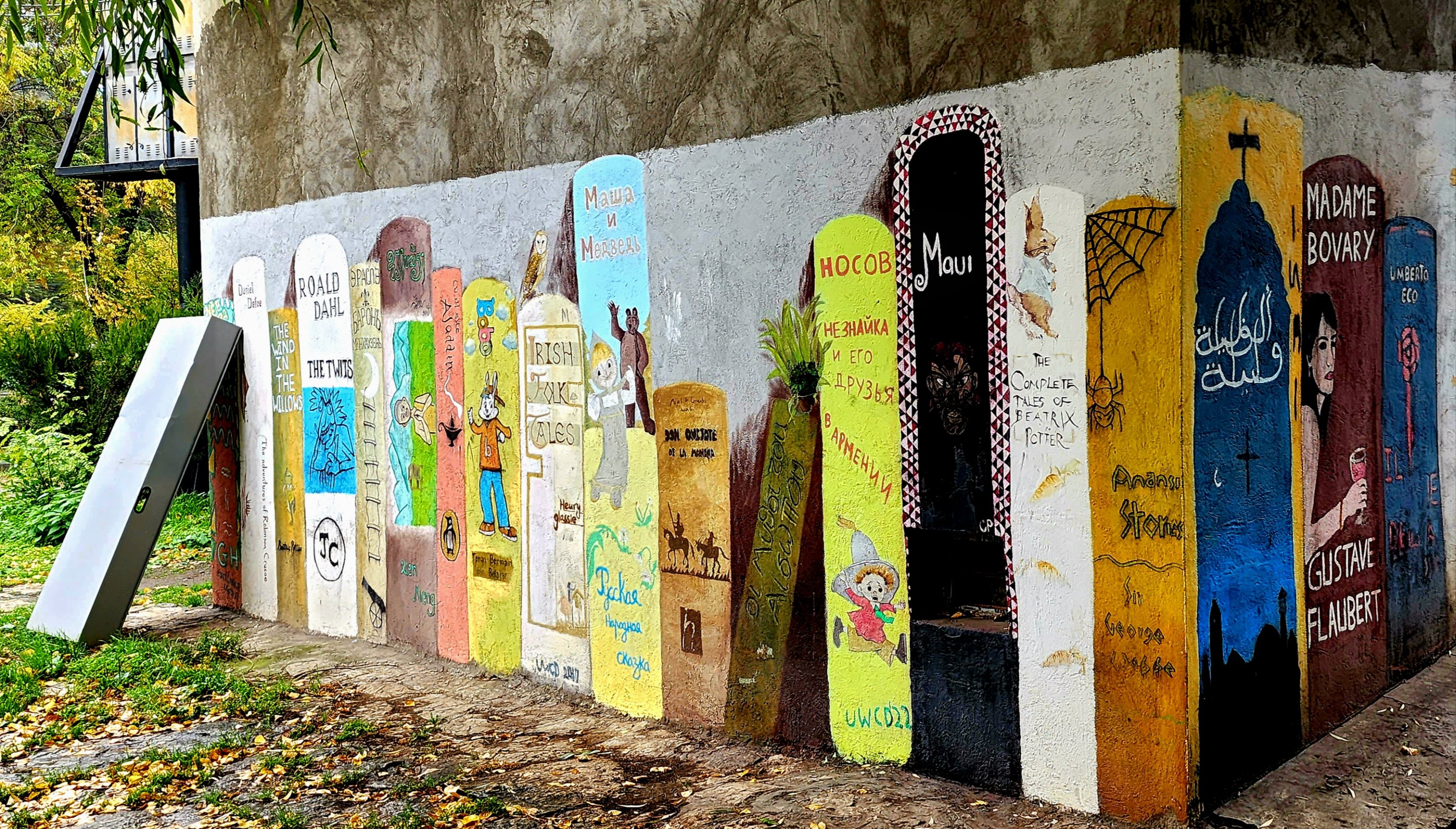
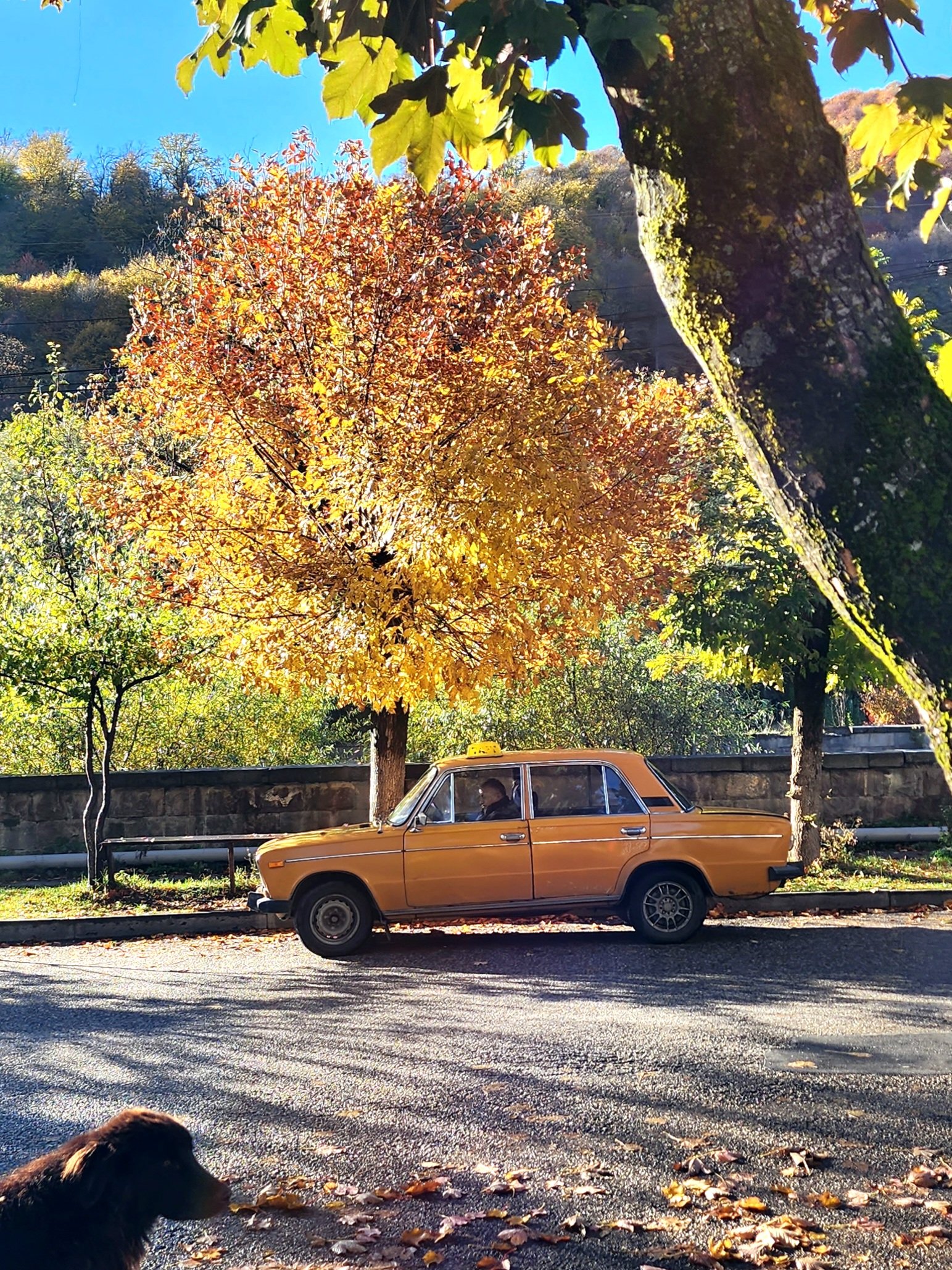
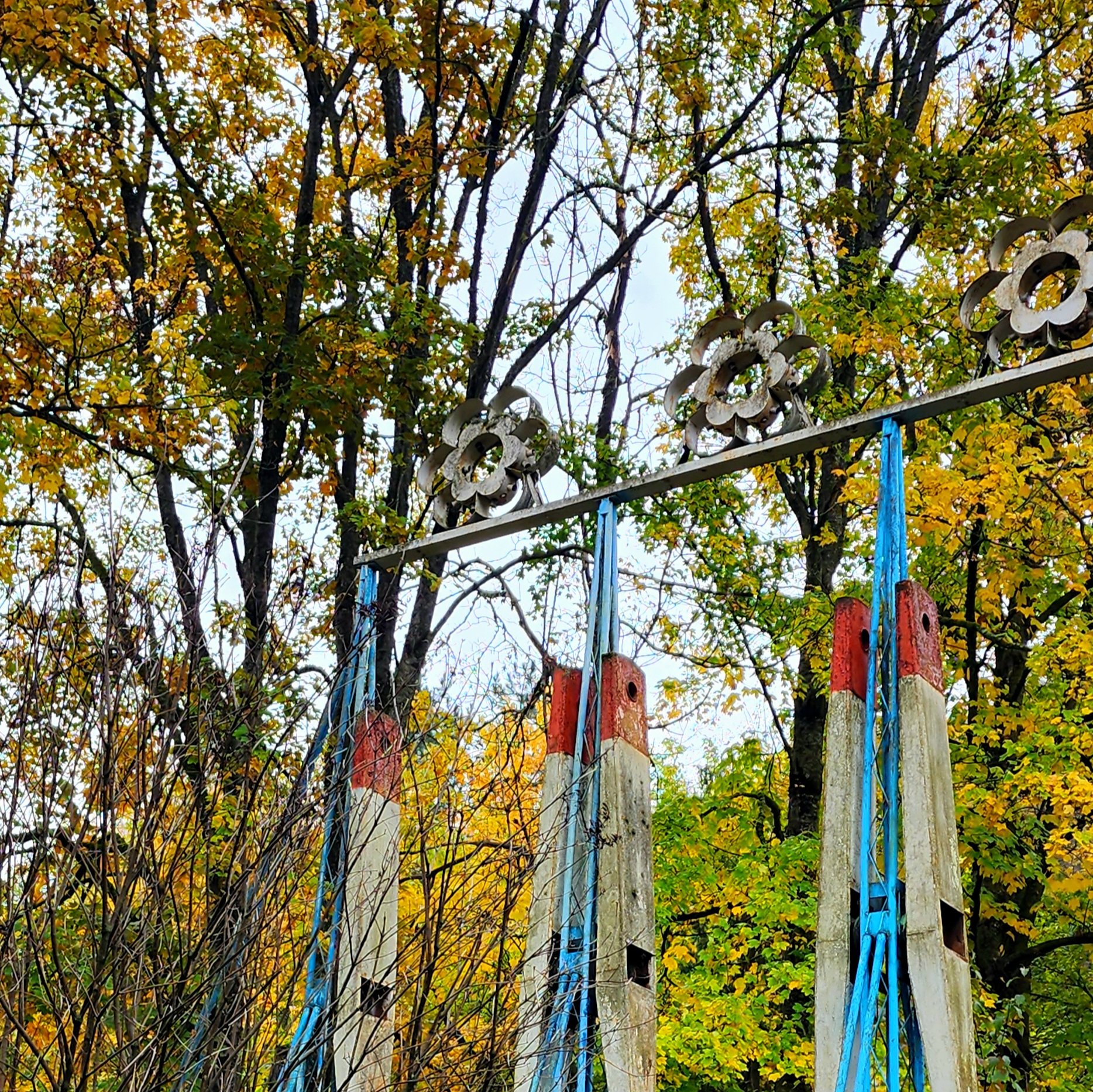
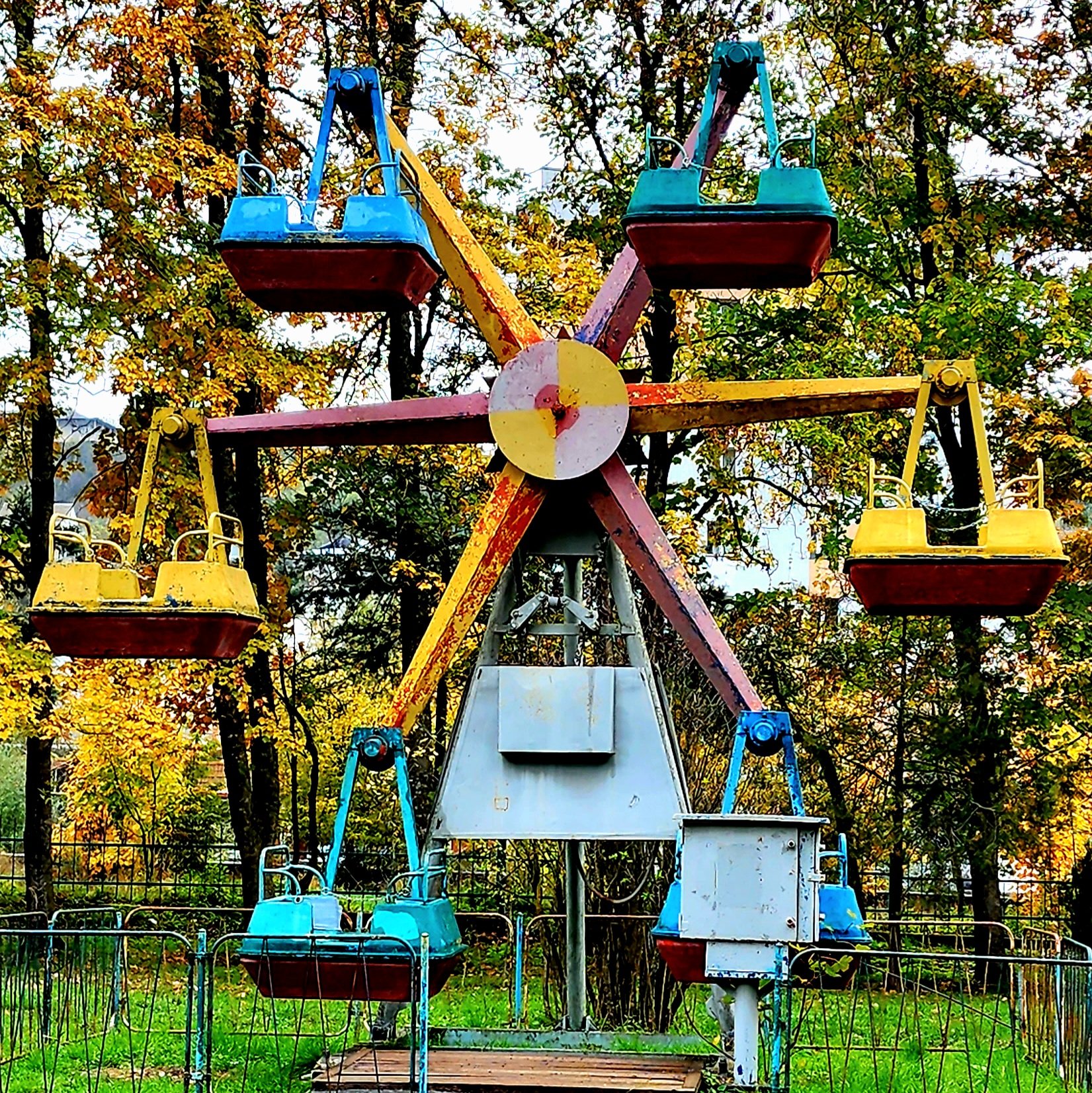
The next day, we headed back to Yerevan, again taking a scenic route.
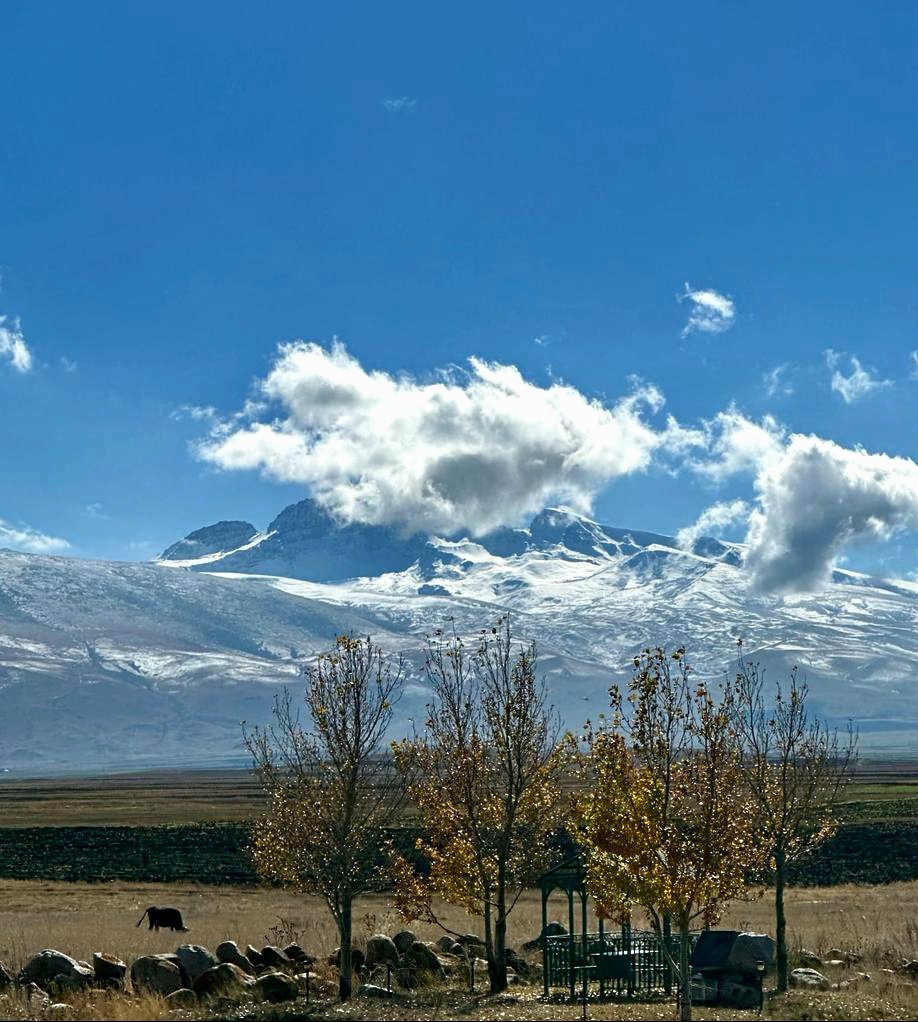
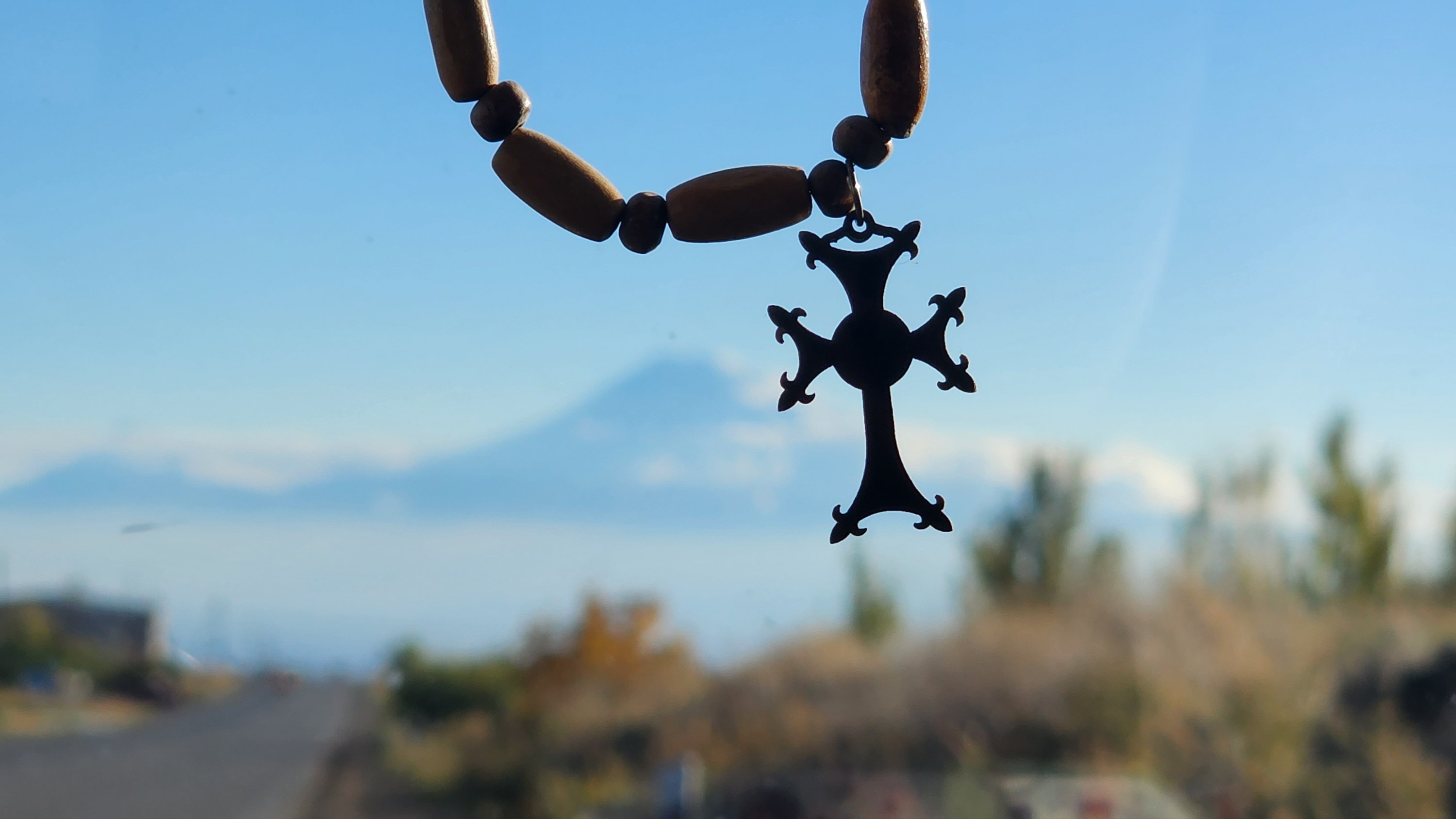
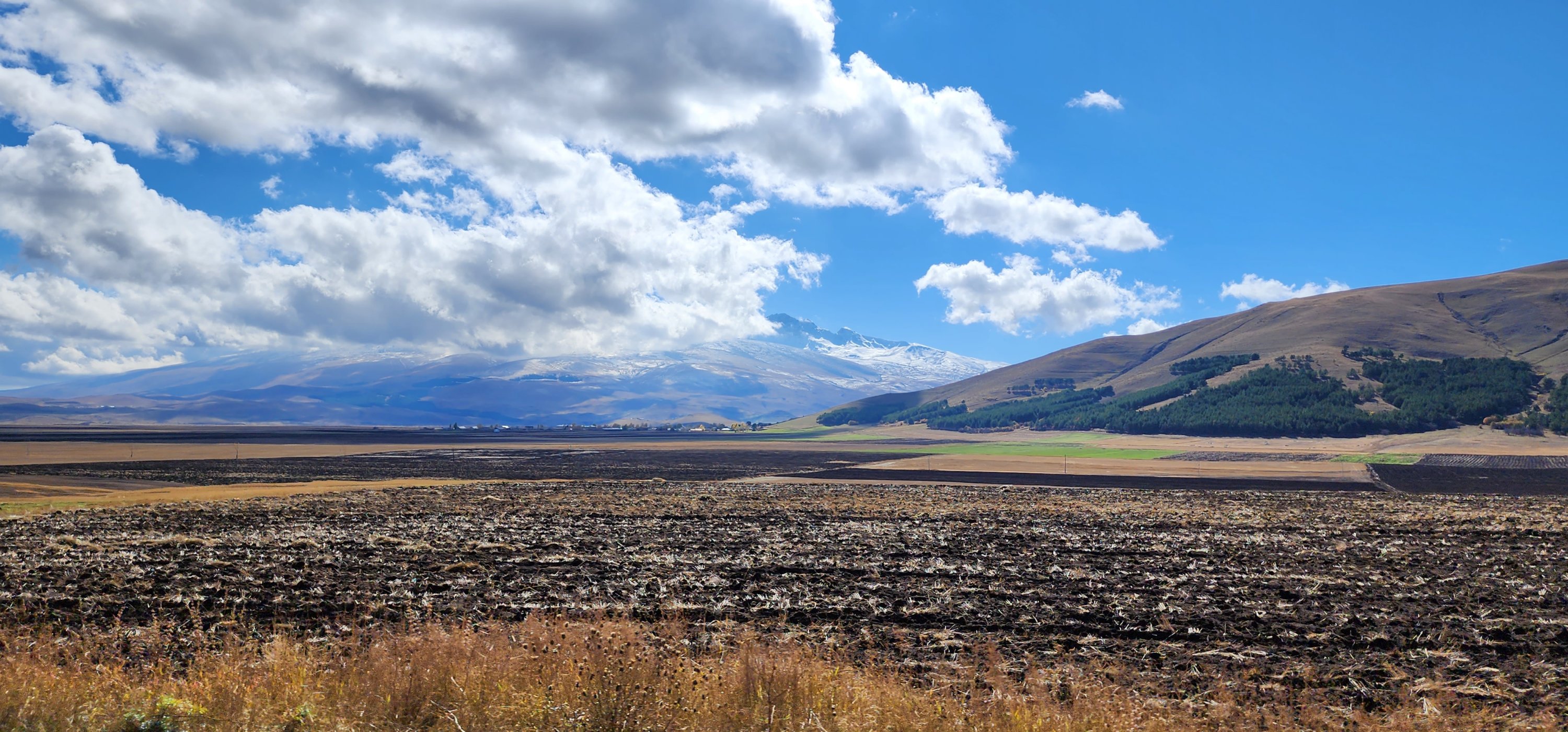
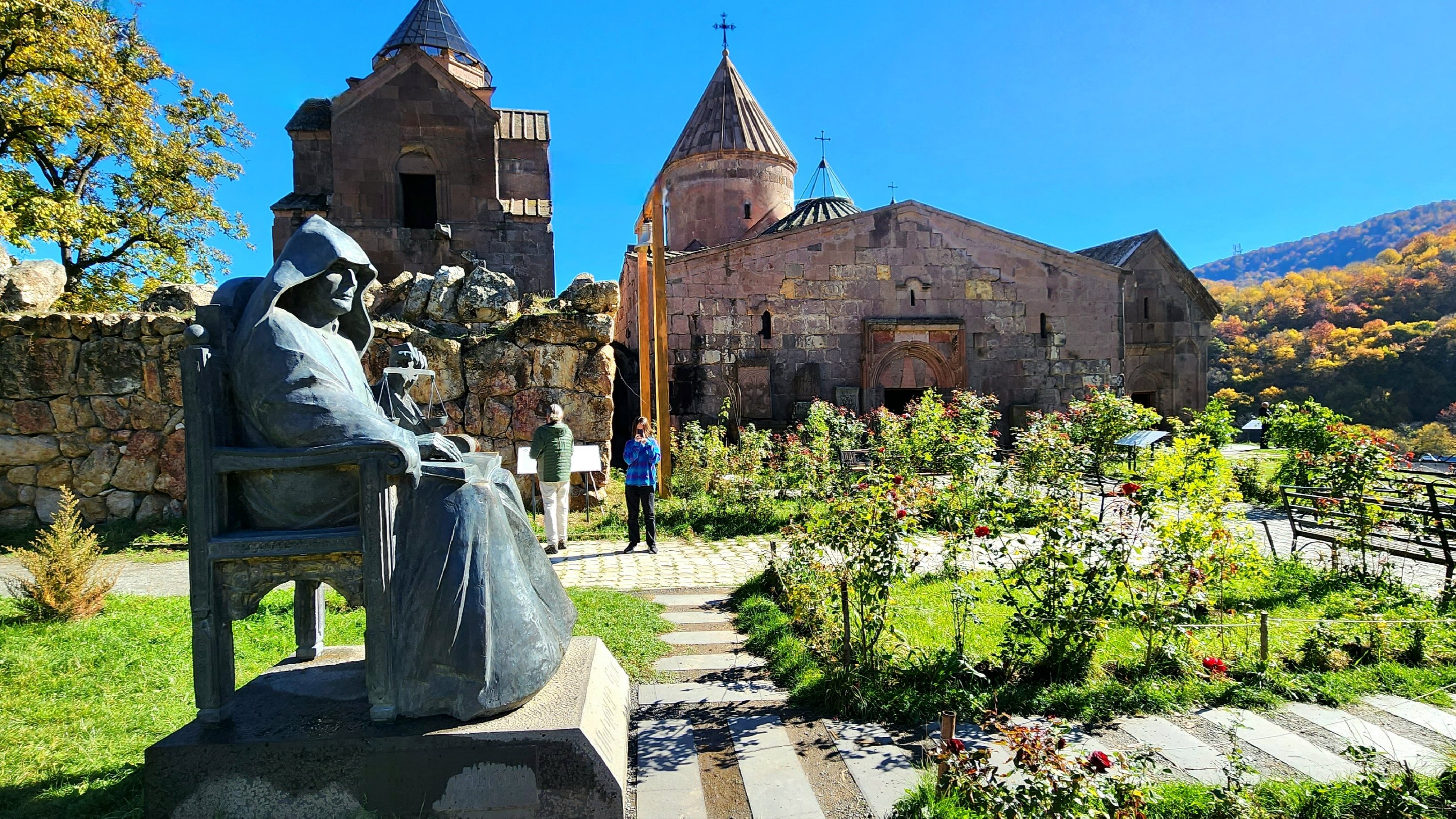
We stopped first at the picturesque 12th-century monastery Goshavank, which is known for its intricate khachkars – stone steles carved with a cross and other motifs. We enjoyed some herbal tea and a swig of moonshine from a local vendor across the street from the monastery.
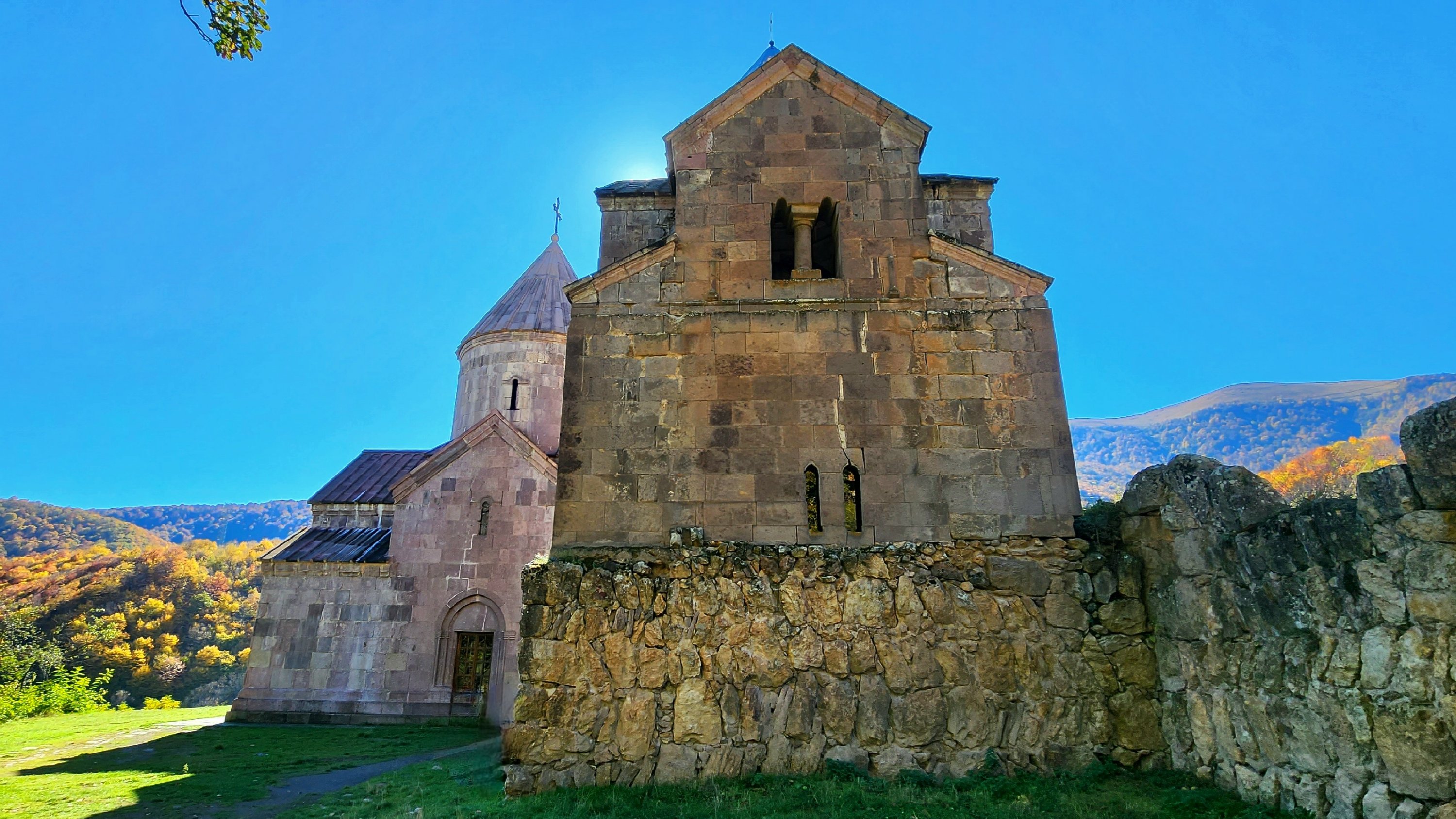
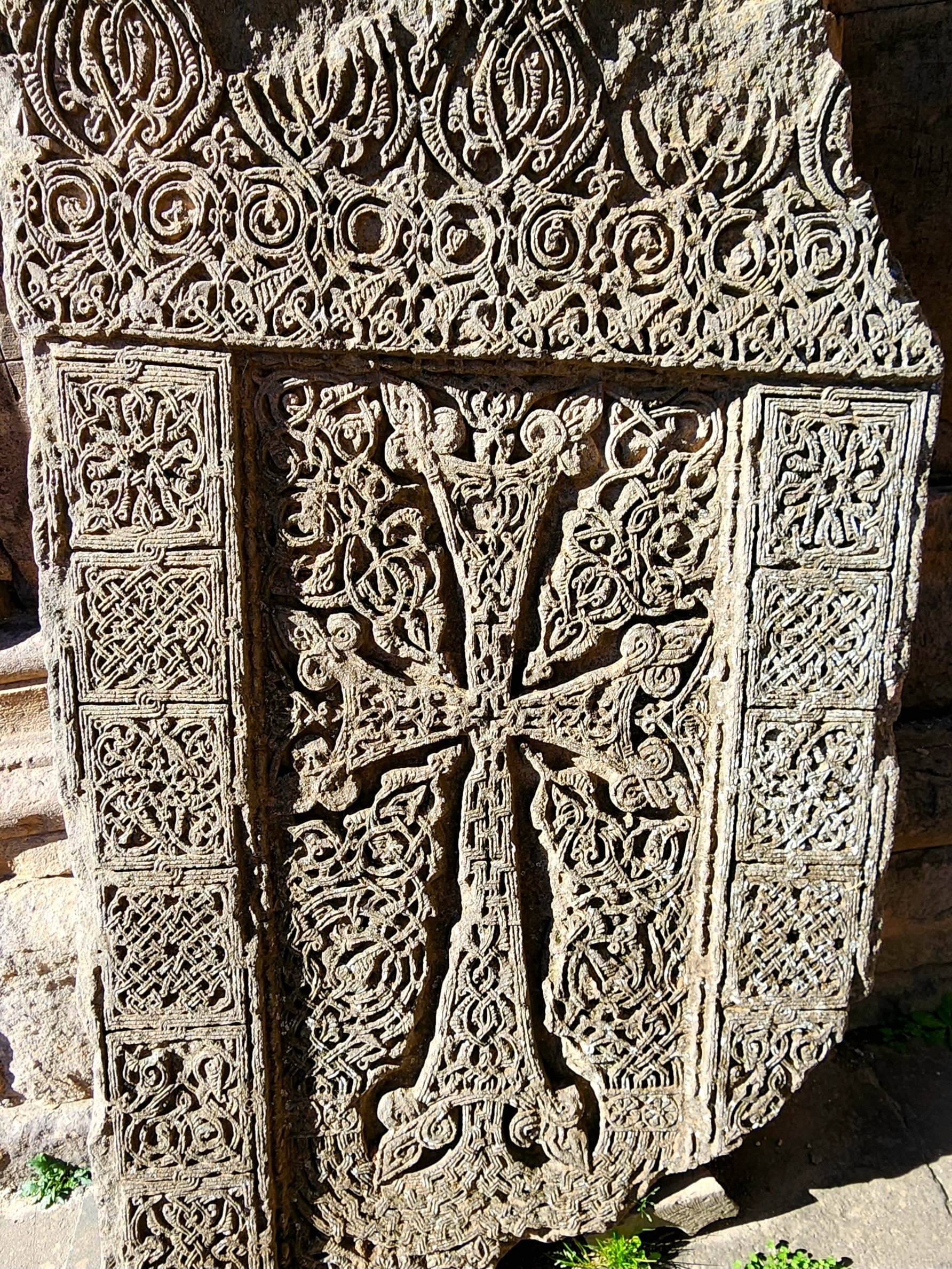
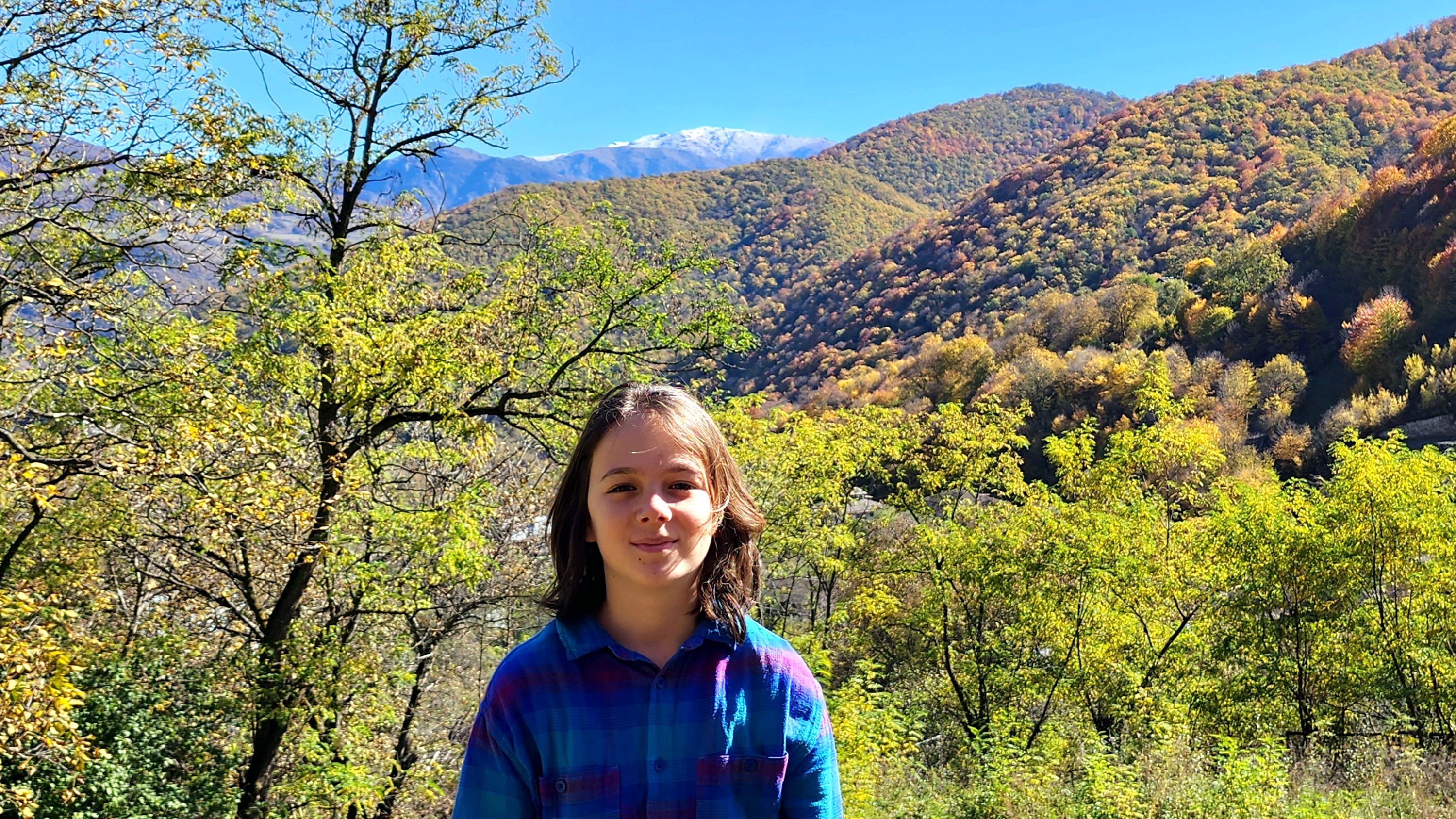
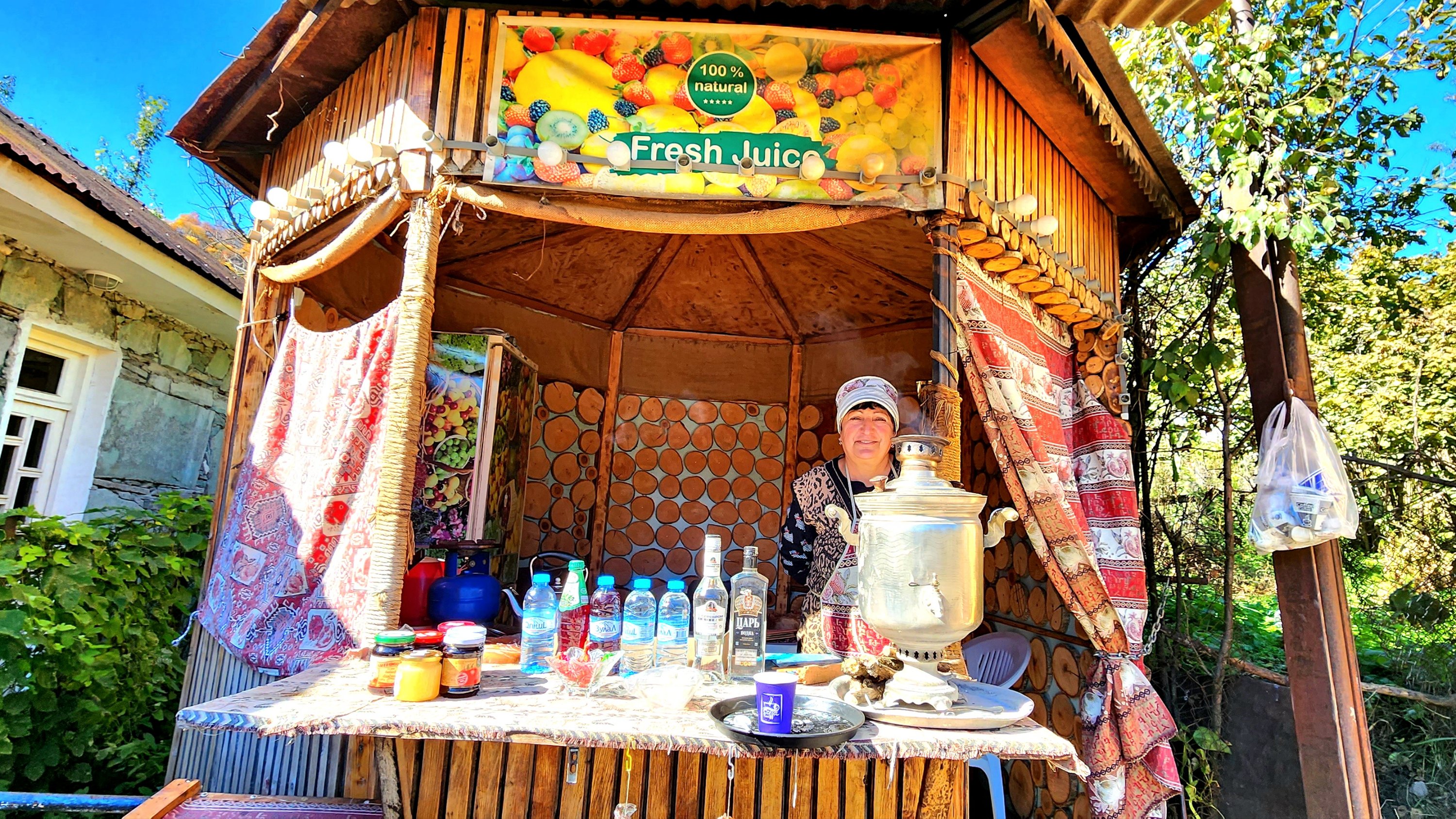
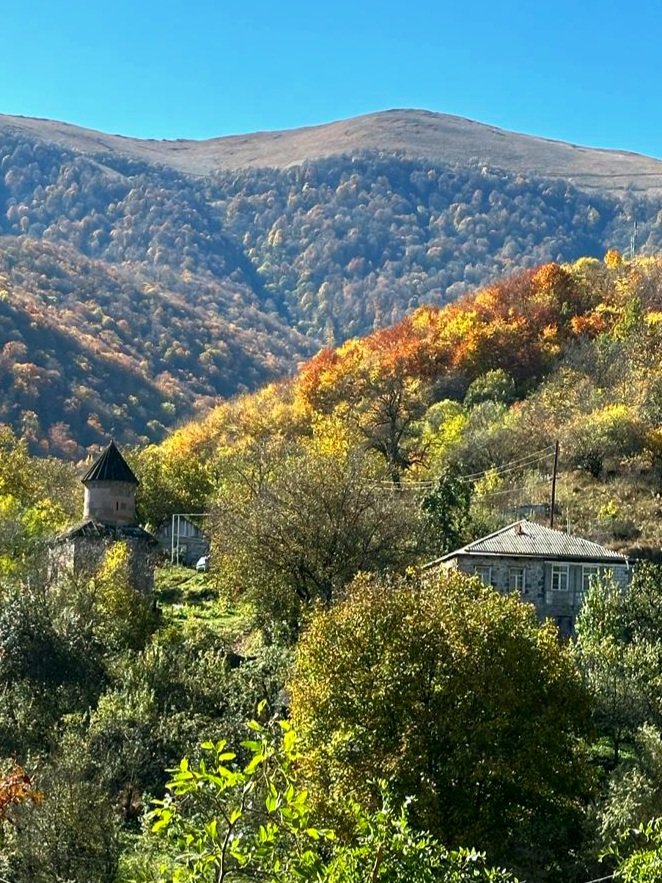
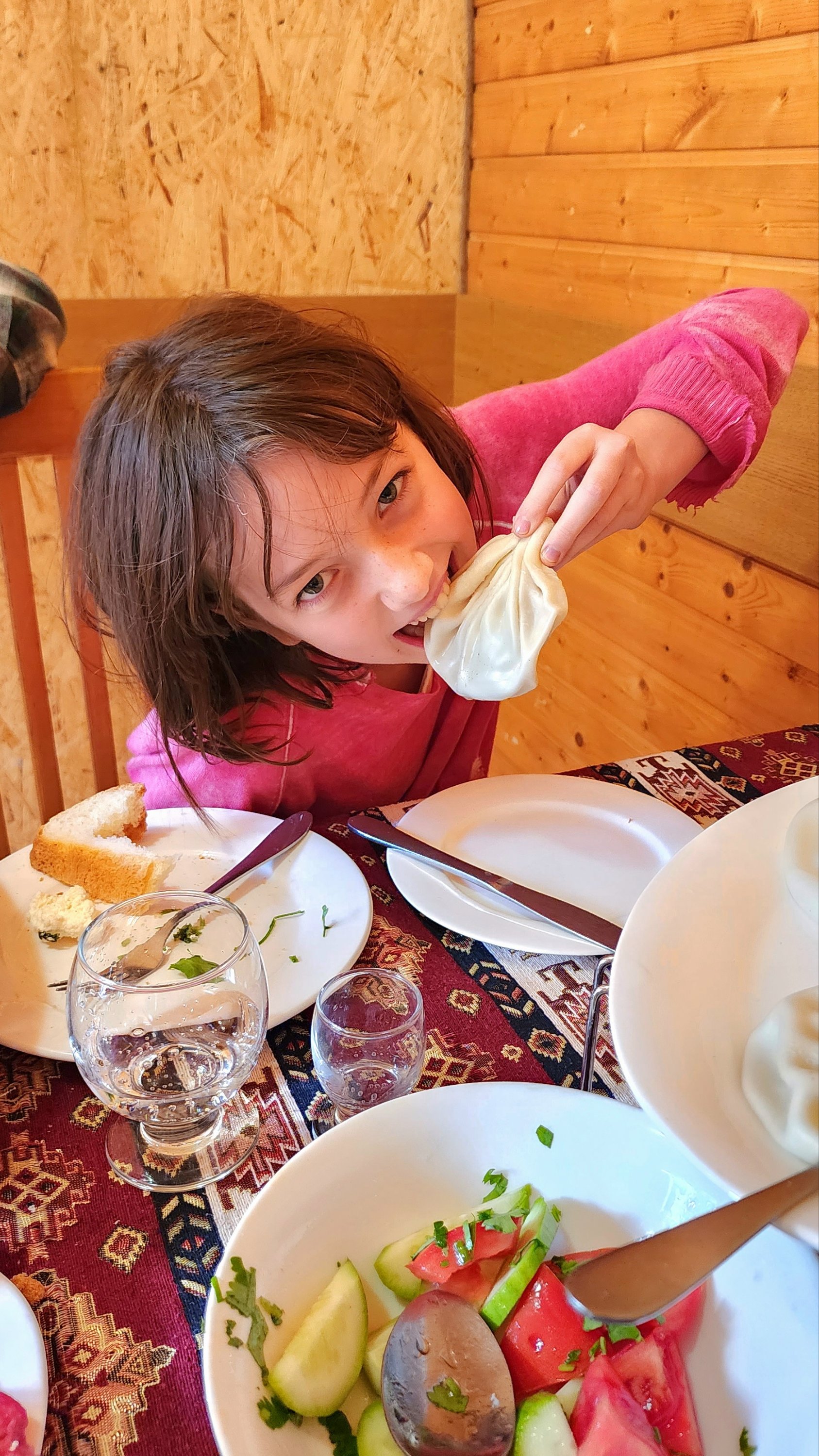
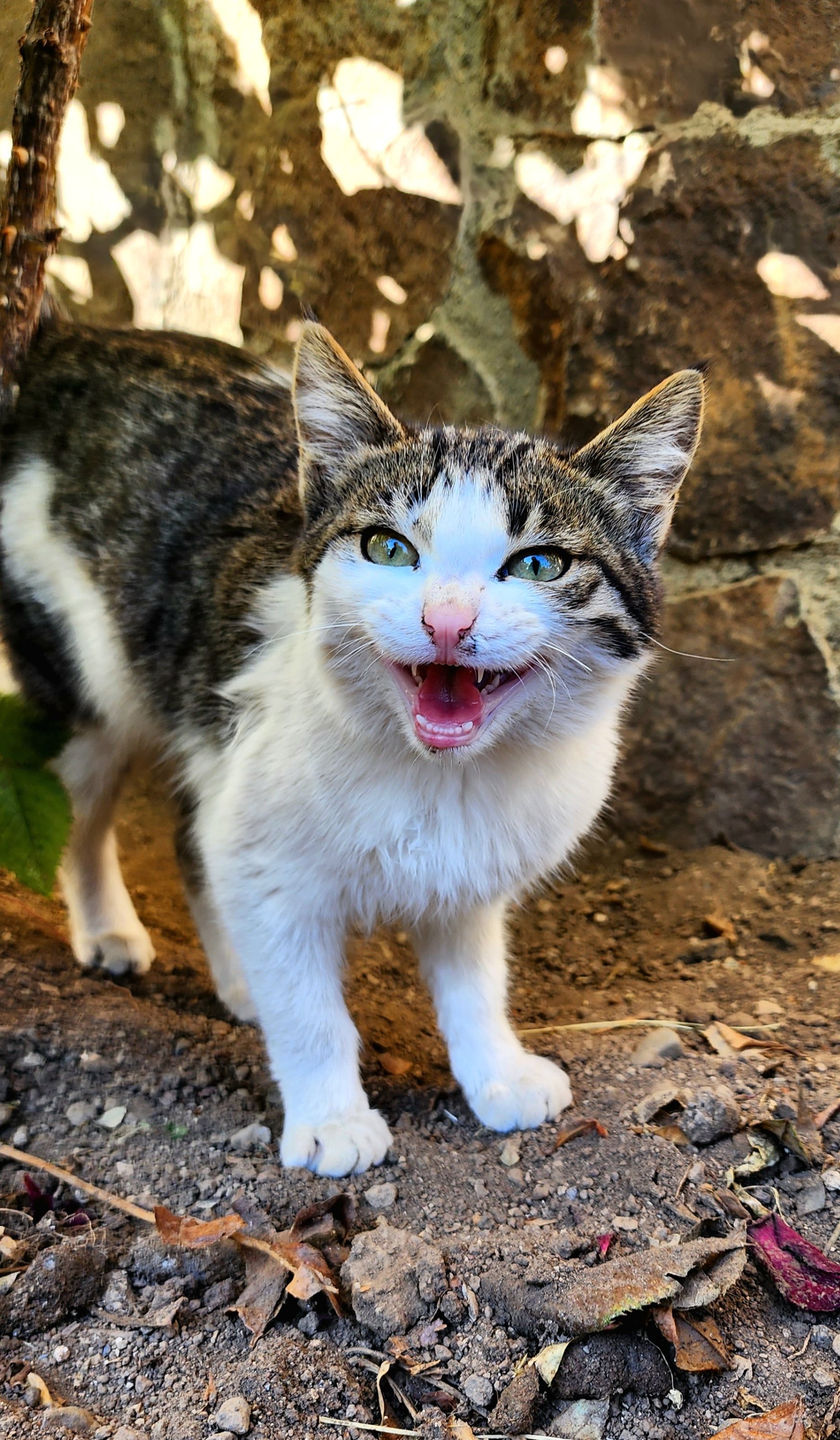
We had a memorable lunch at Aragats Restaurant off the beaten path in a small town. The restaurant was surrounded by gardens and small ponds with fish fated for the table – there was no menu, but they brought us dish after dish of delicious salads, huge manti dumplings, and meats along with flatbread, wine, and compote. Mila met this adorable resident cat who enjoyed nibbling on some of the leftovers.
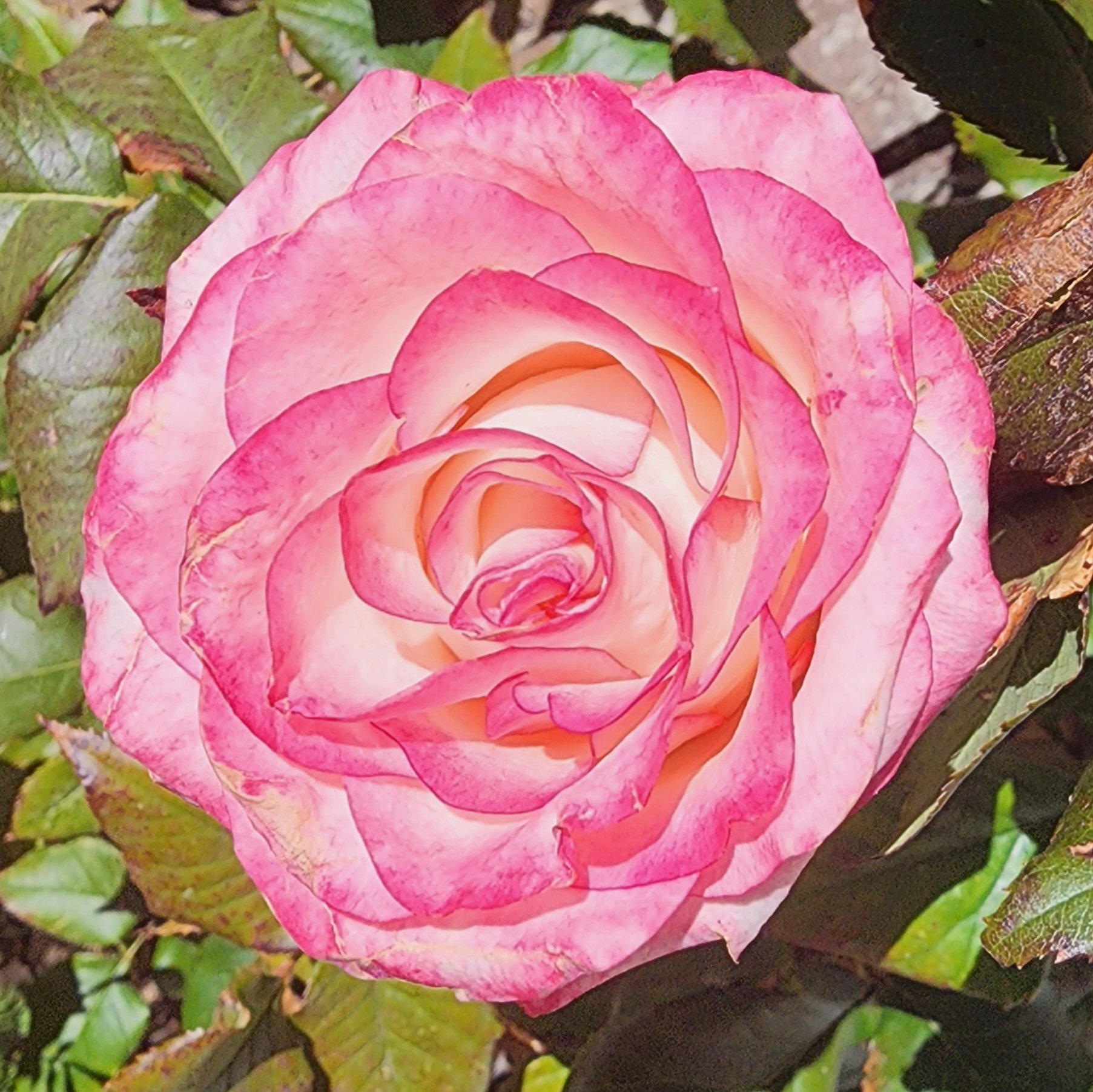
After lunch, we stopped at two monasteries, Saghmosavank and Hovhannavank, which were both hosting weekend weddings. The monasteries were perched above the Kasakh River and boasted impressive canyon vistas.
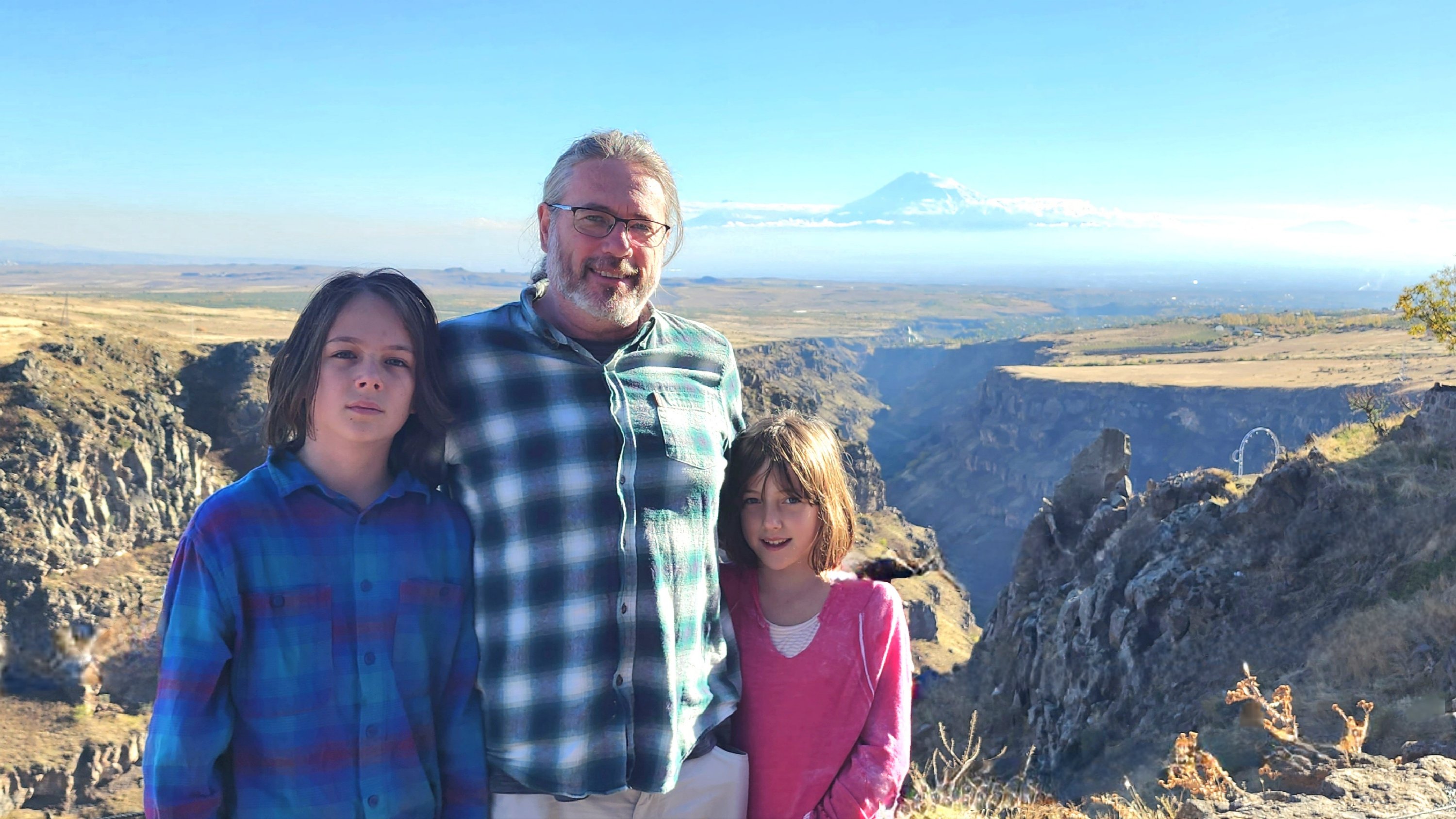
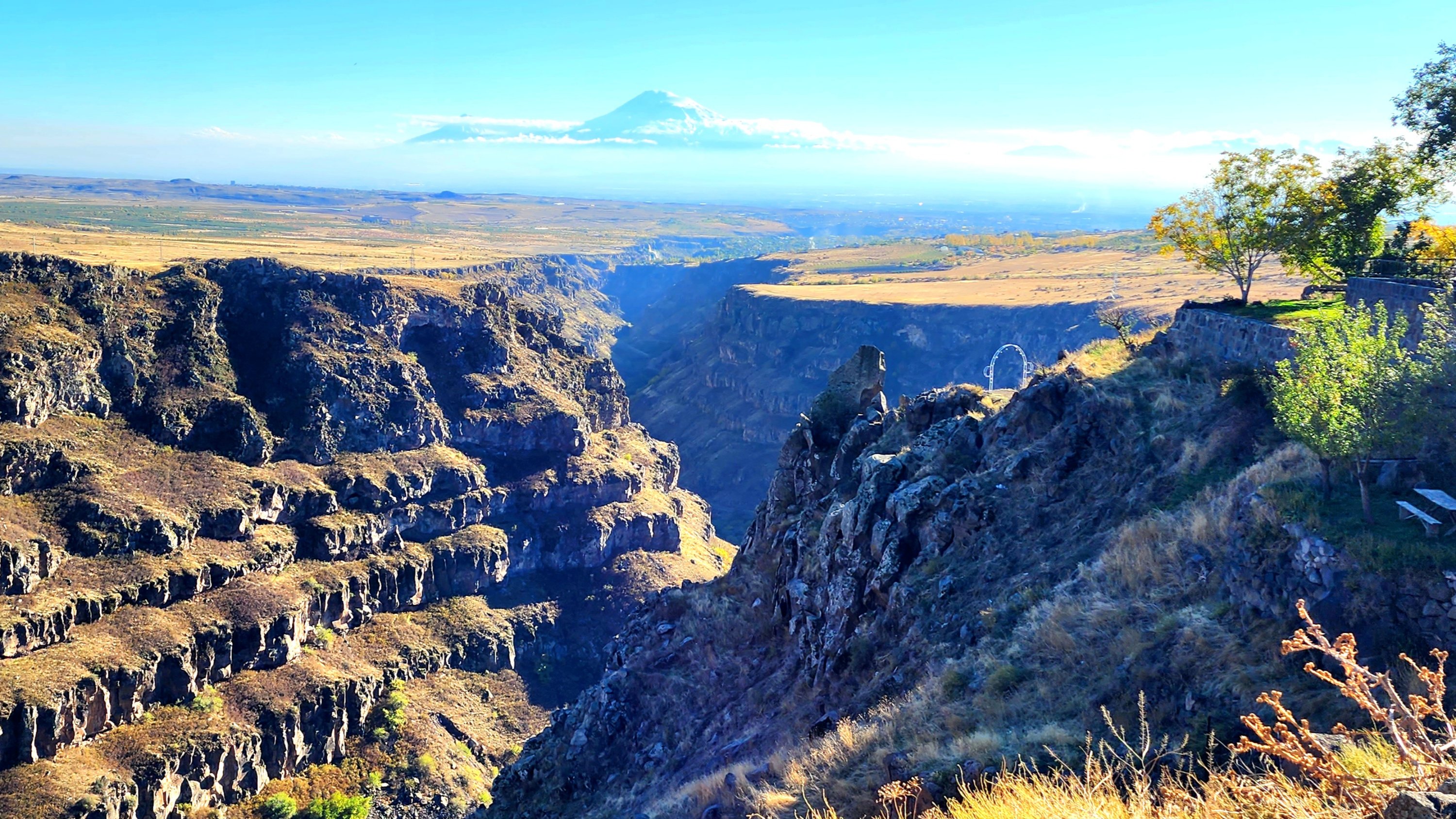
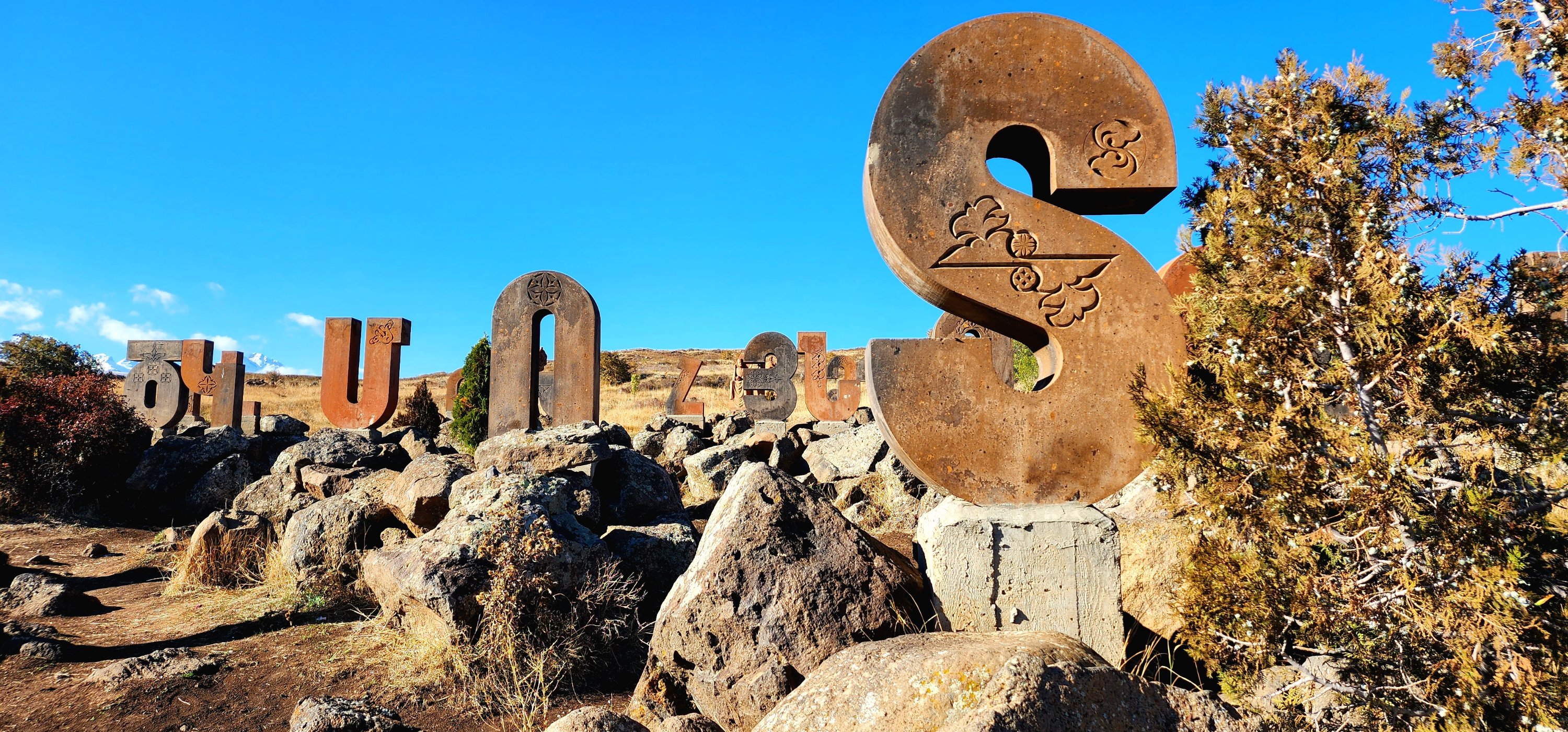
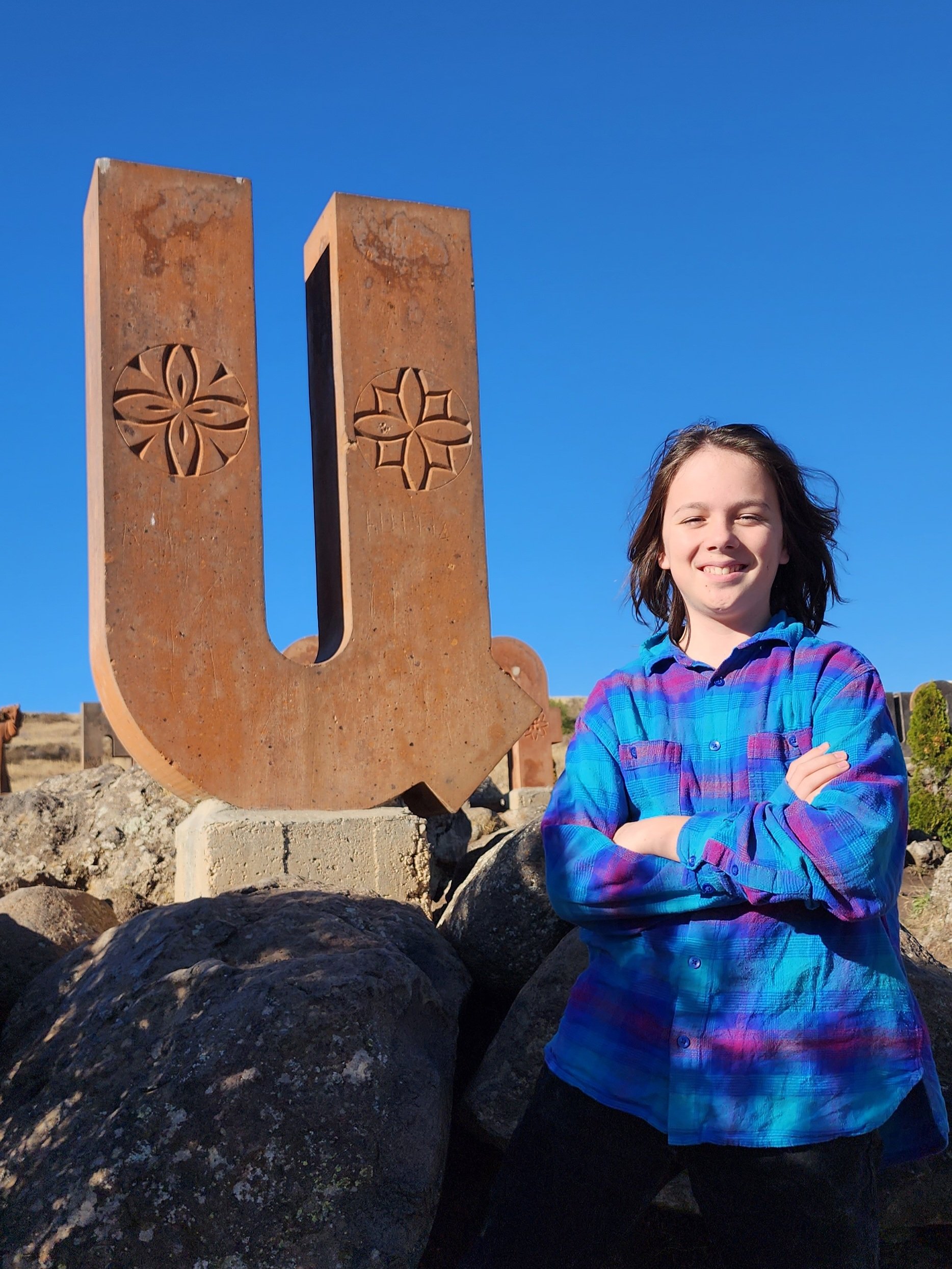
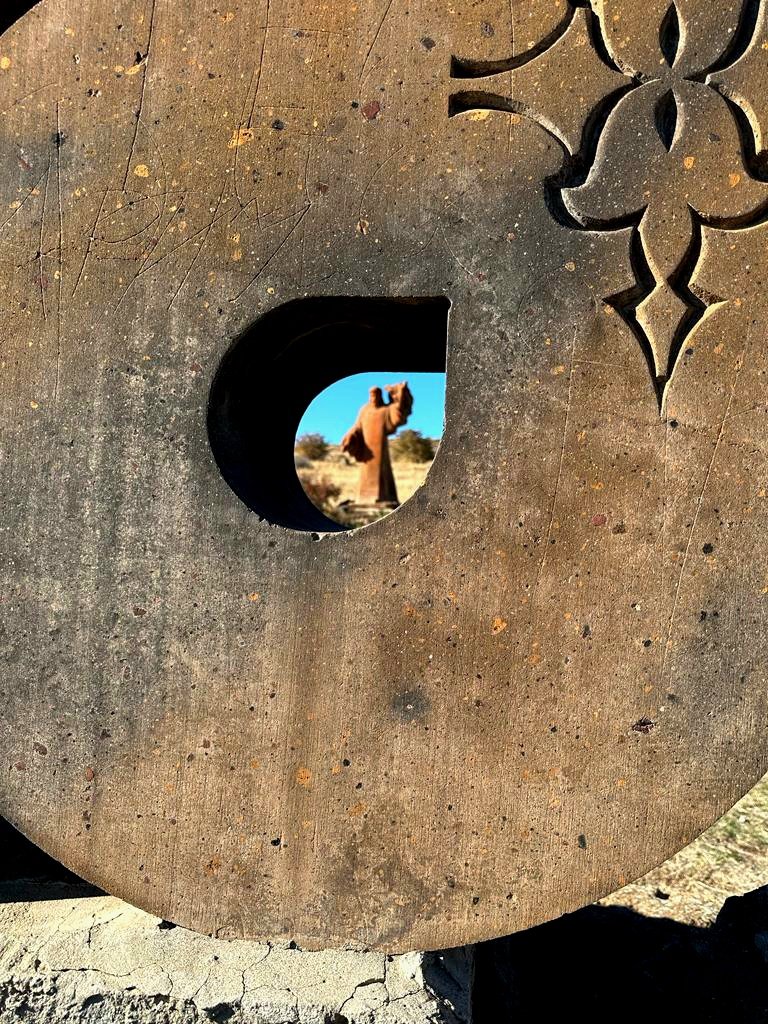
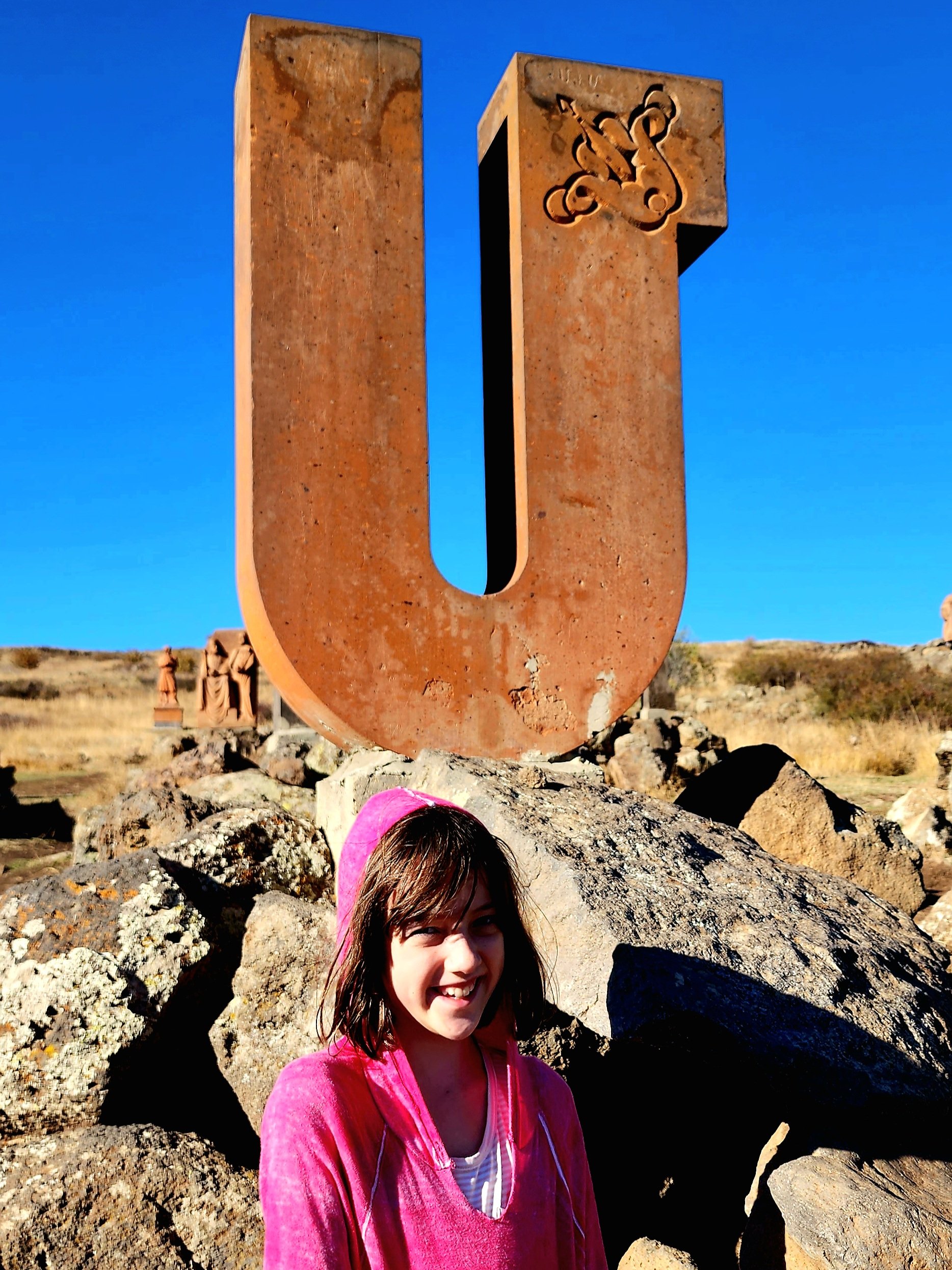
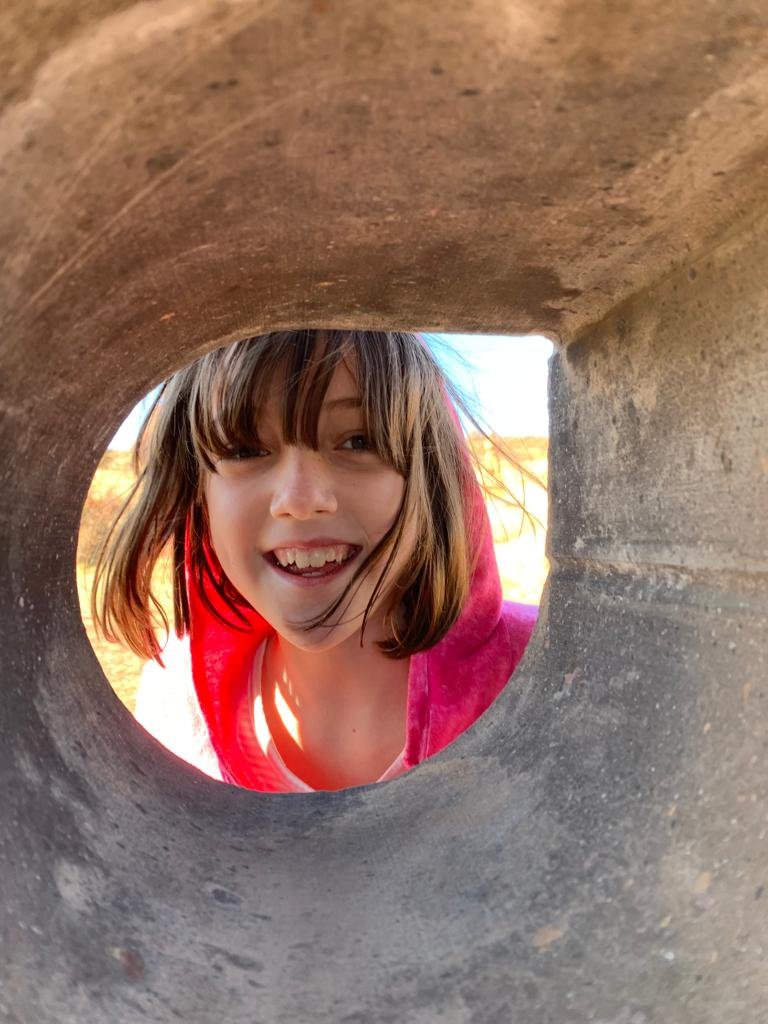
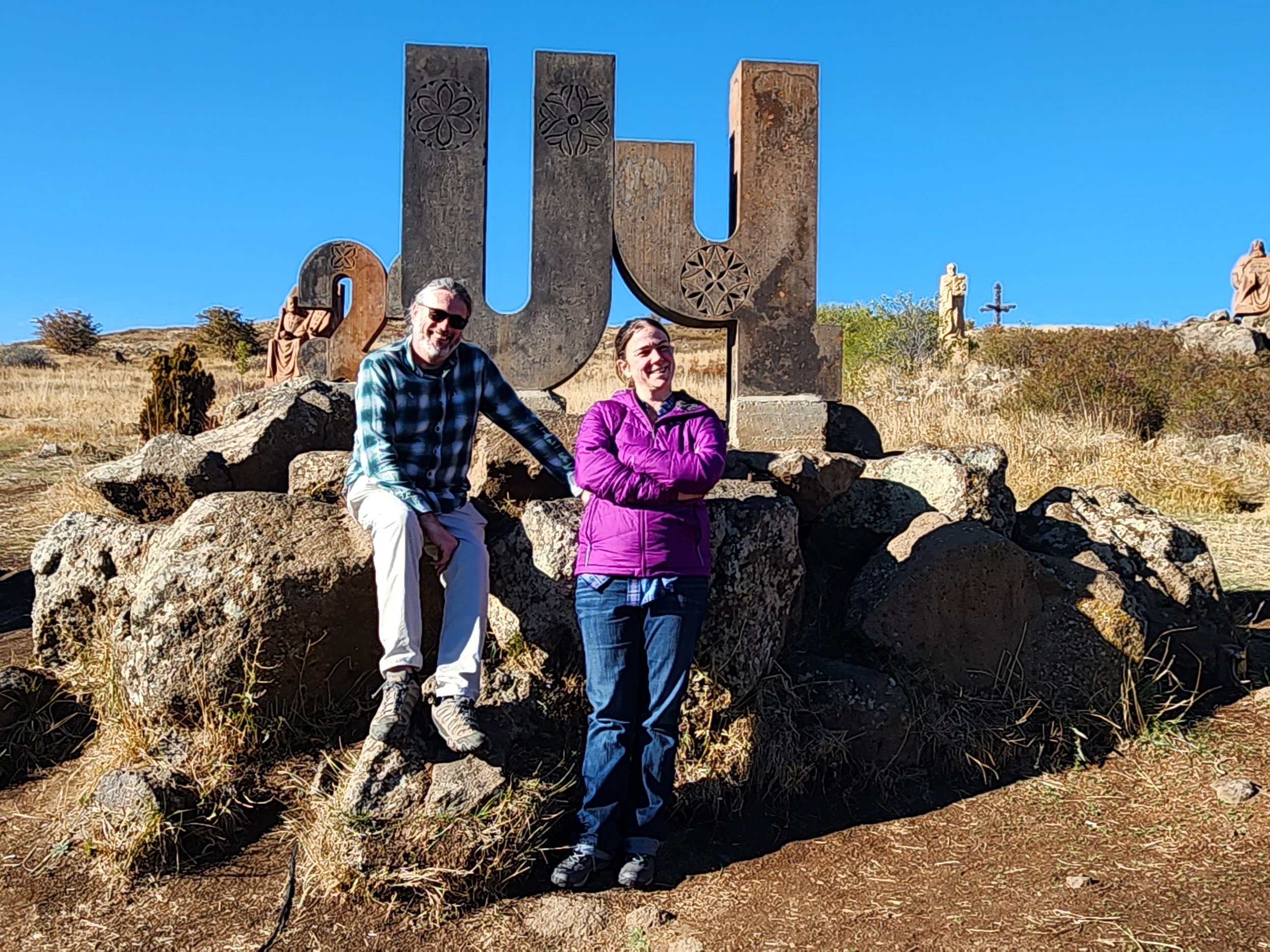
Our final stop was at the Armenian Alphabet monument, where we posed by the first letter in our names. The monument, consisting of 39 giant carved letters, was built in 2005 to celebrate the 1600th birthday of the Armenian Alphabet. It was built near the final resting place of its creator, Mesrop Mashtots. Later, we saw a statue of Mashtots in front of the Matenadaran in Yerevan.
We spent the weekend in Yerevan, walking around the city and visiting interesting sites around town. Some highlights:
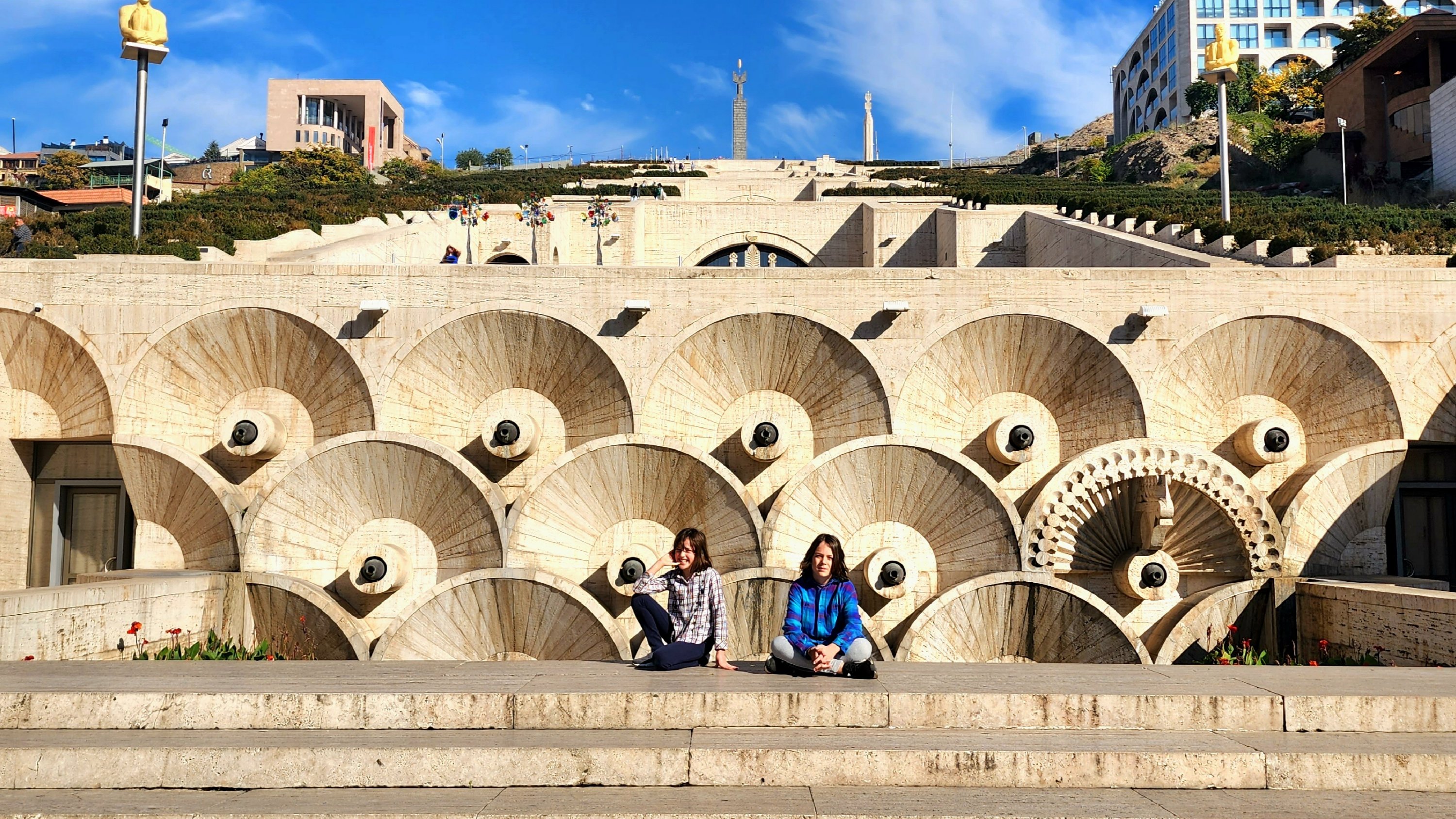
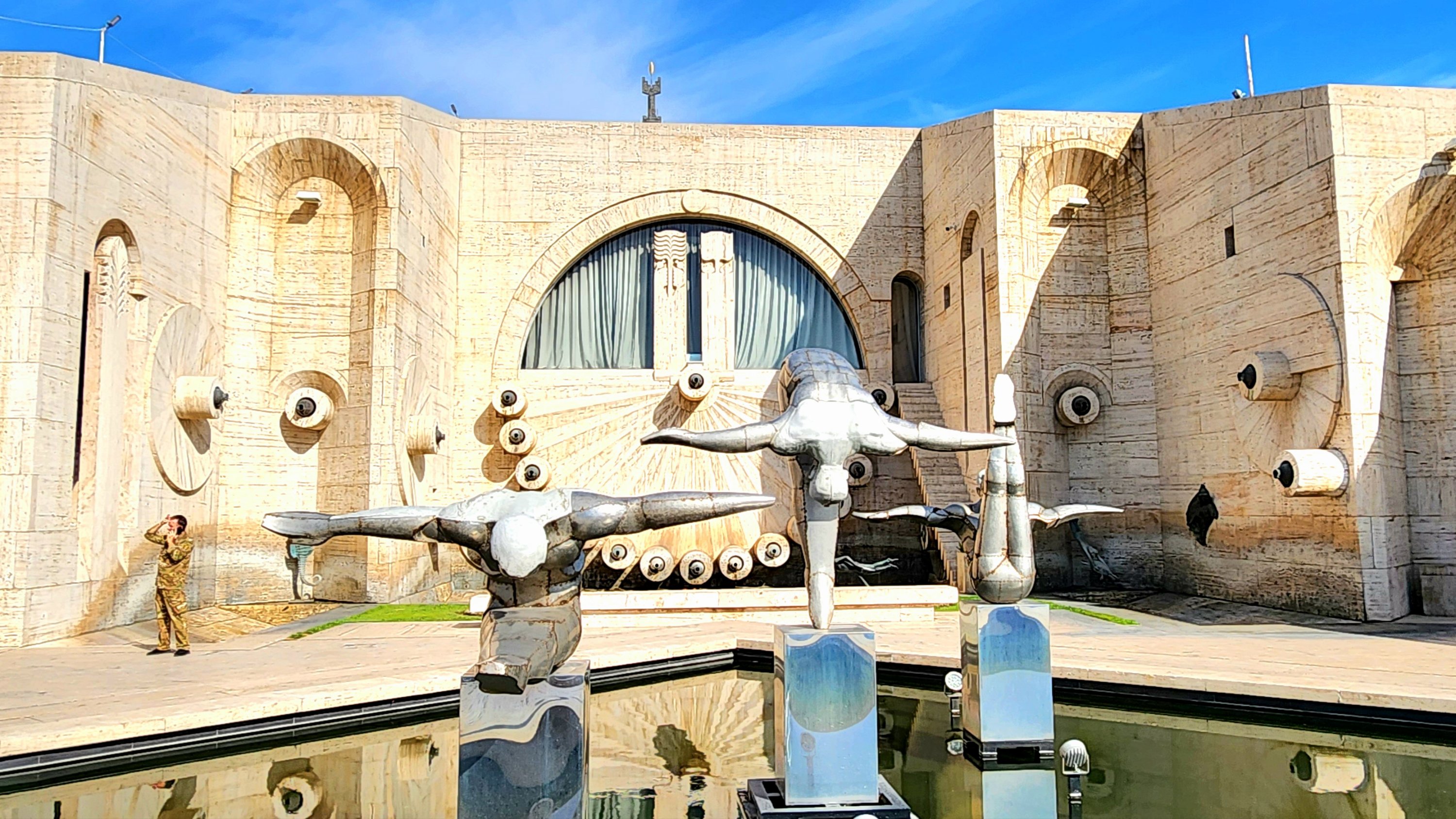
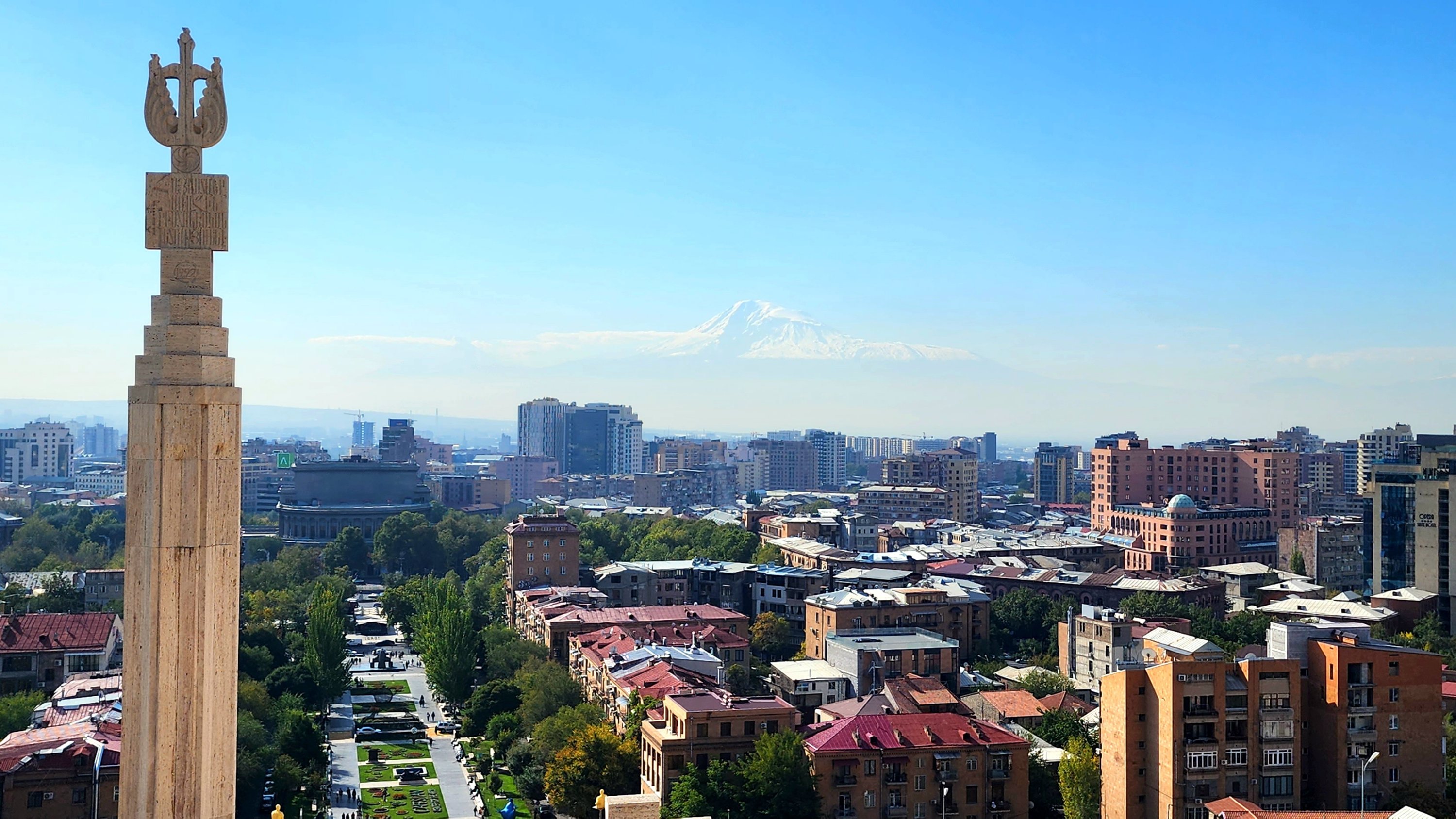
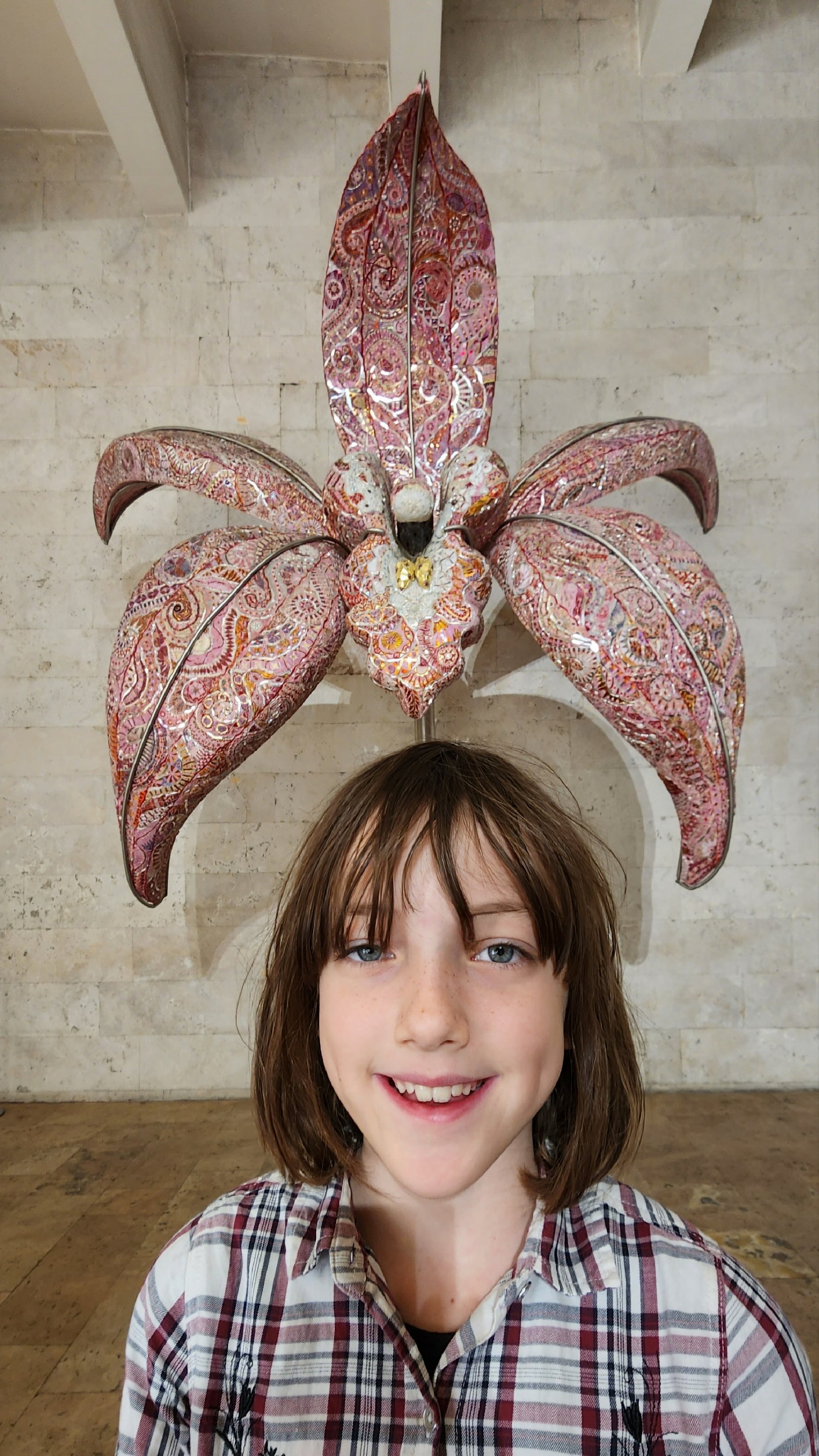
The Cascade Complex: We were impressed by this art center, sculpture garden, and extraordinary architectural complex. This landmark structure is a network of 572 steps up a hillside, linking art gallery rooms and garden spaces and leading up to a stunning view of the city and Mt. Ararat. It was originally conceptualized in 1920, but construction did not begin until years later. The project was abandoned after an earthquake in 1988 and the breakup of the Soviet Union in 1991. In the early 2000s, an Armenian American philanthropist Gerard Cafesjian led the renovation and completion of the project. The site is now home to the Cafesjian Center for the Arts, a free art museum, and a sculpture garden.
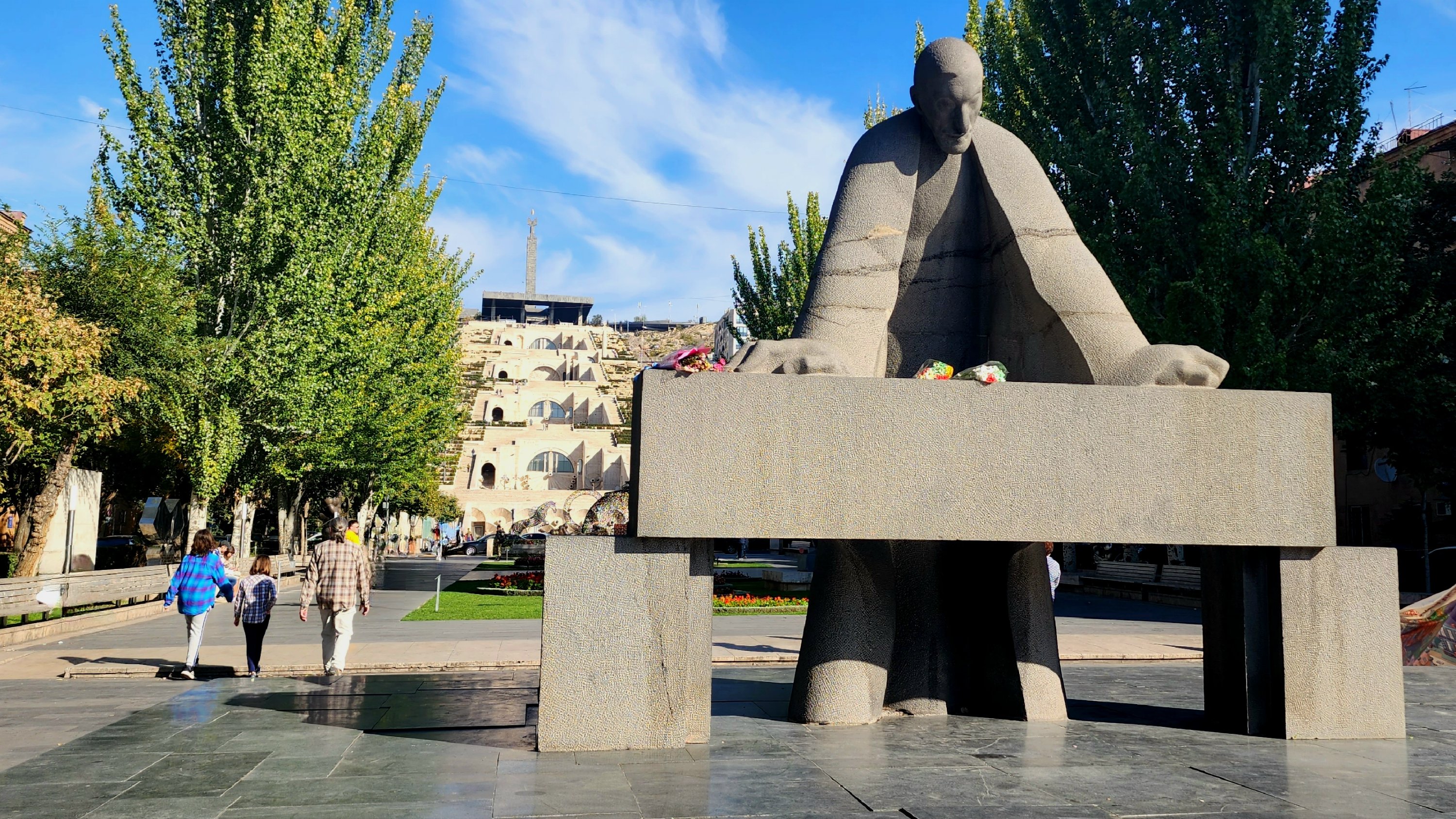
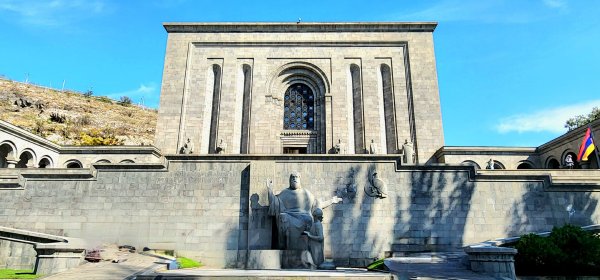
The Matenadaran: This museum is home to an extensive collection of ancient Armenian illuminated manuscripts as well as ancient manuscripts in foreign languages. The statue is of Mesrop Mashtots, the creator of the Armenian Alphabet.
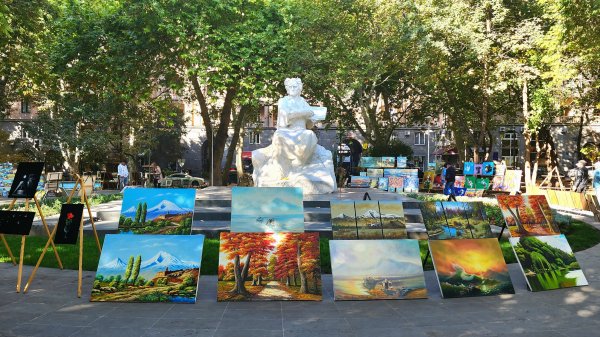
Public spaces: We walked all over the city, exploring the many markets, parks, and squares filled with people enjoying the weekend.
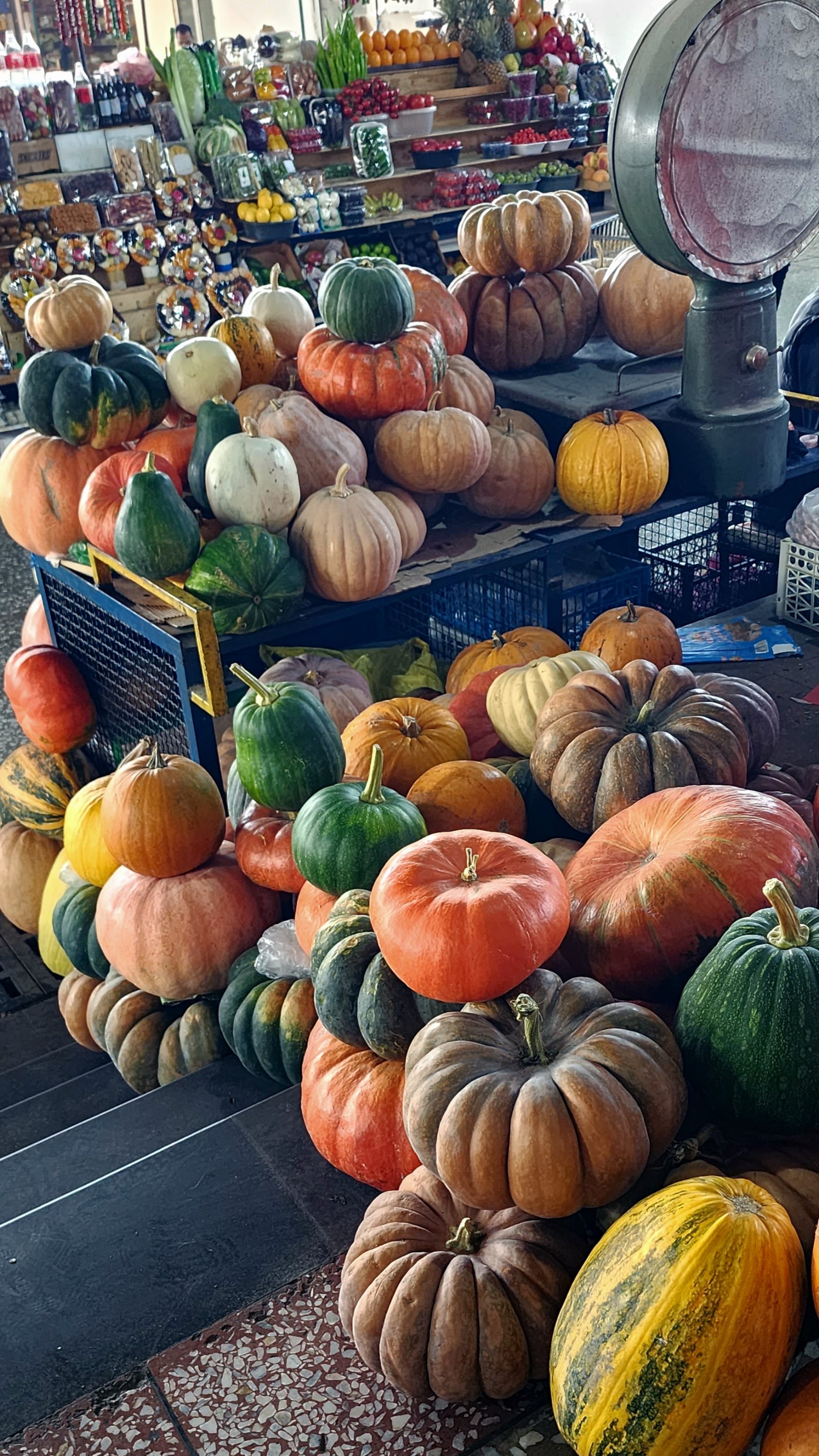
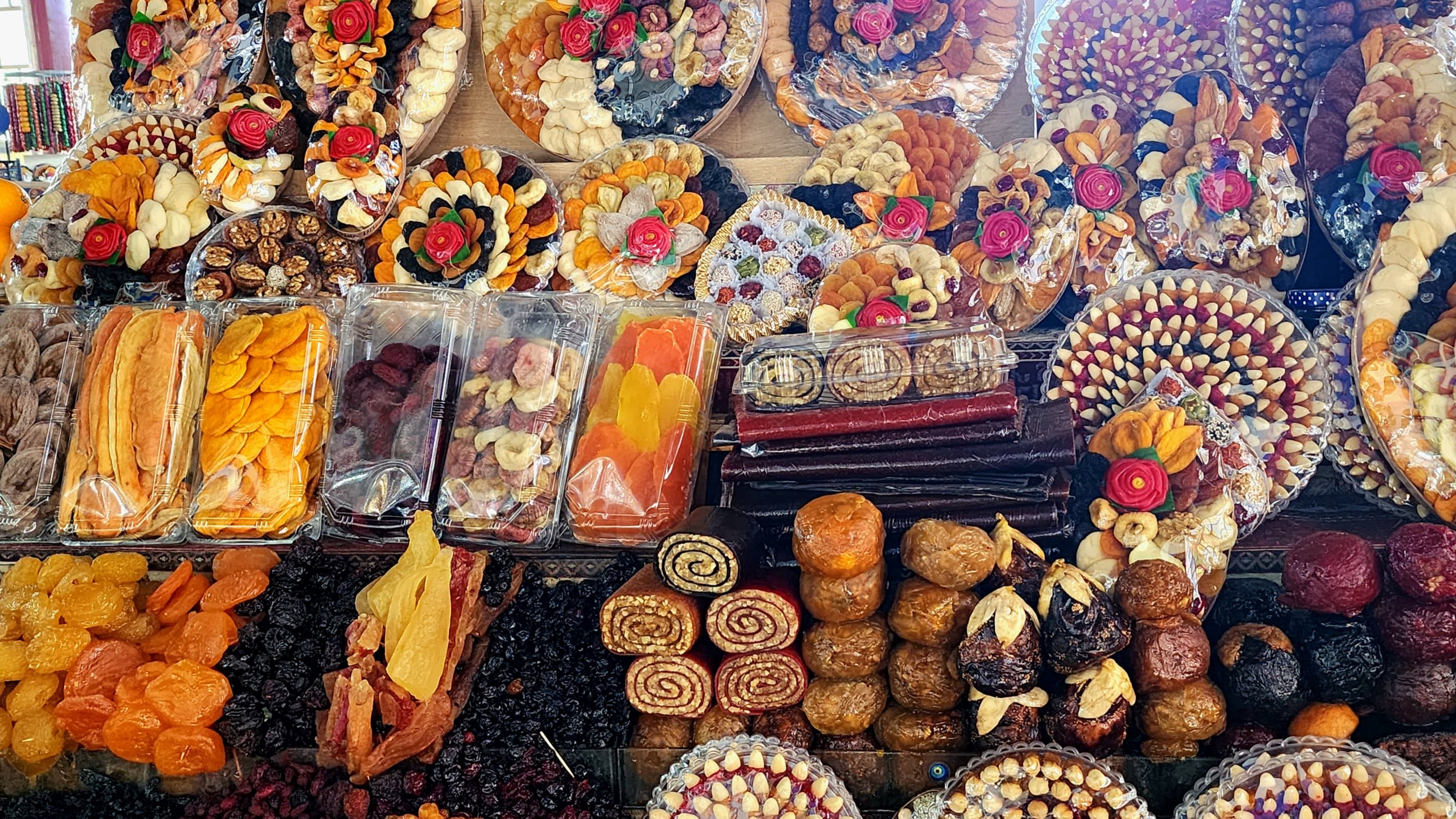
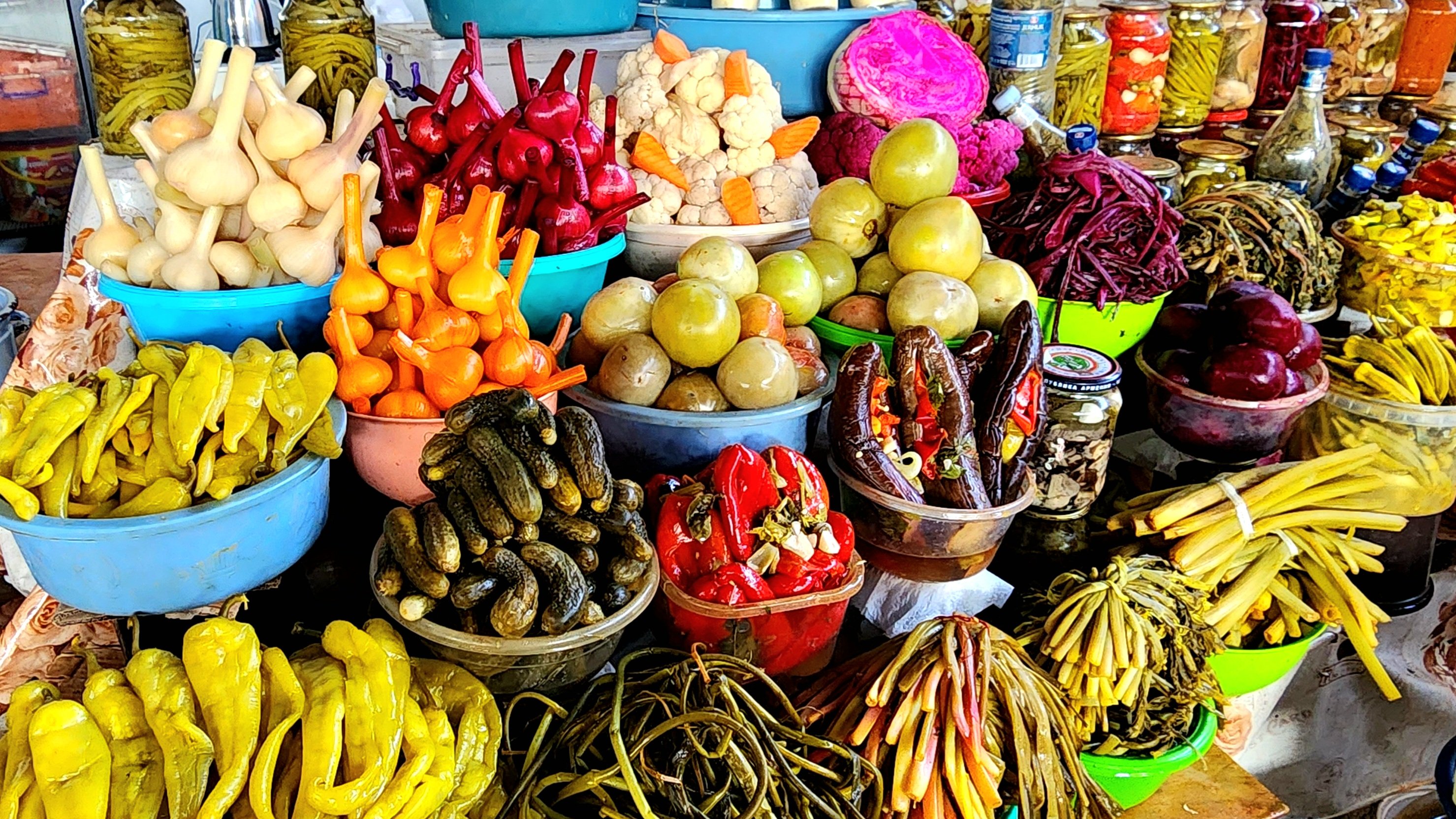
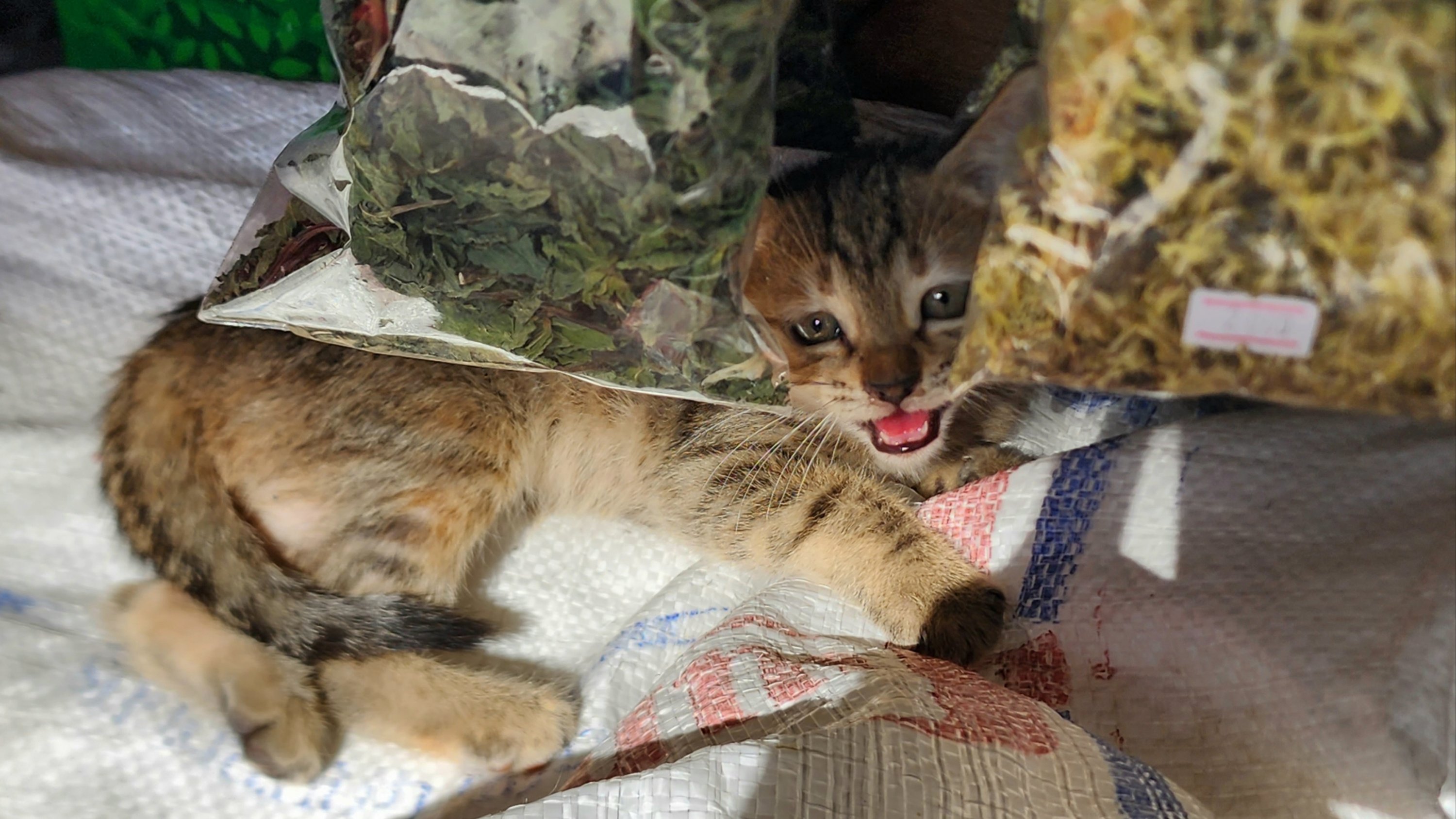
We stopped at the colorful Armenian Market to stock up on picnic supplies. Stands stocked with pumpkins, fruits, vegetables, spices, teas, dried fruit, cheese, meats, pickles, and more filled the spacious market. We spied another cute kitty resting under the tea stand.
After lunch, we strolled up and down the aisles of the vast Vernissage- a mix of a flea market and art market, a bit reminiscent of Portland Saturday Market back home. Across from the market, we enjoyed a performance by a musician playing a homemade “xylophone” constructed with dangling glass bottles filled to different levels.
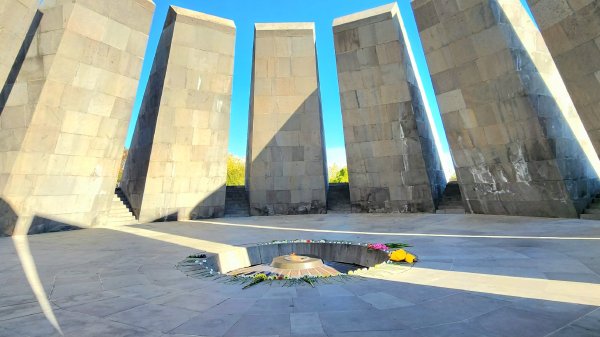
Armenian Genocide Memorial and Museum: The Armenian Genocide Memorial and Museum commemorates the massacre of Armenians between 1915 and 1922 in the Ottoman Empire. Photographs, videos, documents, artifacts, and written testimonies show the gruesome and appalling timeline of the ethnic cleansing of 1.5 million Armenians. Outside, a tall spire towers above twelve basalt slabs, each slab representing a lost province of western Armenia. The slabs lean inward to protect an eternal flame. Leading back to the museum is a long wall engraved with the names of the massacred communities.
Just weeks prior to our trip, we learned about the escalation of the conflict between Azerbaijan and Armenia in the region of Nagorno-Karabakh. In late September, Azerbaijan took control of this contested area, and around 120,000 ethnic Armenians fled the region, resulting in a humanitarian crisis for refugees. After learning about the history of genocide in Armenia, it was easy to understand the fear, mistrust, and frustration of Armenians. Mila studied the experience of refugees for her class project in their unit on migration. Below is a photo essay about the refugee crisis In Nagorno-Karabakh.
In Photos: The Nagorno-Karabakh Exodus
We are now back in Abu Dhabi and the sweltering heat seems to be subsiding, making way for the sunny warm days of winter. We are grateful that we had the opportunity to see Armenia’s natural beauty, spend a few days outside in the crisp fresh autumn air, taste the fall bounty, and learn about the country’s history.
 Travels with Mr. Smart
Nice traveling huh. I hope to do some soon.
Just had my other knee replaced… hopefully better for travel soon. Recovering a lot faster than the first one. Want to go to Australia and New Zealand next year.
Enjoying life is good for you and family.
love ya
roger
LikeLike
Your pictures are amazing. Glad to see you got out of the heat and enjoyed another landscape and culture.
LikeLike